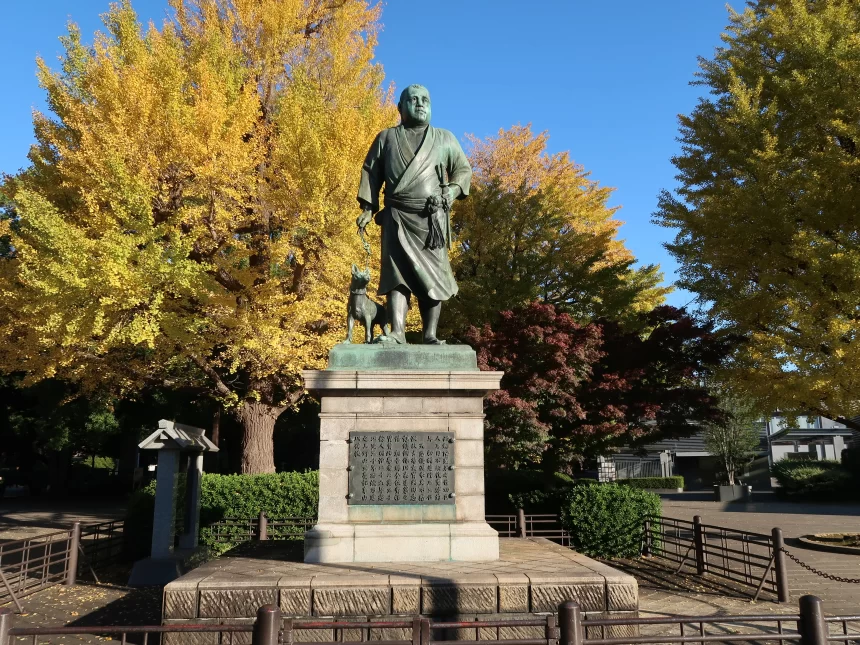
Ueno Park, officially known as Ueno Onshi Park, is one of Tokyo’s most iconic destinations. Established in 1873 as Japan’s first public park, it offers a rich blend of culture, history, art, and nature. Located next to Ueno Station, one of the city’s major transportation hubs, the park is easily accessible and attracts millions of visitors every year. For international travelers, Ueno Park provides an ideal introduction to the diverse cultural layers of Japan.
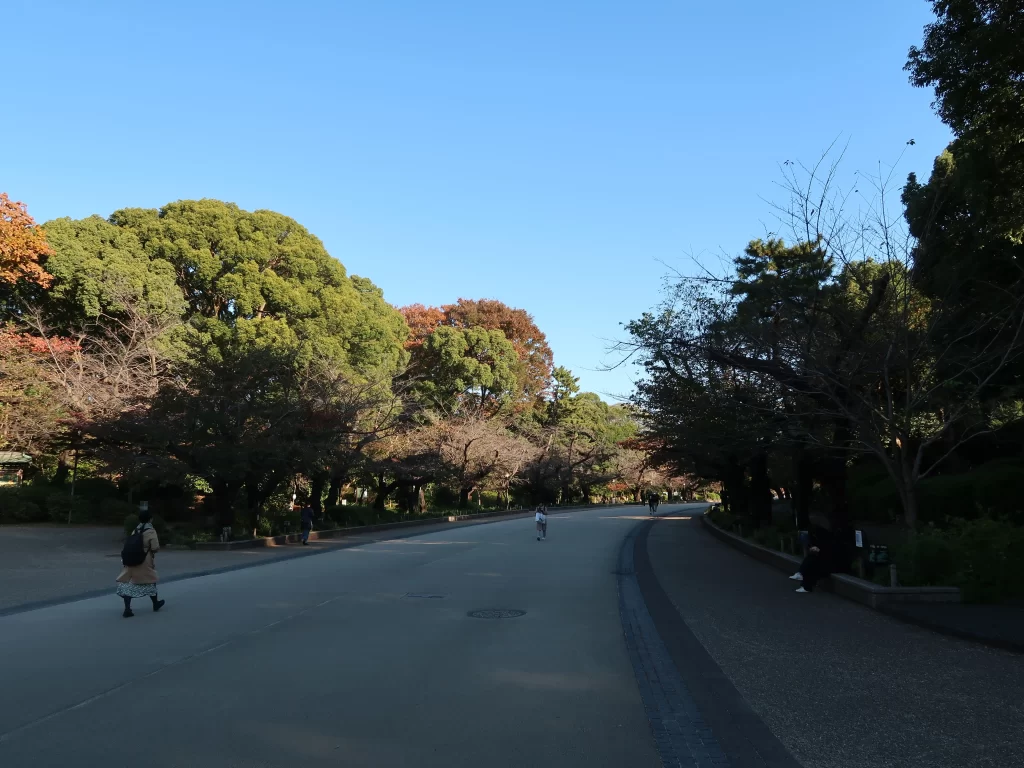
A Park Full of Seasonal Beauty
Ueno Park is especially famous for its stunning seasonal scenery. In spring, over 800 cherry trees bloom throughout the park, making it one of Japan’s most celebrated hanami (cherry blossom viewing) spots. The long avenue of sakura trees creates a breathtaking tunnel of pink, drawing visitors from around the world.
The park is spacious and filled with greenery, ponds, and forested areas that create a peaceful environment despite its central location. One of the highlights is Shinobazu Pond, known for its lotus flowers that blanket the water in summer. Visitors can rent rowboats, stroll along the walking paths, or simply relax by the water while enjoying the calm atmosphere.
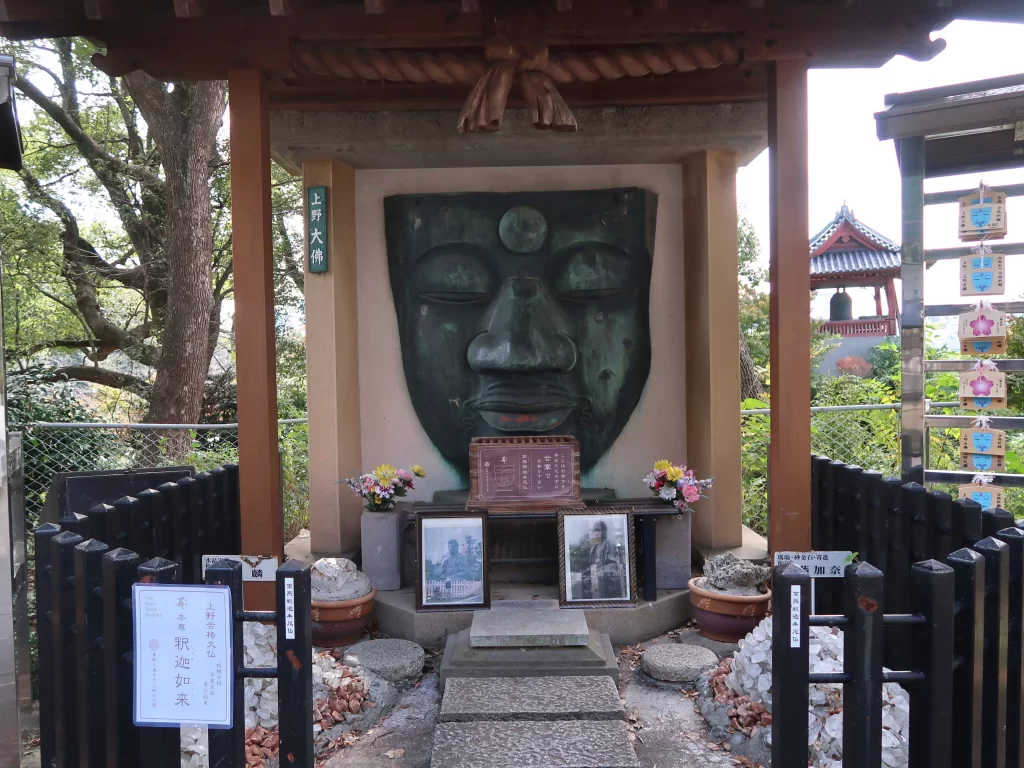
A World-Class Cultural District
Ueno Park is unique because it houses some of Japan’s most important cultural and artistic institutions all within walking distance.
- Tokyo National Museum
Japan’s oldest and largest museum, showcasing national treasures and a vast collection of Japanese and Asian art, including swords, pottery, kimono, Buddhist statues, and ukiyo-e prints. - The National Museum of Western Art (UNESCO World Heritage Site)
Designed by architect Le Corbusier, this museum features masterpieces by Rodin, Monet, and other Western artists. - Tokyo Metropolitan Art Museum
A major venue for contemporary and classic art exhibitions. - National Museum of Nature and Science
A popular museum for all ages, with exhibits on dinosaurs, space, geology, and the natural world.
Few places in the world offer such a concentration of world-class museums in one location, making Ueno Park a must-visit destination for culture enthusiasts.
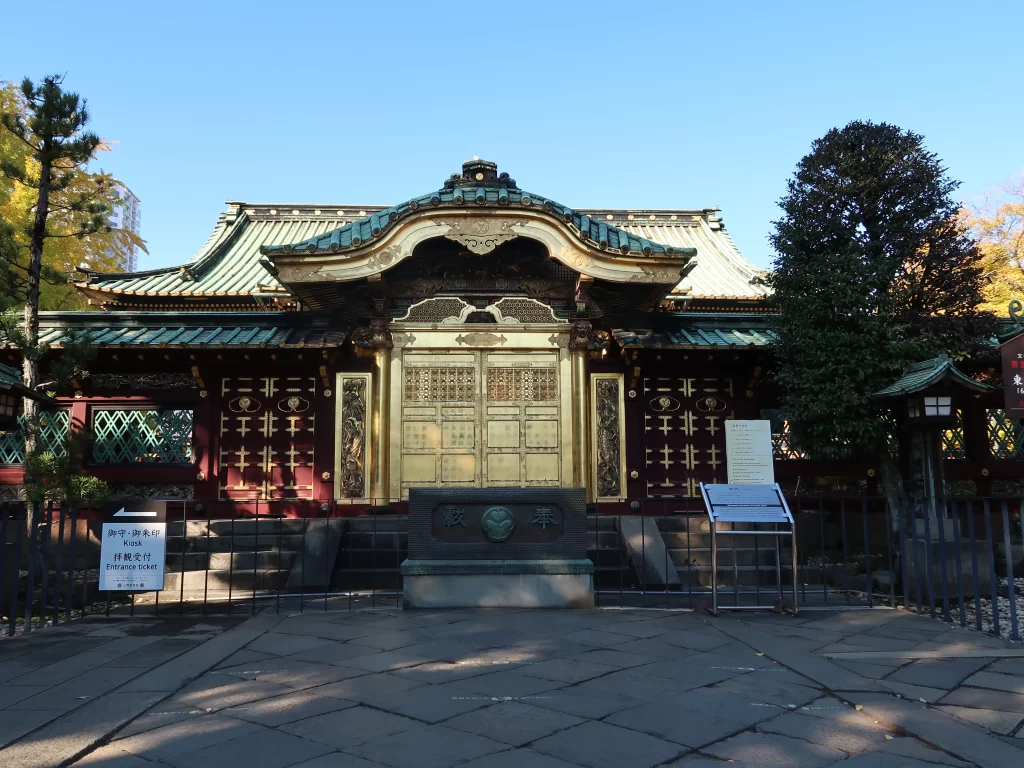
Temples and Shrines Rich in History
Ueno Park is not only a cultural center but also a place rooted in Japanese history. Several historic religious sites are located within the park:
- Ueno Tōshōgū Shrine
A beautifully preserved shrine dedicated to Tokugawa Ieyasu, the founder of the Edo Shogunate. Its richly decorated golden structures attract visitors with their timeless elegance. - Kaneiji Temple
Once one of the most important temples during the Edo period, it remains an important site for those interested in the history of Tokyo and the Tokugawa family.
These sacred sites offer visitors a glimpse into Japan’s spiritual traditions and historical architecture.
A Zoo and Family-Friendly Attractions

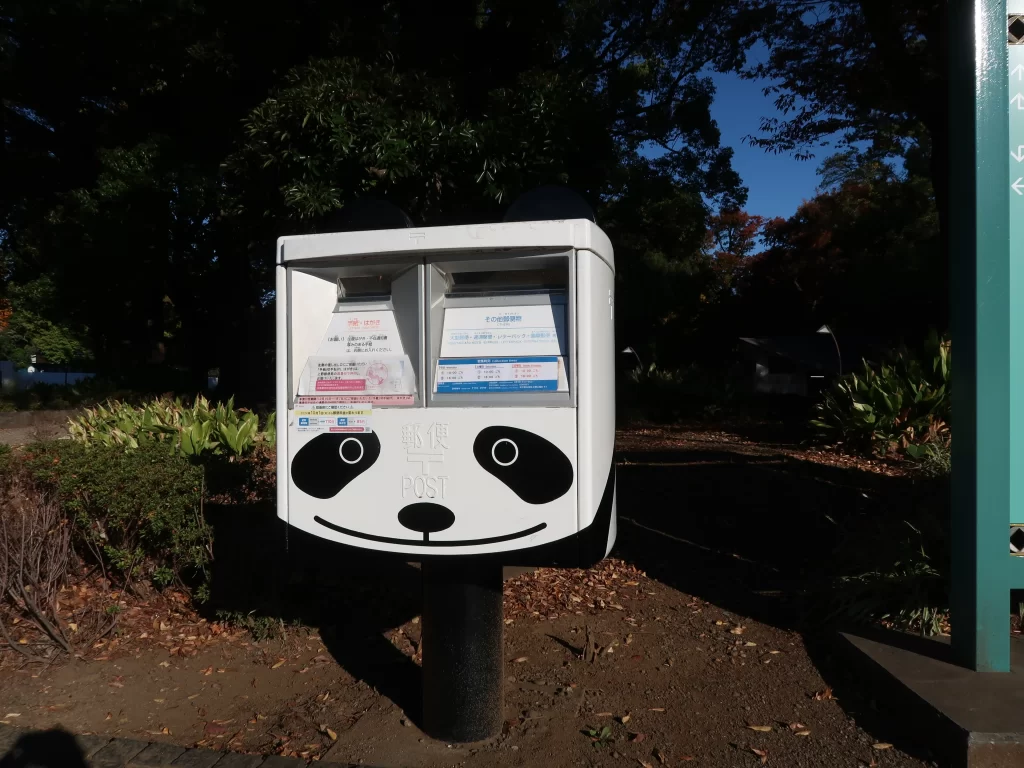
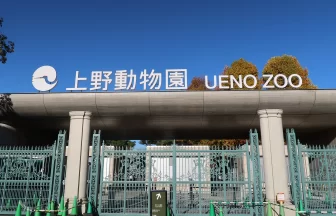
Ueno Park is also home to Ueno Zoo, Japan’s oldest zoo and one of the country’s most beloved attractions. Known especially for its giant pandas, the zoo offers the opportunity to see animals from around the world and learn about conservation efforts. It’s a popular destination for families and travelers of all ages.
In addition, the park hosts seasonal events, outdoor performances, markets, and street food stalls, making every visit feel unique.
Easy Access and Endless Possibilities
One of the great advantages of Ueno Park is its excellent accessibility. It is just steps away from Ueno Station, served by JR lines, Shinkansen, and Tokyo Metro lines. Nearby, visitors can also explore Ameya-Yokochō (Ameyoko), a lively shopping street filled with markets, local snacks, and bargain shops.
With its combination of nature, culture, history, and entertainment, Ueno Park can easily fill an entire day of exploration.



No comments yet.