What Is an Ema?
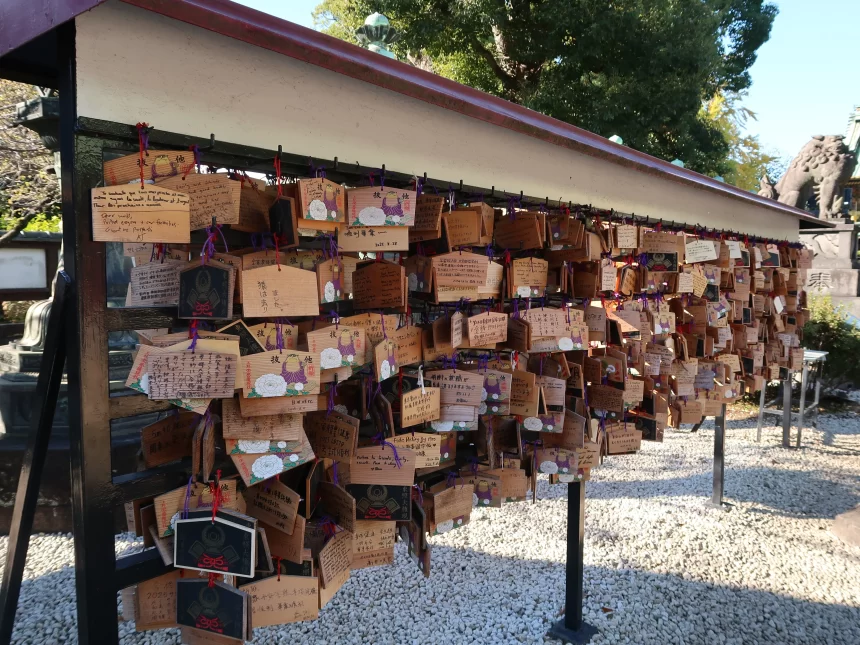
Ema are small wooden prayer plaques found at Shinto shrines throughout Japan. They are an important part of Japan’s traditional spiritual culture and offer visitors, both local and international, a simple and meaningful way to make wishes or prayers. The word ema literally means “picture horse,” reflecting their historical origin. In ancient times, people donated horses to shrines as sacred offerings, believing they helped carry prayers to the gods. As real horses were expensive, people eventually began offering wooden plaques with pictures of horses instead. Over time, the images on these plaques evolved, and today you can find a wide variety of designs, such as zodiac animals, shrine symbols, and scenes that represent good fortune.
What Are Ema and How Do They Work?
When visiting a shrine, you will often notice a wooden rack or wall covered with hundreds of ema. Each plaque contains handwritten messages—prayers for health, success in exams, safe childbirth, career improvement, love, protection, or other personal hopes. Writing an ema is a simple process: visitors purchase a blank plaque at the shrine office, write their wish on it, and hang it in the designated area. The shrine priests later offer these wishes to the deities during their ceremonies.
Ema reflect a unique aspect of Japanese spirituality. Unlike many religious practices that focus on strict doctrines, the Shinto tradition behind ema is gentle and open. People of any nationality or religion are welcome to participate. Writing an ema is not about converting to a belief system—it is about expressing your hopes in a peaceful environment and connecting with a centuries-old tradition.
Ema Designs and Souvenir Appeal
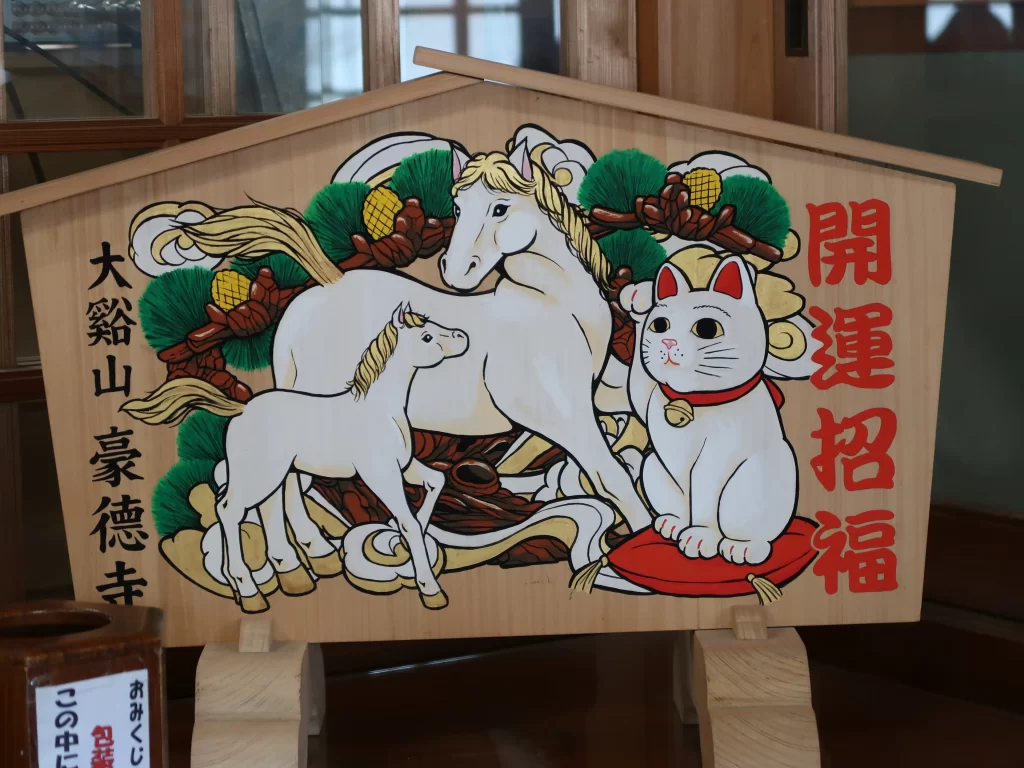
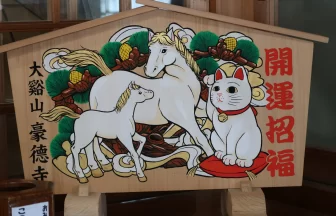
You may also observe that ema often display artistic designs. Some shrines create special limited-edition plaques for New Year’s or local festivals, featuring beautifully painted images. These can serve not only as a spiritual tool but also as a memorable souvenir of your visit. Some visitors choose to take their ema home instead of hanging it, using it as a good-luck charm or decoration.
Ema Messages and Their Cultural Meaning
One of the most interesting aspects of ema is reading the messages left by others. Although out of respect for privacy, it is best not to read them too closely, you will still notice wishes written in many languages. This highlights the universal human desire for happiness, health, and good fortune. In this way, ema walls have become symbolic spaces where people from around the world share their hopes together.
If you visit a shrine during exam season or near the New Year, you will see many ema related to students’ prayers for success or hopes for the coming year. At shrines dedicated to specific deities—such as academic success, matchmaking, or safe childbirth—the plaque messages often reflect the shrine’s unique spiritual focus.
Why Writing an Ema Is a Meaningful Cultural Experience
For travelers, writing an ema is a meaningful cultural experience that requires no prior knowledge of Japanese religion. It is a simple act, but one deeply connected to Japan’s traditions, history, and everyday spirituality. Whether you choose to pray for something personal or simply wish for good travels, participating in this tradition offers a quiet and memorable moment during your journey in Japan.
FAQ About Ema
What should you write on an ema?
You can write any wish, goal, or message. Common examples include prayers for health, success, love, safe travel, or happiness. You may also write wishes for friends, family, or others.
Do you have to write in Japanese?
No. You can write your message in any language. Shrines welcome visitors from around the world, and many ema display wishes written in multiple languages.
Should you hang your ema or take it home?
Traditionally, ema are hung at the shrine after writing your wish. However, some visitors choose to take them home as a keepsake or good-luck charm. Both options are acceptable.
When is the best time to write an ema?
You can write one at any time of year. However, many people write ema during New Year visits or before important life events such as exams, job searches, or major decisions.
Can tourists participate in the ema tradition?
Yes. Anyone can write an ema, regardless of religion or nationality. It is a simple and welcoming cultural activity open to all visitors.
Want to learn more about Japanese shrine traditions?
Explore these related guides:


No comments yet.