

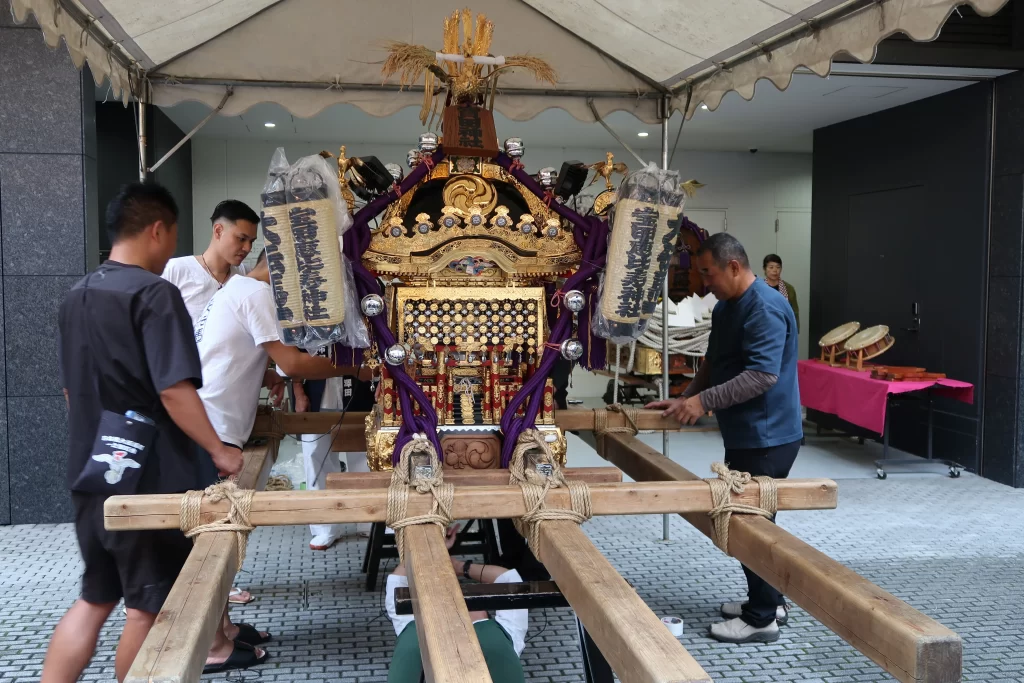
What is Bettara-ichi?
Bettara-ichi is a traditional autumn market and festival held every year in the Nihonbashi and Ningyocho area of Tokyo, Japan. It centers around (“Takarada Ebisu Shrine”) and the surrounding streets. The name “bettara” comes from a distinctive type of pickled radish (“bettara zuke”) that is sold during the market. The event features hundreds of stalls, lanterns, special prayers and a lively street atmosphere.
When and Where
- The festival is held for two days: typically October 19th and 20th.
- It takes place in central Tokyo, around the shrine address: 3-10-11 Nihonbashi Honchō, Chūō-ku, Tokyo.
- It runs from about 10:00 AM / noon until around 9:00 PM, during which the shops and food stalls stay open and the lanterns are lit in the evening.
Why It’s Special
- The festival traces its roots back to the early Edo era (~17th century) as part of the “Ebisu Kō” – a tradition of local merchants venerating the god Ebisu (god of business, prosperity and fishermen).
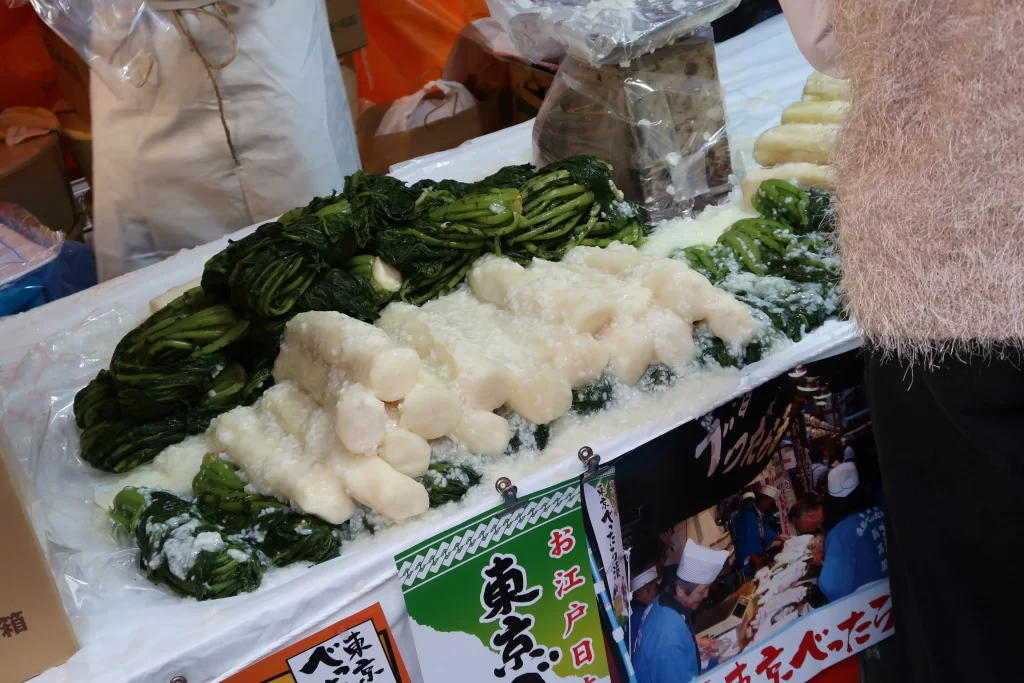
- The “bettara zuke” pickled radish is central: salted daikon radish fermented with rice malt (koji) and sugar, creating a sweet-savory taste. The story goes that the name “bettara” comes from the sticky (bettari) factor of the radish or of the cloths it touched.
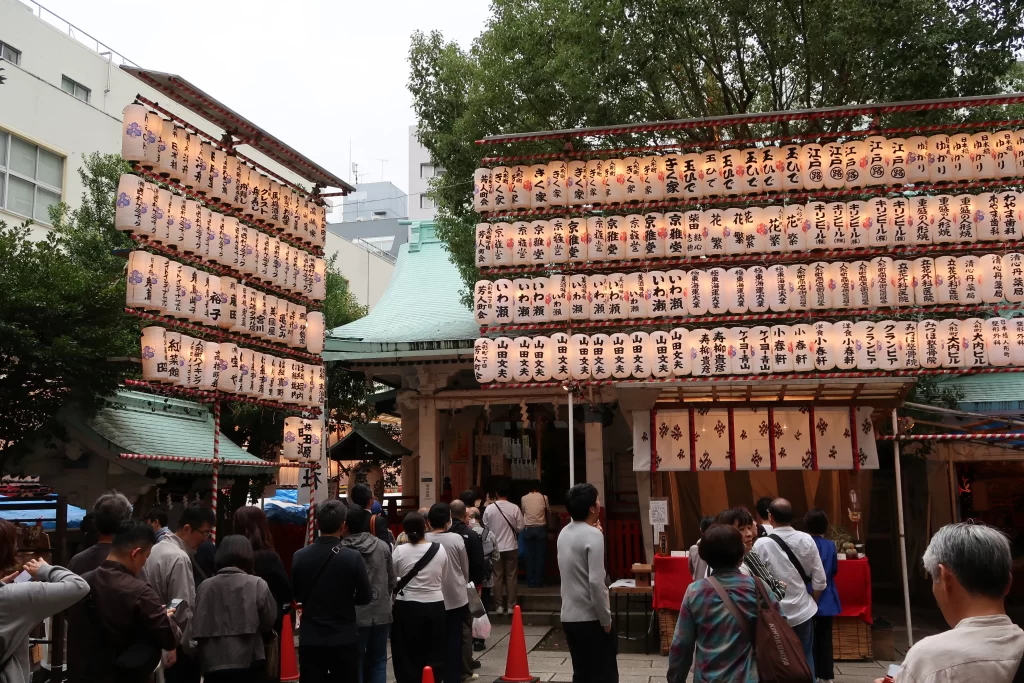
- The atmosphere: About 500 stalls line the streets, offering bettara pickles, traditional sweets, street food, and items for good luck or home decor. At night, over 1,500 lanterns light up the area, giving a magical “old Tokyo” feel.
What to Experience
- Taste and buy bettara zuke: Walk among the stalls selling large whole daikon pickles. Try a sample, compare sweetness between shops, buy a jar or pack to take home.
- Street-food and local treats: Apart from pickles, there are festival foods, craft goods, lucky charms. Great for exploring.
- Shrine visit: Stop by Takarada Ebisu Shrine, make an offering or a small prayer for business success or good fortune.
- Evening lights & walk: As dusk falls, the lanterns turn on and the streets glow. A perfect time for photos, atmosphere, and reflecting the “old town meets modern Tokyo” sensation.
- Crowd & charm: Expect many visitors, local families, atmosphere of a neighbourhood celebration. Wear comfortable shoes, go early if you prefer less crowding.

Tips for Foreign Visitors
- The event is free to enter; you’ll pay only for what you buy at stalls.
- Payment methods: Many stalls are cash-only; carry some Japanese yen.
- Transport: Use nearby stations such as Nihonbashi or Ningyocho, as the area around the festival can be quite crowded.
- Language: Many stall holders may not speak much English, but you’ll get by with simple phrases and friendly gestures. Try “sumimasen” (excuse me), “o-kashi onegaishimasu” (may I have a snack/that please).
- Timing: Afternoon is lively; evening has the best lighting and atmosphere, but also more crowded.
- Shopping: Pickling varies by vendor; if you buy some bettara zuke, check how it should be stored (refrigeration, consumption date).
- Respect: When entering the shrine area, behave as you would at any sacred place (quiet, respectful).
- Weather: It’s held outdoors; check the weather and dress accordingly.
Why Visit?
Bettara-ichi offers a wonderful slice of Tokyo’s “old town” culture in the heart of the modern city. It blends tradition (shrine, pickles, lanterns), community (street market, neighbours), and festival fun (food, lights, stalls) in a way you’ll remember. Whether you’re a foodie, a culture-lover, or just out for a memorable stroll, this festival gives insight into the blend of convenience and heritage that Tokyo holds.

No comments yet.