
In the heart of Tokyo’s elegant Ginza district stands Kabuki-za, the principal theatre for kabuki — Japan’s most iconic traditional performing art. With its grand white façade and curved tiled roof, Kabuki-za perfectly blends historical beauty with modern sophistication. For visitors, it offers a rare chance to experience the vibrant spirit of Japanese theater, where centuries-old tradition continues to captivate audiences today.
Kabuki originated in the early 17th century during the Edo period. It was created as a popular entertainment form combining drama, dance, and music, appealing to people from all walks of life. Over the years, kabuki evolved into a highly stylized art form characterized by elaborate costumes, powerful acting, and dynamic stage effects. The performances explore stories of love, honor, revenge, and humor — themes that continue to resonate across generations.
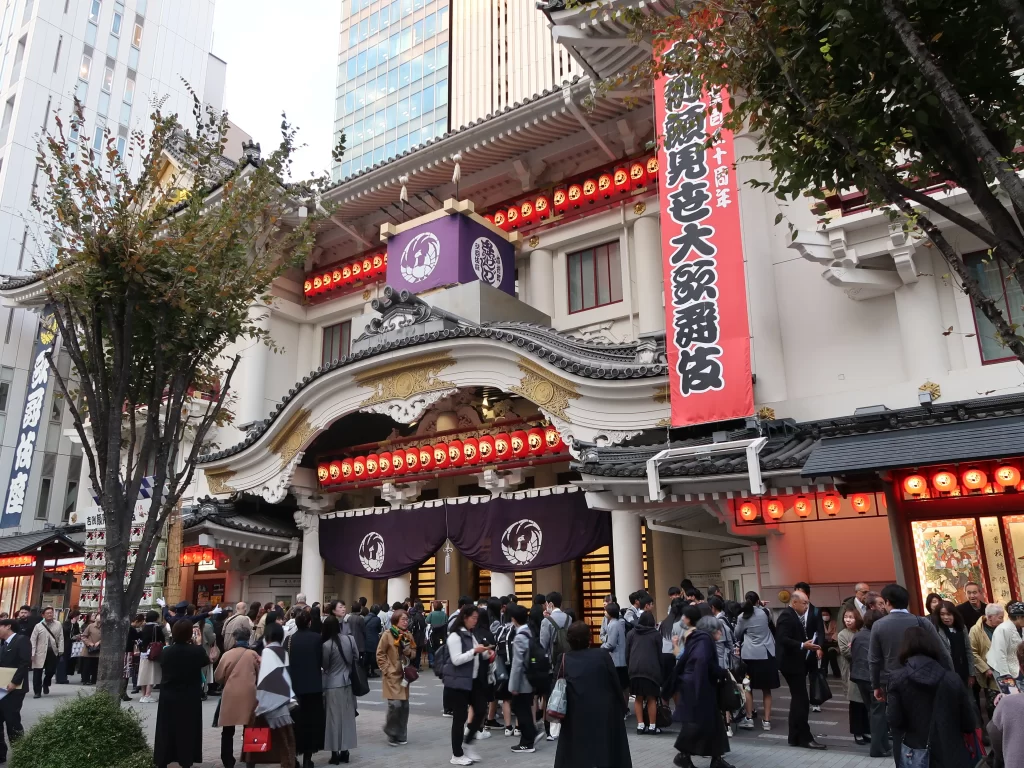
The Kabuki-za Theatre first opened in 1889, founded by businessman Fukuchi Gen’ichirō, who wanted to create a permanent home for kabuki in Tokyo. Since then, it has undergone several reconstructions due to fires, earthquakes, and wartime damage. The current building, completed in 2013, is the fifth generation of the theatre. Its exterior preserves the classical Japanese architectural style, while its interior and backstage facilities are equipped with state-of-the-art technology, ensuring both comfort and authenticity.
Inside, the atmosphere is both elegant and lively. The theatre can seat around 1,800 people, with beautifully decorated interiors inspired by traditional Japanese aesthetics. The stage features unique mechanisms such as the mawari-butai (revolving stage) and hanamichi — a long walkway extending through the audience, allowing actors to make dramatic entrances and exits. These special features make kabuki a highly visual and engaging experience, even for those who do not understand Japanese.
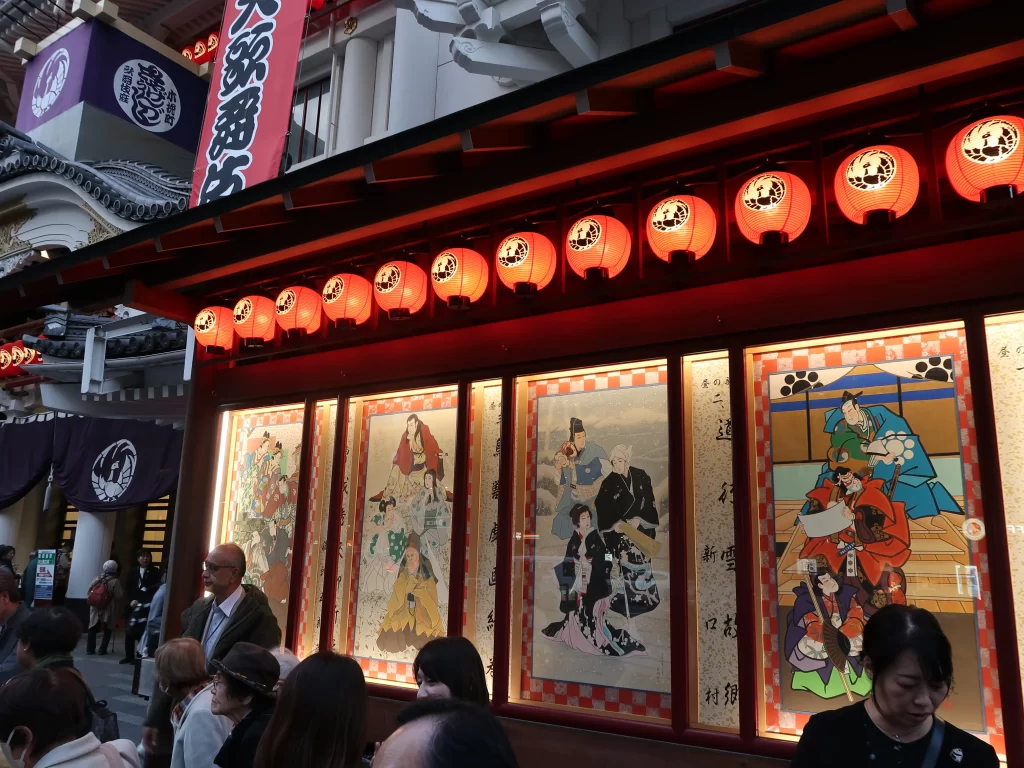
Kabuki-za offers several ways for visitors to enjoy performances. Full programs, which can last up to four hours, are divided into acts. For those with limited time, the theatre provides the popular Single Act Tickets (hitomakumi-seki), allowing guests to watch just one act at an affordable price. English subtitle devices are also available, making it easy for foreign visitors to follow the story and dialogue.
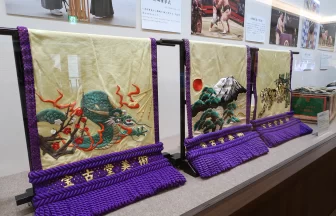
The theatre’s basement level, called Kabuki-za Gallery and Kobikicho Plaza, adds to the experience. Here, visitors can explore exhibits of costumes, props, and photos from famous performances. The gift shops sell kabuki-themed souvenirs, including masks, fans, and sweets featuring the faces of popular actors. There are also restaurants and cafés offering Japanese dishes and bento boxes that can be enjoyed during intermissions — a unique part of kabuki culture.
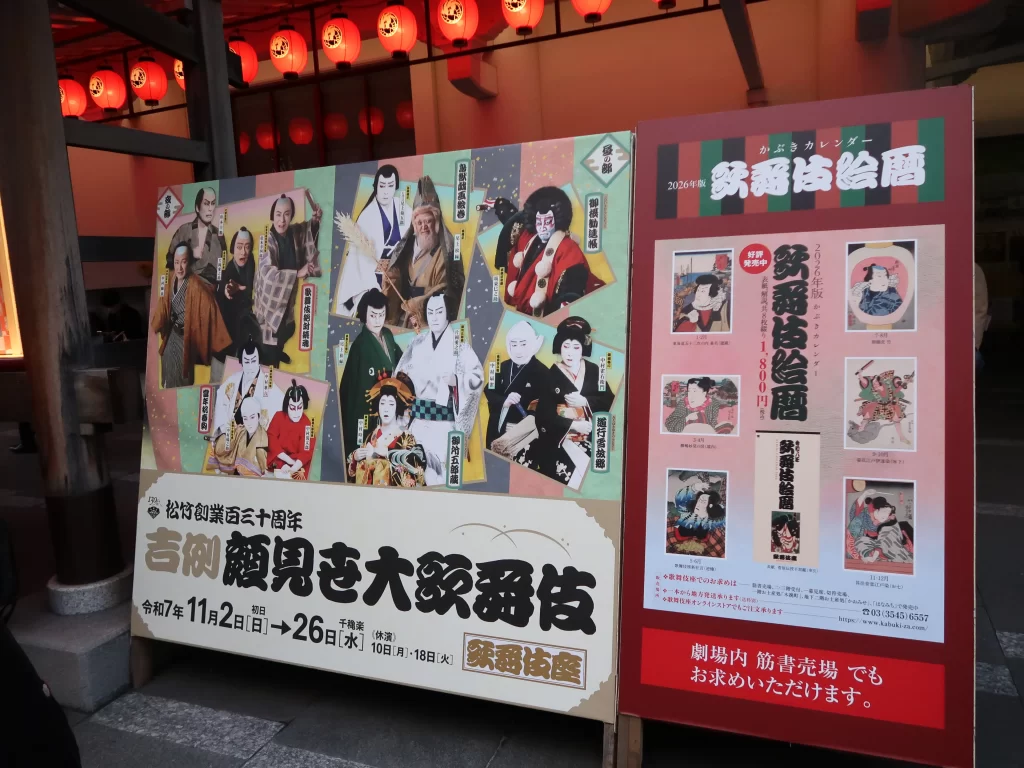
Kabuki-za is not only a place to watch theatre but also a symbol of Japanese craftsmanship and continuity. Many kabuki actors come from long family lineages, passing their stage names and techniques from generation to generation. The performances combine dramatic storytelling with refined gestures, live shamisen music, and breathtaking visual effects — creating a sensory experience that bridges the past and present.
Even from the outside, the theatre is worth a visit. Its ornate architecture, illuminated at night, stands out beautifully against the modern Ginza skyline. It is a popular photo spot and a beloved cultural landmark for both Tokyo residents and tourists.
For travelers seeking to experience Japan’s living traditions, a visit to Kabuki-za offers something unforgettable. Whether you watch a full performance or just explore the gallery and shops, you will discover the essence of Japanese artistry — elegance, discipline, and passion — all on one magnificent stage.
Kabuki-za is more than a theatre; it is a window into Japan’s soul, where history performs daily under the bright lights of Ginza.
How to get this place
Address:
4-12-15 Ginza, Chuo-ku, Tokyo
Access:
From Ginza Station:
Take the Hibiya Line to Higashiginza Station. The ride takes about 2 minutes. From there, it’s another 5 minutes on foot.
Information
Tickets are required for the performance.
You can purchase souvenirs and other items even without a ticket.
Business Hours
<During Performances>
10:00 AM – 6:55 PM (For non-ticket holders)
10:00 AM – 7:40 PM (For ticket holders)
<Closed Days>
10:00 AM – 6:00 PM (Dec 1, 2, 10, 18, 27; Dec 3 closes at 2:00 PM)
※Closed Nov 30, Dec 28 – Jan 1
Regular Holidays
Irregular holidays

No comments yet.