The Origins of Tokyo (Edo) and Its Historical Background
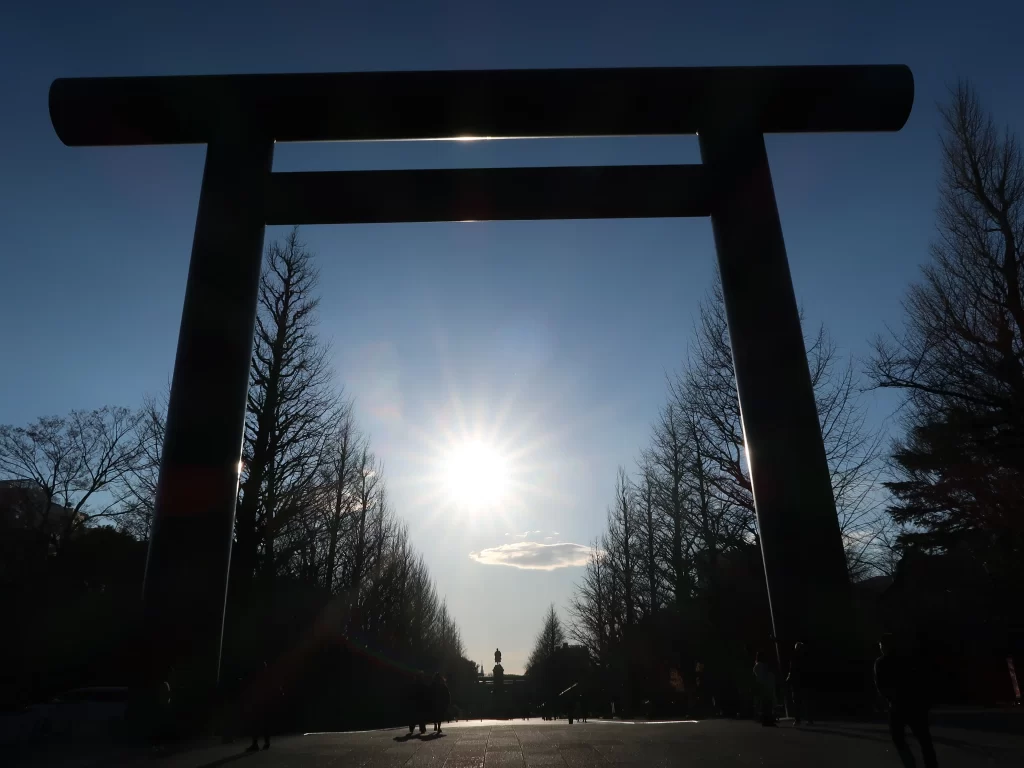
The origins of Tokyo date back to the Edo period. TOKUGAWA IEYASU of the Tokugawa clan, whose influence continues to this day, established the Edo shogunate. Before the Edo period, the area now known as Tokyo was called Musashi Province and was one of Japan’s rural regions, distant from Kyoto, the capital at the time. It’s hard to imagine now, but Tokyo was then a low-lying wetland area. Therefore, TOKUGAWA IEYASU first began draining the land, creating canals for water transport, and using the excavated soil to build up the city. This marked the beginning of Edo’s urban development and the start of modern Tokyo.
It is no exaggeration to say that the Edo period, lasting approximately 270 years, laid the foundation for Japan. After the Edo period, the restoration of imperial rule led to the advancement of a government centered on the Emperor, followed by the Meiji, Taisho, Showa, Heisei, and Reiwa eras. However, even when combined, the total duration of all these periods does not match that of the Edo period. The Edo period was so fundamental to the formation of Tokyo and its culture that traces of Edo history remain deeply embedded in the city to this day.
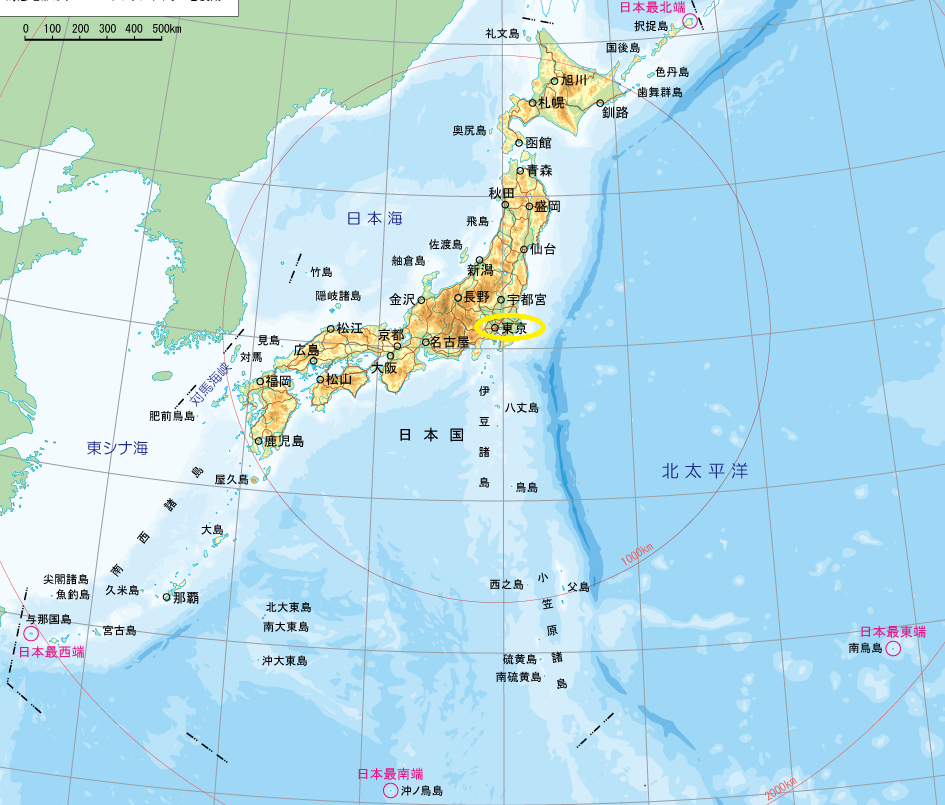
So why was Tokyo (Edo) placed right in the geographical center of Japan, like the navel of the land? This raises questions. I believe the concept of “center” holds immense significance in any nation’s culture. Tokyo’s position at Japan’s center stems from its strategic advantage. Japan’s land has been constantly struck by various disasters. It has suffered greatly from naturally occurring calamities like earthquakes, typhoons, snow damage, cold damage, floods, and droughts. Numerous historical documents also extensively record Japan’s disasters.
Disasters particularly devastated crop yields, leading to repeated famines throughout Japan’s history. Each domain and region constantly faced such circumstances, living while confronting natural disasters. Amidst these disasters, Tokyo (Edo) was chosen as a location least susceptible to their impact, which is why it holds its position as Japan’s capital today. While modern satellite observation technology allows us to predict regional disasters with greater accuracy, Tokyo (Edo) became Japan’s center for centuries despite lacking such technology. It is a city built upon the accumulated knowledge and surveys of our ancestors.
We hope learning about Tokyo’s (Edo’s) history will enrich your travels and create wonderful memories. Please enjoy Tokyo’s hospitality.

The History of Tokyo: From Edo to the Present Day
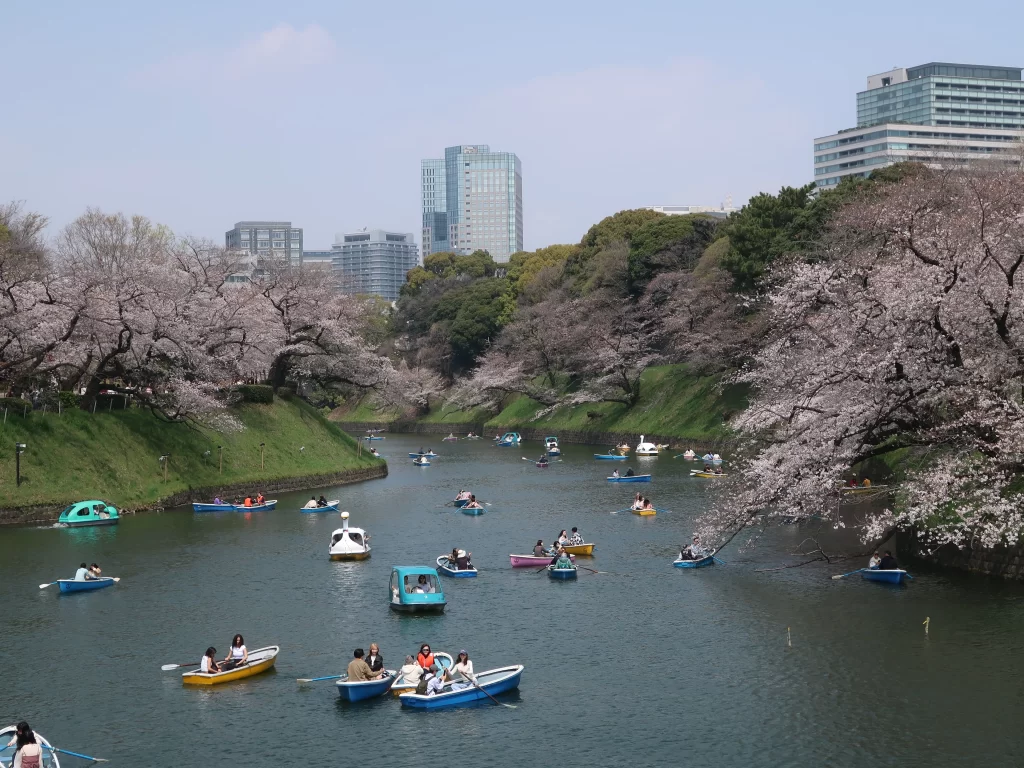
Tokyo (Edo) has experienced major turning points throughout its history. The Meiji Restoration overthrew the Edo shogunate, propelling the nation rapidly toward modernization. In September 1923 (Taisho 12), the Great Kanto Earthquake struck. With many wooden houses at the time and the quake occurring around noon when people were cooking meals over stoves and charcoal braziers, it triggered massive fires. The fires raged for three days, making it the largest disaster in modern Japanese history. Strangely enough, exactly eight years later in September, the Manchurian Incident occurred, marking the start of the Pacific War, which continued until Japan’s defeat in 1945. As there are various opinions and perspectives on war, I will refrain from going into detail about the war itself. In March 1945, near the end of the war, the Great Tokyo Air Raid devastated the city, reducing it to scorched earth. From this point, Tokyo achieved remarkable postwar reconstruction and development, leading to its modern state. Amidst this harsh historical journey, temples and shrines dating back centuries remain preserved in their present form.
They now serve as opportunities for visitors from around the world to learn about our culture, and I wish to express my respect for our ancestors who made this possible. Looking ahead, I sincerely hope that visitors from around the world will, through experiencing this culture, reflect even a little on the meaning of peace and what peace truly entails. Even now, conflicts persist in many regions across the globe. I pray from the bottom of my heart for their swift resolution, so that those suffering in difficult circumstances may find relief and peace of mind.
Are You Ready for Tokyo?
Take this 5-minute quiz and test your travel skills!
A Real Guide for First-Time Visitors
Tokyo is not a city you just visit. It’s a city you experience.
From quiet temple mornings to neon-lit nights, every hour in Tokyo feels completely different.
But here’s the truth:
Most first-time visitors don’t experience the real Tokyo.
They get lost in stations, eat in the wrong places, and miss what actually makes this city special.
This guide is different.
It’s built from real experience — walking, eating, and navigating Tokyo every day.
What Makes Tokyo Unique
Tokyo is one of the most unique cities in the world.
- Traditional and modern exist side by side
- Extremely safe, even at night
- One of the best public transport systems on earth
- Endless food options — from cheap to high-end
But what surprises most visitors isn’t just these facts.
It’s how the city actually feels when you walk through it.
What Tokyo Feels Like (Real Experience)

Morning in Tokyo is quiet.
Places like Asakusa or the Imperial Palace feel calm and almost empty.
By midday, the city becomes active. Restaurants fill up, trains get busy, and the energy changes.
At night, Tokyo transforms again. Neon lights, izakaya, and people enjoying the city late into the evening.
Tokyo isn’t one experience. It’s many different cities in one.
Common Mistakes First-Time Visitors Make
Most first-time visitors struggle with the same problems:
- Getting confused at train stations
- Choosing the wrong restaurants
- Underestimating walking distances
- Wasting time on inefficient routes
These mistakes don’t ruin your trip, but they can limit your experience.
The key to enjoying Tokyo is simple:
- Understand how transport works
- Know where to eat
- Plan your routes efficiently
- Experience both famous and local places
That’s exactly what this site helps you do.
🍣 How Food Works in Japan
👉 How ordering food in Japan works
From sushi to casual dining,
learn how to order, what to expect, and avoid common mistakes.
🚶 Best Walking Routes
👉 Best walking routes in Tokyo
Explore Tokyo like a local — not just tourist spots, but real walking experiences.
🎌 Japanese Culture Basics
👉 Japanese culture guide
Understand temples, shrines, etiquette, and traditions before you visit.
Planning Tokyo is harder than it looks.
👉 Ask a local — we’ll help you for free.(Limited)
No confusion.
No wasted time.
Just a better Tokyo experience.
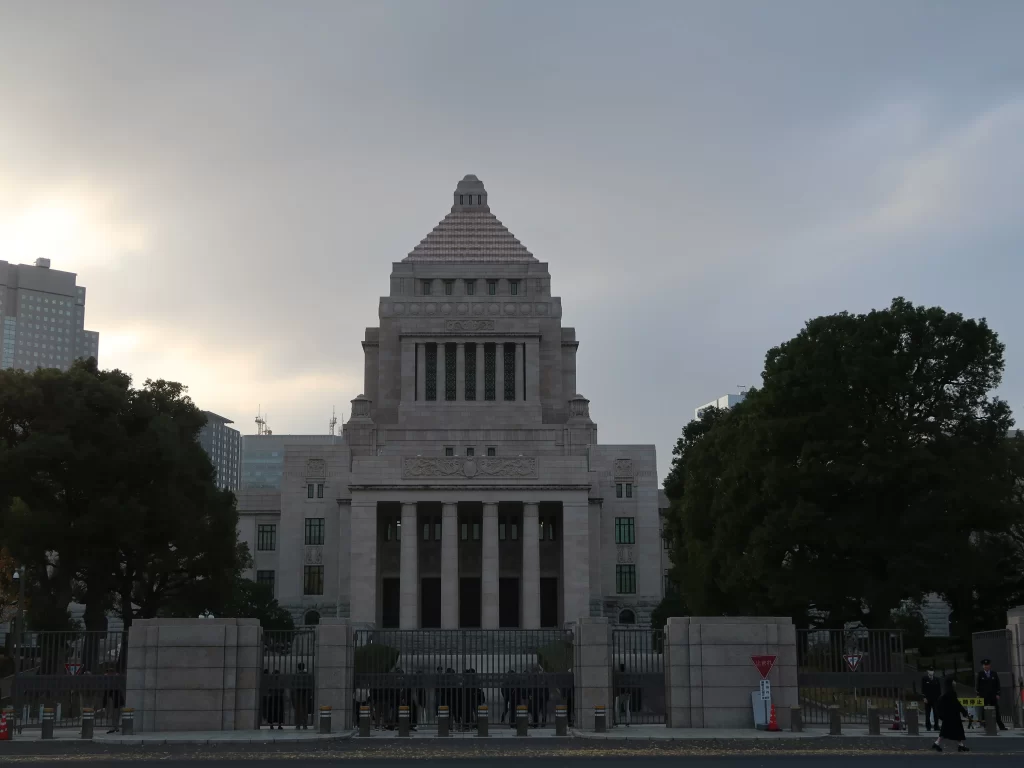
Tokyo’s Architectural Wonders: Where Tradition Meets Modernity
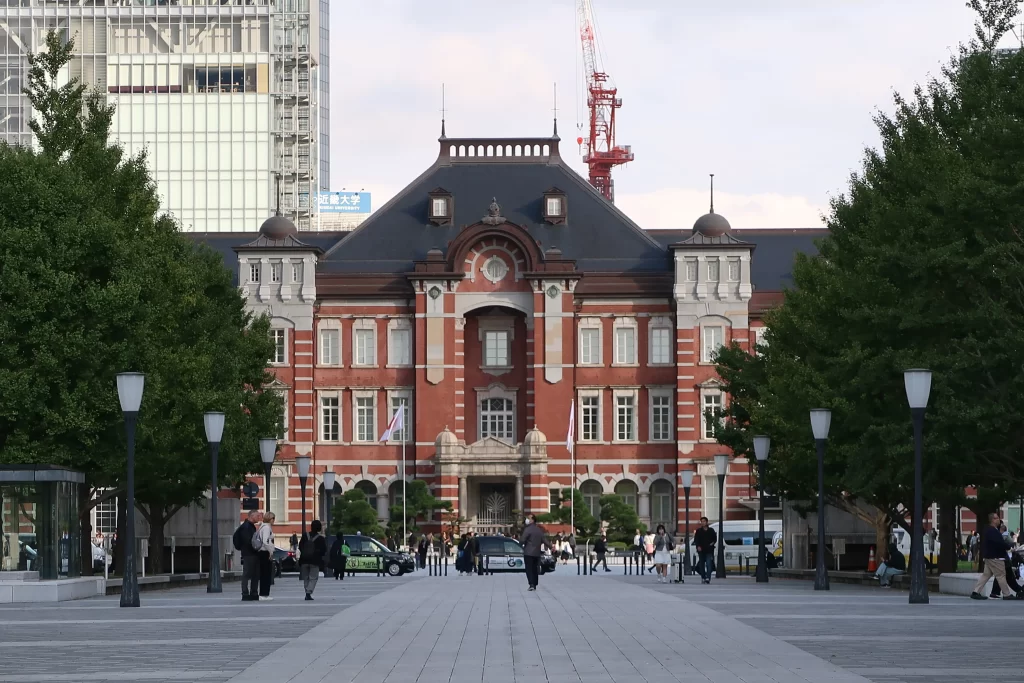
Tokyo boasts numerous architectural landmarks, ranging from historic structures like Tokyo Station to modern skyscrapers. Alongside contemporary office buildings and commercial complexes, Western-style architecture blends seamlessly into the cityscape. From the lush Imperial Palace area, one can see clusters of high-rises—a view where Edo and Tokyo merge into a single landscape.
• Imperial Palace
• Nihonbashi and Western Architecture
• Tokyo Station
• Tsukiji Honganji Temple
• Tokyo National Museum
Discover Tokyo’s Historic Gardens: Tranquility in the Heart of the City
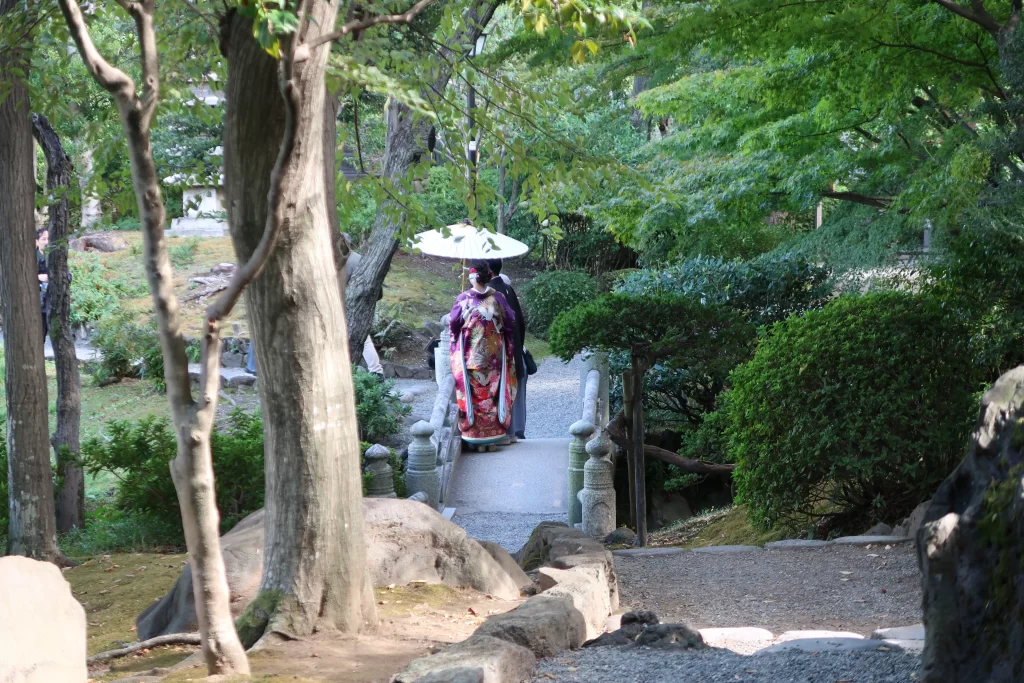
While Tokyo has a modern image, its city center is home to numerous gardens and parks. Many were created during the Edo period and remain preserved as historic sites. Stepping into a garden reveals a tranquil atmosphere and a dazzling landscape that changes with the seasons.
Discover Tokyo’s Temples and Shrines: History and Spiritual Tranquility in the City
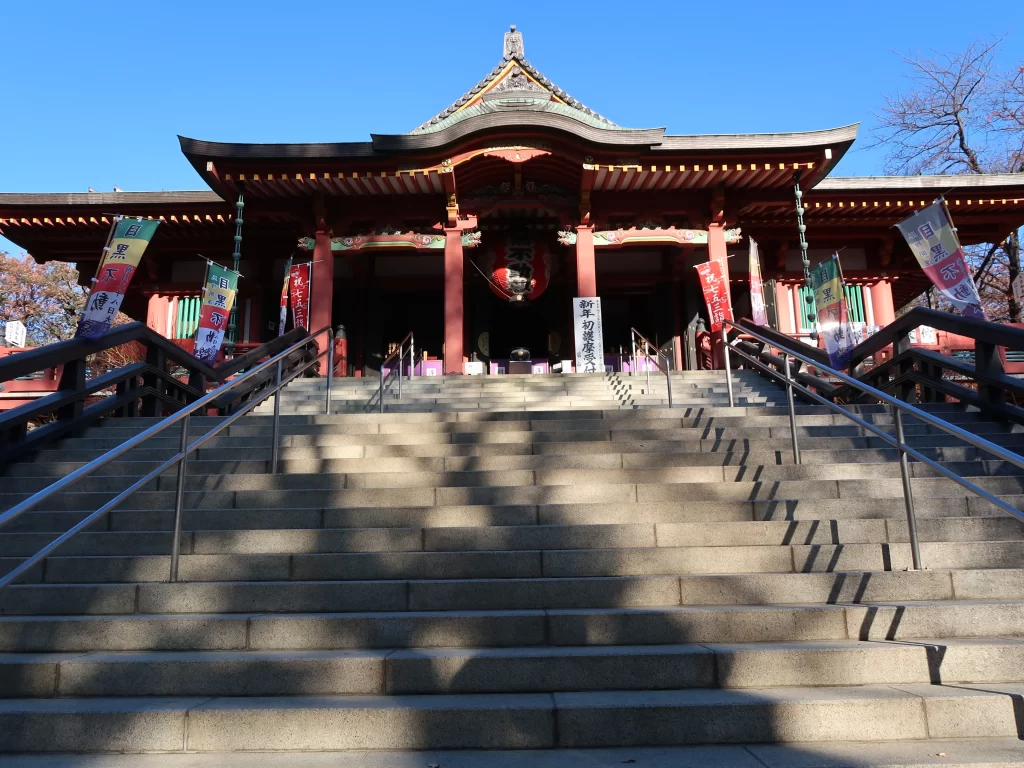
While Tokyo is known for its modern skyline, the city is also home to numerous historic temples and shrines. Many date back centuries and continue to serve as centers of culture, worship, and community. Visiting these sacred sites offers a serene escape, where traditional architecture, rituals, and seasonal festivals create a unique and memorable experience.
• Yasukuni Shrine
• kanda-myojin
• atago-shrine
• edo-goshiki-fudo
• edo-six-jizo
• seven-lucky-gods
• gotokuji-temple
• sengakuji-temple
Tokyo Airport Access: How to Get to the City from Narita & Haneda
Tokyo is served by two major international airports: Narita Airport (NRT) and Haneda Airport (HND). Both provide convenient access to the city center, making your arrival smooth and stress-free.
From Narita Airport
Narita Airport is located about 60 km east of central Tokyo. Travelers can choose from several options:
- Narita Express (N’EX): A direct train to major stations such as Tokyo, Shinjuku, and Shibuya. Journey time: ~60 minutes.
- Keisei Skyliner: Fast train to Ueno and Nippori stations, taking only 40 minutes.
- Airport Limousine Bus: Direct service to hotels and major districts, convenient if you have luggage.
Learn schedules, fares, and travel tips for N’EX.
From Haneda Airport
Haneda Airport is closer, just 14 km south of central Tokyo, making it ideal for quick city access:
- Tokyo Monorail: Connects Haneda to Hamamatsucho Station in ~20 minutes.
- Keikyu Line: Direct trains to Shinagawa and Yokohama.
- Airport Limousine Bus: Services to hotels, Tokyo Disney Resort, and popular districts.
Learn schedules, fares, and travel tips for Hneda.
Tips for a Smooth Journey
- IC Cards (Suica/Pasmo): Use for seamless travel on trains, buses, and subways.
- Luggage Delivery Services: Convenient for travelers who want to avoid carrying heavy bags.
- Use Station Lockers: Make the most of coin lockers available at major stations to store your luggage safely and explore the city hands-free.
- Check Travel Times: Peak hours may increase transit times, especially on trains.
By planning ahead, your trip from Narita or Haneda to Tokyo can be comfortable, fast, and stress-free.
Before you finalize your plans, make sure you avoid the most common mistakes first-time visitors make in Tokyo.
