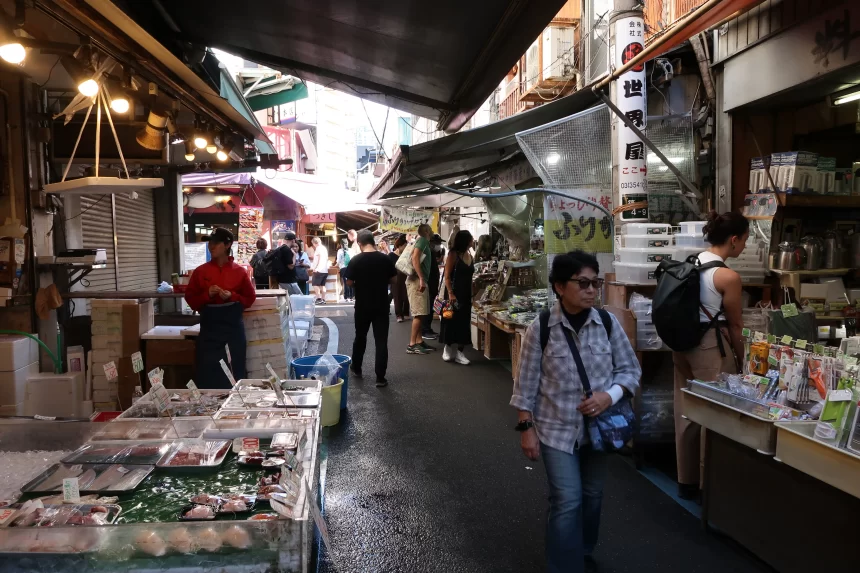
For decades, Tsukiji Market was known as the “kitchen of Tokyo.” Located near the Ginza district, this world-famous market was the center of Japan’s seafood trade and a must-visit destination for anyone interested in Japanese cuisine and culture. Even after the inner wholesale market moved to Toyosu in 2018, Tsukiji’s Outer Market continues to thrive, offering visitors an authentic taste of Tokyo’s traditional food culture.
Tsukiji Market originally opened in 1935, built to replace the Nihonbashi fish market that was destroyed in the Great Kanto Earthquake of 1923. Over time, Tsukiji became not only the largest seafood market in Japan but also one of the most famous in the world. It was a place where professional chefs, restaurant buyers, and fishmongers gathered every morning to trade fresh fish, shellfish, and produce. The highlight was the tuna auction, held in the early hours of the morning. Watching skilled buyers bid on huge frozen tunas was a dramatic spectacle that symbolized the energy and precision of Japanese food culture.
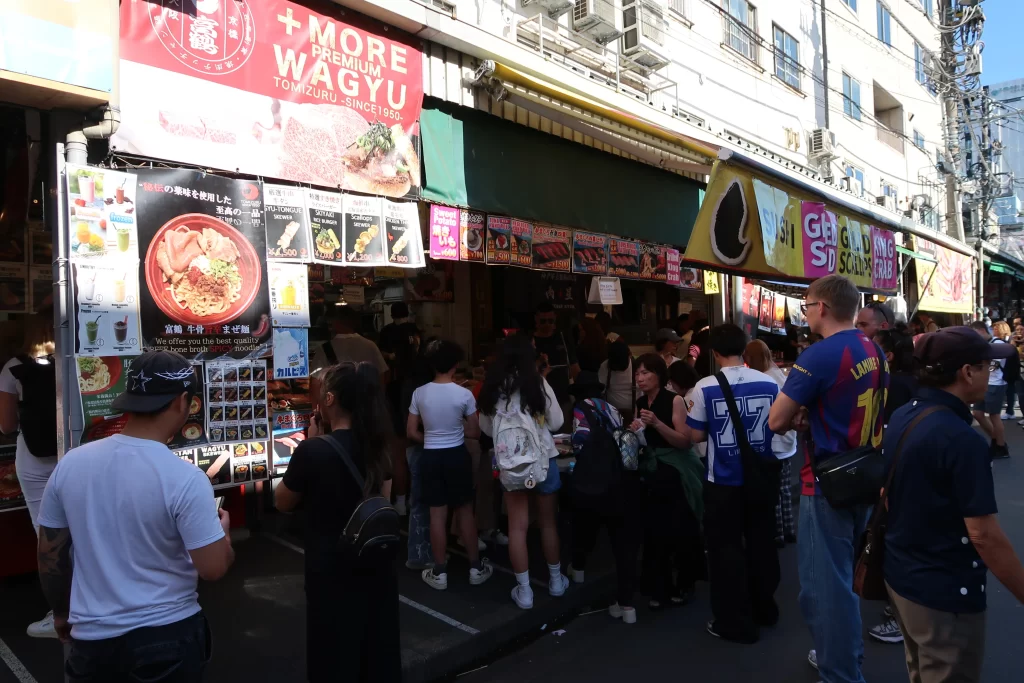
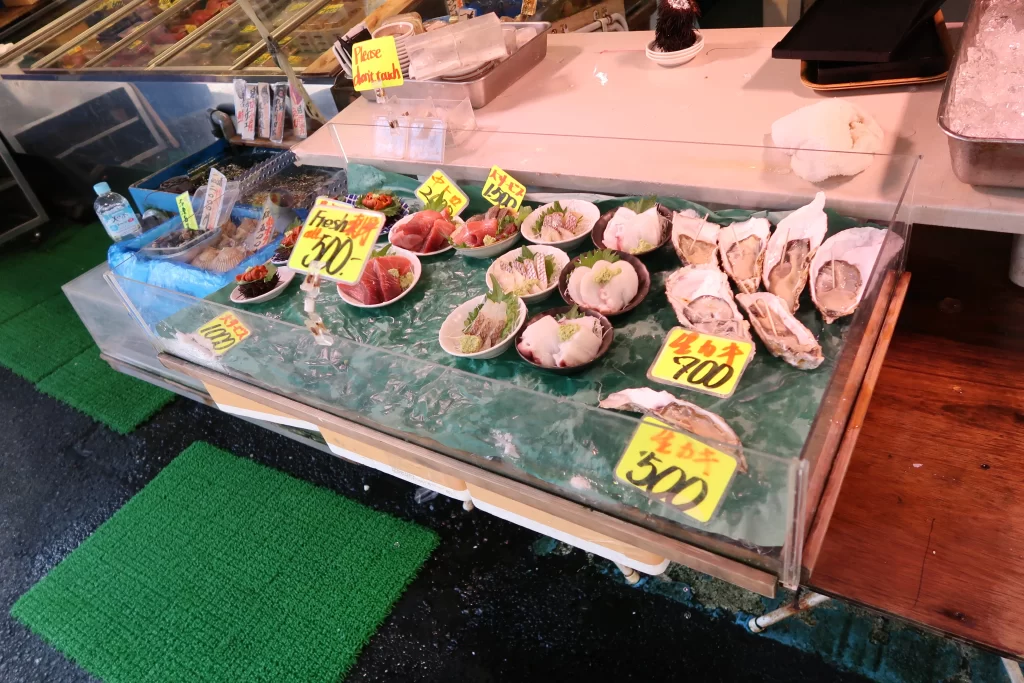
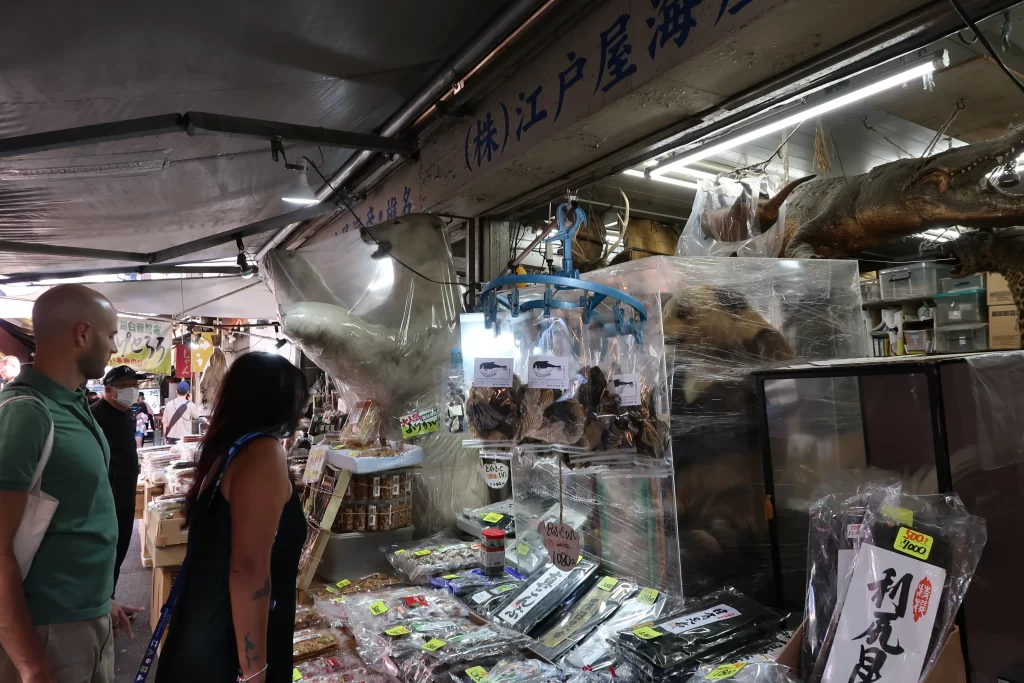
While the wholesale operations have moved to Toyosu Market, the Tsukiji Outer Market remains a vibrant food paradise for both locals and tourists. Narrow streets lined with more than 400 small shops and food stalls sell everything from fresh seafood and dried goods to kitchen knives, ceramics, and condiments. You can watch vendors preparing fish, sample freshly grilled scallops or oysters, and enjoy sushi made from the morning’s catch. The atmosphere is lively and welcoming, filled with the sounds of vendors calling out and the smell of delicious street food.
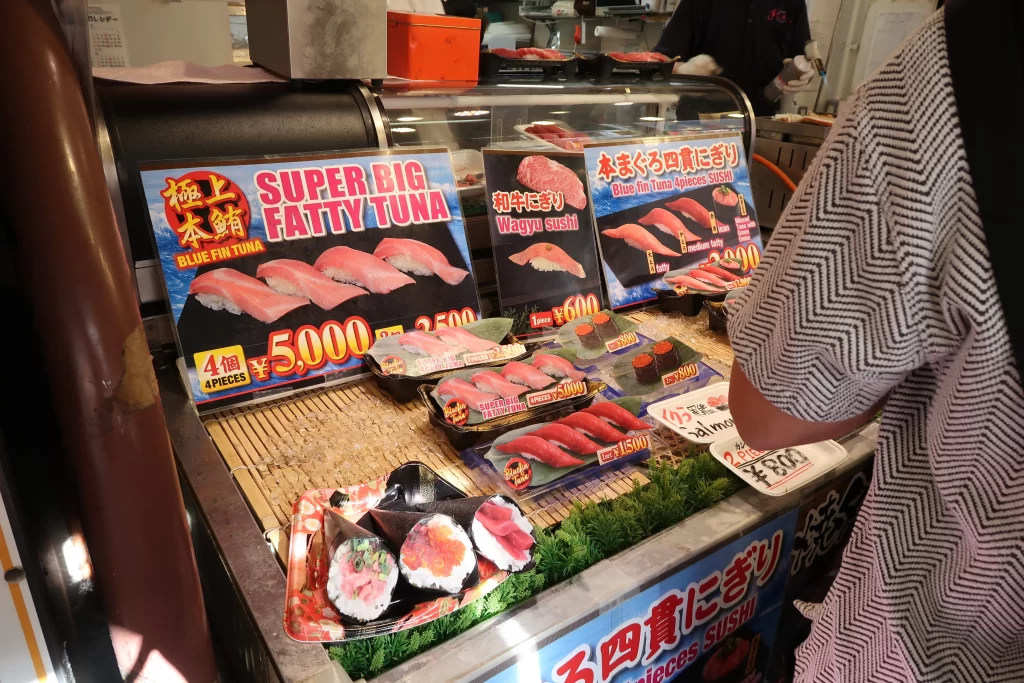
One of the best ways to experience Tsukiji is to eat your way through the market. Sushi restaurants here often use ingredients sourced directly from the market, ensuring top freshness. In addition to sushi, you can try tamago-yaki (sweet rolled omelet), unagi (grilled eel), or a comforting bowl of miso soup with clams. Some stalls offer small tastings, so visitors can sample a wide variety of flavors while walking through the streets.
Tsukiji also reflects the spirit of Japanese craftsmanship and hospitality. Many family-run shops have been in business for generations, each specializing in a particular item—such as Japanese knives, seaweed, bonito flakes, or pickles. The shopkeepers are proud of their products and often take time to explain their history or how to use them. This personal connection makes shopping in Tsukiji not just a transaction, but a cultural experience.
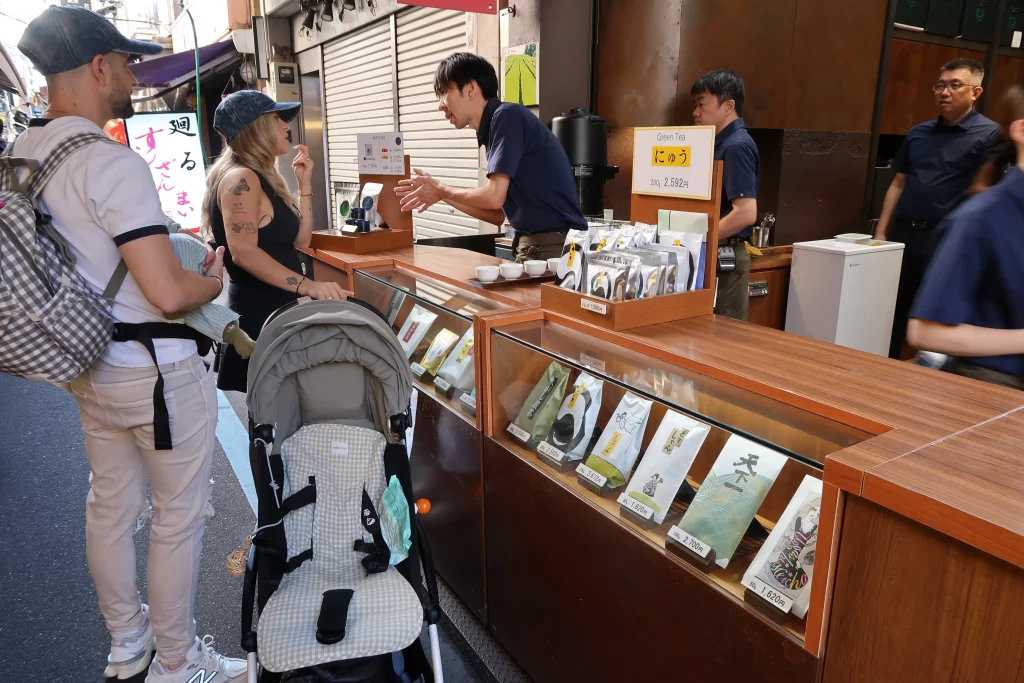
Beyond food, Tsukiji is deeply connected to Tokyo’s daily life and traditions. Nearby stands Tsukiji Hongan-ji Temple, a Buddhist temple with a unique Indian-inspired architectural style. It offers a quiet place for reflection after exploring the busy market. The surrounding area also includes old-style coffee shops and modern cafés, showing how old and new coexist in Tokyo’s ever-changing landscape.
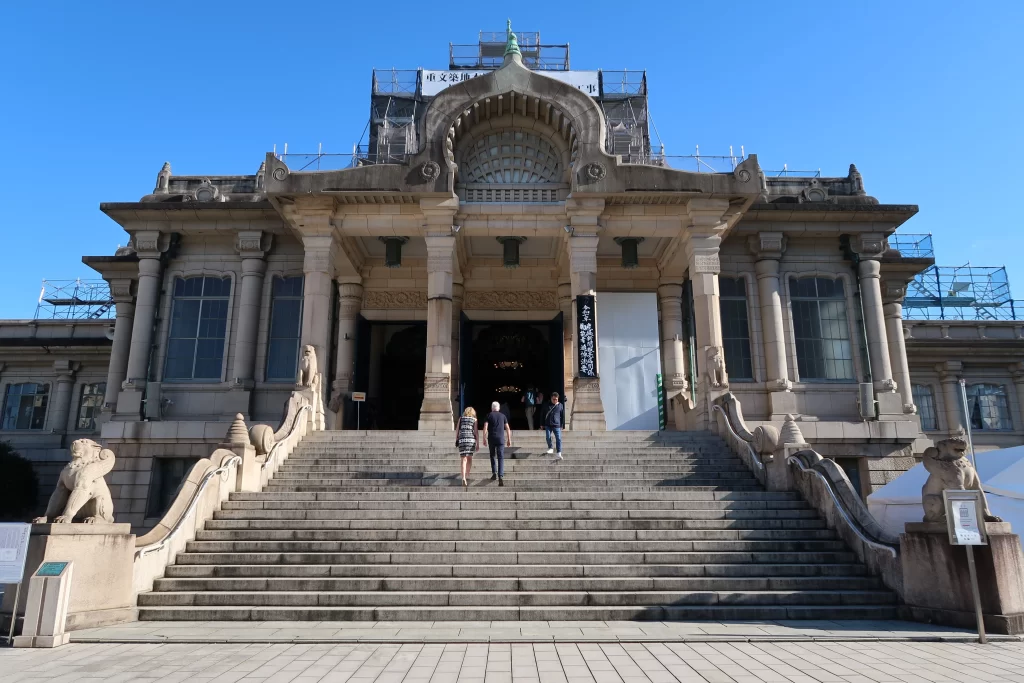
Even though the famous tuna auctions have moved to Toyosu, Tsukiji continues to attract visitors who want to feel the soul of Tokyo’s food culture. It remains a place where tradition meets the present, where the respect for freshness, quality, and craftsmanship can be seen in every dish and every smiling vendor.
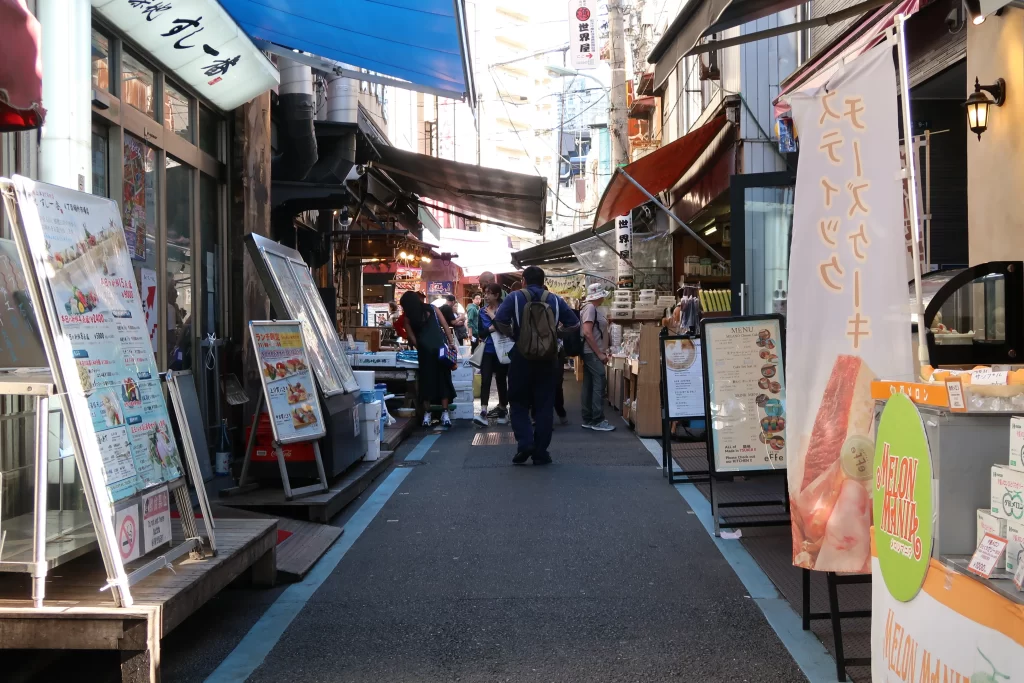
Whether you are a food lover, a photographer, or a curious traveler, a visit to Tsukiji offers more than just a meal—it is a journey into Japan’s culinary heart. The market’s energy, flavors, and people together tell the story of a city that values both history and innovation. Tsukiji may have changed over time, but its essence—the joy of sharing good food—remains unchanged.



No comments yet.