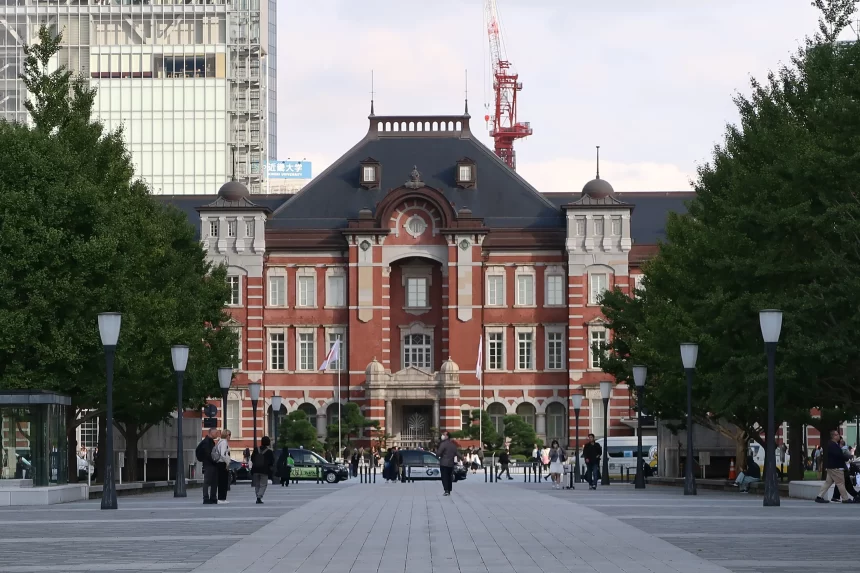
The Tokyo Station area stands as Japan’s most symbolic gateway, where the country’s remarkable journey from feudal isolation to global leadership unfolds before your eyes. At its heart lies Tokyo Station itself, a masterpiece of early 20th-century architecture that has welcomed travelers for over a century.
Designed by Tatsuno Kingo, often called the father of modern Japanese architecture, the station’s iconic red-brick facade tells a story of Japan’s bold embrace of Western influences while maintaining its unique cultural identity. Though damaged during World War II, the station was lovingly restored to its original 1914 grandeur in 2012, standing today as a testament to Japan’s resilience and respect for heritage.
But Tokyo Station is far more than a beautiful building—it’s the beating heart of Japan’s transportation network. As the starting point for the legendary Shinkansen bullet trains and hub for countless local lines, it connects Tokyo to every corner of the nation. With nearly 400 million passengers passing through annually, it ranks among the world’s busiest stations, yet maintains an almost zen-like efficiency that exemplifies Japanese precision.

A Journey Through Time
Tokyo Station’s story mirrors Japan’s own transformation. When construction began in 1908, Japan was rapidly modernizing after centuries of isolation. The station, originally called “Chuo Teishaba” (Central Station), was designed to be more than just a transportation hub—it was a symbol of Japan’s emergence as a modern nation.
The surrounding Marunouchi district earned the nickname “Itcho London” (One-Block London) for its impressive Western-style buildings. Developed by the powerful Mitsubishi conglomerate, this area became Japan’s Wall Street, housing the headquarters of the country’s most influential companies—a role it maintains today.
The station’s six-and-a-half-year construction period culminated in its grand opening on December 20, 1914. Tatsuno’s design brilliantly combined European architectural influences with Japanese aesthetic sensibilities, creating the distinctive “Tatsuno Renaissance” style that would influence Japanese architecture for decades.
Modern Marvels and Timeless Beauty
Today’s Tokyo Station area masterfully balances preservation with progress. The restored Marunouchi building houses the Tokyo Station Gallery, where world-class art exhibitions complement the architectural beauty of the space itself. This fusion of function and culture embodies the Japanese concept of finding beauty in everyday life.
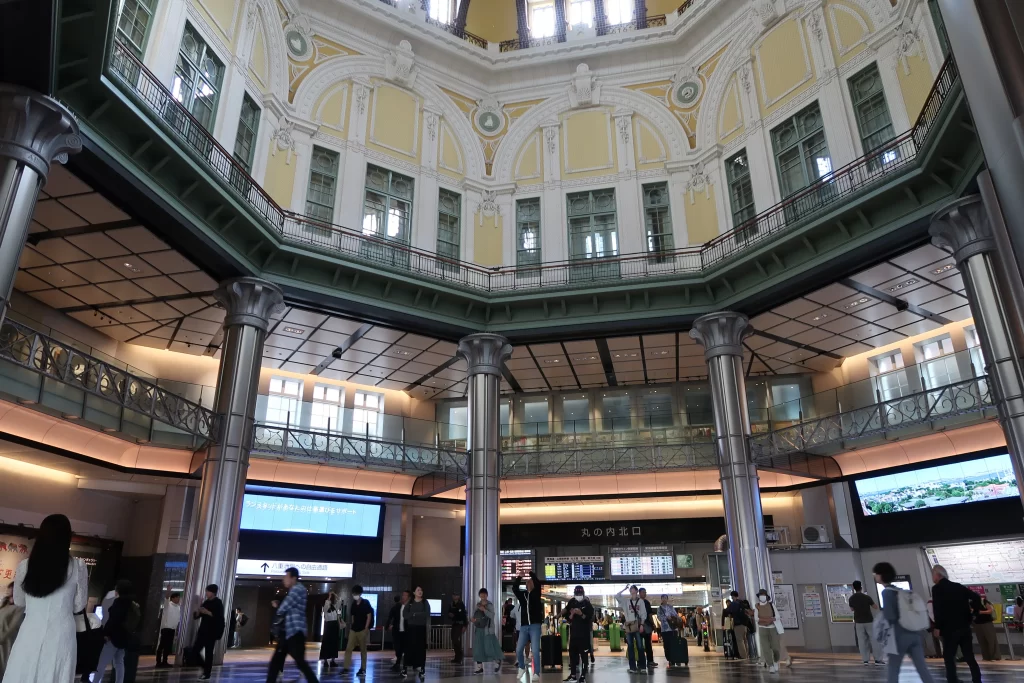
The Yaesu side of the station showcases Tokyo’s forward momentum with gleaming towers like Tokyo Midtown Yaesu (opened in 2022). Below ground, the vast Yaesu Underground Shopping Center (affectionately called “Yaechika”) creates a subterranean city with 180 shops and restaurants, proving that in Tokyo, even underground spaces can be destinations in themselves.
On the Marunouchi side, architectural gems like KITTE (built within the former Central Post Office), Marunouchi Building, and Shin-Marunouchi Building demonstrate how Tokyo honors its past while embracing the future. These spaces don’t just house shops and restaurants—they create experiences that blend commerce with culture, tradition with innovation.

Discovering Hidden Gems
Within walking distance of Tokyo Station, you’ll find some of Tokyo’s most treasured spaces. The Imperial Palace East Gardens offer a serene escape where you can explore the foundations of Edo Castle while enjoying meticulously maintained traditional landscapes that change dramatically with each season.
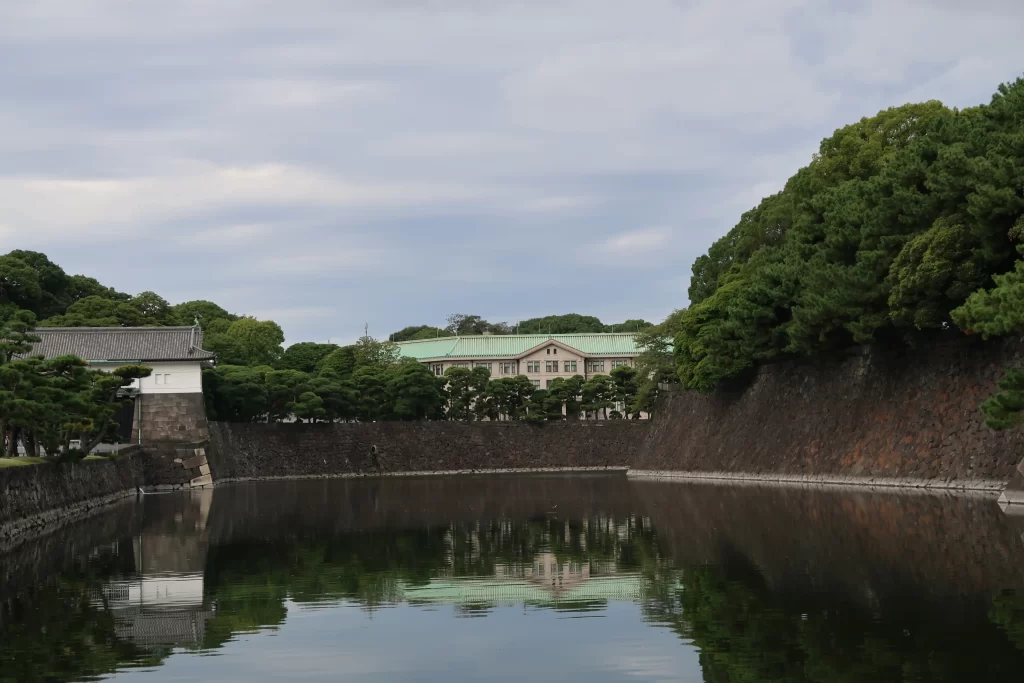
The Mitsubishi Ichigokan Museum, a faithful reconstruction of Japan’s first office building, houses an impressive collection of Western art while serving as a bridge between Japan’s Meiji-era aspirations and its current global cultural presence.
Hibiya Park, Japan’s first Western-style public park, provides a green sanctuary where office workers find respite and visitors can experience how Tokyo balances urban intensity with natural beauty. The park’s outdoor concert venue regularly hosts events that bring together Tokyo’s diverse communities.
A Culinary Universe
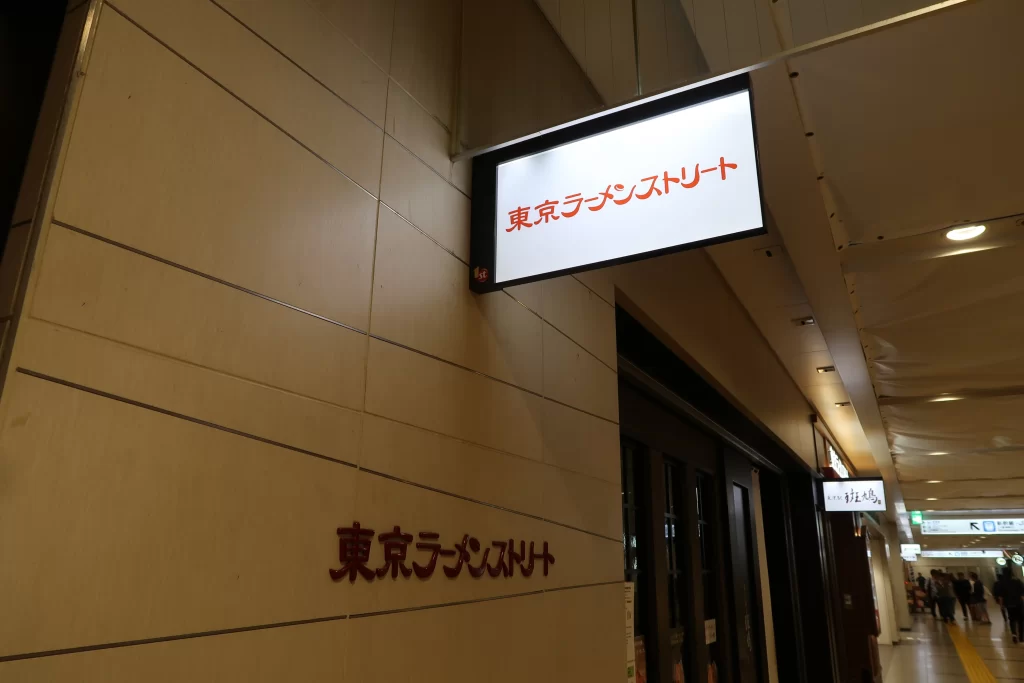
Tokyo Station has evolved into one of the world’s great food destinations. The famous “Tokyo Ramen Street” brings together eight renowned ramen shops, each representing different regional styles—from rich Hokkaido miso to delicate Tokyo shoyu. It’s like taking a culinary tour of Japan without leaving the station.
The “Nippon Gourmet Kaido” showcases regional specialties from across Japan, while the basement levels of surrounding buildings house “depachika”—department store food floors that elevate grocery shopping to an art form. Here, you’ll witness the Japanese dedication to perfection in everything from beautifully wrapped sweets to precisely arranged sushi.
For fine dining, the upper floors of Marunouchi’s towers offer restaurants with stunning city views where master chefs create innovative dishes that honor Japanese traditions while embracing global influences.
Seamless Connections
Tokyo Station’s transportation network is nothing short of miraculous. The Shinkansen platforms serve as launching pads for adventures across Japan—whether you’re heading to ancient Kyoto, snowy Hokkaido, or the Japanese Alps. Local trains connect you to every corner of Tokyo with clockwork precision.
International travelers appreciate the direct connections to both Haneda (30 minutes) and Narita (60 minutes) airports, while the highway bus terminal provides comfortable overland connections to destinations throughout Japan.
When to Visit and How to Explore
Each season brings its own magic to the Tokyo Station area. Spring transforms the Imperial Palace grounds into a pink wonderland during cherry blossom season, while autumn paints the same trees in brilliant reds and golds. Winter brings the famous Marunouchi illuminations, when over 200 trees along Marunouchi Nakadori create a tunnel of light that has become one of Tokyo’s most romantic winter traditions.
For the best experience, start with the station building itself—its architectural details reward close examination. Then venture into the underground shopping areas before emerging to explore the surrounding towers and nearby attractions. If time permits, a stroll through the Imperial Palace East Gardens provides the perfect counterpoint to the urban energy.
The Tokyo Station area embodies everything that makes Tokyo extraordinary: respect for history coupled with enthusiasm for the future, efficiency that doesn’t sacrifice beauty, and the ability to create spaces where millions of people can coexist harmoniously. Here, every visitor becomes part of Tokyo’s ongoing story—a tale of a city that never stops evolving while never forgetting where it came from.



No comments yet.