Travel Tips
We have compiled practical information you should know for a comfortable trip to Japan.
- Sort condition
- Newest first
- Oldest first
- Large number of views
-
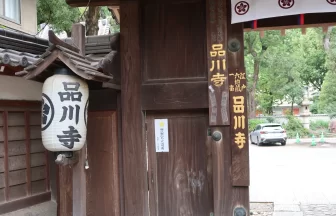
Edo Six Jizo: The 6 Guardian Statues P…
The origin of the Edo Rokujizōson is as follows. Jizō Osho Shōgen, who resided in Fukagawa, Edo (present-day Kōtō War…
-
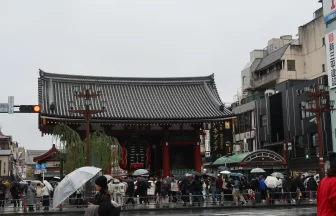
Sightseeing in Tokyo on Rainy Days
Sometimes, even when you've carefully planned your itinerary, it rains. Rather than forcing outdoor sightseeing and g…
-

Walking from Sensoji Temple to Tokyo S…
The weather was nice today, so I visited Sensoji Temple at 8:00 AM. At this hour, tourists were sparse, and even the …
-
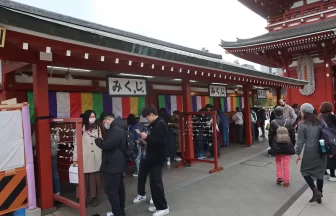
Omikuji – A Traditional Japanese Fortu…
What Is Omikuji?Omikuji are traditional Japanese fortune slips that you can find at many shrines and temples across J…
-
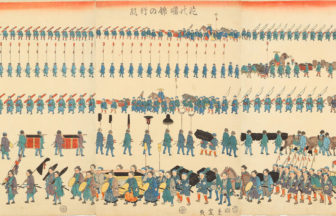
Sankin-kōtai: The Edo System That Cont…
Sankin-kōtai, often translated as the “Alternate Attendance System,” was a unique political institution that defined …
-
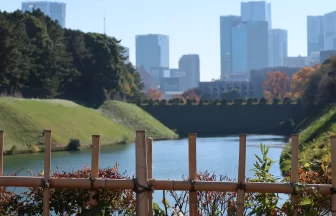
Kokyo Run: A Unique Running Experience…
Running around the Imperial Palace—often called the “Kokyo Run”—is one of the most popular fitness activities in Toky…
-
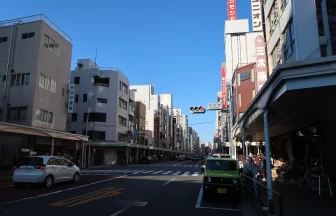
Kappabashi Shopping Street
Located between Asakusa and Ueno, Kappabashi Shopping Street is an 800-meter-long district filled with specialty stor…
-
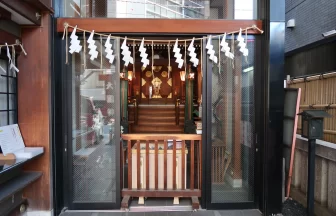
Shichifukujin Meguri
Shichifukujin Meguri, or the Seven Lucky Gods Pilgrimage, is a traditional Japanese custom in which people visit shri…
-
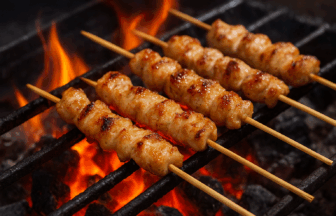
What is “Sumibi”?
Sumibi means charcoal fire in Japanese. It refers to the heat produced by slowly burning natural charcoal. In Japan, …
-
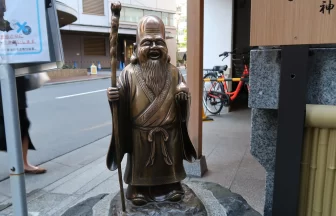
Nihonbashi Seven Lucky Gods Pilgrimage…
The tradition of visiting the Seven Gods of Good Fortune is said to have begun during the Muromachi period. The Murom…