Tsukiji Hongwanji Temple – A Fusion of Faith, Culture, and Architecture
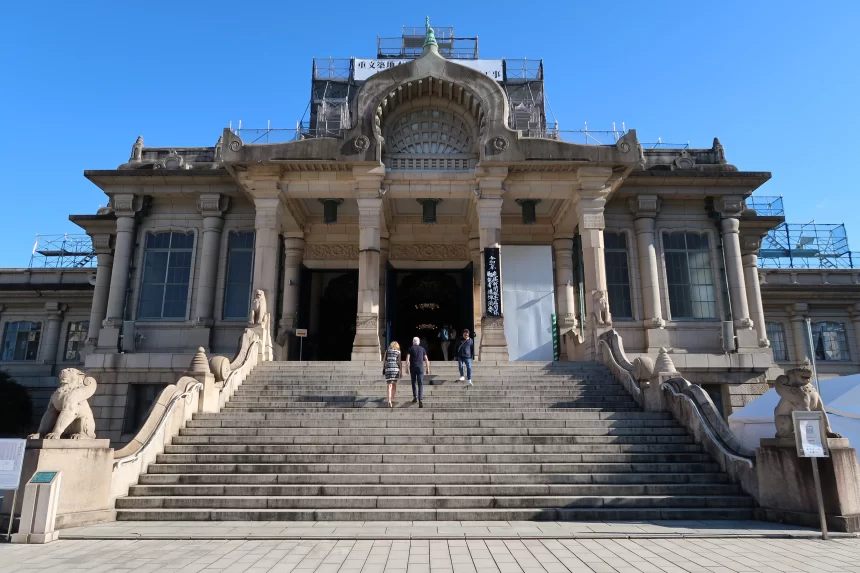
Located just a short walk from Tokyo’s bustling Tsukiji Market, Tsukiji Hongwanji Temple stands as one of the most unique and fascinating Buddhist temples in Japan. Unlike the traditional wooden temples seen throughout the country, Tsukiji Hongwanji immediately captures attention with its striking stone exterior, inspired by ancient Indian and Southeast Asian architecture. It is a place where history, spirituality, and cultural exchange come together in the heart of modern Tokyo.
A Temple with Deep Roots
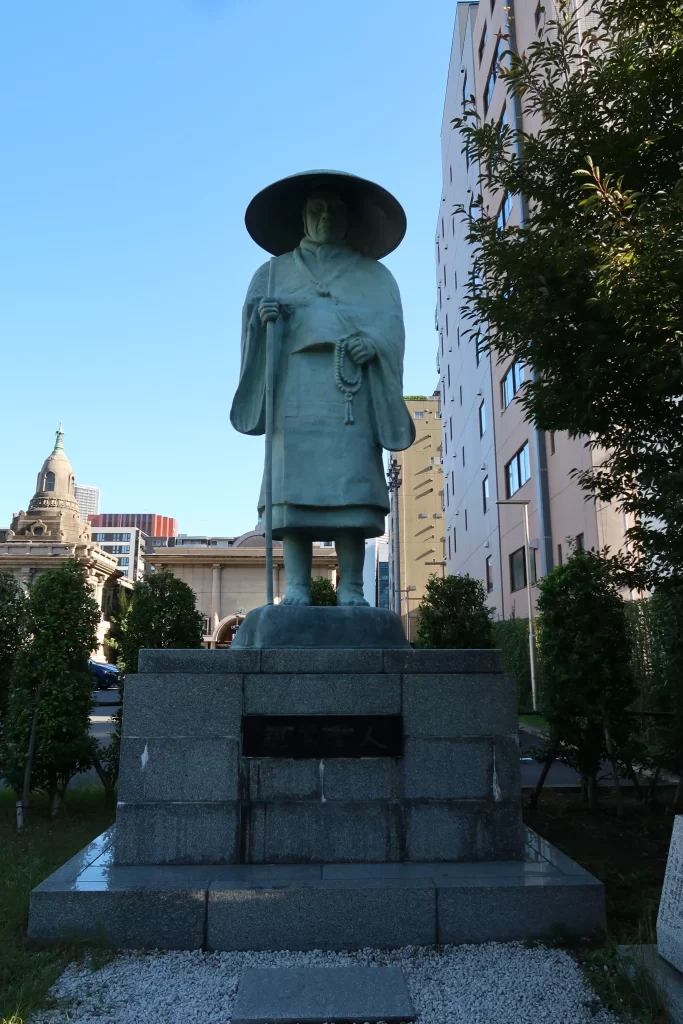
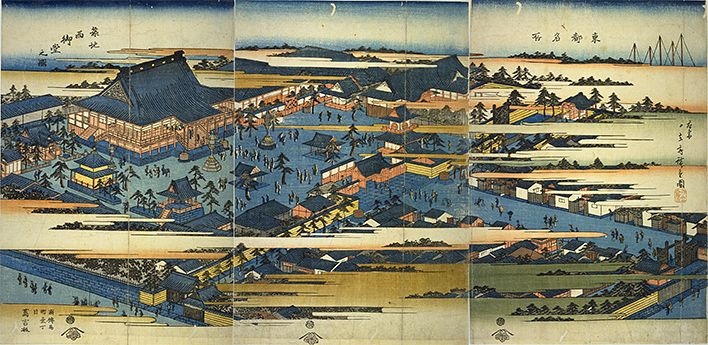
Tsukiji Hongwanji is affiliated with the Jodo Shinshu (True Pure Land) sect of Buddhism, one of Japan’s largest Buddhist traditions, founded by Shinran Shonin in the 13th century. The temple’s origin dates back to 1617, during the early Edo period, when it was first established in the Asakusa area as “Edo Asakusa Gobo,” a branch of Nishi Hongwanji Temple in Kyoto. Unfortunately, in 1657, the Great Fire of Meireki destroyed much of Edo, including the temple.
At that time, the Tokugawa shogunate provided new land for reconstruction along the coast — an area that had to be filled in from the sea. The name “Tsukiji” literally means “reclaimed land,” reflecting the effort of people who created land from the ocean to rebuild the temple. Thus, the temple came to be known as Tsukiji Hongwanji.
Architectural Wonder: Blending East and West
The present-day main hall (hondo) of Tsukiji Hongwanji was completed in 1934 after the original wooden structure was again lost in the Great Kanto Earthquake of 1923. The reconstruction was led by Dr. Ito Chuta, one of Japan’s most celebrated architects, known for his pioneering work in merging Eastern and Western design principles.
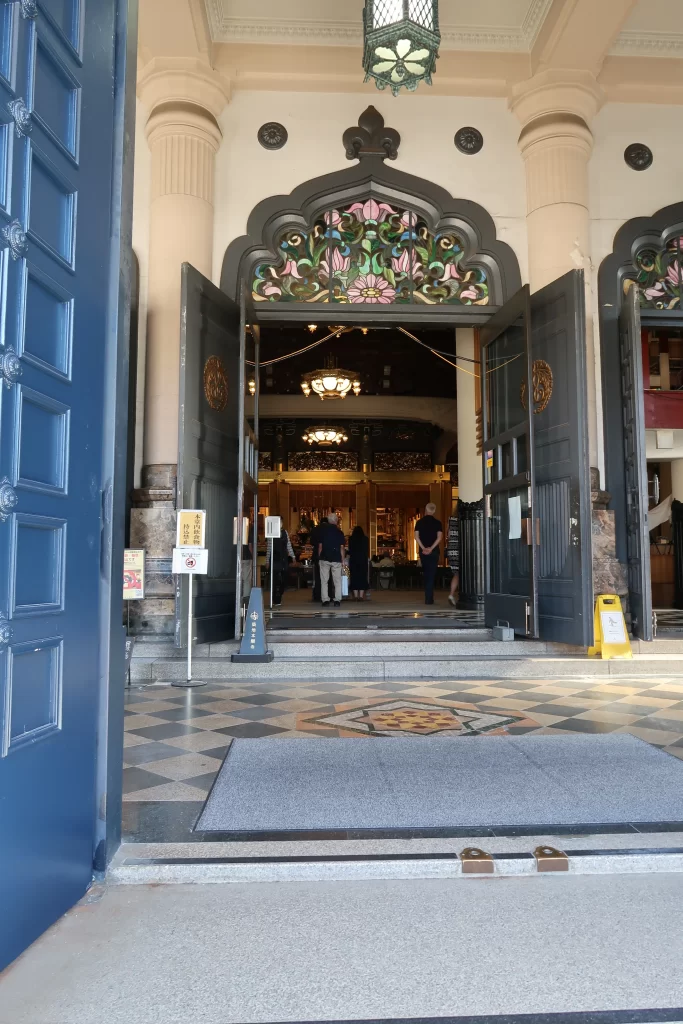
Dr. Ito drew inspiration from ancient Buddhist architecture found in India and other parts of Asia, blending those motifs with traditional Japanese elements. The result is a truly one-of-a-kind structure — a temple that looks almost like an ancient stone palace or a monument from a distant land. The main gate and the hall feature intricate carvings, lotus motifs, and stained glass, symbolizing the universality of Buddhism beyond cultural boundaries.
The main sanctuary is built entirely of reinforced concrete, making it one of Japan’s earliest examples of such architecture applied to a temple. Its interior is equally impressive — a spacious hall illuminated by soft light filtering through stained-glass windows, with a majestic golden altar (naijin) at the center. Visitors are often surprised by how modern yet spiritual the atmosphere feels.
Spiritual Significance and Open Spirit
As a temple of the Jodo Shinshu sect, Tsukiji Hongwanji is dedicated to the teachings of Amida Buddha, who vows to bring all beings to enlightenment through faith and compassion. Unlike some temples where visitors may feel distant from religious practice, Tsukiji Hongwanji welcomes everyone — regardless of nationality, religion, or background. The temple frequently hosts open services, lectures, and concerts, creating a space where spirituality and everyday life coexist.
Morning services are open to the public, and visitors can experience the peaceful rhythm of Buddhist chanting and reflection before the busy Tokyo day begins. English materials and guidance are also available, making it an accessible place for foreign visitors to learn about Japanese Buddhism firsthand.
A Temple for the Community
Tsukiji Hongwanji is not only a religious site but also a cultural and community hub. It holds a wide range of events throughout the year — from Bon Odori festivals and music performances to memorial services for the departed. The temple is known for its openness to modern life while maintaining deep respect for tradition.
One of its recent innovations is the Tsukiji Hongwanji Café “Tsumugi”, located within the temple grounds. This elegant café serves dishes inspired by Buddhist vegetarian cuisine (shojin ryori) as well as modern Japanese-style meals. The popular “18-dish breakfast” offers a healthy and beautifully arranged selection of small plates, reflecting the spirit of mindfulness and gratitude central to Buddhism.
In addition, the Information Center provides multilingual support and educational displays about Buddhism, temple history, and architecture. The temple’s bookstore and gift shop sell books and souvenirs that deepen understanding of Buddhist culture.
Connection with Tsukiji Market
Because of its location, Tsukiji Hongwanji has long been closely connected with the nearby Tsukiji Fish Market, one of the world’s largest and most famous seafood markets. For decades, early-morning workers, merchants, and chefs from the market have visited the temple to pray for good business and safe work. Even after the main wholesale market moved to Toyosu, Tsukiji remains a lively district filled with restaurants and shops, and the temple continues to be a beloved landmark for locals and visitors alike.
A Symbol of Resilience and Renewal
Tsukiji Hongwanji’s history reflects the resilience of Tokyo itself. Destroyed by fire, rebuilt on reclaimed land, and reconstructed after an earthquake — it has endured and evolved with the city. Its architectural design represents not only the fusion of cultural influences but also the Buddhist idea of impermanence and rebirth.
The temple’s mission goes beyond preserving tradition; it seeks to provide comfort, understanding, and connection in an increasingly complex world. Through art, architecture, and open-hearted hospitality, Tsukiji Hongwanji invites people of all walks of life to pause, reflect, and rediscover peace within.
Visiting Tsukiji Hongwanji
The temple is open daily and free to enter. It’s just a one-minute walk from Tsukiji Station on the Tokyo Metro Hibiya Line or about ten minutes from Ginza. Visitors can freely explore the grounds, view the main hall, and even join morning services. Photography is generally allowed except near the altar during services, and respectful behavior is encouraged.
Whether you come to admire its architecture, learn about Buddhism, or simply find a moment of calm amid Tokyo’s energy, Tsukiji Hongwanji Temple offers an experience that beautifully connects the past, present, and future.
In essence, Tsukiji Hongwanji is more than a temple — it is a living symbol of harmony between tradition and innovation, faith and openness, Japan and the world. Its presence reminds all who visit that spirituality can take many forms, and that beauty and wisdom often emerge from embracing diversity.
National Diet Library Digital Collection



No comments yet.