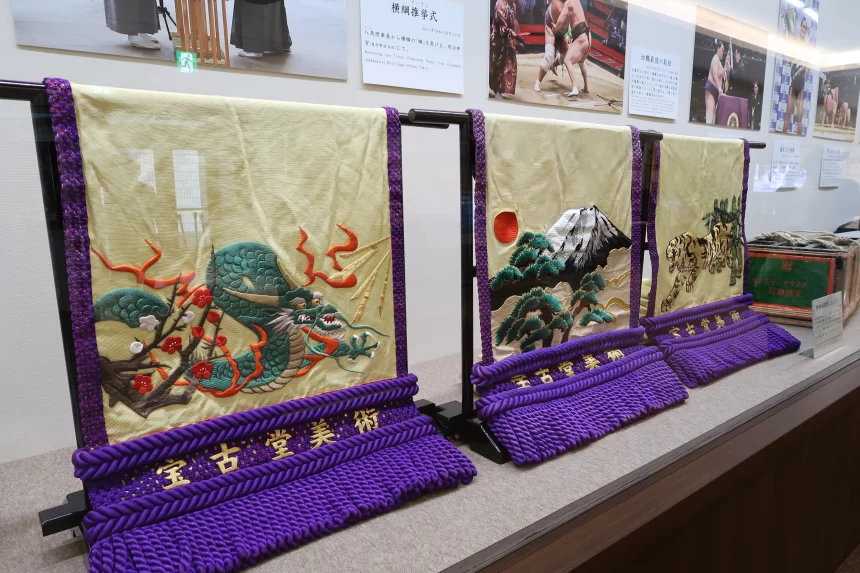
Located within the grounds of Tokyo’s iconic Ryogoku Kokugikan arena, the Sumo Museum offers visitors a fascinating glimpse into the history and culture of Japan’s national sport—sumo wrestling. This compact yet rich museum preserves and exhibits a wide range of artifacts that reveal the deep traditions, spiritual aspects, and evolution of sumo from ancient ritual to modern professional sport.
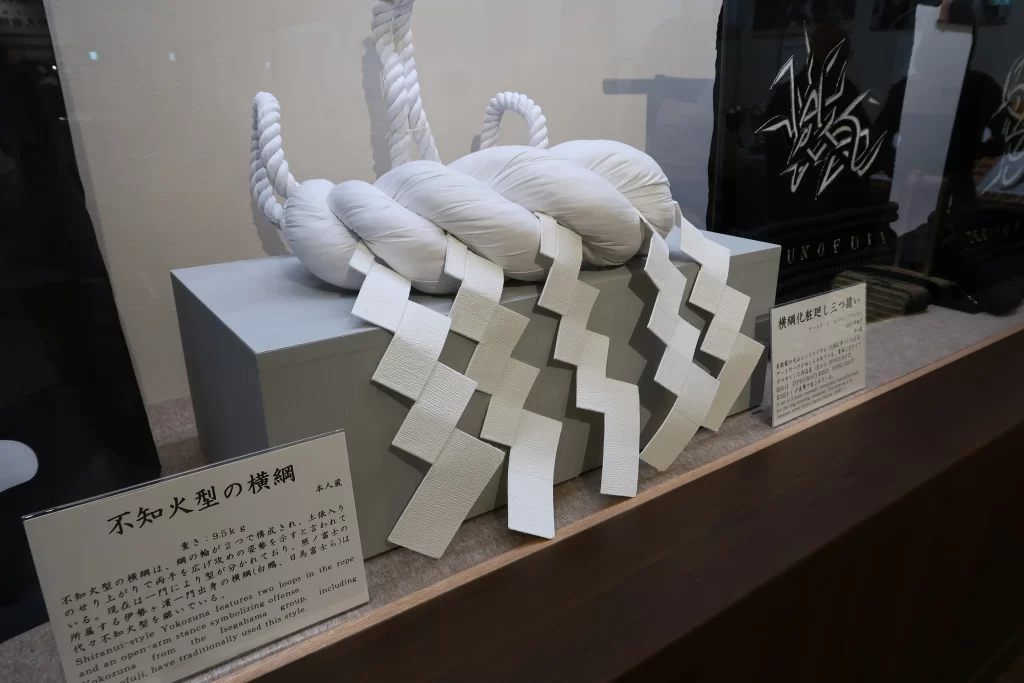
Sumo has a history of over 1,500 years, originating as a sacred performance dedicated to the Shinto gods to ensure good harvests and prosperity. Over time, it developed into a spectator sport enjoyed by samurai and the public alike. The Sumo Museum helps visitors trace this journey through its impressive collection of historical materials, including colorful woodblock prints (ukiyo-e) depicting famous wrestlers, ceremonial aprons known as kesho-mawashi, tournament posters, ranking charts (banzuke), and personal items belonging to legendary rikishi (sumo wrestlers).
One of the highlights of the museum is its close connection to the Ryogoku Kokugikan, the main arena for professional sumo tournaments in Tokyo. During the Grand Sumo Tournaments held three times a year, visitors can easily combine a trip to the museum with watching a live match. The museum is located just inside the arena’s main entrance, and admission is free, making it an excellent cultural stop for anyone visiting the Ryogoku area.
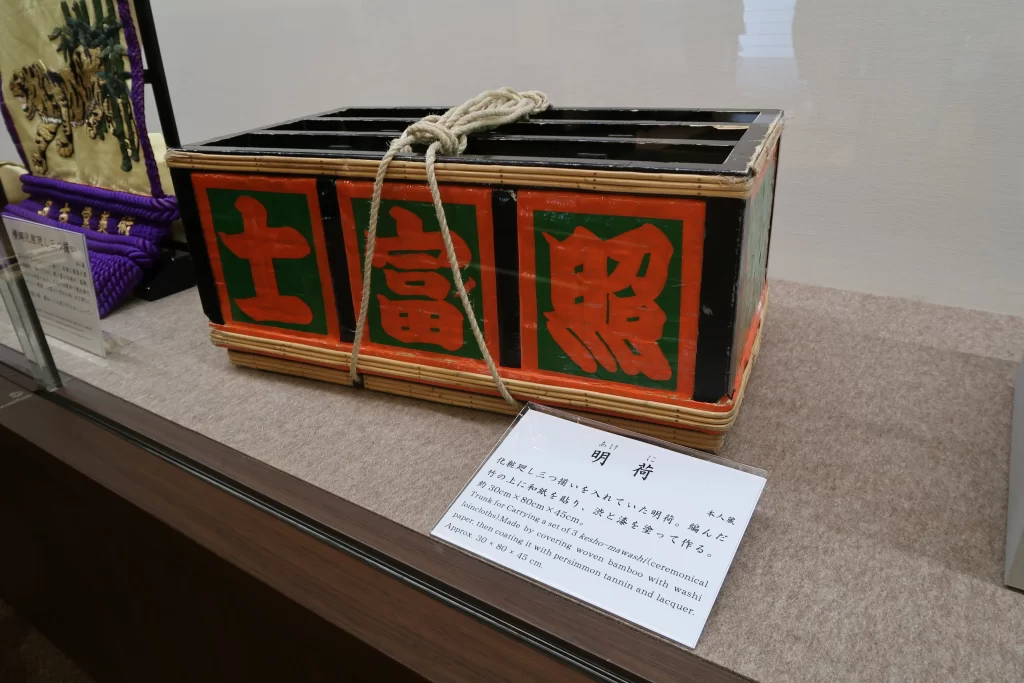
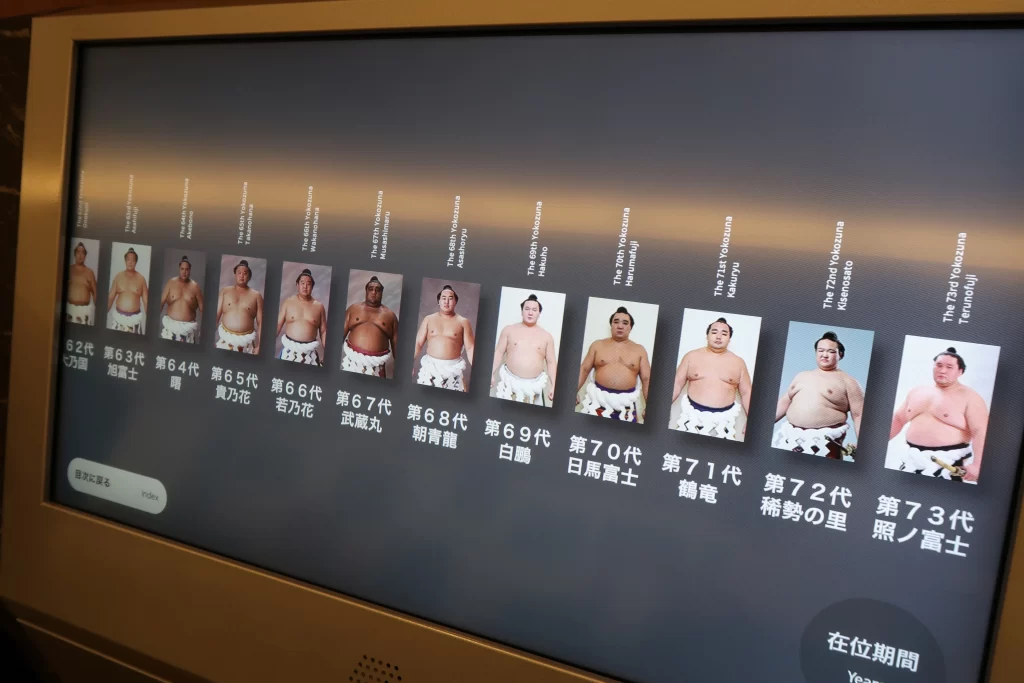
The museum also changes its exhibitions several times a year, each focusing on different themes—such as great champions of the past, regional tournaments, or the artistry of sumo-related prints and costumes. This ensures that even repeat visitors can discover something new each time. English explanations are provided for many exhibits, and the staff are welcoming to international guests, helping make the experience enjoyable and educational for all.
Beyond the exhibits, the museum gives insight into the spiritual and cultural dimensions of sumo. Every match begins with ritual movements, salt purification, and ceremonial clapping to invite the gods’ attention—acts that reflect the sport’s roots in Shinto traditions. Through its displays, the museum shows how these sacred elements coexist with the excitement of modern competition, giving sumo its unique place in Japanese culture.
A visit to the Sumo Museum is more than just an exploration of sports history—it’s an encounter with Japan’s living heritage. Whether you’re a sports fan, a history enthusiast, or simply curious about Japanese culture, the museum provides a perfect introduction to the world of sumo, where strength, tradition, and spirituality come together in one of Japan’s most powerful and enduring cultural expressions.
How to Get to this place
Address:
3 Chome-13-9 Ryogoku, Sumida City, Tokyo
Access:
From Akihabara Station:

Take the Chūō-Sōbu Line(Local) to Ryogoku Station (about 5 minutes). Then walk about 4 minutes.
After discovering Japan’s sumo culture at the Sumo Museum, continue your journey by visiting the Yokozuna Taiho Memorial Corner in Fukagawa Edo Museum to explore the achievements of one of the greatest sumo champions. Then, relax with a walk through the serene Yasuda Garden, just a short distance away.


No comments yet.