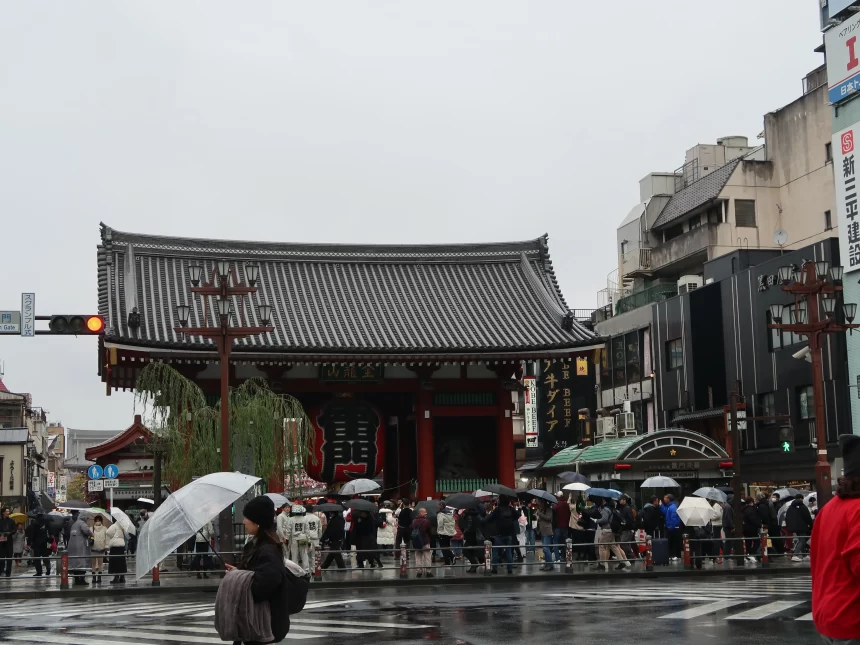
Sometimes, even when you’ve carefully planned your itinerary, it rains. Rather than forcing outdoor sightseeing and getting soaked, which could make you sick, changing your plans to enjoy indoor attractions is another option. For those staying near Tokyo Station, we recommend Tokyo Station Ichiban-gai, located underground at Tokyo Station.
Tokyo Station Ichiban-gai features Ramen Street, where various famous ramen shops gather; Tokyo Character Street, selling Japanese manga and character goods; and Nippon Gourmet Street, where you can enjoy gourmet foods from various regions. Adjacent facilities include the Daimaru department store and Yaechika Underground Shopping Arcade, all connected by underground passages, allowing you to sightsee without getting wet. It’s a great place to take a break during your trip, enjoy Japanese food, or buy souvenirs.
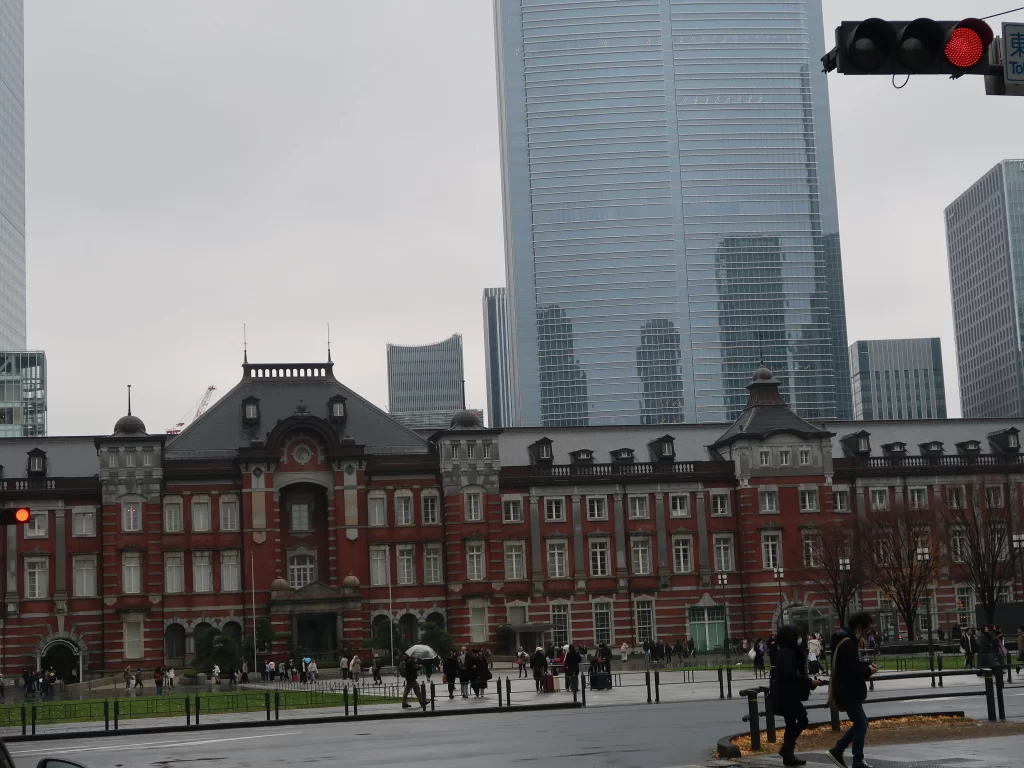
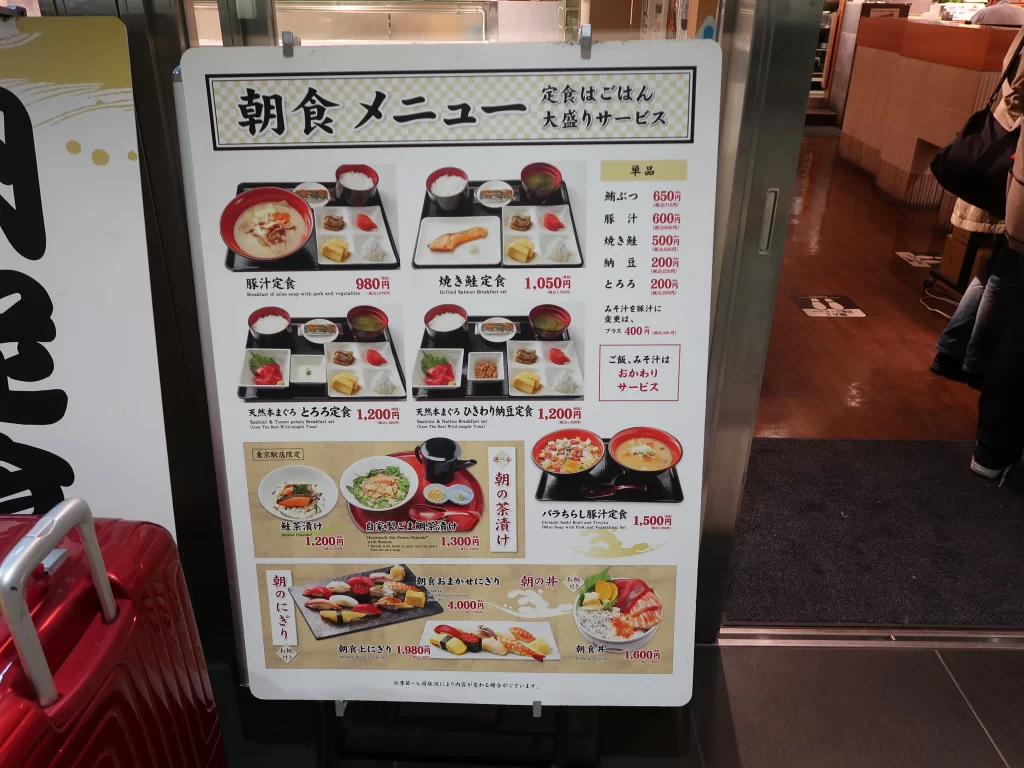
Descending the stairs at Tokyo Station’s Marunouchi North Exit and heading toward Tokyo Ichiban-gai, the first thing that caught my eye was a sushi restaurant offering a morning menu. Beyond sushi, they serve set meals featuring grilled fish, rice, and miso soup—the staples of a Japanese breakfast—as well as a natural bluefin tuna set meal. It was 9:00 AM, but the restaurant was sparsely populated, so I thought it would be a good place to have breakfast.
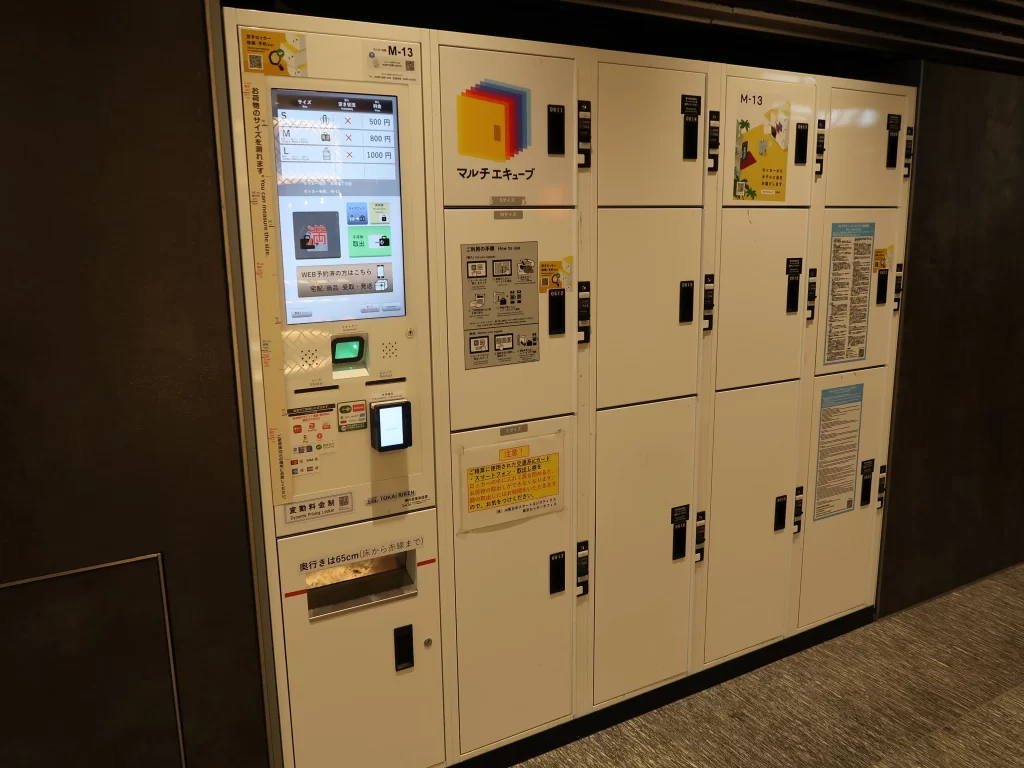
While walking through the underground passageway, you’ll find unattended lockers available. If you have luggage, I recommend storing it in a locker before sightseeing for greater convenience. Credit cards are accepted, making payment very smooth. Prices are set at 500 yen, 800 yen, or 1,000 yen depending on size.
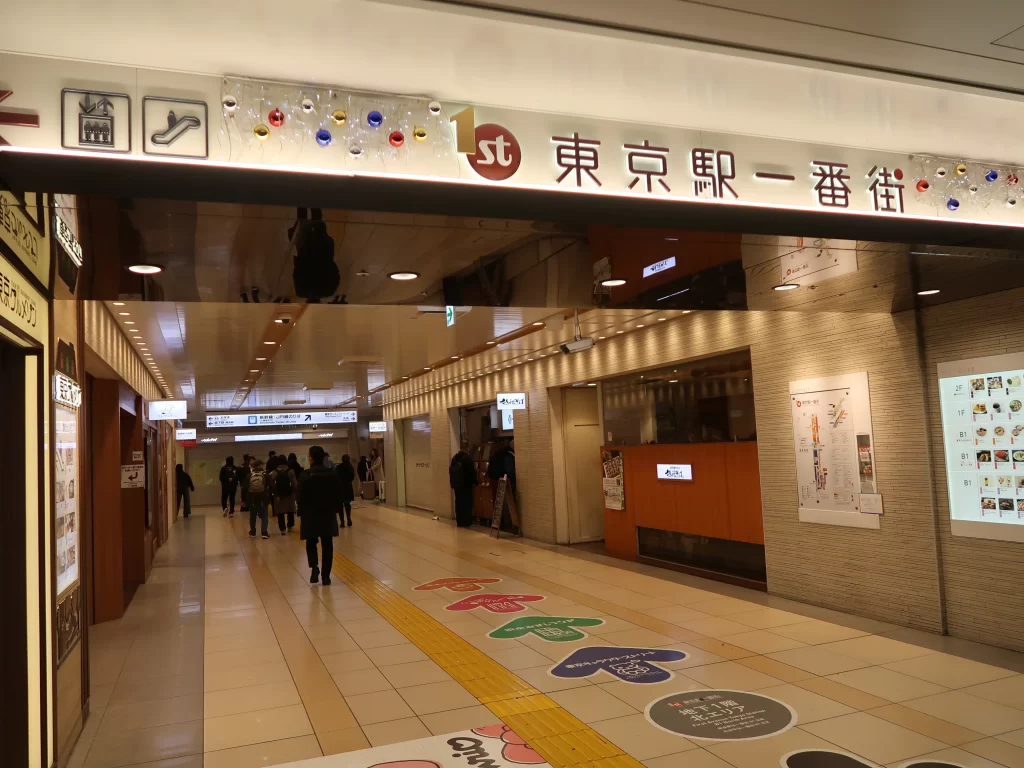
It takes about 2-3 minutes on foot from the Marunouchi North Exit to reach Tokyo Station Ichiban-gai. Representative Japanese eateries like soba noodle shops and rice ball shops are open even in the morning.
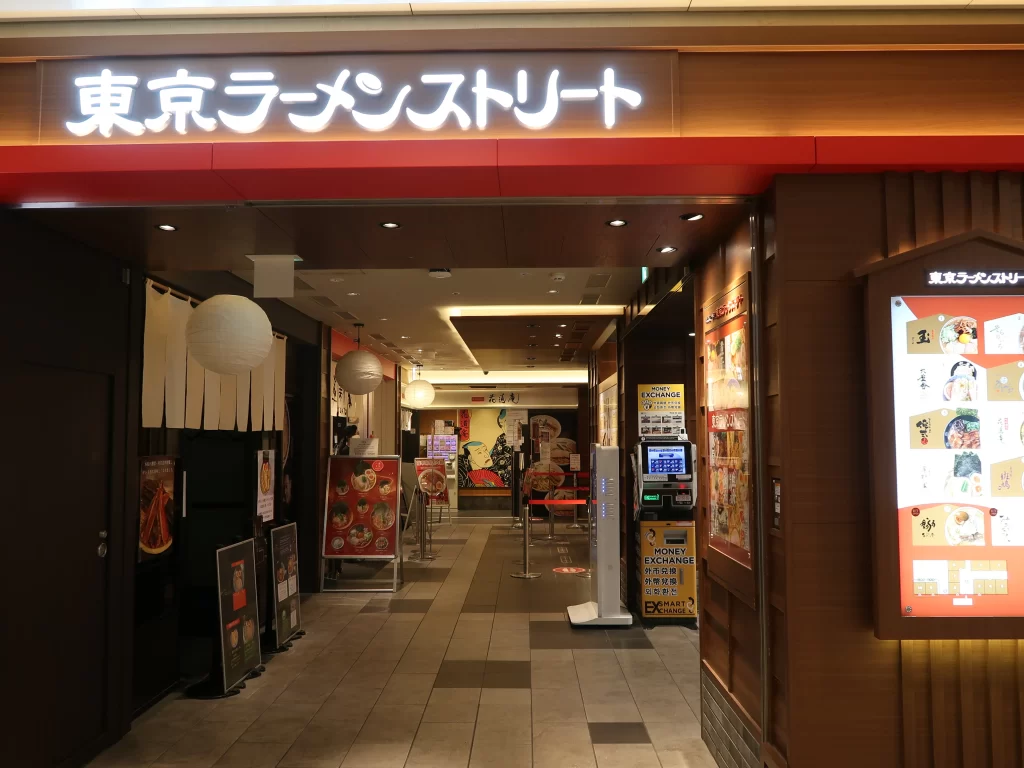
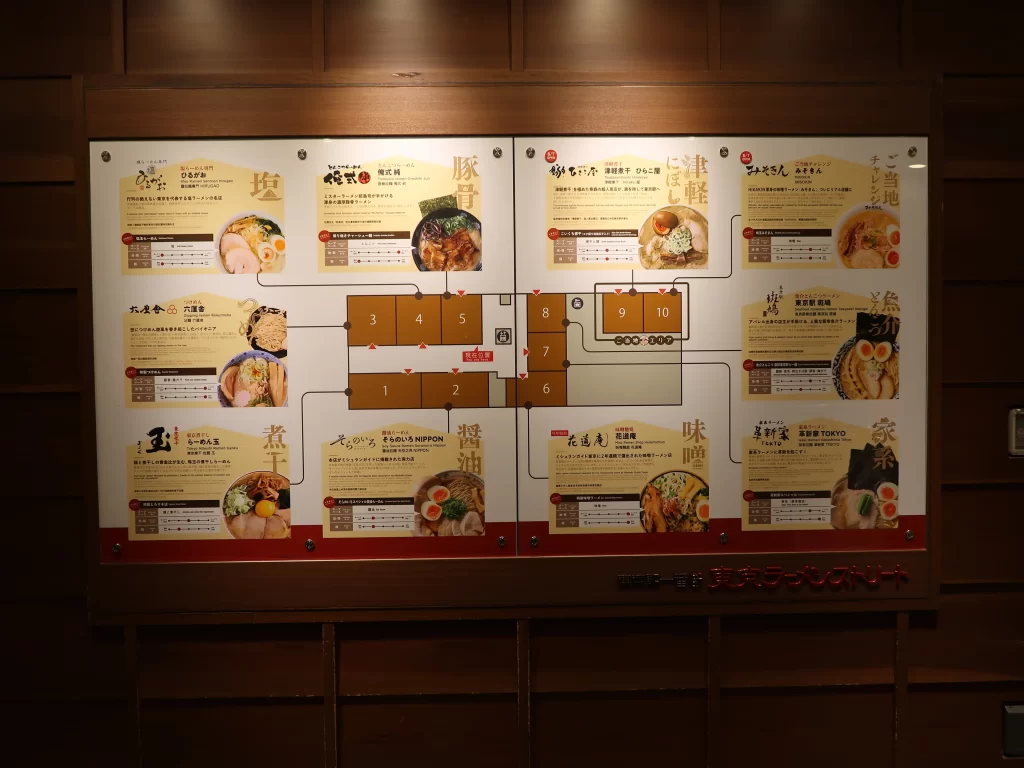
I love morning ramen, so I headed straight to Tokyo Ramen Street to pick out a bowl. The basic ramen broth flavors are soy sauce, salt, miso, and pork bone. Ramen is made by adding noodles to a broth based on these flavors, which is then infused with dashi made from fish, pork bones, chicken, or similar ingredients. Ramen Street features some of Japan’s most famous ramen shops, allowing you to try representative bowls of each flavor. One shop already had a line forming early in the morning, but it was a tsukemen shop. Tsukemen is a type of ramen where you dip the noodles into a separate dipping broth. The noodles and broth are served separately, and you eat the noodles by dipping them into the soup. Since it was morning, I wanted something light, so I had the soy sauce ramen.
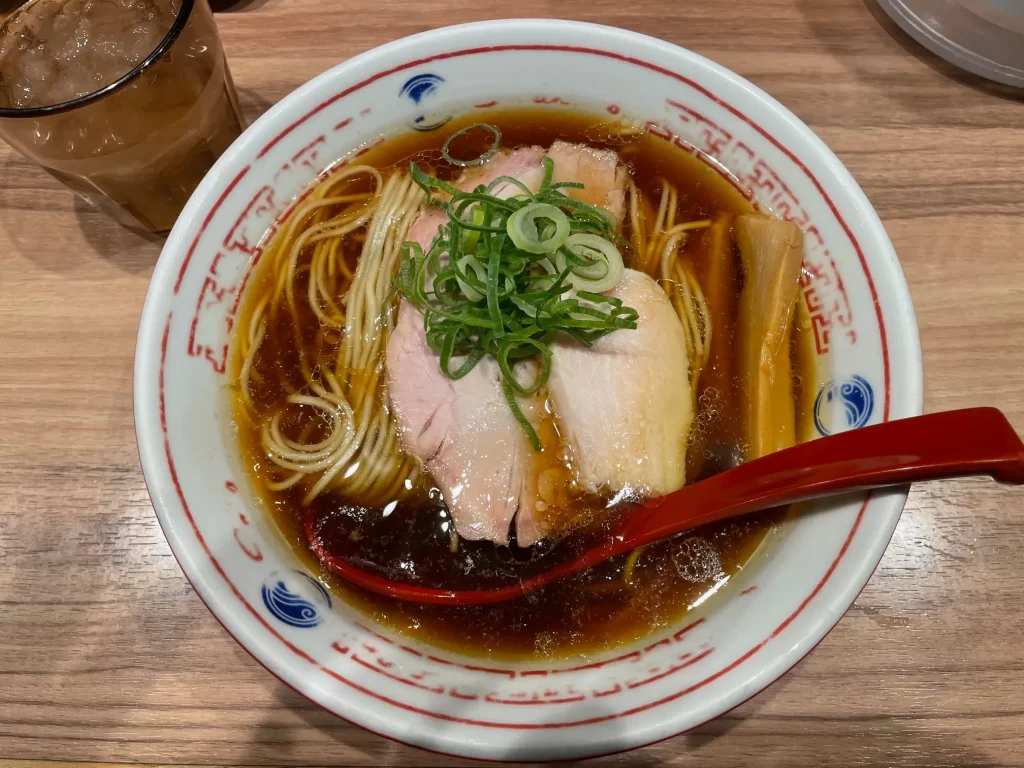
The soy sauce ramen I had this time featured a broth based on soy sauce blended with lard and chicken stock. Topped with green onions, bamboo shoots, and both chicken and pork chashu. For travelers trying ramen for the first time, I recommend starting with soy sauce ramen. Other flavors can have a distinct umami taste that might be unusual for beginners, so I suggest starting with the basic soy sauce ramen and gradually exploring Japan’s unique ramen culture.
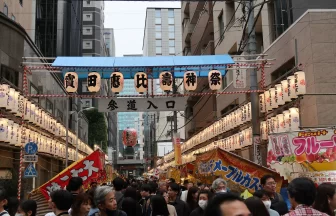
After finishing my ramen, I returned to the main street, where the crowd had grown larger.
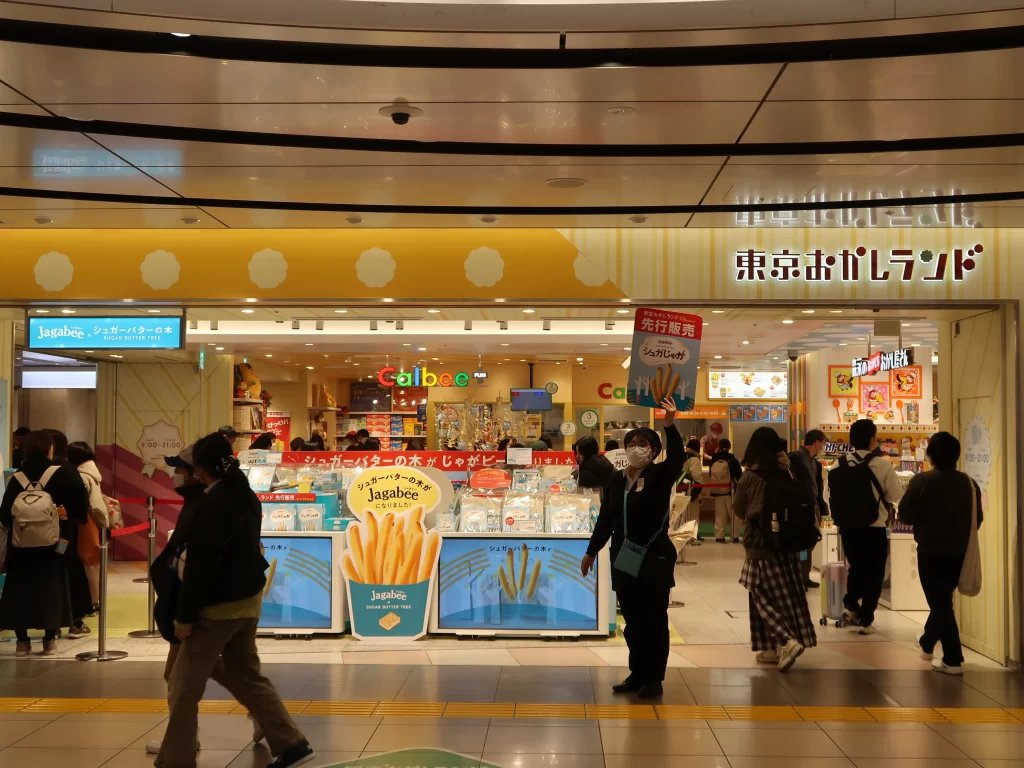
Tokyo Okashi Land features shops from Japan’s leading confectionery companies, allowing visitors to experience Japanese sweets culture.
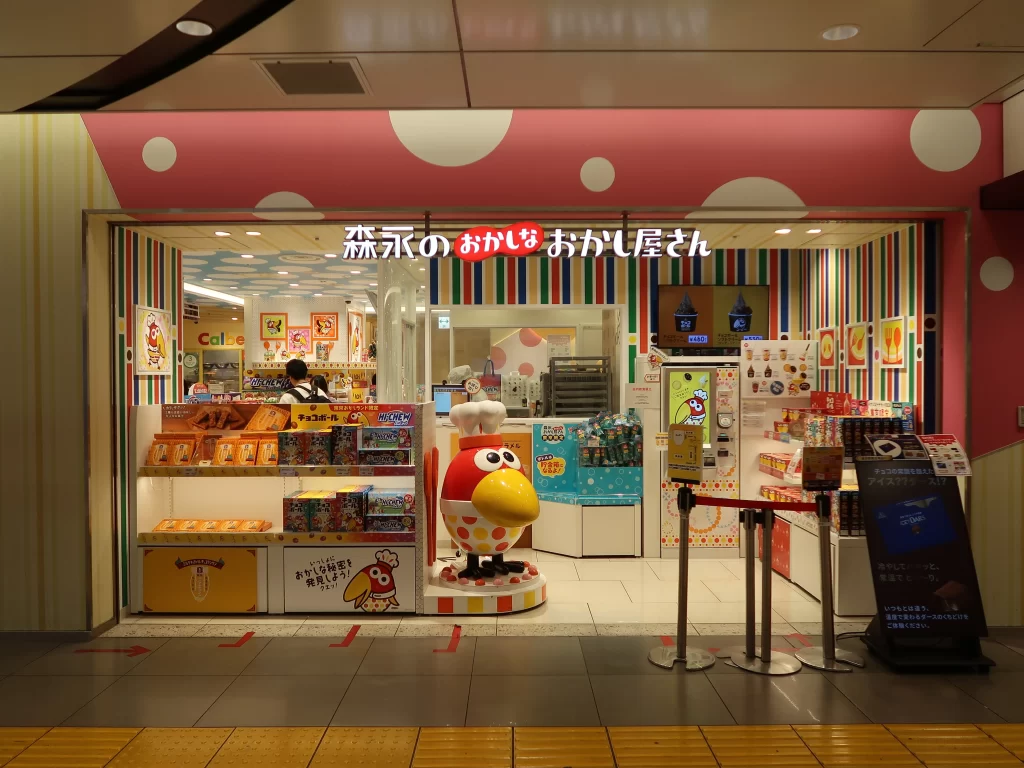
Japanese sweets are incredibly popular among international tourists visiting Japan. So much so that news reports often show travelers filling their suitcases with them. Japanese sweets are truly unique and delicious. Many shops offer eat-in areas where you can enjoy them right there, so be sure to give them a try. It’s also the perfect place to find truly unique souvenirs.
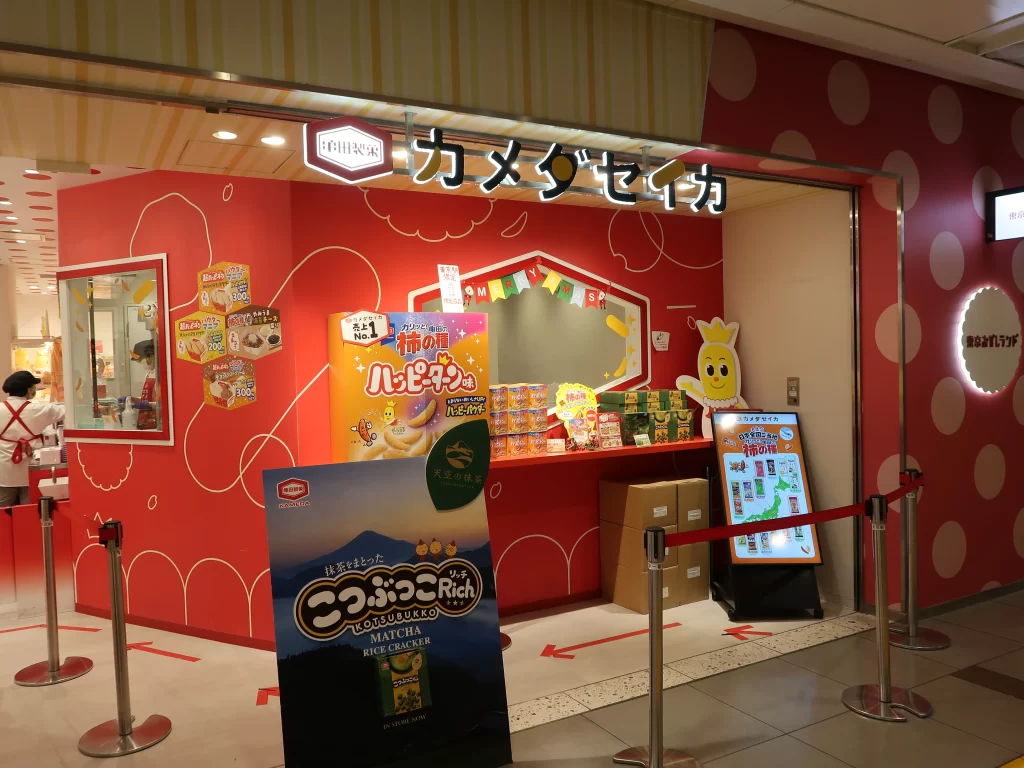
This spot attracts many Japanese tourists visiting Tokyo and has become a place Japanese people themselves want to visit. Looking around, the majority of visitors are Japanese, so I think it’s still a hidden gem not widely known among foreign visitors to Japan.
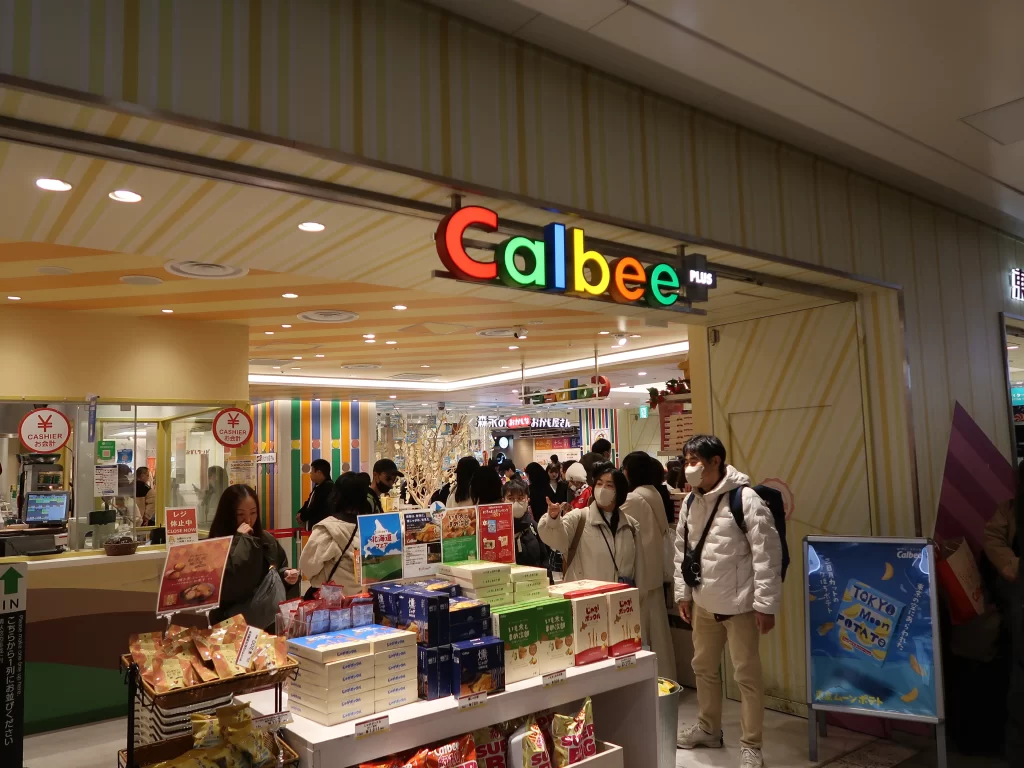

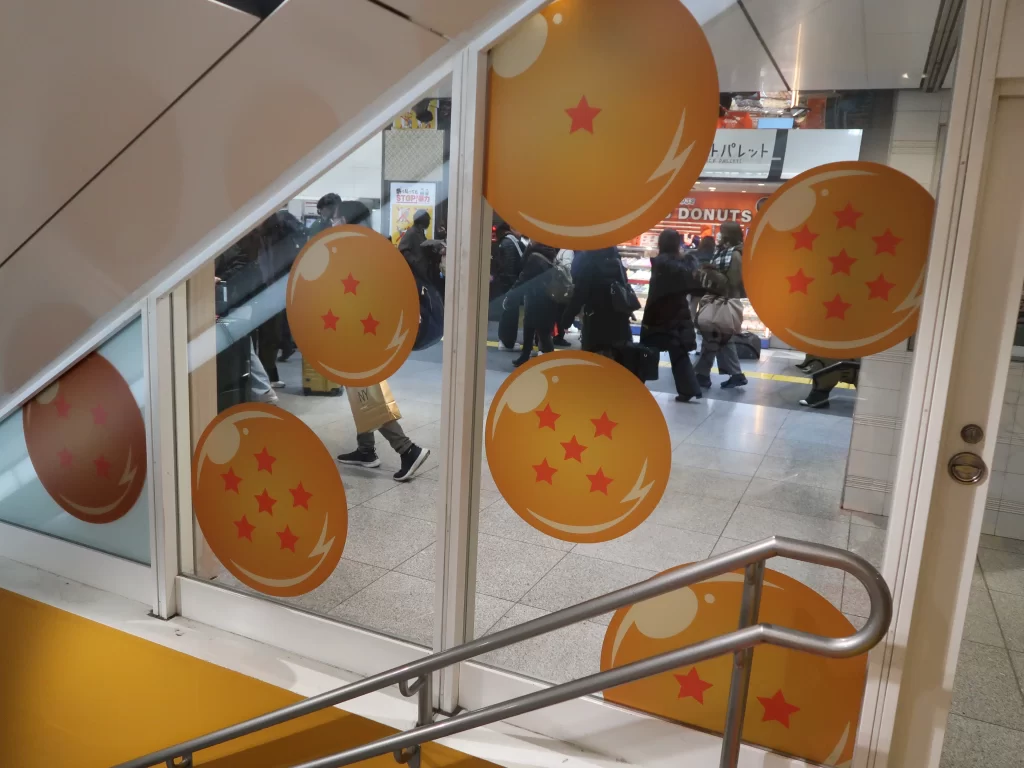
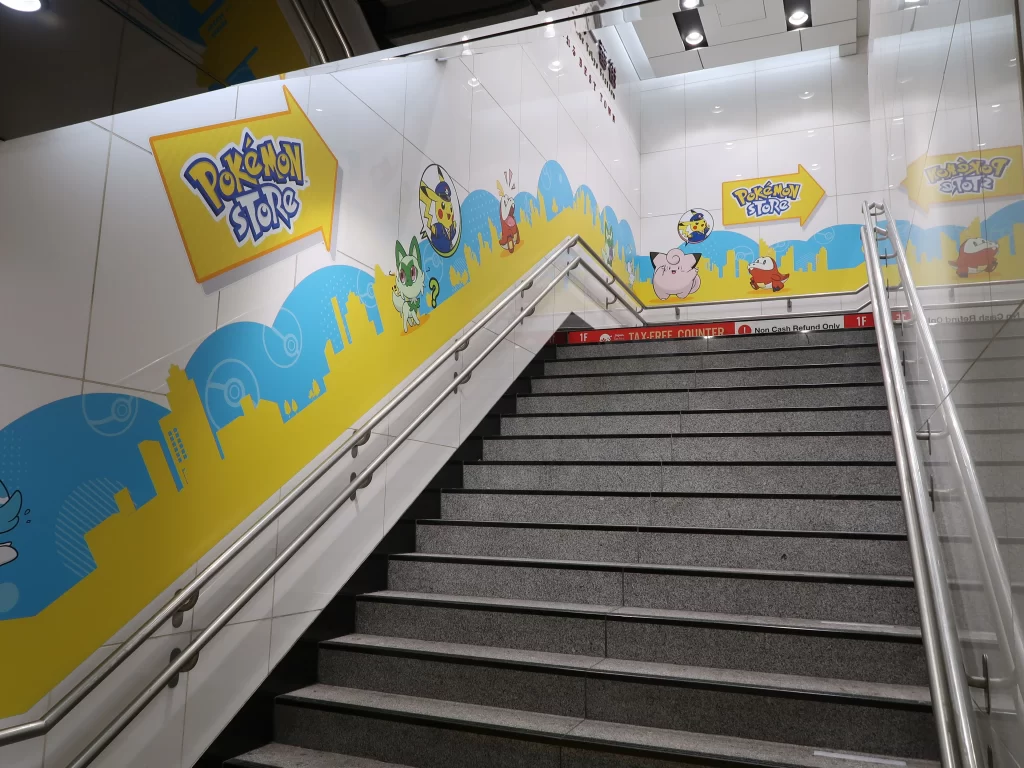

Tokyo Character Street features numerous character shops well-known to travelers. While most stores open at 10:00, it’s also fun to check out the artwork on the shutters of your favorite shops before they open. Dragon Ball and Pokémon are extremely popular, and these two shops had a large space set up after climbing the stairs.
Since I had a little time, I browsed around the souvenir shops nearby.
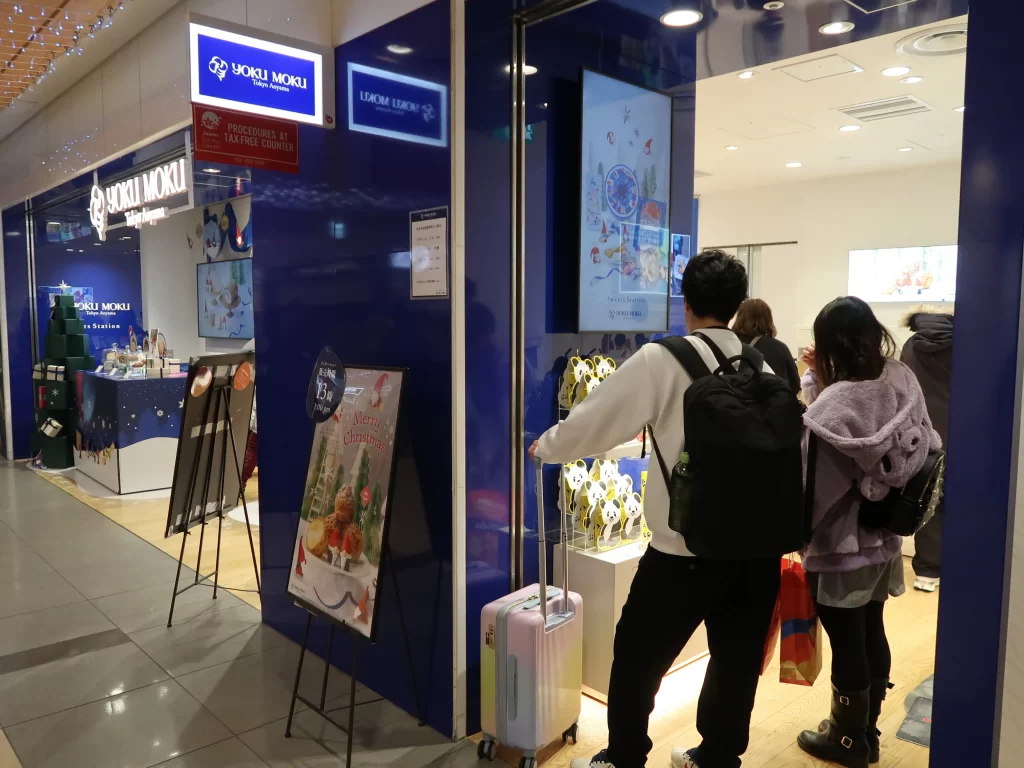
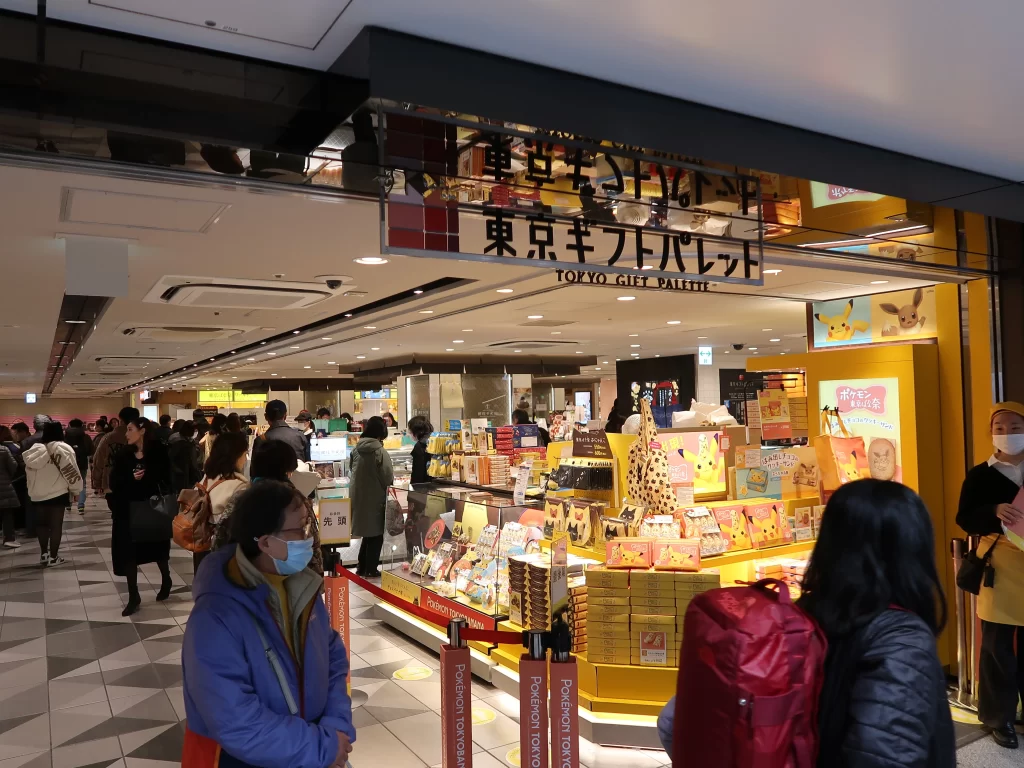
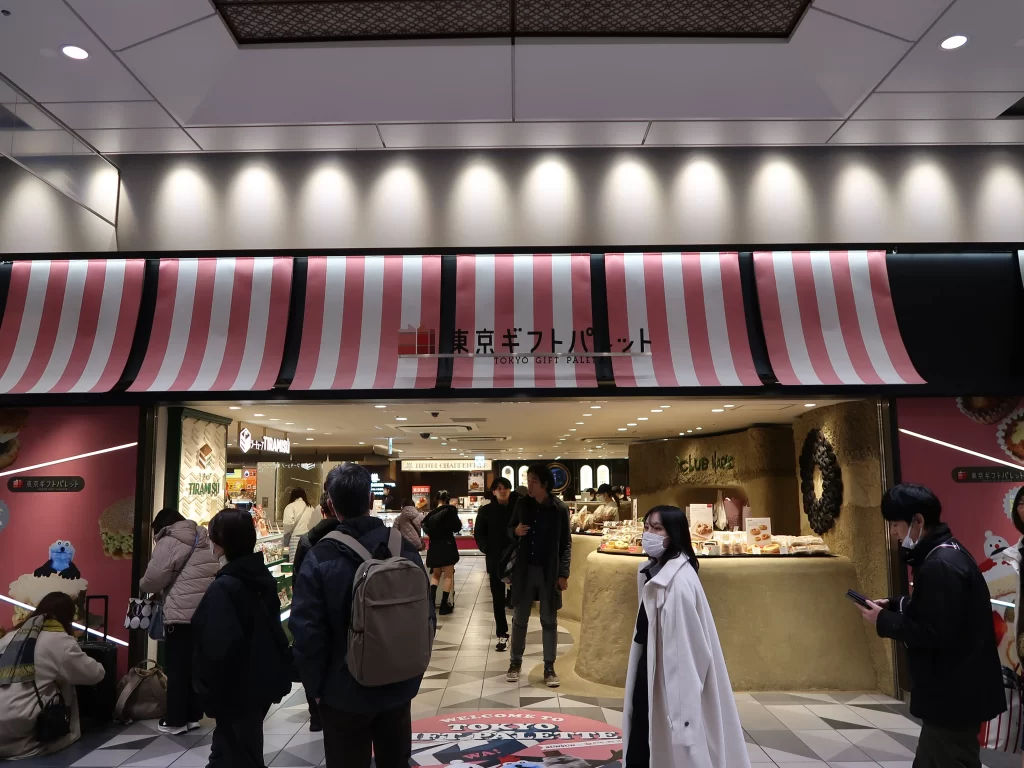
A wide variety of souvenirs are sold here in great abundance, and by coming here, you can purchase souvenirs representing all of Japan.
At 10:00, the shops on Character Street opened.
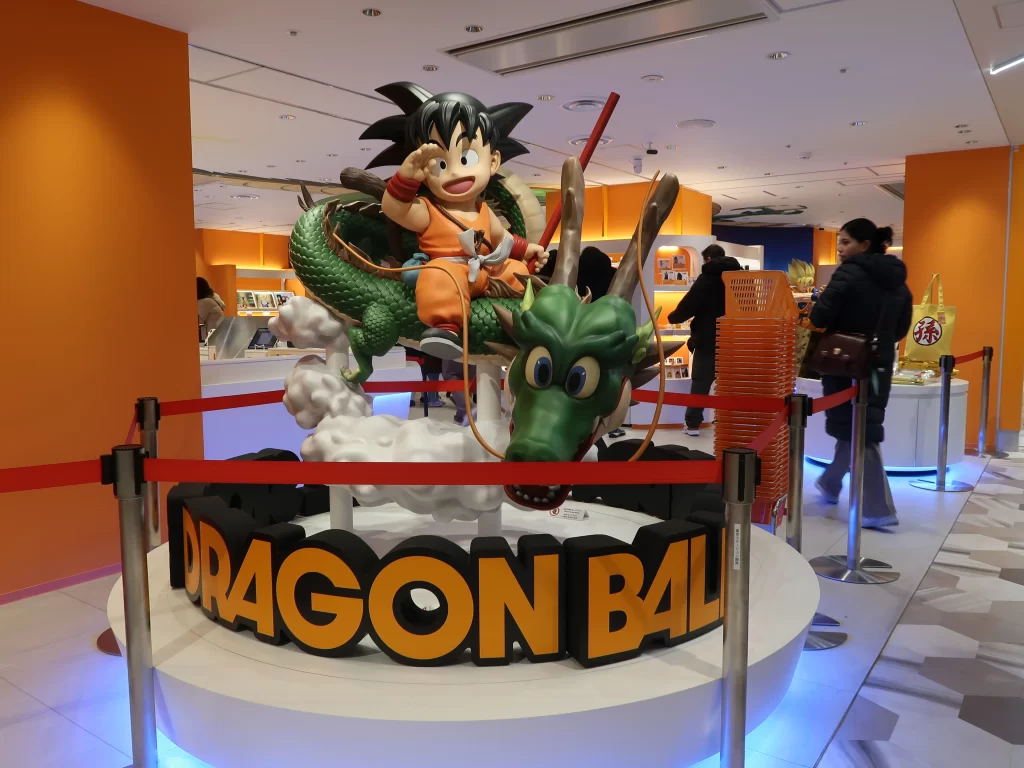
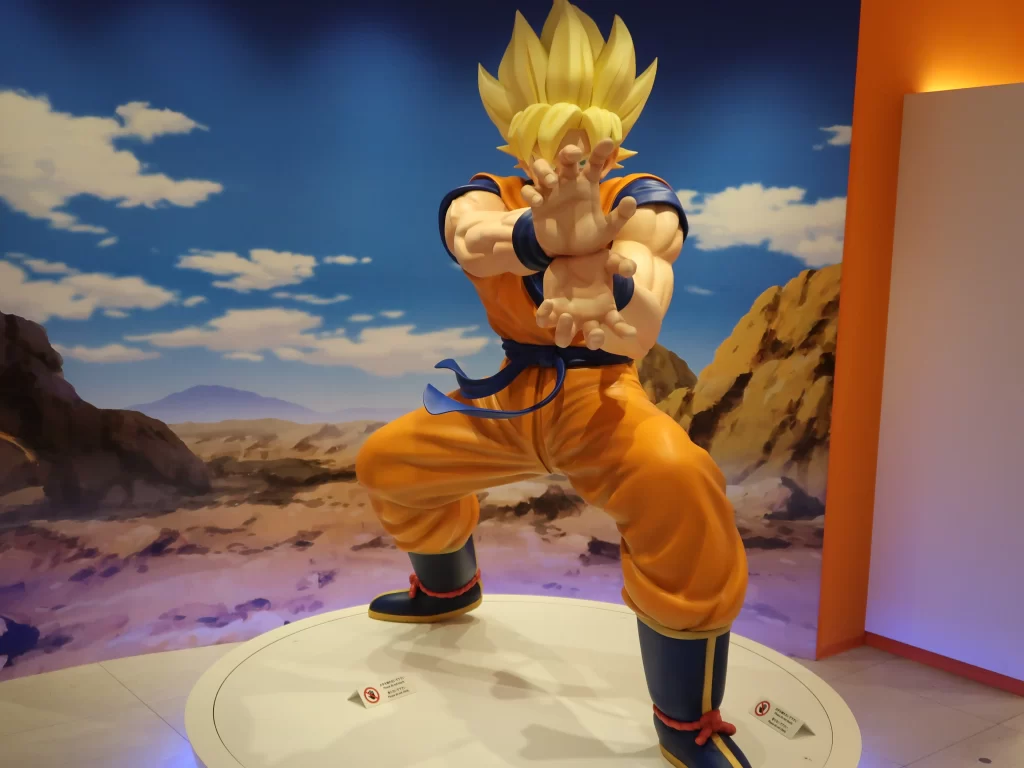
The Dragon Ball shop had a life-size figure of Son Goku on display, and many people were taking photos.
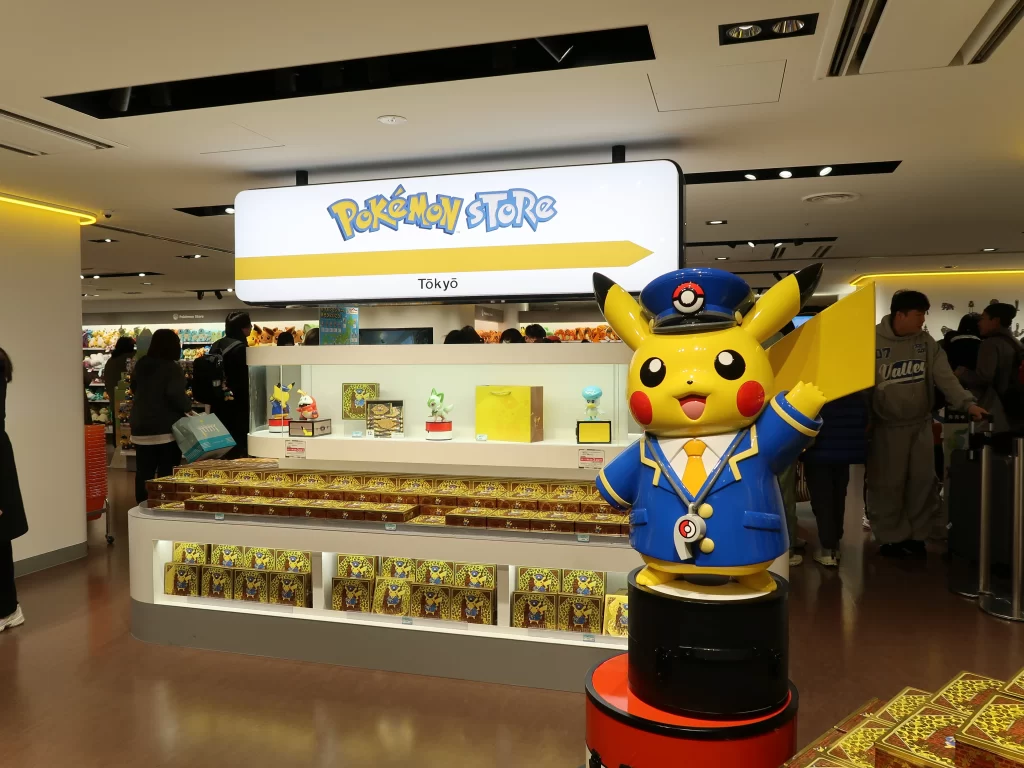
The Pokémon Shop features signage modeled after station signs, with the word “Tokyo” written in the center. Pikachu is also dressed as a station attendant, showcasing an original touch unique to Tokyo Station.
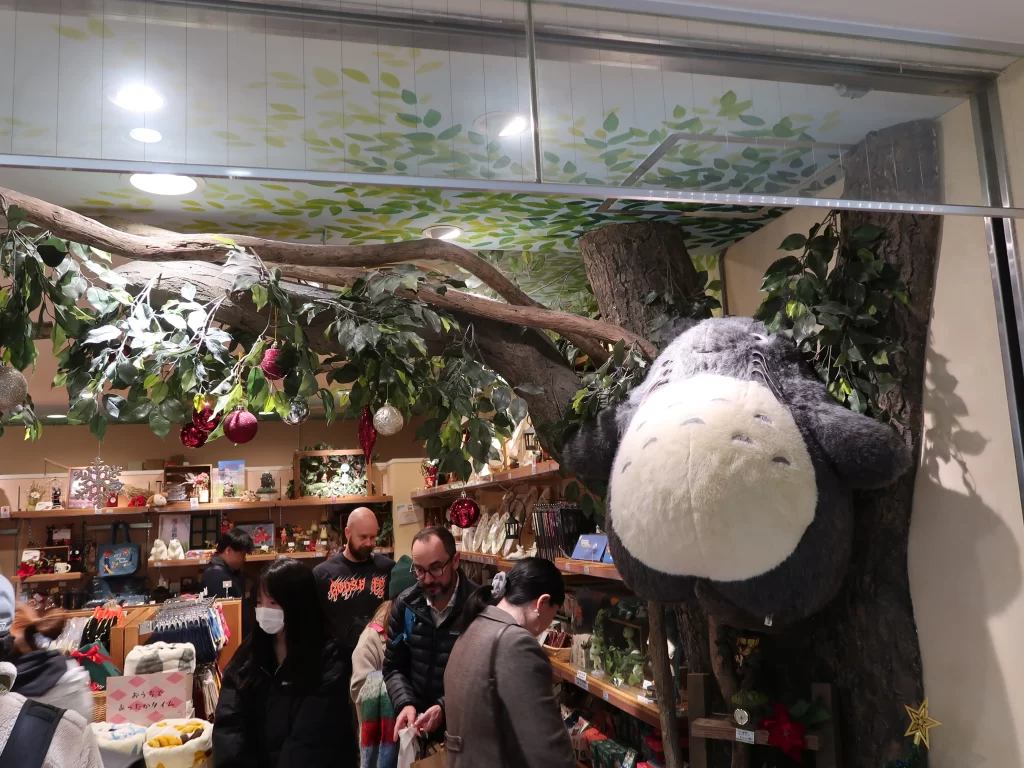
Totoro greets visitors at the Ghibli Shop. It was also popular with foreign visitors to Japan.
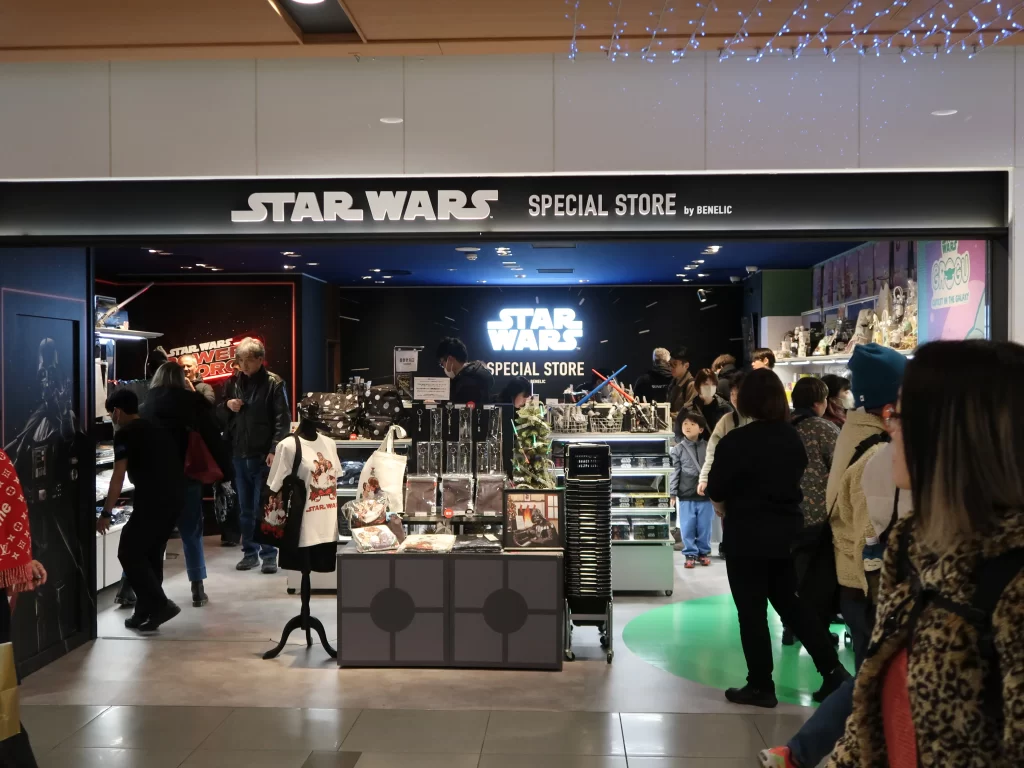
Even after the original story concluded, Star Wars characters remain hugely popular. In the back, there was a photo spot where everyone was smiling for pictures.
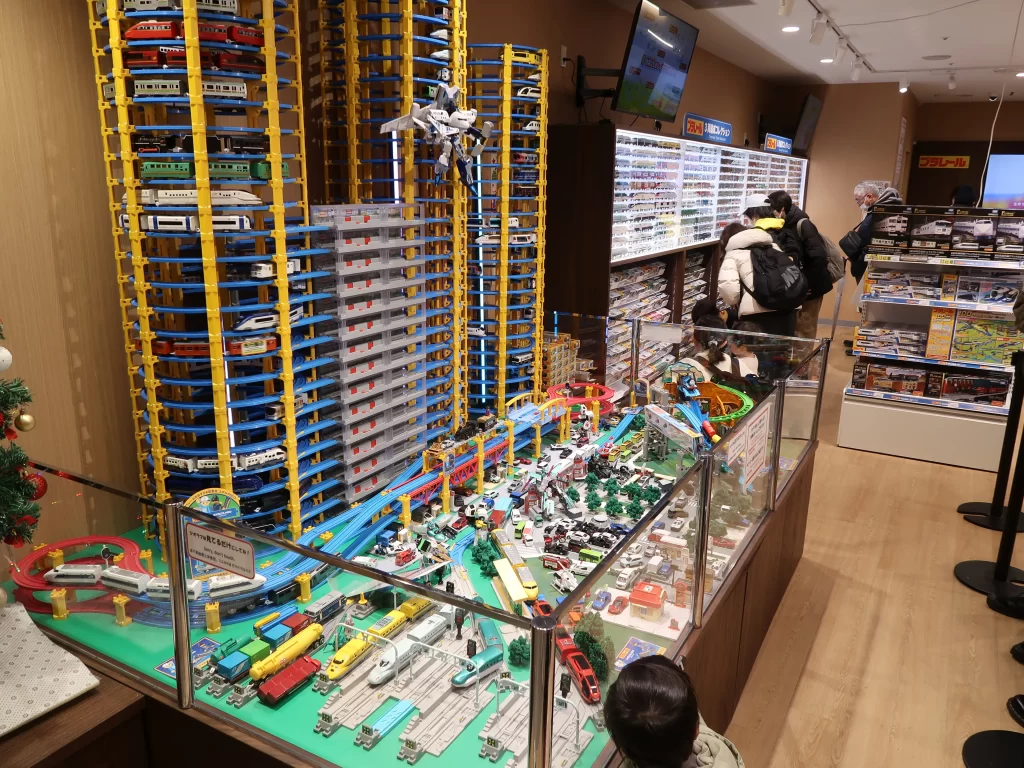
This Tomica Shop is a must-visit for families with children. Tomica started as miniature cars known as mini-cars, while Plarail is a toy where you can customize your own tracks and run battery-powered trains. The variety of tracks and trains is vast, and you can lay your own original tracks. It’s no exaggeration to say it’s the most popular toy among Japanese children; Plarail is so famous that there’s hardly a child who doesn’t know it. As you all know, in Tokyo, trains are the primary means of transportation, so trains feel familiar to everyone, from children to adults. How about purchasing these toys, born from that culture, as a souvenir of your trip to Japan for your children?
Note: If most kids see this train set in person, they probably won’t leave without buying it. They’ll cry and scream until they get it. LOL
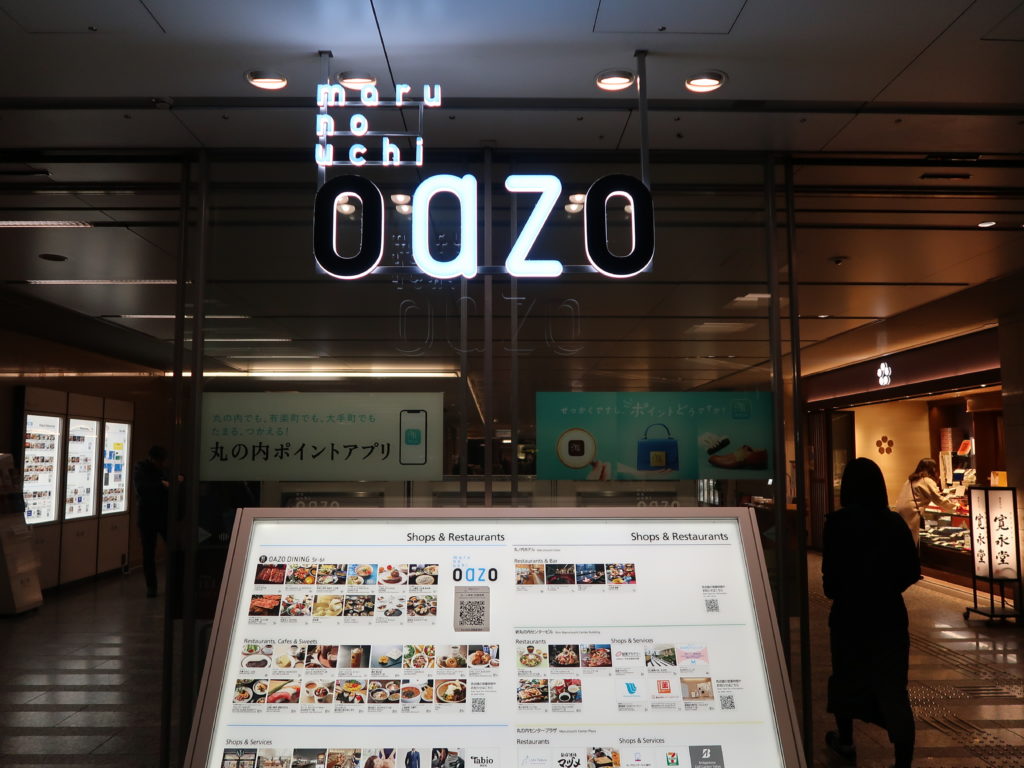
It’s about time you start feeling tired of the crowds. If you want to avoid the crowds, I recommend heading back toward the Marunouchi North Exit and going to Oazo, which is connected underground from there. Oazo is a commercial building housing restaurants, bookstores, and more. It’s less of a tourist spot and more of a place frequented by people working in the surrounding area. It has a very calm atmosphere and is a hidden gem known only to those in the know. If you feel like spending some quiet time, stop by.
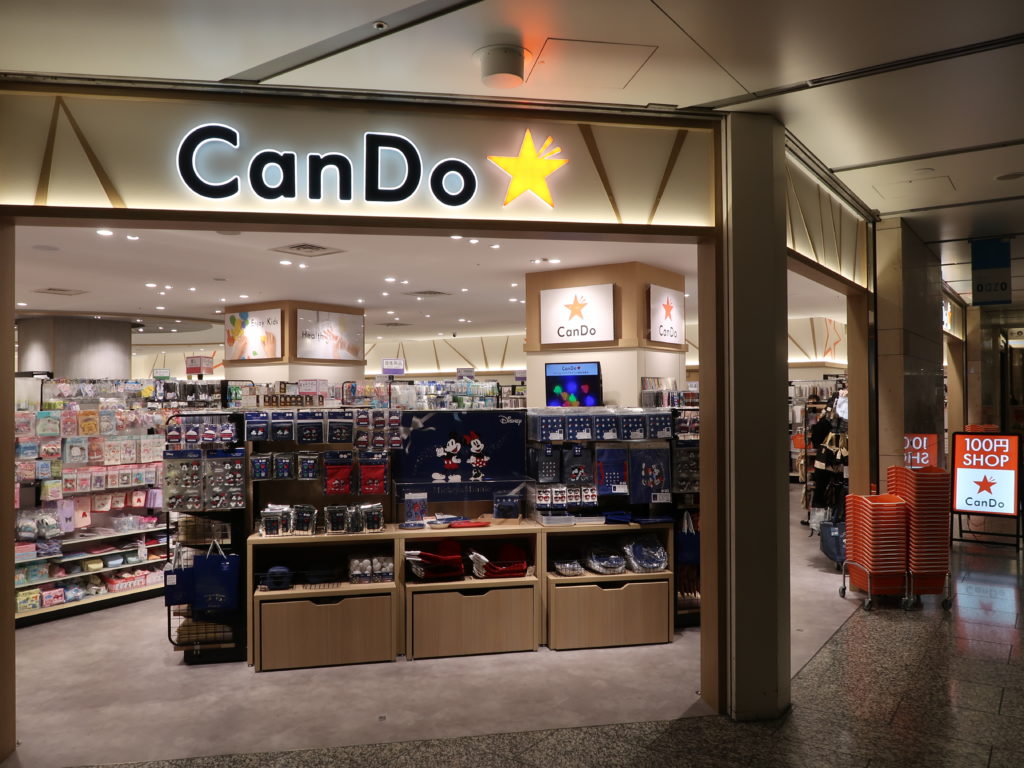
There’s a Can Do store, which is like a one-coin shop overseas (known as a 100-yen shop in Japan), where various items are sold for 100 yen each. It’s a great place to pick up small souvenirs. It’s usually not crowded, so you can take your time browsing the merchandise.
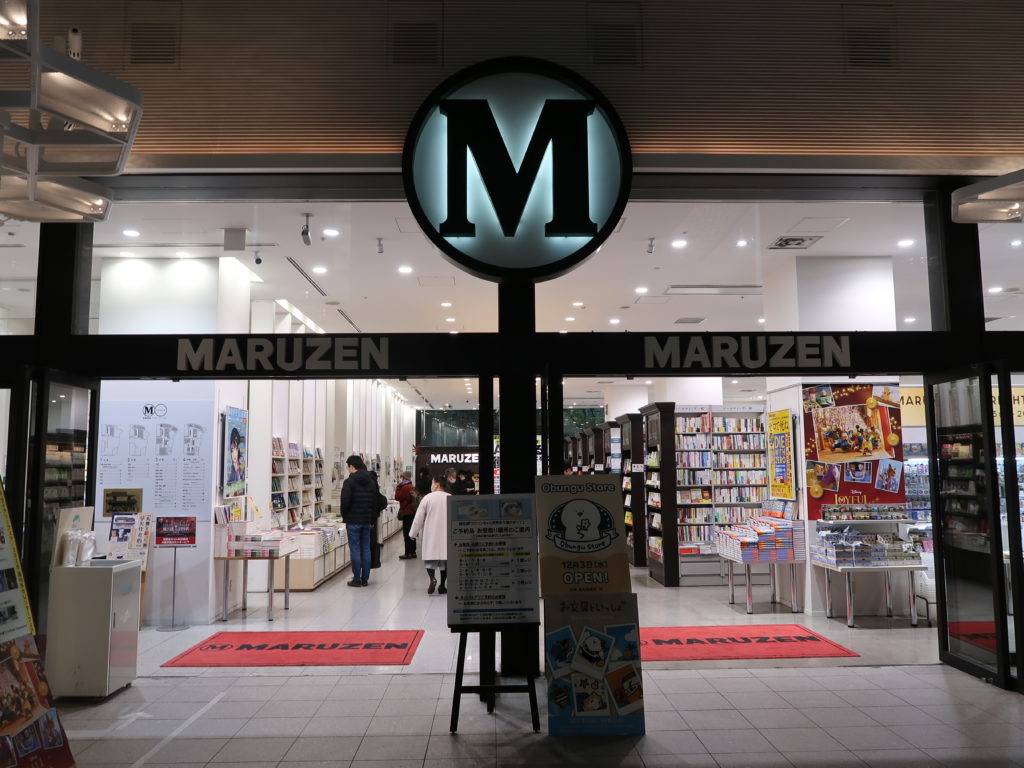
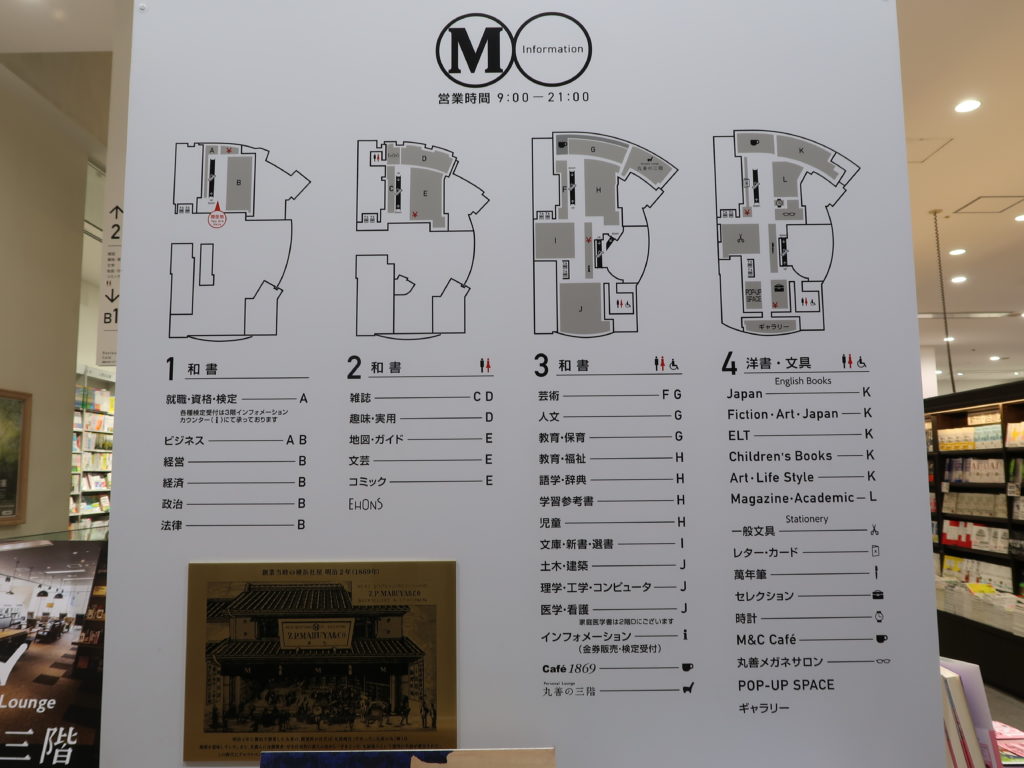
Maruzen was Japan’s first joint-stock company and the first business to import fountain pens from overseas. With “learning” as its keyword, it stocks an immense number of books and ranks among Japan’s leading bookstores. The Maruzen location in Oazo also features a foreign-language book section on the 4th floor, so stop by and you might discover something new. They also sell various types of letter paper, cards, stationery, and fountain pens, so interested visitors are welcome to drop in. It also has a calm and relaxing café, making it perfect for those who want to take a leisurely break.
This time, I’ve shifted my perspective a bit to introduce sightseeing in Tokyo on rainy days. Tokyo has many places not typically promoted as tourist spots. Famous attractions tend to be crowded, and visiting them every day can become exhausting. At times like that, taking a break in a quieter spot can be just what you need. The Marunouchi area is one of Japan’s premier business districts, home to numerous boutiques and shops catering to office workers. Why not try finding your own favorite spot?
Sightseeing Tips
For this sightseeing itinerary, we recommend leaving your hotel a bit later in the morning and aiming to arrive at Tokyo Station around 9:30 AM. If you haven’t had breakfast, try morning ramen at Tokyo Ramen Street. Others can shop for Japanese sweets or souvenirs at Okashi Land. Character Street shops open at 10:00 AM, so browse and shop at your favorite Japanese character stores. If you take your time shopping, it will likely be around lunchtime. Since restaurants get crowded around lunchtime, it’s better to go a bit earlier or later. Around 11:00 or after 1:00 PM, the shops are less crowded. Oazo, which I mentioned earlier, also has various dining options, so it’s a good choice if you want to avoid the crowds. After your meal, stop by Can Do or Maruzen.
If you’re short on time and plan to have dinner at the hotel today, I recommend the Mitsukoshi department store basement.

No comments yet.