
Introduction
Tokyo is not just modern skyscrapers and busy streets.
If you want to experience traditional Japan in one day, Ryogoku is one of the best areas to explore.
This district is known as the heart of sumo, but it also offers:
- Edo-period history
- Samurai culture
- Traditional gardens
- Local dining experiences
Everything is within walking distance, making it perfect for a slow and immersive Tokyo day.
Things to Do in Ryogoku (Quick List)
- Visit Ryogoku Kokugikan (sumo stadium)
- Explore the Edo-Tokyo Museum
- Discover the Sumida Hokusai Museum
- Walk through Yokozuna Street
- Try chanko nabe (sumo food)
- Explore local izakaya and food streets
Morning: Step into the World of Sumo
📍Start at Ryogoku Station
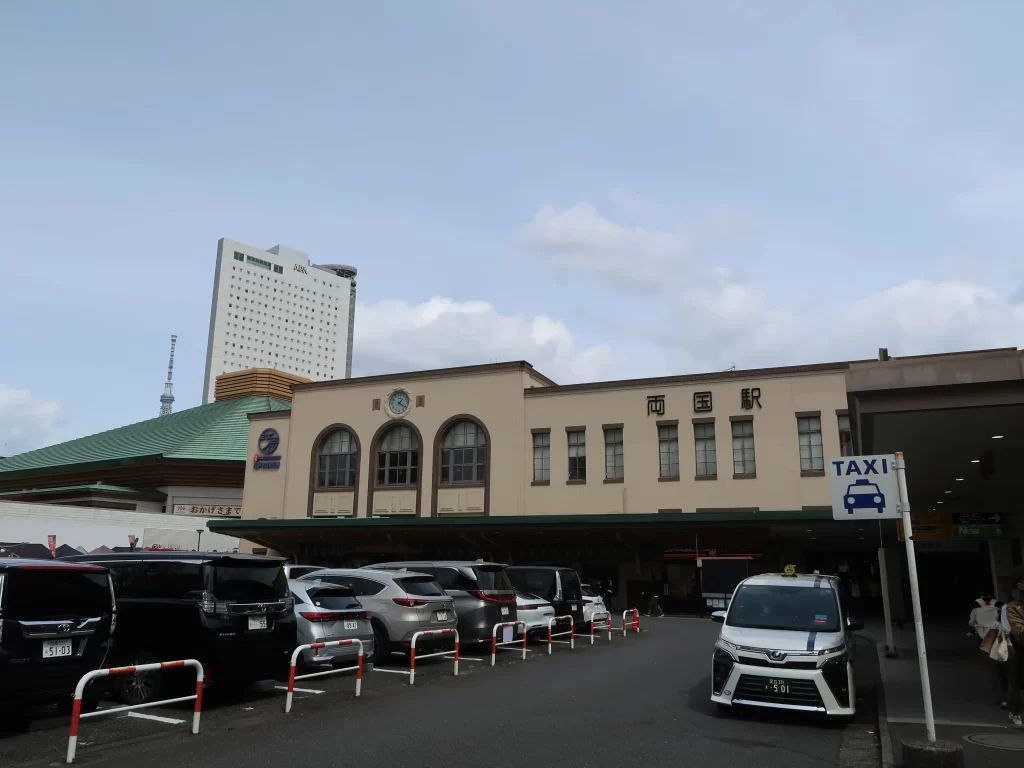
Your journey begins the moment you arrive.
Inside the station, you’ll find Edo Noren, a space designed to recreate the atmosphere of old Tokyo.
With traditional-style restaurants and sumo-themed decorations, it already feels different from the rest of the city.


📍Ryogoku Kokugikan

The Ryogoku Kokugikan is located right outside Ryogoku Station. Grand Sumo tournaments are held at the Ryogoku Kokugikan three times a year: in January, May, and September. Out of the six tournaments held annually, three take place at this sacred site of sumo. During the 15-day tournaments,
- banners bearing the names of the wrestlers are displayed outside the venue
- creating a unique atmosphere
- and you can spot wrestlers heading toward the Ryogoku Kokugikan.
👉 While it can be difficult to get tickets fatmosphere of the area even without a ticket.or the tournaments, I think you can still enjoy the
Want to understand sumo beyond what you see?
Visit the Sumo Museum inside the stadium to explore its history, traditions, and famous wrestlers.
(Admission is free and takes about 20–30 minutes.)
Late Morning: Dive into Edo History
📍 Edo-Tokyo Museum
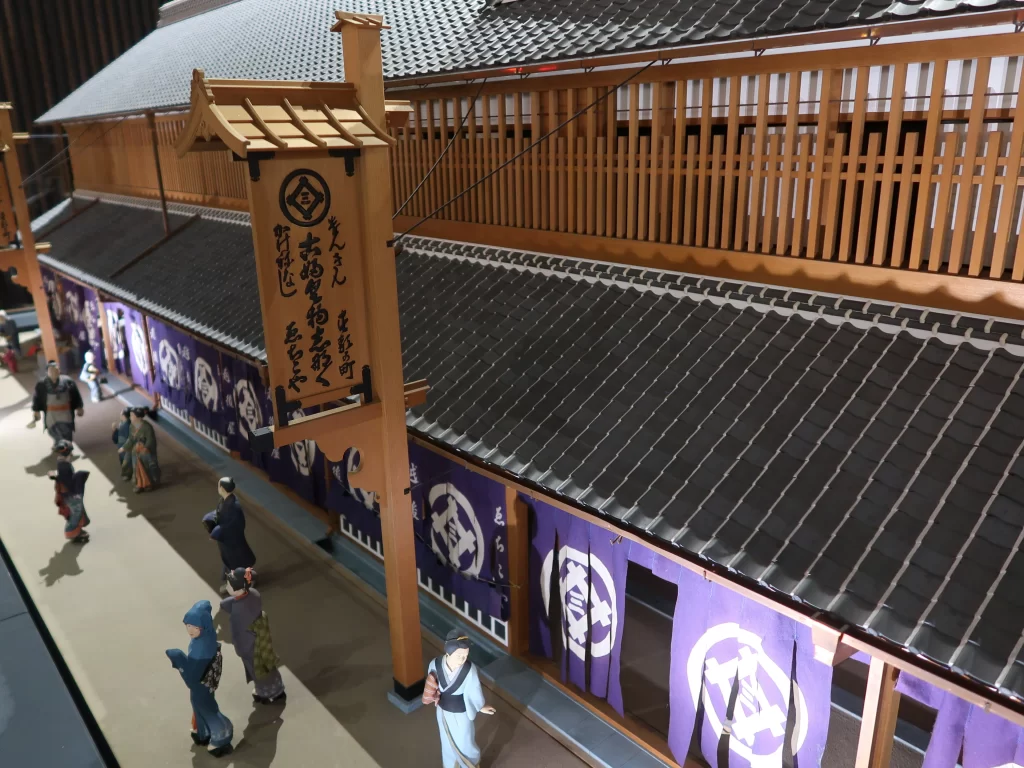
The Edo-Tokyo Museum reopened on March 31, 2026, following a four-year renovation. It is one of the best museums for understanding how Tokyo has evolved from the Edo period.
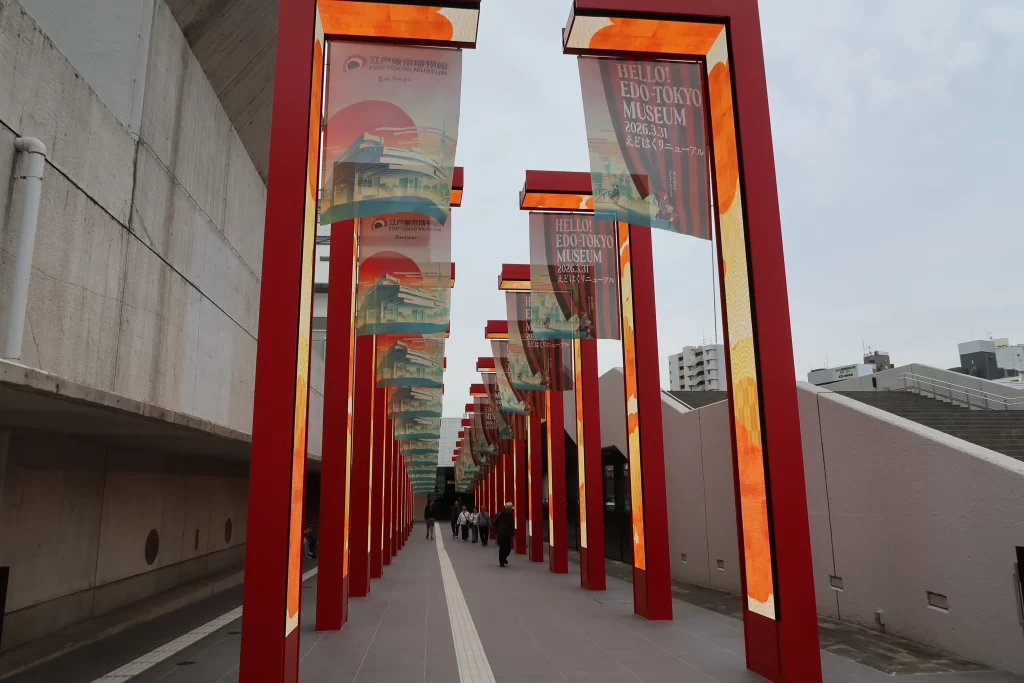
There are multiple entrances to the Edo-Tokyo Museum depending on where you arrive.
The Oedo Line side and the Ryogoku Kokugikan side are the most common access points.

Highlights:
- Life-size replicas of Nihonbashi Bridge and other buildings
- Scale models of streetscapes from the samurai era
- The daily lives of people in old Tokyo
👉 It’s the perfect place to learn about Tokyo’s history.
📍Experience Japanese Art-Sumida Hokusai Museum
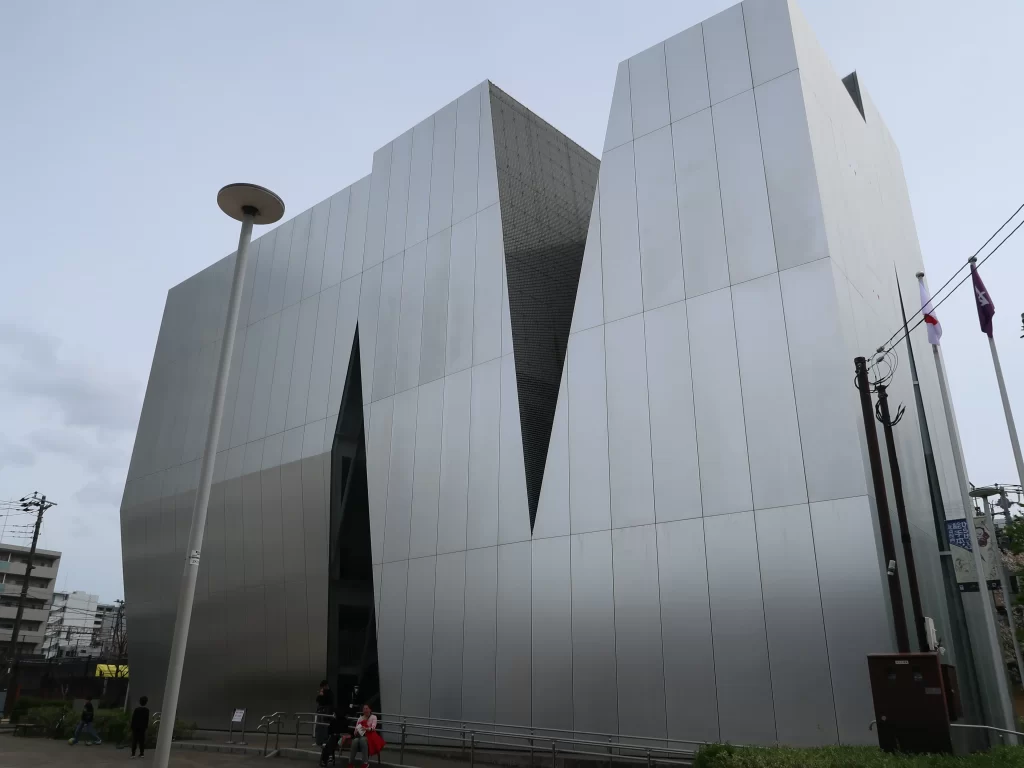
Ryogoku is also home to one of Japan’s most famous artists, Katsushika Hokusai.


Here you can explore:
- The story behind The Great Wave
- Edo-period art and daily life
- The global influence of Japanese art
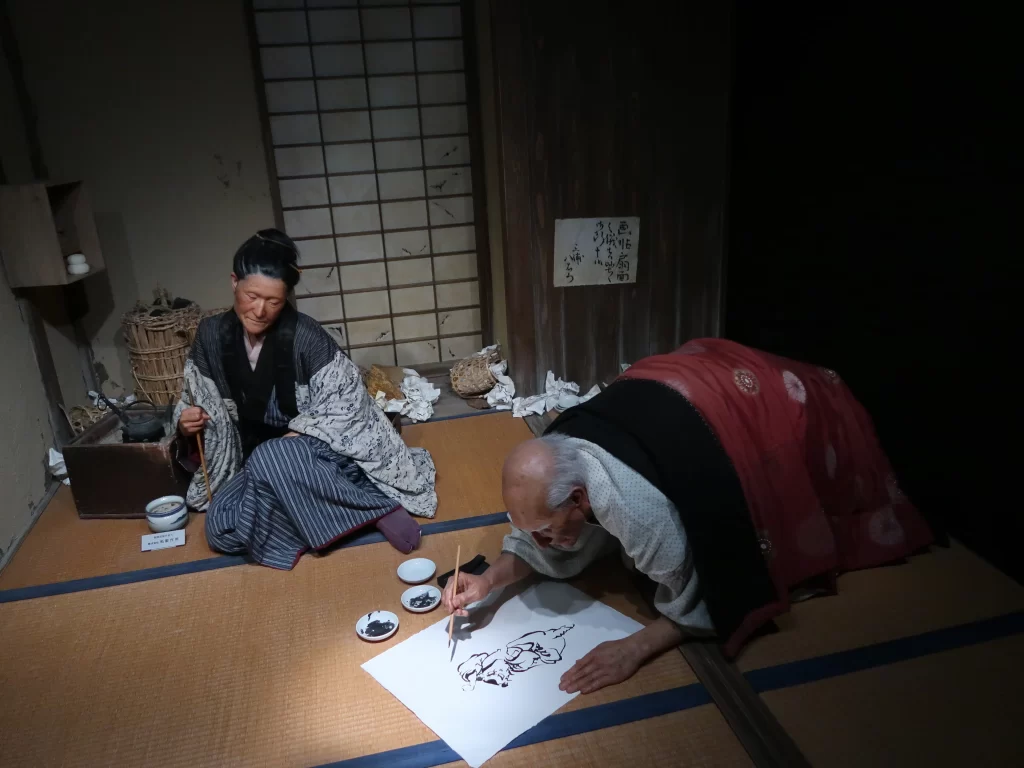
📍Discover Samurai Culture-Japanese Sword Museum
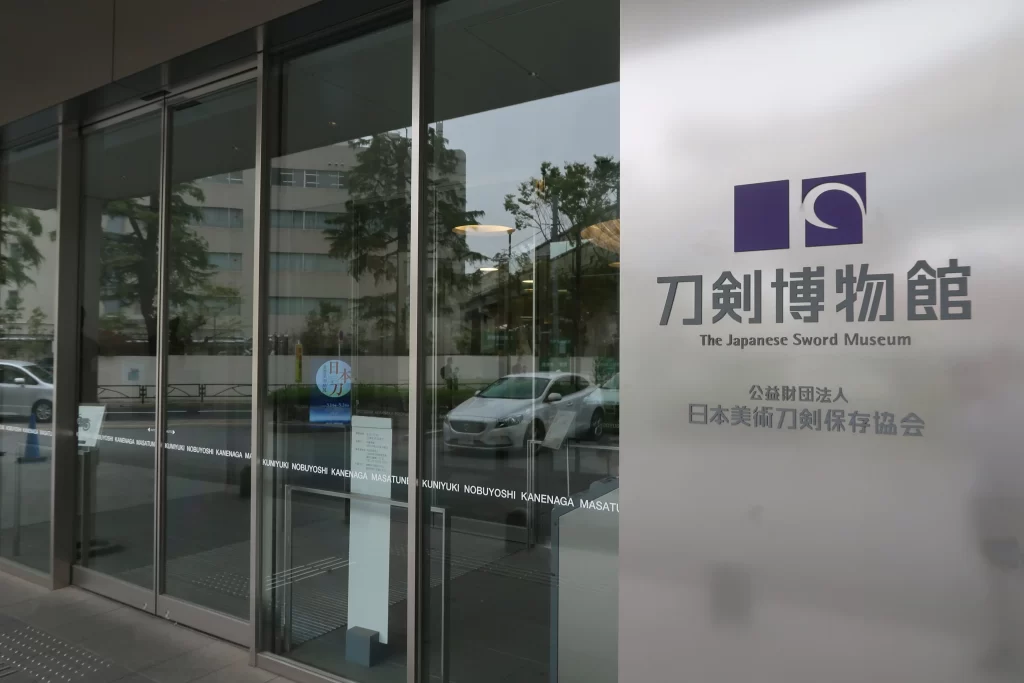
architectural design.
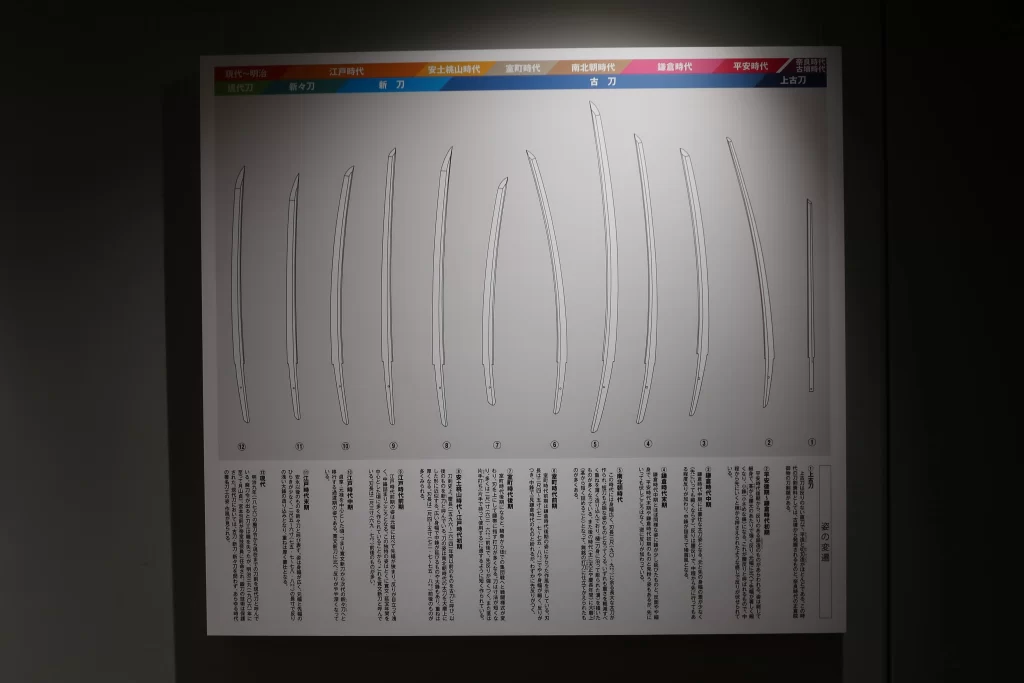
For those interested in samurai culture:
- Authentic Japanese swords (nihonto)
- Craftsmanship and history
- A deeper look into the warrior spirit
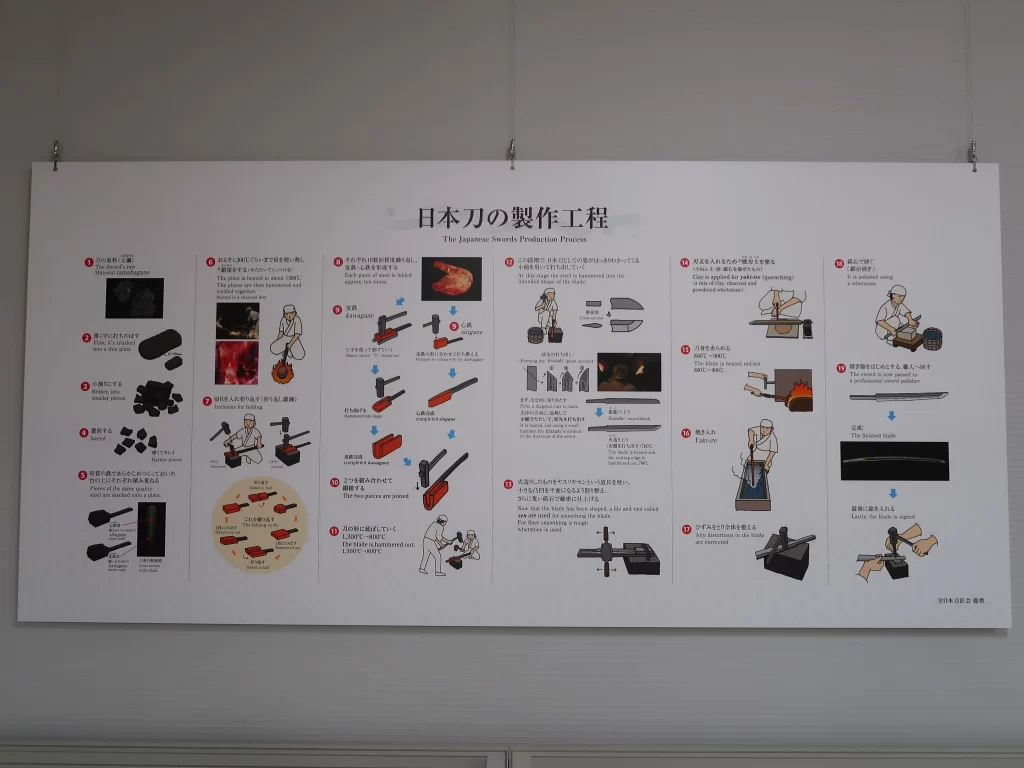

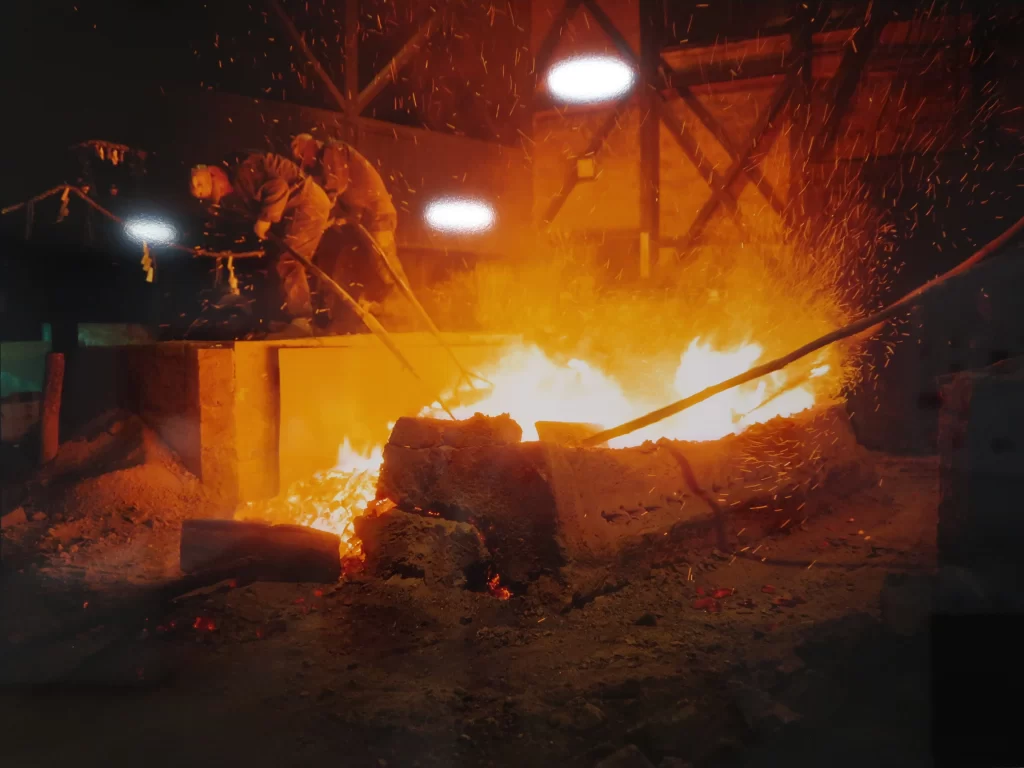
Japanese swords are not just weapons — they are considered works of art, combining craftsmanship, history, and spiritual significance.
📍Relax at Kyu Yasuda Garden
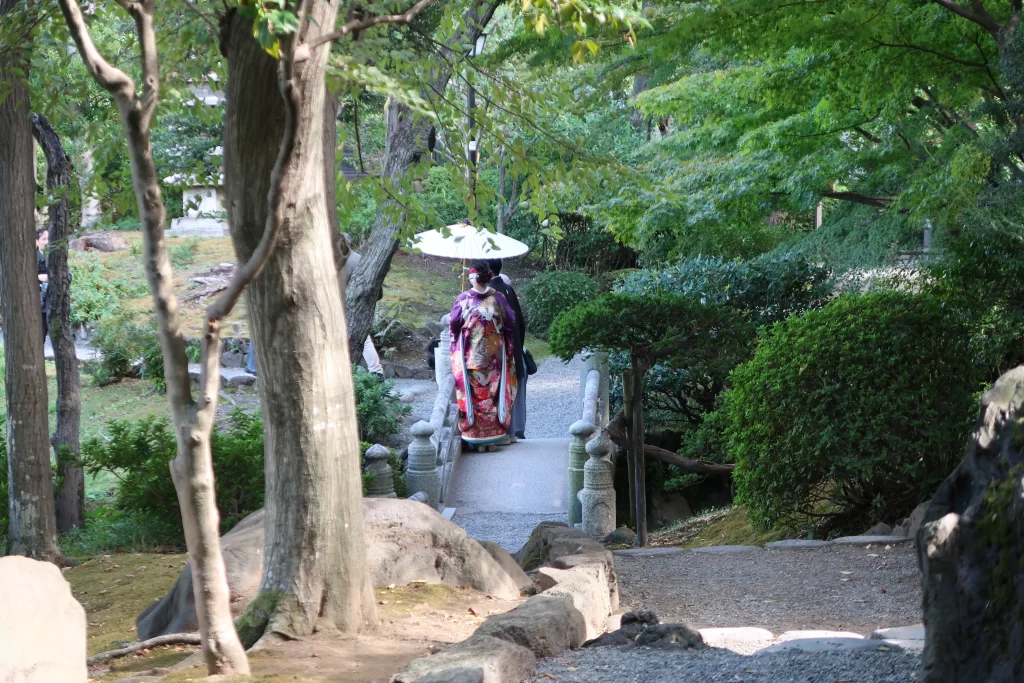
After exploring history and culture, slow down here.
This Edo-style garden offers:
- A beautiful pond with reflections
- Traditional landscaping
- A calm, quiet atmosphere
It’s hard to believe you are still in Tokyo.
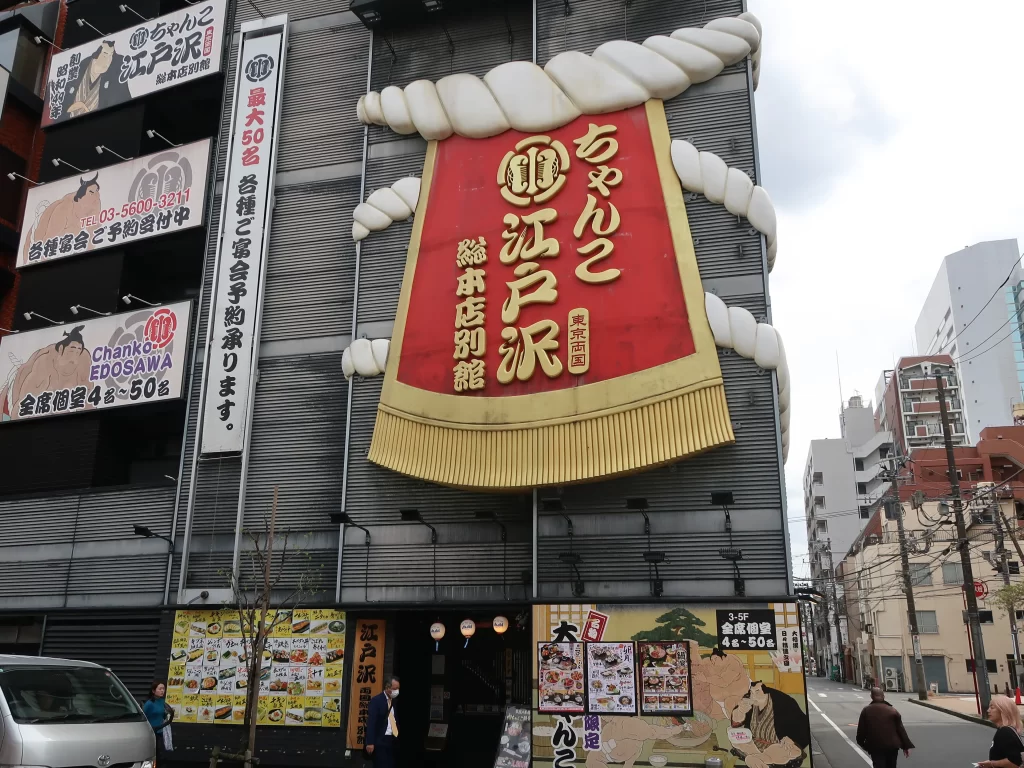
📍Eat Like a Local-Yokozuna Yokocho & Underpass Restaurants
End your day with real local food.
Ryogoku is not only about sumo and museums — it’s also a great place to explore local food.
From traditional chanko hot pot to casual street food and izakaya, the area offers a wide range of dining experiences within walking distance.
- Small izakayas under the railway
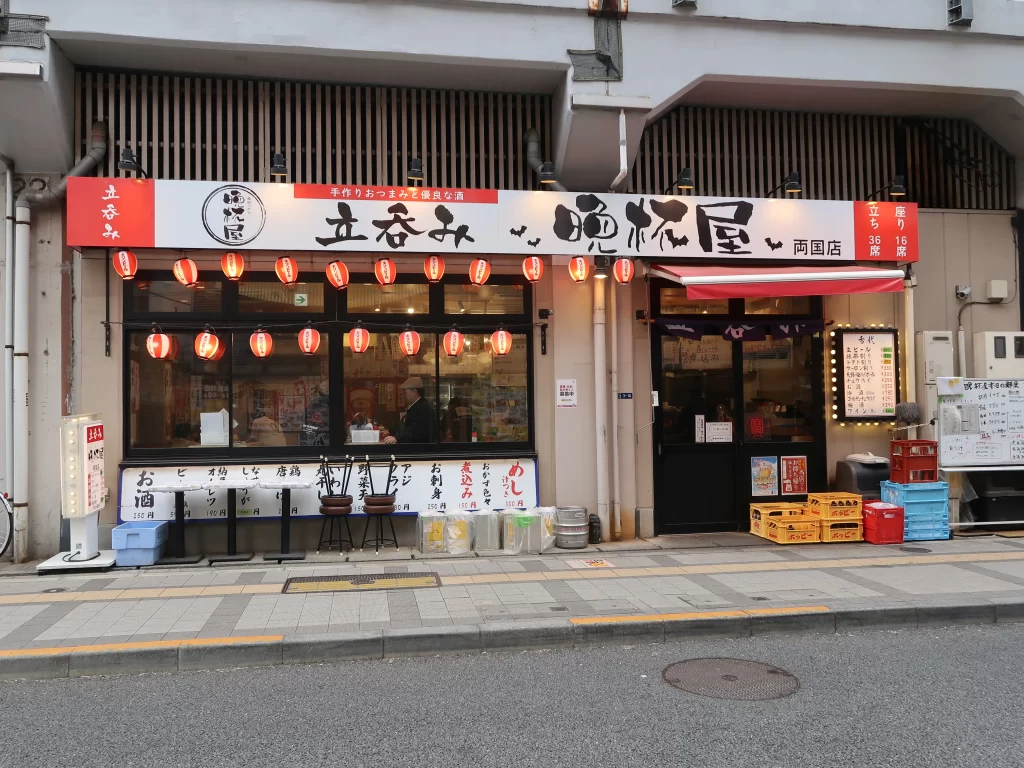
- Traditional restaurants in Yokozuna Yokocho
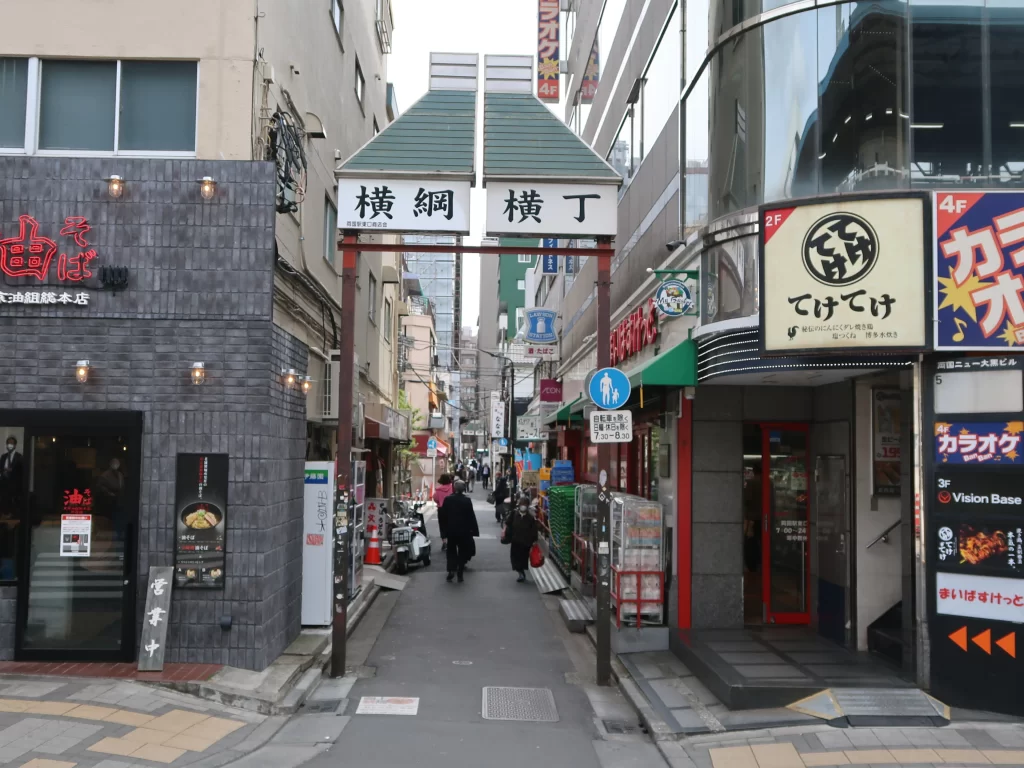
- A true local dining atmosphere
This is where you experience everyday Tokyo life, not just tourist spots.
Optional: Samurai History – Kira Residence Site
📍 Honjo Matsuzaka-cho Park (Kira Residence Site)
Just a short walk from Ryogoku, you’ll find a small but historically significant site.
This is the former residence of Kira Yoshinaka, connected to the famous story of the 47 Ronin.
Although the site itself is modest, it represents one of the most well-known samurai stories in Japan — a tale of loyalty, honor, and revenge.
👉 If you’re interested in samurai history, this stop adds deeper meaning to your Ryogoku walk.
Suggested 1-Day Route
Morning
- Ryogoku Station → Edo Noren
- Ryogoku Kokugikan
- Sumo Museum
Midday
- Edo-Tokyo Museum
- Hokusai Museum
- Lunch nearby
Afternoon
- Honjo Matsuzaka-cho Park (Kira Residence Site)
- Sword Museum
- Yasuda Garden
Evening
- Yokozuna Yokocho / local izakaya / Edo Noren
Final Thoughts
Ryogoku is more than just sumo.
It’s a place where:
- History
- Culture
- Art
- Everyday life
all come together in one walkable area.
If you want to experience a deeper side of Tokyo,
this is one of the best one-day itineraries you can follow.
Need help planning your Tokyo trip?
We offer a free travel concierge service to help you:
- Find the best routes
- Choose restaurants
- Avoid common mistakes




No comments yet.