
Japanese anime is far more than simple entertainment—it is a unique form of art that reflects the creativity, emotion, and imagination of Japanese culture. With its vivid colors, emotional storytelling, and unforgettable characters, anime has become one of Japan’s most powerful cultural exports, touching hearts all over the world.

The history of anime dates back to the 1920s, but it began to gain worldwide attention in the 1960s with Osamu Tezuka’s Astro Boy, Japan’s first major TV animation. From there, anime evolved rapidly. Classics such as Doraemon, Mobile Suit Gundam, Dragon Ball, and Sailor Moon introduced Japan’s animation style to global audiences. By the 2000s, anime had become an international phenomenon.
Today, titles like Spirited Away, Your Name, Attack on Titan, Demon Slayer, One Piece, and Jujutsu Kaisen are enjoyed in dozens of languages. Renowned directors like Hayao Miyazaki of Studio Ghibli have received global acclaim, including Academy Awards, for their beautifully crafted films that express deep themes such as nature, kindness, and the human spirit.
One of anime’s greatest strengths is its variety of genres and themes. Unlike Western cartoons, which are often made mainly for children, Japanese anime covers every audience—young and old alike. There are romantic dramas, science fiction adventures, fantasy epics, slice-of-life comedies, and even psychological thrillers. Anime characters often express complex emotions and face moral choices, allowing viewers to relate deeply to their struggles and growth.
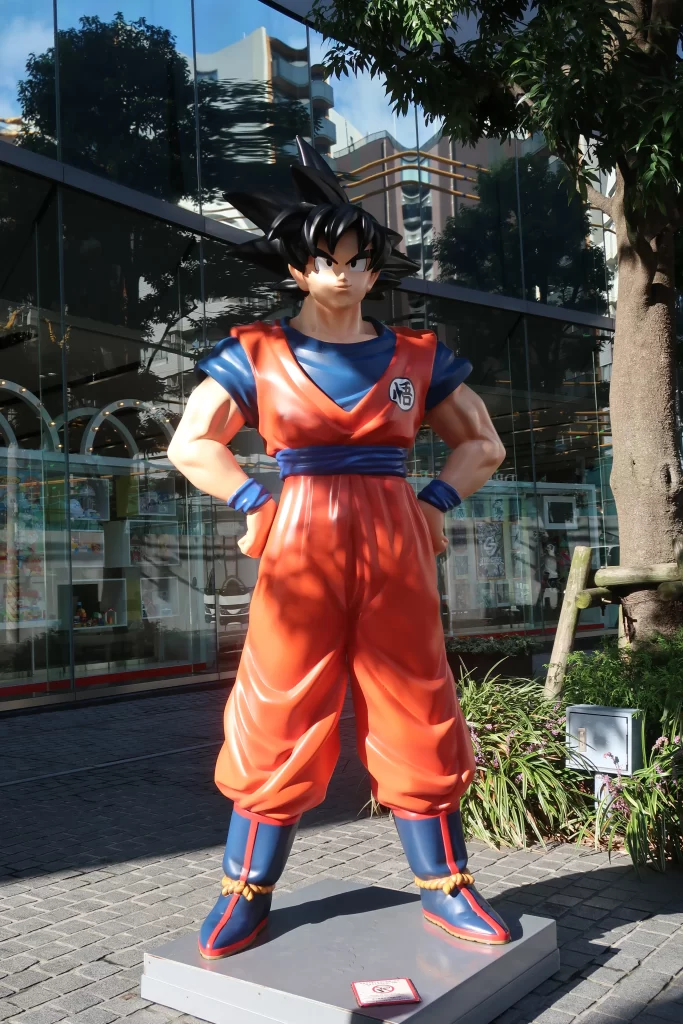
Another reason anime is so beloved is its visual beauty. Japanese animators are known for their meticulous attention to detail—the way sunlight filters through trees, the soft motion of water, the texture of food, and the seasonal changes of Japan’s landscape. Even ordinary moments, like sharing a meal or walking through a quiet town, are depicted with poetic beauty. Through anime, viewers can experience the subtle charm and philosophy of Japanese life.
Anime has also become a global cultural bridge. Around the world, anime conventions and “cosplay” events bring fans together. People dress up as their favorite characters, celebrate creativity, and form international communities connected by shared passion. Many young fans even begin studying Japanese to better understand anime in its original language.
In Japan, certain neighborhoods like Akihabara in Tokyo or Ikebukuro’s Otome Road are famous as anime hotspots, filled with themed cafés, character shops, and museums. Fans from abroad visit these areas as part of “anime pilgrimages,” traveling to real-life locations that appear in their favorite shows. Walking through these places allows them to feel closer to the stories they love.

Anime’s influence reaches far beyond the screen. It has inspired global trends in film, fashion, gaming, and music. Many international artists and filmmakers credit Japanese anime as a source of inspiration for their own creative work. From Hollywood directors to digital illustrators, anime’s visual language has become a global standard for imagination and expression.
What makes anime truly special, however, is the emotion and philosophy behind it. Themes like friendship, courage, perseverance, and hope run through countless series. These universal values transcend language and culture, allowing people everywhere to connect through shared emotions.

Anime is not just something to watch—it’s something to feel. It captures the beauty of everyday life, the complexity of human emotion, and the endless possibilities of imagination. Watching anime is also a way to understand Japan’s spirit: respect for nature, appreciation of effort, and a deep sense of harmony.

Whether you are visiting Japan for the first time or have loved anime for years, exploring its world is a journey into the heart of Japanese creativity. From hand-drawn masterpieces to modern digital animation, anime continues to evolve, inspiring generations across the globe. It is truly one of Japan’s greatest cultural gifts to the world.






No comments yet.