
Kiyosumi Gardens, located in Koto City on the east side of Tokyo, is one of the finest examples of a traditional Japanese stroll garden. Known for its calm atmosphere, artfully arranged stones, and a large central pond, the garden offers visitors a peaceful escape from the fast pace of the city. For international travelers who want to experience Japanese aesthetics, natural harmony, and seasonal beauty, Kiyosumi Gardens is an ideal destination.
A Garden Rich in History
The origins of Kiyosumi Gardens trace back to the Edo period, when the land was part of the estate of a wealthy merchant family. In the late 19th century, the founder of the Mitsubishi financial group, Iwasaki Yatarō, acquired the property and transformed it into a refined Japanese garden. He brought in famous stones from various regions across Japan and arranged them throughout the grounds.
After suffering damage during the Great Kanto Earthquake and World War II, the garden was restored and eventually donated to the city. Today, it serves as a beautifully preserved example of a pond-centered stroll garden, known in Japanese as chisen kaiyū-shiki teien.

A Stroll Garden Designed to Be Experienced on Foot
One of the defining features of Kiyosumi Gardens is the way the landscape changes as visitors walk along its paths. The garden is intentionally designed so that every few steps reveal a new viewpoint. Reflections in the water, the shifting position of stones, and the varying angles of trees and plants work together to create a sense of continuous visual discovery.
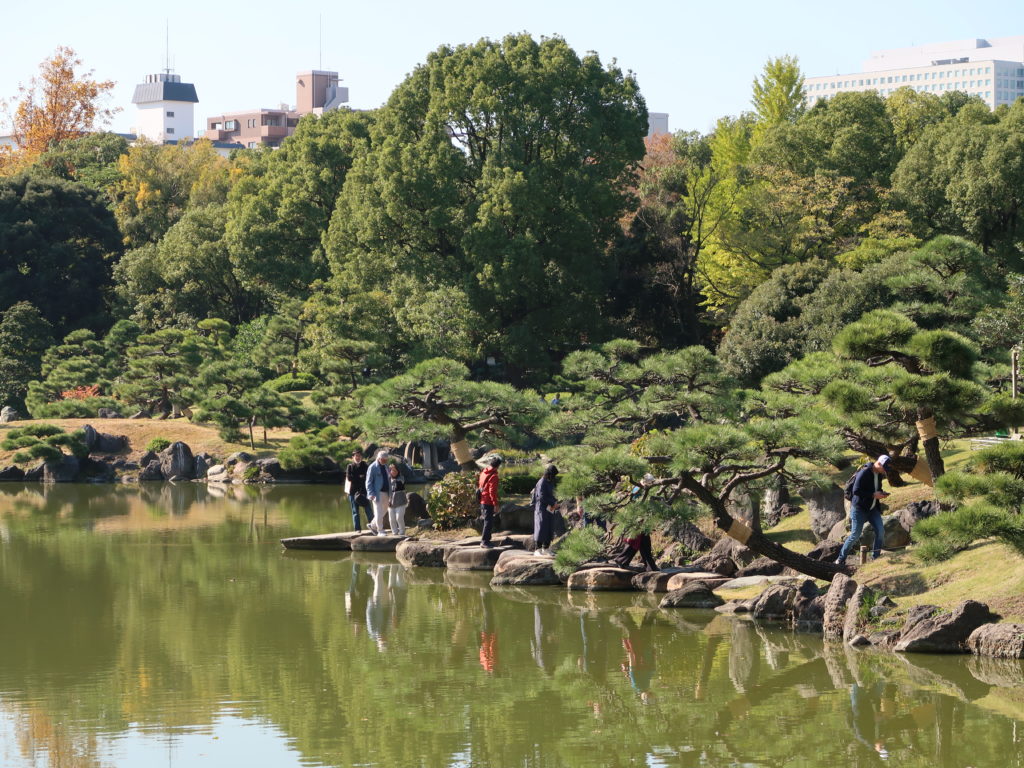
The garden’s central pond, teeming with koi and surrounded by lush greenery, serves as the heart of this experience. Stone bridges, lanterns, and shoreline paths guide guests around the water’s edge, offering countless photo opportunities and quiet places for reflection.

The Famous Stepping-Stone Paths
One of the highlights of the garden is the “iso-watari,” a series of large stepping stones placed along the edge of the pond. These stones were carefully selected from different regions of Japan for their shape, color, and texture. Walking across them allows visitors to get close to the water and enjoy unique perspectives of the landscape. This feature is rare even in Japan, making it a special experience for first-time visitors.
Seasonal Beauty and Wildlife
Kiyosumi Gardens is also known for its richly varied plant life.
- Spring brings cherry blossoms and fresh green leaves.
- Summer features deep greenery and vibrant reflections on the pond.
- Autumn transforms the garden with colorful maple leaves.
- Winter offers a peaceful, subdued landscape that highlights the stones and architecture.
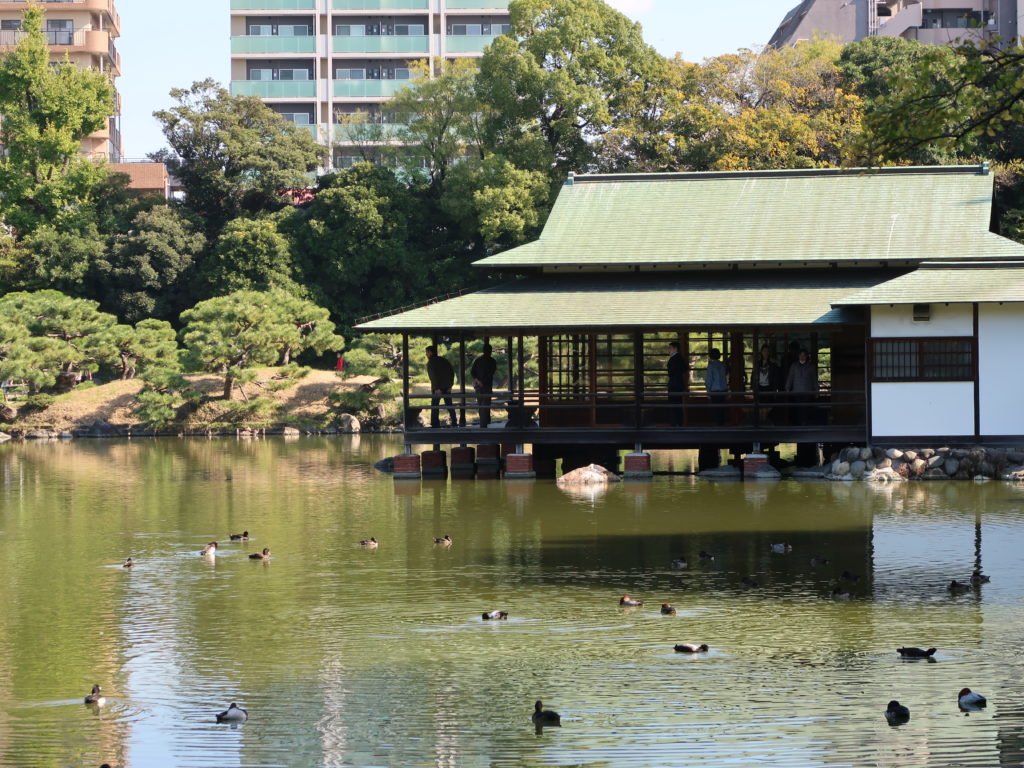
Wild birds such as herons, ducks, and cormorants frequently visit the pond, adding a touch of natural liveliness to the quiet environment. The presence of these animals enhances the sense of harmony between human design and nature—an essential element of Japanese garden philosophy.
The Ryōtei Pavilion
Another iconic feature of the garden is the Ryōtei, a traditional wooden pavilion that extends over the surface of the pond. Once used as a guest house by the Iwasaki family, it now serves as a scenic focal point and often appears in photographs of the garden. Its elegant architecture and perfect placement by the water reflect classical Japanese design principles.
A Relaxing Cultural Experience for Travelers
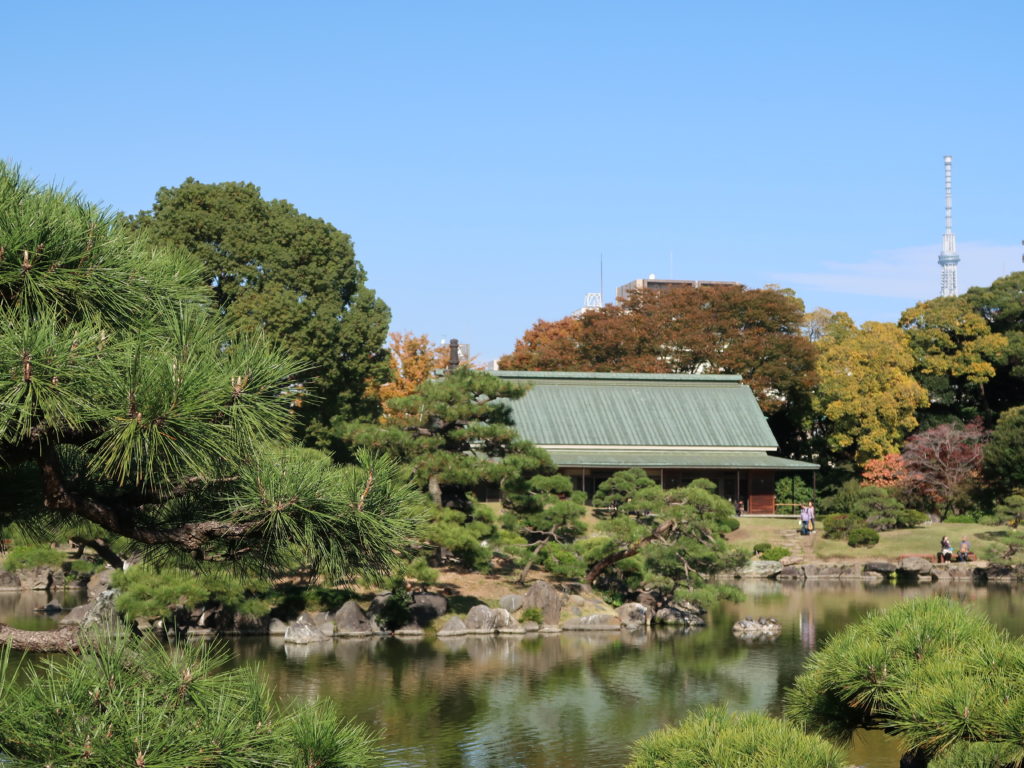
What makes Kiyosumi Gardens especially appealing to international visitors is its atmosphere of calm and simplicity. You do not need specialized knowledge to enjoy it. The garden’s paths, stones, water, and plants naturally communicate the Japanese values of balance, respect for nature, and appreciation of subtle beauty.
Informational signs in English help visitors understand the garden’s history and key features without overwhelming them.
Compared with other famous gardens in Tokyo, Kiyosumi Gardens is quieter and less crowded, making it an excellent place for travelers seeking a peaceful break or a deeper cultural experience.
Easy Access and a Great Neighborhood to Explore
The garden is conveniently located just a few minutes’ walk from Kiyosumi-Shirakawa Station on the Hanzomon and Oedo subway lines. The surrounding neighborhood has become known for its art galleries, stylish cafés, and contemporary culture. Visitors often combine a garden stroll with a relaxed exploration of the area.
Conclusion
Kiyosumi Gardens offers a rare opportunity to experience traditional Japanese landscape design in the heart of Tokyo. Its tranquil pond, beautifully arranged stones, and seasonal scenery create a timeless atmosphere that appeals to both first-time visitors and returning travelers.
For anyone looking to understand the essence of Japanese aesthetics—or simply to enjoy a peaceful moment in nature—Kiyosumi Gardens is one of Tokyo’s most rewarding destinations.
How to get this place
Address:
3-3-9 Kiyosumi, Koto, City, Tokyo
Access:
From Ryogoku Station:

Take the Oedo Line toKiyosumi-shirakawa Station. The ride takes about 4 minutes. From there, it’s another 3 minutes on foot.
Information
Opening Hours
9:00 AM to 5:00 PM
(Last admission at 4:30 PM)
*Hours may be extended during event periods.
Closed
Year-end and New Year holidays
(December 29th to January 1st)
Admission Fee
General: 150 yen
Ages 65 and over: 70 yen
(Free for elementary school students and younger, and junior high school students residing or attending school in Tokyo)
Places you can visit together:



No comments yet.