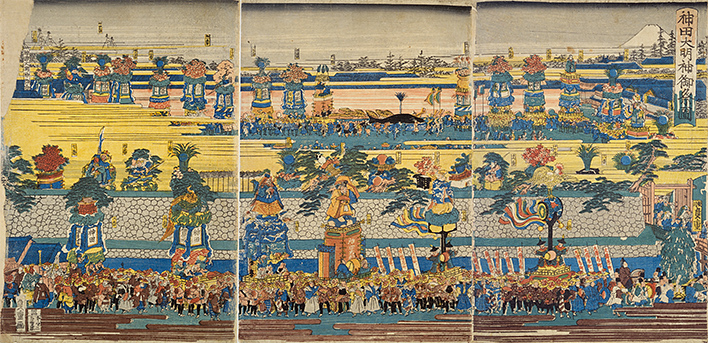
Kanda Myojin, officially known as Kanda Shrine, is one of Tokyo’s most historic and beloved Shinto shrines. Located near Akihabara and Ochanomizu, it has watched over the city for nearly 1,300 years. The shrine is dedicated to three deities who protect the prosperity and well-being of Tokyo’s people and businesses, making it a spiritual landmark where tradition and modern life coexist beautifully.
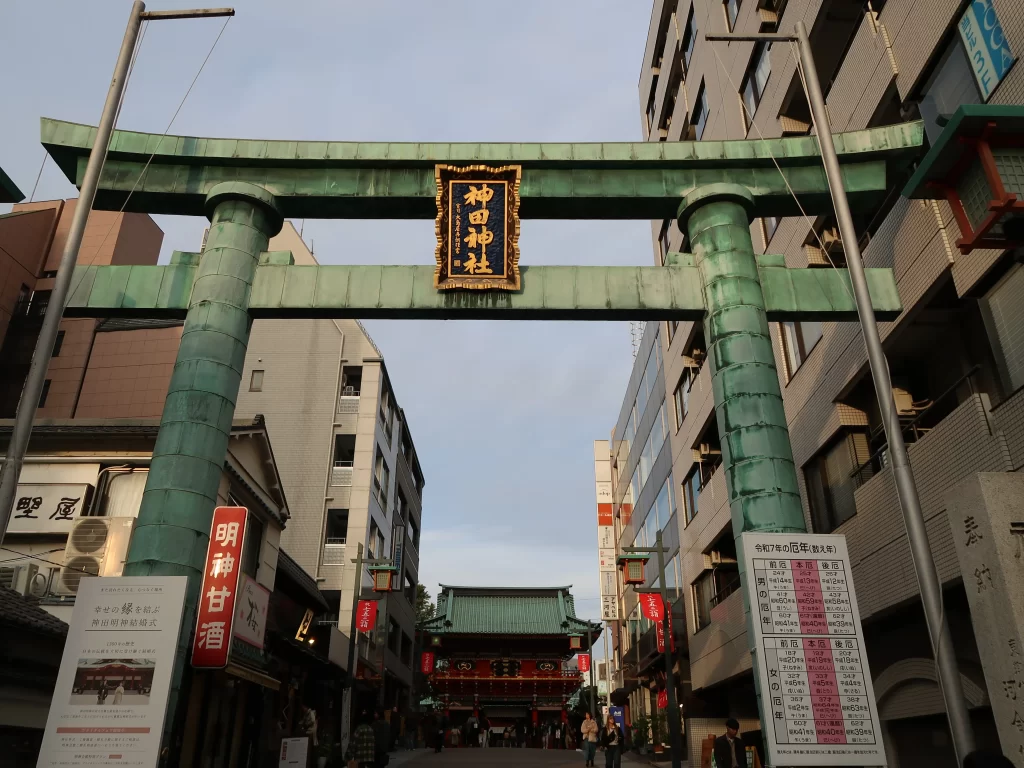
The origins of Kanda Myojin date back to the year 730, during the Nara period, when the shrine was first established near the present-day Otemachi area. It was later moved to its current location in 1616, during the Edo period, under the order of the shogun Tokugawa Ieyasu. Since then, Kanda Myojin has been revered as the guardian of Edo (old Tokyo), protecting the city and its residents from misfortune. The Tokugawa shogunate itself considered the shrine a powerful ally, praying there for peace and victory in battle.
The shrine enshrines three important deities:
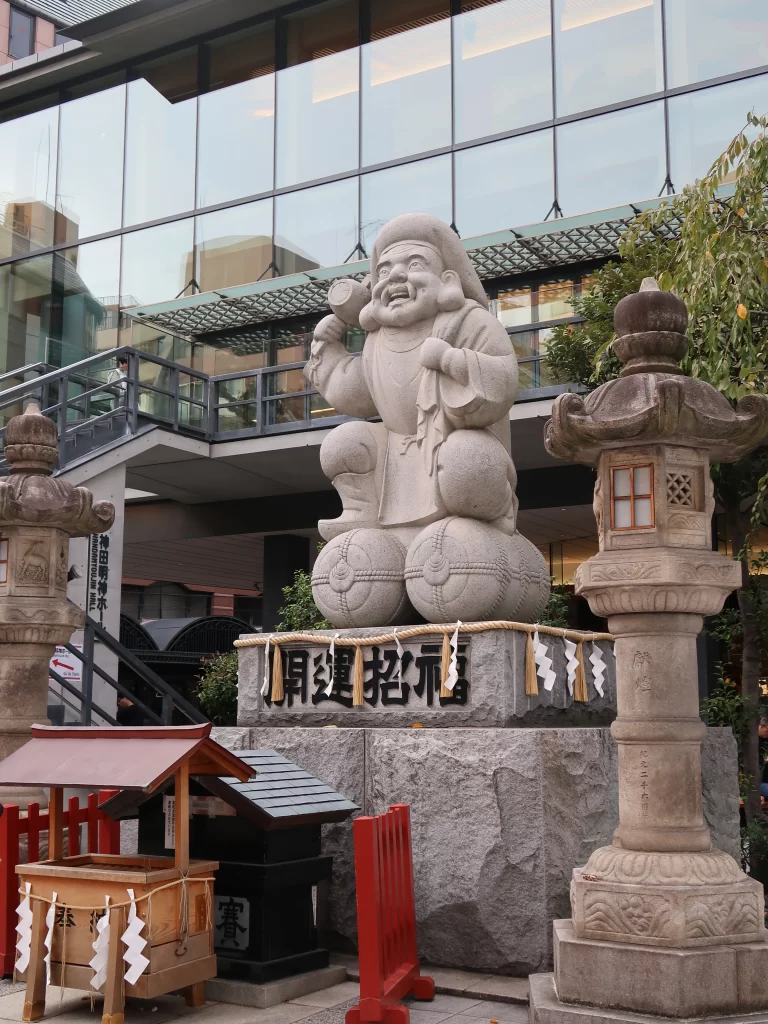
- Daikokuten, the god of good fortune and wealth, who brings prosperity to homes and businesses.
- Ebisu, the cheerful god of fishermen and commerce, often depicted holding a sea bream.
- Taira no Masakado, a historical samurai from the 10th century, who later became a protective spirit of the city.
Together, these gods symbolize luck, success, and protection — values deeply rooted in Japanese culture. Many Tokyo residents, entrepreneurs, and even major corporations visit Kanda Myojin to pray for business success, safe travels, and family happiness.
One of the most famous events held at the shrine is the Kanda Matsuri, one of Tokyo’s three great festivals. It takes place in mid-May in odd-numbered years and has been celebrated for over 400 years. During the festival, magnificent processions of portable shrines (mikoshi), musicians, and dancers parade through the streets of central Tokyo, including Nihonbashi and Akihabara. The lively celebration symbolizes the unity of the city and its people, as well as gratitude to the gods for peace and prosperity.
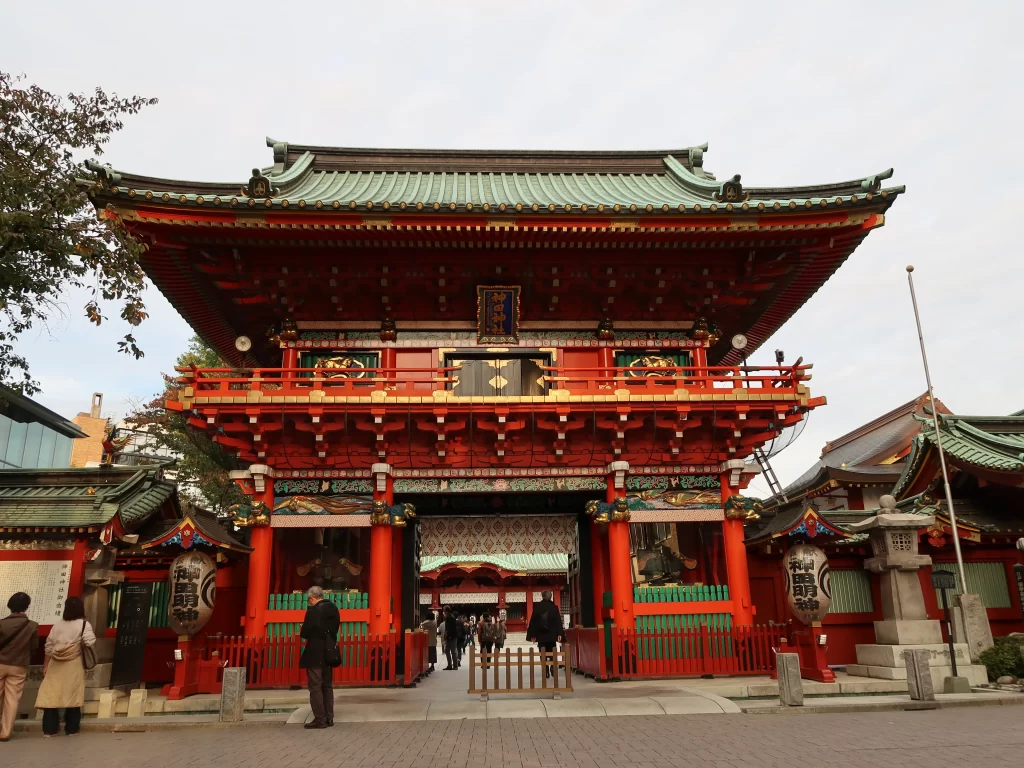
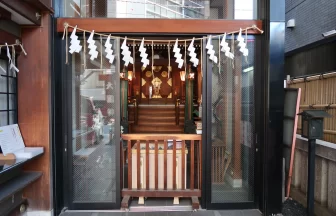
Architecturally, Kanda Myojin is striking. The main gate, painted in vivid vermilion, leads visitors into a courtyard where the main hall stands, richly decorated with gold and intricate carvings. The combination of traditional design and modern Tokyo skyline in the background creates a unique and photogenic atmosphere. The shrine grounds also feature a small museum, souvenir shop, and ema (wooden prayer plaques) where visitors write wishes for success, love, or good health.
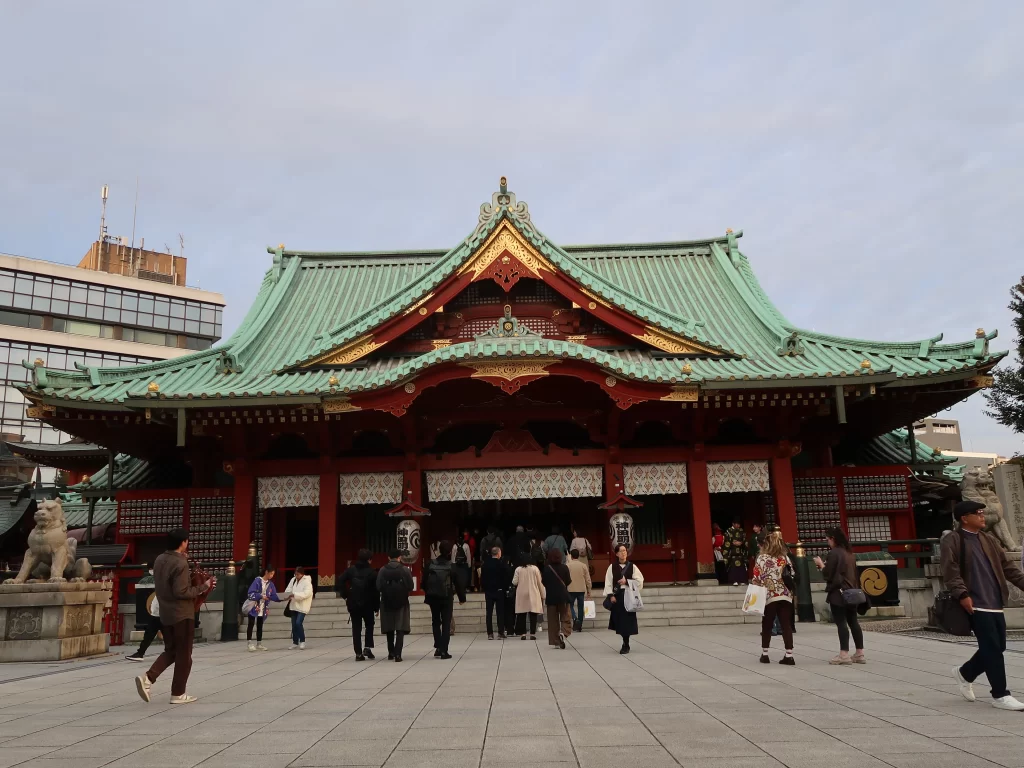
What makes Kanda Myojin particularly interesting for foreign visitors is how it blends ancient spirituality with contemporary culture. Located just a few minutes from Akihabara — Tokyo’s “Electric Town” known for anime and technology — the shrine has embraced modern influences. You can find omamori (good luck charms) featuring anime characters, IT-themed amulets that protect electronic devices from malfunctions, and even digital QR codes for prayer donations. This fusion of old and new perfectly reflects Tokyo’s identity — a city where history and innovation coexist in harmony.
Throughout the year, Kanda Myojin hosts numerous seasonal events such as New Year’s celebrations, Setsubun (bean-throwing for good luck), and summer festivals. It’s also a popular place for traditional Shinto weddings, where couples dressed in white kimono walk gracefully through the courtyard.

For travelers, Kanda Myojin offers more than just a religious site — it provides a deep insight into Japanese culture, spirituality, and aesthetics. Visitors can experience the calm of sacred rituals just steps away from the hustle of modern Tokyo. Whether you come to admire the architecture, buy a lucky charm, or simply enjoy the peaceful atmosphere, Kanda Myojin invites everyone to connect with Japan’s living traditions.
Standing in its courtyard, with the sound of bells and the scent of incense in the air, you can feel both the strength of history and the spirit of the city — a reminder that even in the most modern metropolis, the heart of old Edo still beats strong at Kanda Myojin.
How to get this place
Address:
2-16-2 Sotokanda, Chiyoda-ku, Tokyo
Access:
From Akihabara Station: 11 minutes on foot.
Information
Open year-round

No comments yet.