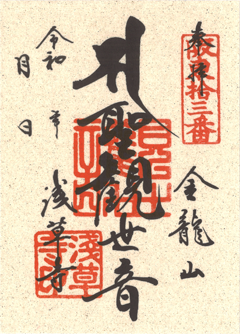
In Japan, many visitors to temples and shrines carry a small book filled with beautiful calligraphy and red stamps. This special book is called a Goshuin-chō, and the stamps inside are known as Goshuin. The word literally means “honorable red seal.” For Japanese people, collecting Goshuin is both a spiritual practice and a form of cultural appreciation, combining religion, art, and personal memory.
A Goshuin is a hand-drawn seal that worshippers receive at Buddhist temples and Shinto shrines after offering prayers. It usually includes three parts: the name of the temple or shrine, the date of the visit, and artistic calligraphy written in black ink. A red stamp, often featuring the temple’s crest or sacred symbol, is placed over or beside the calligraphy. Each Goshuin is unique, reflecting the history and personality of the sacred site.
Receiving a Goshuin is considered an act of respect and devotion. Traditionally, it was proof that someone had made a religious offering or copied a Buddhist sutra. Over time, it became a keepsake of one’s visit, much like a sacred travel diary. Today, both believers and tourists enjoy collecting Goshuin as a way to experience Japan’s deep spiritual traditions.
How to Receive a Goshuin
When you visit a temple or shrine, you can request a Goshuin at a counter called the Goshuin-jō or Shuinjo. It’s usually located near the main hall or office. You present your Goshuin book (Goshuin-chō), and a monk or shrine attendant will write the seal by hand using brush and ink. Watching them create it is a calming and impressive moment — each stroke is full of grace and meaning.
If you don’t yet have a book, many temples and shrines sell beautifully designed ones, often covered in fabric with traditional patterns or the emblem of the temple. The price for a Goshuin is usually between 300 and 500 yen, considered a donation rather than a fee.
It’s important to remember that this is a religious act, not a souvenir stamp. You should bow or offer a small prayer before requesting one, and avoid asking while ceremonies are in progress. Photography of the writing process is sometimes discouraged, so it’s best to check politely first.
Design and Meaning
Every Goshuin is a work of art. Some are written in elegant calligraphy; others include images of deities, flowers, or special seasonal motifs. For example, during the New Year or a temple’s anniversary, limited-edition Goshuin with gold ink or colorful designs may be offered. Collectors cherish these as expressions of devotion and creativity.
In Buddhist temples, the seal often bears the name of the temple’s principal deity, such as Kannon (the Goddess of Mercy) or Amida Buddha. At Shinto shrines, the characters may represent the enshrined kami, or spirit, along with the shrine’s name. Together, they form a sacred message expressing gratitude and blessings.
The Goshuin Pilgrimage Experience
Some travelers enjoy doing Goshuin Meguri, a pilgrimage to collect Goshuin from multiple temples or shrines in one region. For example, the Shichifukujin Meguri (Seven Lucky Gods Pilgrimage) or the 88 Temple Pilgrimage in Shikoku are popular journeys. Each Goshuin marks a step along a spiritual path — a tangible reminder of one’s prayers, reflections, and encounters during the trip.
As your book fills up, it becomes a deeply personal record of your travels and spiritual moments across Japan. Many people treasure their Goshuin-chō as one of their most meaningful keepsakes.
Cultural Significance
The Goshuin tradition reflects Japan’s unique blend of religious devotion and artistic appreciation. Even for visitors who are not religious, it offers a quiet and respectful way to connect with Japanese spirituality. It encourages mindfulness — slowing down, observing, and showing gratitude. The brushwork and red seals represent the temple’s living spirit, passed from one hand to another.
By collecting Goshuin, visitors participate in a centuries-old dialogue between people and the divine. It’s not just about collecting stamps, but about cherishing the places, prayers, and moments behind each one.
Conclusion
The practice of Goshuin reminds us that travel in Japan is not only about seeing famous sights, but also about finding peace and inspiration in small, sacred encounters. Each red seal is a story — a blend of faith, art, and memory that links the past to the present. Whether you are a pilgrim, a traveler, or simply a curious guest, receiving a Goshuin is a beautiful way to experience the heart of Japan’s spiritual culture.





No comments yet.