Japan has long had two types of religious facilities: shrines and temples. Shrines are places of worship for Shinto, honoring the gods of nature and ancestral spirits. Temples, on the other hand, are places of worship for Buddhism, where people pay respects to Buddha and bodhisattvas and seek enlightenment. Both are deeply intertwined with Japanese life, attracting many visitors during events like New Year’s visits (hatsumōde) and the Bon Festival. When visiting, there are several important etiquette points to observe.
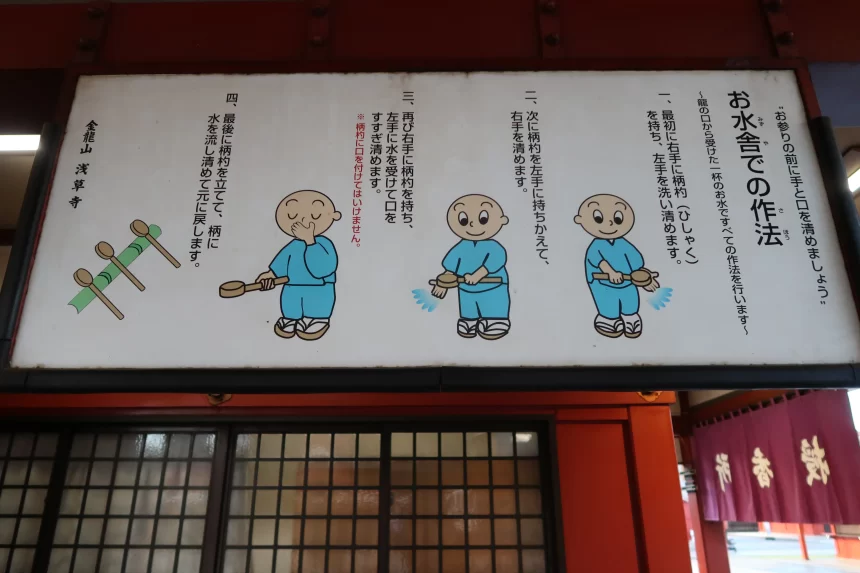
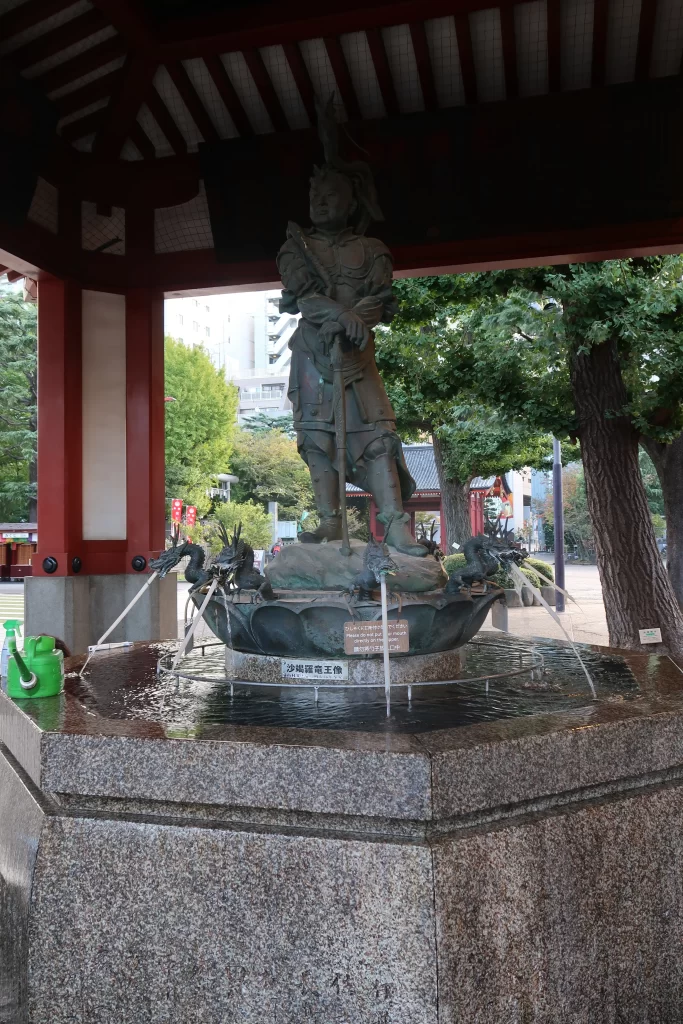
First, when visiting a shrine, bow once before passing through the red gate called a “torii.” The torii signifies the entrance to a sacred place. Once inside the shrine grounds, it is polite to walk slightly to the side, as the center of the approach path is considered the path for the gods. Purify your hands and mouth at the temizuya (water purification pavilion) before proceeding to the main hall. The basic purification method involves scooping water with a ladle, washing your left hand, then your right hand, cupping water in your left hand to rinse your mouth, and finally placing the ladle handle upright to drain the water.
※If there is no water in the temizuya or you feel uncomfortable rinsing your mouth, you may proceed with your visit without issue.
At the main hall, place an offering in the donation box and ring the bell to announce your arrival to the deity. Then, pray using the “two bows, two claps, one bow” ritual. This means bowing deeply twice, clapping your hands twice, and bowing once more. The important thing is not so much making a wish, but expressing gratitude for daily blessings.
At temples, the etiquette differs slightly. First, bow once before the gate before entering. Walk quietly within the temple grounds. Before Buddhist statues, place your hands together and bow your head slightly; do not clap. If offering incense or candles, be mindful not to disturb others. Also, if you see a priest or someone in training, it is polite to refrain from taking photographs.
At both types of sites, it’s important to remove hats and sunglasses, calm your mind, and worship quietly. Shrines and temples are places of prayer before they are tourist destinations. Even if not explicitly prohibited, keep photography and smartphone use to a minimum.
Finally, the purpose of visiting is not just to “make requests,” but to “express gratitude.” With a quiet heart, join your hands and enjoy the experience of connecting with Japan’s traditional faith culture.
After your prayer, you can try Omikuji (fortune slips) to see your luck.
If you want to experience this properly, visit famous shrines like:
For a unique experience, visit Atago Shrine, where you can enjoy traditional shrine culture with a view of Tokyo Tower nearby.


No comments yet.