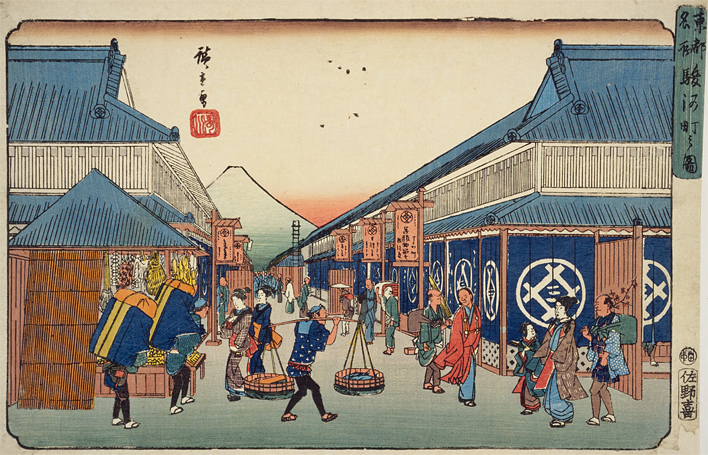
What Is a Depachika?
Nihonbashi Mitsukoshi is not only Japan’s oldest department store but also one of its most elegant. Founded in 1673 as a kimono shop called Echigoya, Mitsukoshi became Japan’s first modern department store in the early 1900s. Today, its flagship store in Nihonbashi remains a symbol of refined taste and tradition. Beneath its grand Art Deco building lies one of Tokyo’s most famous depachika — a basement-level food hall that is truly a paradise for food lovers.
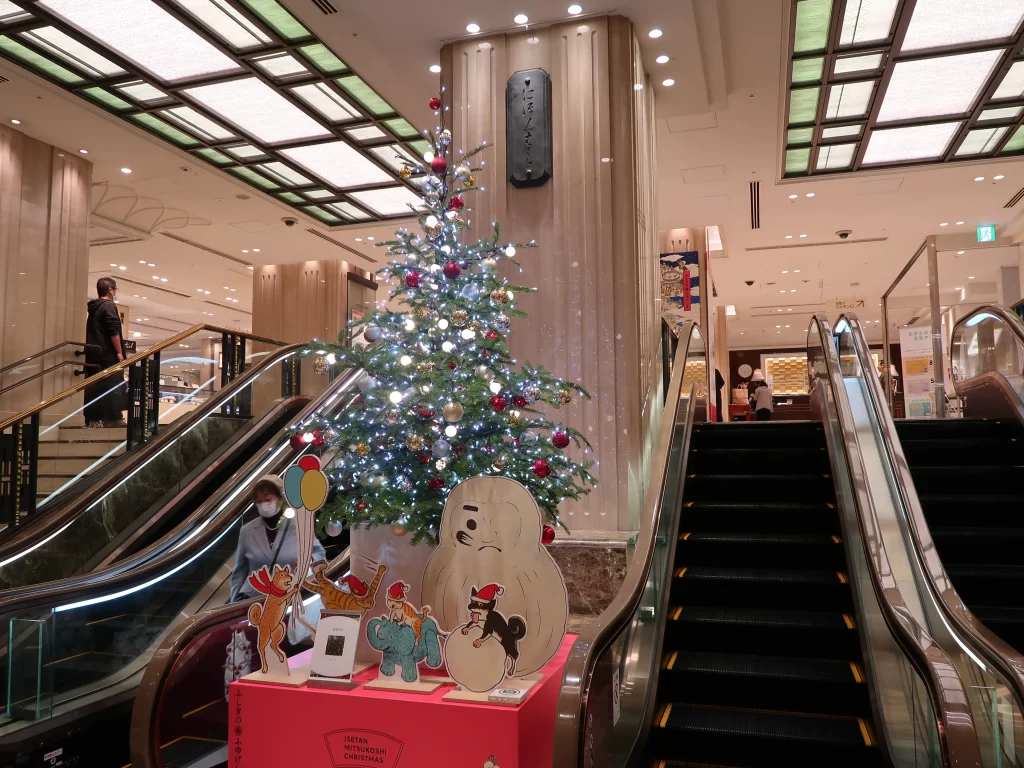
Why Is Mitsukoshi’s Depachika Famous?
The depachika of Nihonbashi Mitsukoshi represents the heart of Japanese culinary art and hospitality. As you step off the escalator, you are greeted by a world of colors, aromas, and elegant displays. Counters line the floor with an almost museum-like sense of order and beauty. Every dish, dessert, and ingredient is arranged with care, inviting customers to appreciate food not only with their palate but with their eyes.
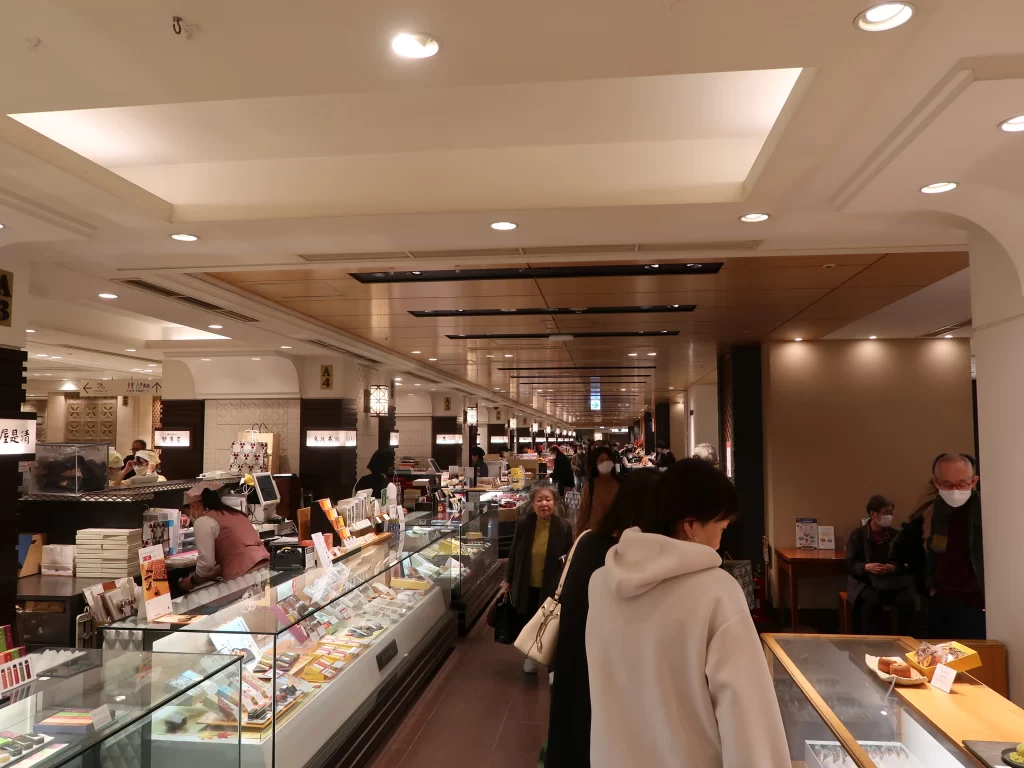
What Foods Can You Find?
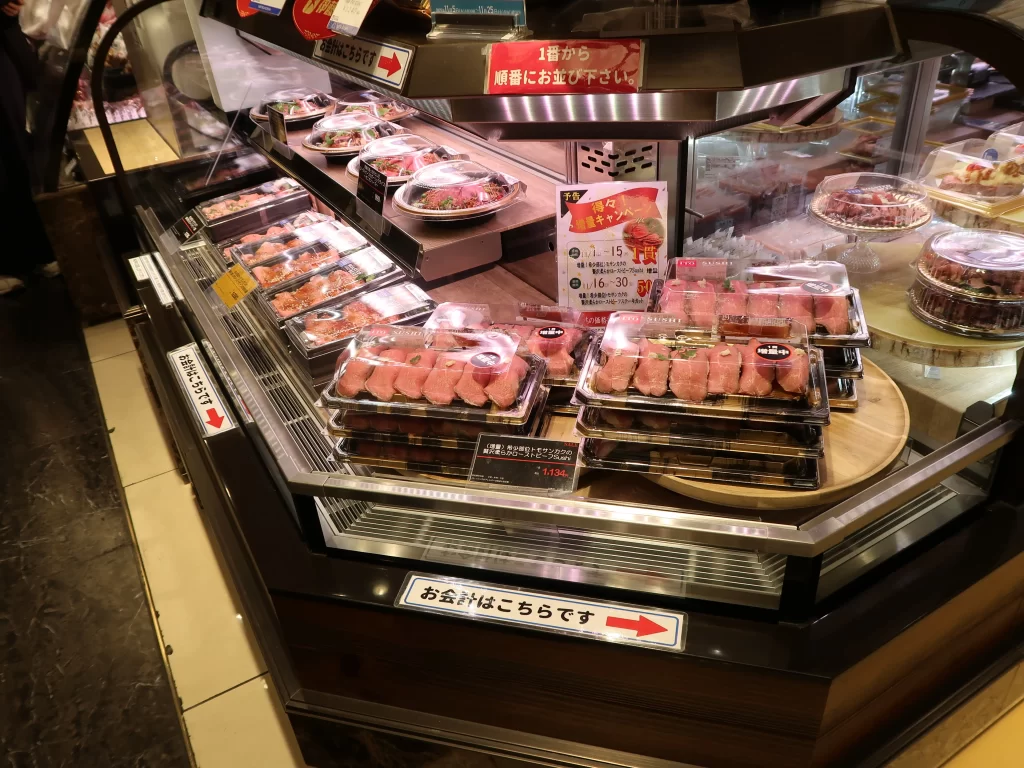
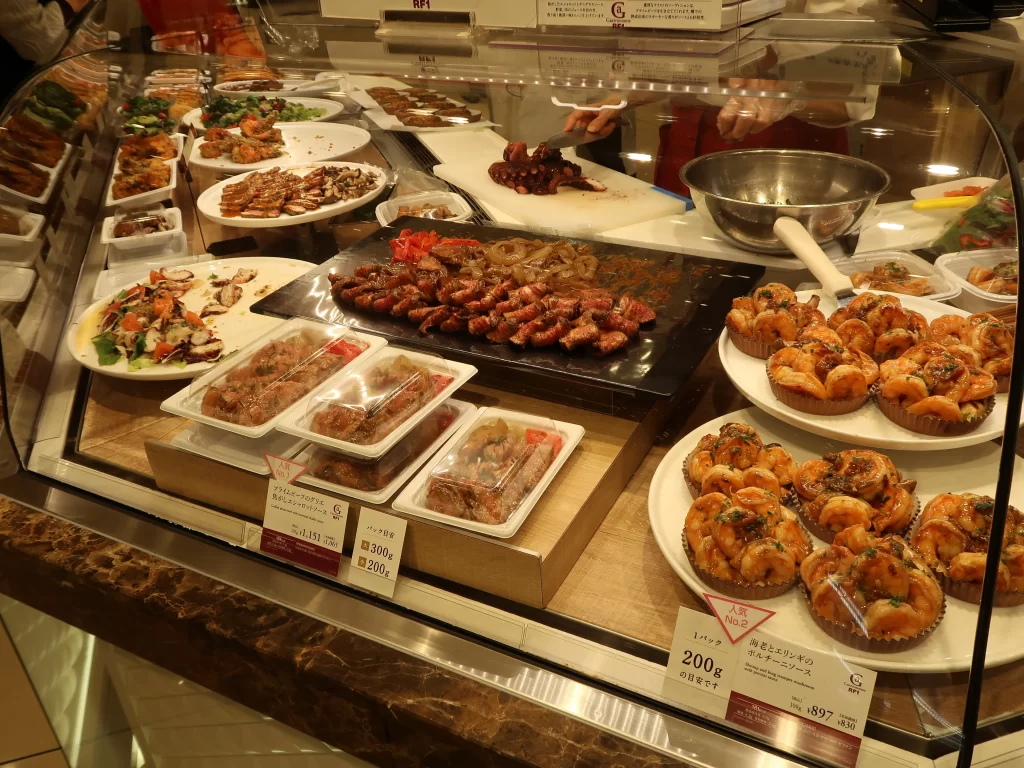
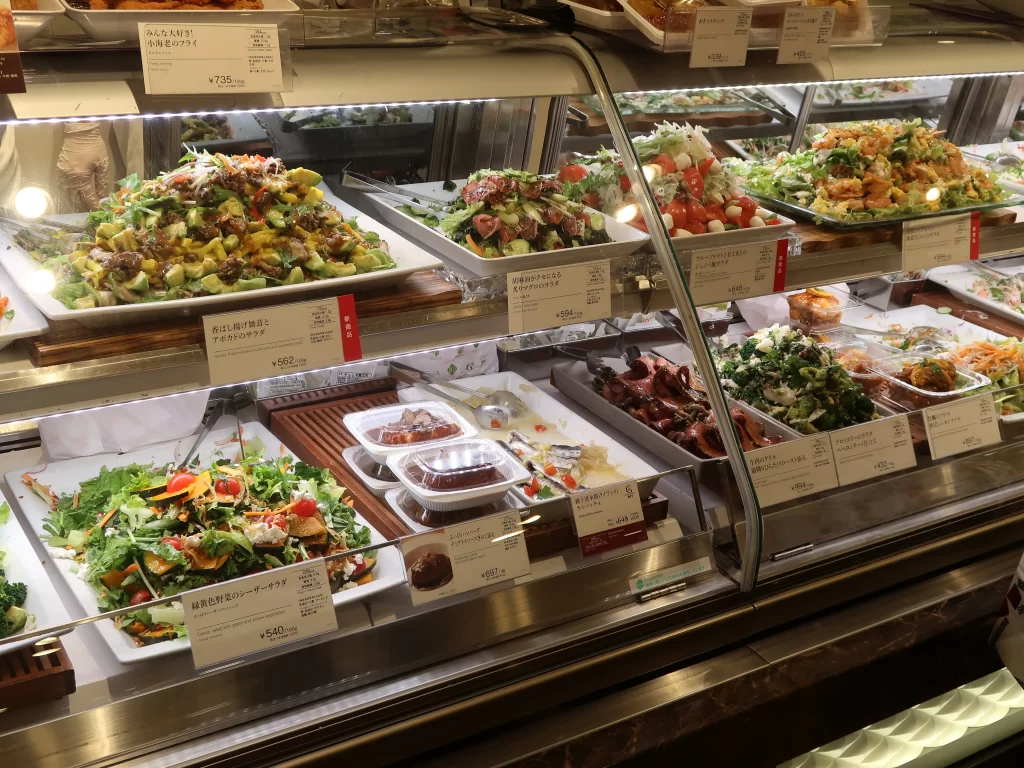
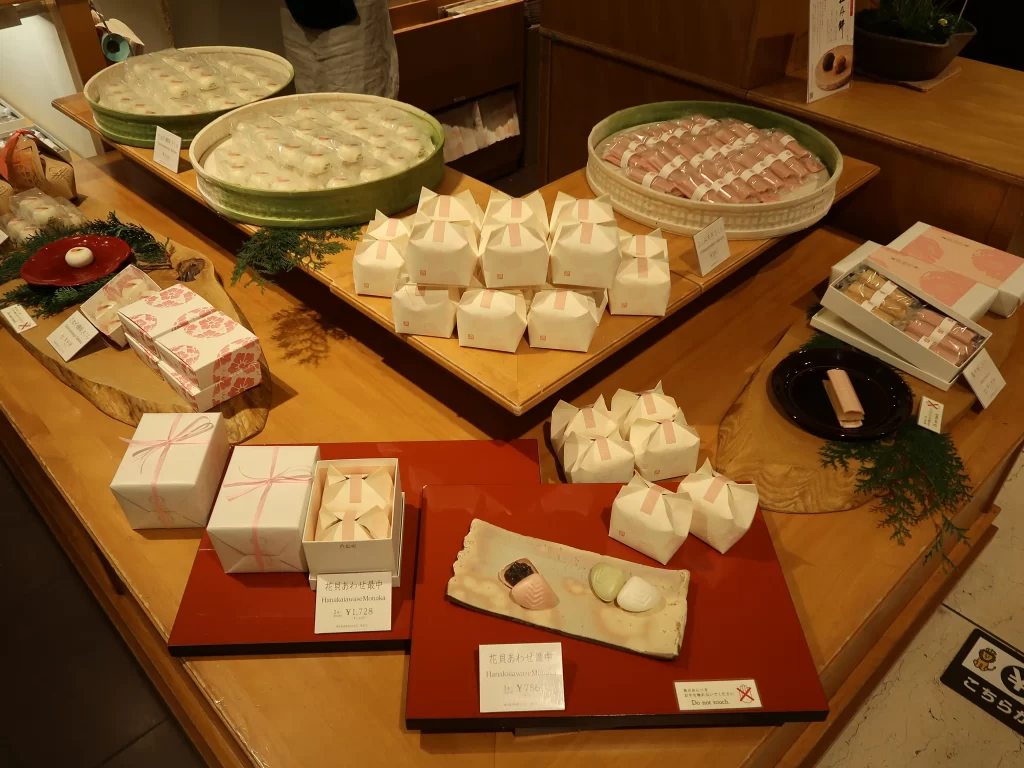
Here you can find an incredible variety of Japanese and international foods. The sushi counters offer beautifully crafted nigiri made with the freshest seafood. Bento boxes feature perfectly balanced portions of rice, vegetables, and meat, each arranged like a miniature work of art. Nearby, delicatessen-style sections sell croquettes, salads, and fried chicken, ideal for take-out lunches or dinners. The sweet section is equally impressive — from delicate wagashi (traditional Japanese sweets) shaped like flowers to luxurious Western-style cakes and chocolates made by top patisseries from Tokyo, Paris, and beyond.
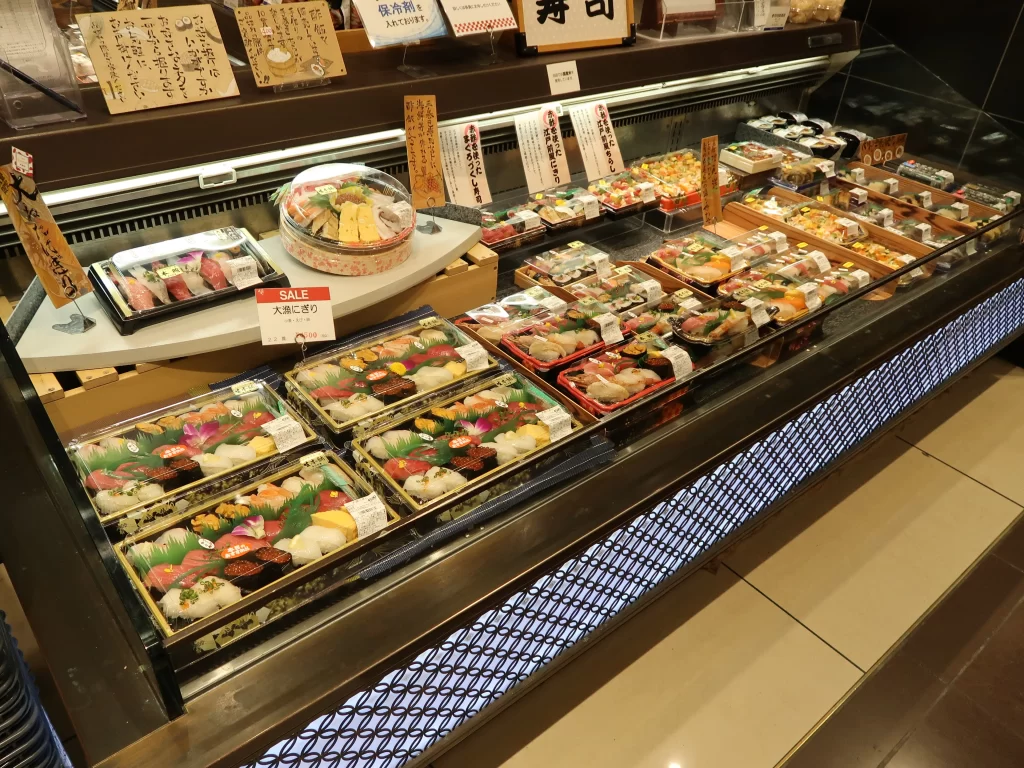
Why Depachika Food Is So Beautiful
One of the highlights of Mitsukoshi’s depachika is its emphasis on presentation and packaging. Every item, even a simple rice cracker, is wrapped with exceptional attention to detail. This reflects the Japanese spirit of omotenashi — heartfelt hospitality — and the cultural importance of gift-giving. It is a perfect place to buy omiyage (souvenirs or gifts), whether beautifully wrapped sweets, premium tea, or seasonal specialties like chestnut desserts in autumn and sakura-themed treats in spring.
Seasonal Specialties
The depachika also offers a fascinating glimpse into Japan’s seasonal food culture. The selection changes throughout the year, celebrating ingredients like bamboo shoots in spring, eel in summer, and osechi (traditional New Year’s dishes) in winter. During festive periods, such as the New Year or Valentine’s Day, the entire floor transforms into a dazzling display of color and creativity.
Is It Worth Visiting?
What makes the Nihonbashi Mitsukoshi depachika unique is its deep connection to Japanese history. Nihonbashi itself was once the commercial heart of Edo (old Tokyo), and Mitsukoshi’s heritage reflects that spirit. Many long-established Japanese food brands — some with centuries of history — have counters here. You can taste tsukemono (pickles), wagyu beef, or Kyoto-style sweets, all representing regional traditions brought together in one elegant space.
Even if you are not shopping, simply walking through the depachika is an experience worth having. The atmosphere combines the sophistication of an art gallery with the warmth of a neighborhood market. Staff members bow politely, offer samples, and assist with careful wrapping. For many foreign visitors, this encounter reveals Japan’s deep cultural values — precision, respect, and aesthetic harmony — all expressed through food.
If you’re visiting Tokyo for the first time, you may also want to read our guide on common Tokyo travel mistakes first-time visitors make.
How to Use Depachika (Step-by-Step Guide)
Visiting a depachika for the first time can feel overwhelming, but it’s actually very simple once you understand how it works. Here is a step-by-step guide to help you enjoy it like a local.

1. Walk Around Before Buying
Most depachika are large and filled with dozens of food counters.
Take your time to explore first.
You’ll find everything from sushi and bento boxes to desserts and traditional Japanese sweets.
Unlike food courts, each shop specializes in one type of food, so comparing options is part of the experience.
2. Choose Your Food at the Counter
Once you find something you like, simply point or tell the staff what you want.
・Many displays show realistic food samples
・Prices are clearly listed
・Staff are used to tourists, so basic English or gestures work fine
3. Ordering is Easy
You don’t need to speak Japanese fluently.
You can say:
・“This one, please”
・“Two of these”
・Or just point
The staff will confirm your order and prepare it for you.
4. Payment Methods
Most depachika accept:
・Credit cards (Visa / MasterCard / AMEX)
・IC cards (Suica / PASMO)
・Cash
Some stores may be cash-only, so it’s good to carry some yen.
5. Eat-in or Takeaway?
This is important:
Most depachika are takeaway only
・Food is beautifully packaged
・Designed to be eaten at home, hotel, or nearby seating area
Some locations have:
・Small eat-in counters
・Shared seating spaces
But don’t expect a typical food court.
6. Avoid Eating While Walking
In Japan, eating while walking is generally considered bad manners.
Take your food to:
・Your hotel
・A park
・A designated seating area
7. Best Time to Visit
Timing makes a big difference.
・Late afternoon to evening (5–7 PM) → Busy but exciting
・Just before closing → Discounts on bento and prepared foods
If you want deals, go later in the day.
8. Try Free Samples (If Available)
Some shops offer small samples, especially for sweets.
But remember:
・Don’t take too many
・Always be polite
Pro Tip
If you’re not sure what to try, start with:
・Sushi
・Bento boxes
・Wagashi (Japanese sweets)
These are the most popular choices among both locals and visitors.

Visitor Tips
After exploring the food hall, visitors can enjoy tea or lunch at one of the restaurants upstairs, or take their selections to the nearby Nihonbashi River for a quiet picnic. Whether you are seeking a high-end culinary souvenir or simply want to experience Japanese everyday luxury, the depachika at Nihonbashi Mitsukoshi is an unforgettable destination.
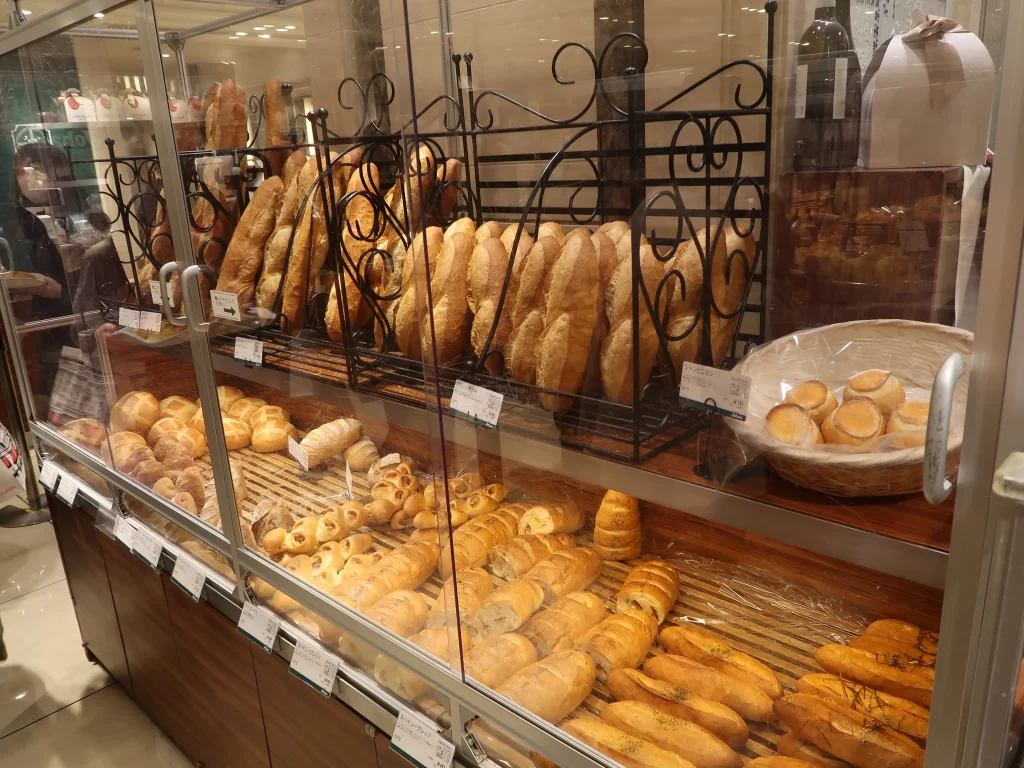
In this underground world of taste and beauty, every detail — from the shine of a lacquered bento box to the scent of freshly baked bread — reflects the harmony of tradition and modernity that defines Tokyo itself.

How to get this place
Address:
1 Chome-4-1 Nihonbashimuromachi, Chuo City, Tokyo
Access:
From Ueno Station:

Take the Ginza Line to Mitsukoshimae Station. The ride takes about 7 minutes. From there, it’s another 2 minutes on foot.
Information
Business Hours: 10:00 AM to 7:00 PM
(Food & 1st Floor: 10:00 AM to 7:30 PM)
Restaurant Business Hours
Main Building: 11:00 AM to 7:00 PM (7th Floor)
New Building: 11:00 AM to 10:00 PM (B1, 9th Floor, 10th Floor)
※Please note that restaurant and cafe operating hours vary by location on each floor.
We recommend checking in advance before visiting.
FAQ — Depachika in Tokyo
What is a depachika?
A depachika is the basement food hall of a Japanese department store where visitors can buy high-quality meals, sweets, and regional specialties.
Why are depachika so popular in Japan?
They are popular because they combine gourmet food, beautiful presentation, seasonal products, and convenient takeaway meals all in one place.
What can you buy at a depachika?
You can buy sushi, bento boxes, wagashi sweets, fried foods, salads, premium tea, chocolates, and regional delicacies from across Japan.
Is a depachika worth visiting for tourists?
Yes. Even without buying anything, walking through one is considered a cultural experience because of the elegant displays and hospitality.
What is special about the Mitsukoshi depachika?
It is located in Japan’s oldest department store, founded in 1673, and showcases long-established food brands alongside modern gourmet shops.
If you need help planning your trip to Tokyo, our Tokyo Travel Concierge can assist you with transportation, sightseeing plans, and travel advice.Learn more about our Tokyo Travel Concierge service here.

No comments yet.