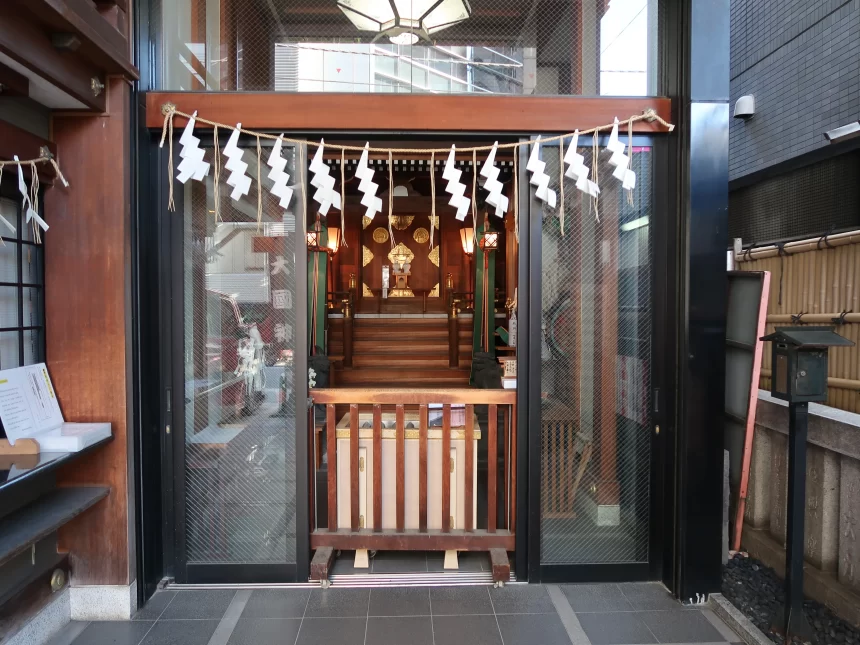
Shichifukujin Meguri, or the Seven Lucky Gods Pilgrimage, is a traditional Japanese custom in which people visit shrines and temples dedicated to seven deities of good fortune. Each of these gods represents a different type of blessing—such as prosperity, wisdom, longevity, or happiness—and visiting all seven is believed to bring good luck for the entire year.
The Seven Lucky Gods are:
- Ebisu – The god of prosperity and fishermen. The only deity of purely Japanese origin.
- Daikokuten – The god of wealth and commerce, often depicted with a large sack and a magical mallet.
- Bishamonten – A guardian deity associated with victory, protection, and good fortune.
- Benzaiten – The goddess of art, music, knowledge, and financial blessings.
- Fukurokuju – A deity symbolizing happiness, high status, and long life, known for his distinctive elongated head.
- Jurōjin – The god of longevity, often shown with a staff and a scroll.
- Hotei – The cheerful god of abundance and contentment, carrying a large bag filled with blessings.
■ What is the Experience Like?
Shichifukujin Meguri is especially popular during the New Year season, when many people hope to collect good luck for the coming year. However, most pilgrimage routes can be enjoyed throughout the year, making it a meaningful cultural activity for travelers.
The process is simple:
- Visit the seven shrines or temples where each deity is enshrined
- Offer prayers at each site
- Collect Goshuin (temple or shrine stamps) on a special sheet as a memorable souvenir
Many routes are walkable and located in charming historical districts, allowing visitors to enjoy both cultural discovery and sightseeing at the same time.
■ Why is it Popular?
- Cultural insight: It introduces visitors to Japan’s unique blend of Shinto, Buddhist, and folk traditions
- Enjoyable sightseeing: The routes often pass through local neighborhoods, markets, and scenic streets
- Symbolic meaning: Travelers enjoy the idea of “bringing good luck home”
- Goshuin collecting: Stamps from each location serve as beautiful travel mementos
■ Recommended Pilgrimage Routes (Tokyo)
Some of the most popular routes in Tokyo include:
- Asakusa Shichifukujin – The most famous route, including Sensō-ji and Imado Shrine
- Nihonbashi Shichifukujin – A historic course with strong ties to Japan’s commercial past
- Yanaka Shichifukujin – A peaceful route through an old Tokyo neighborhood
Each route typically ranges from 2 to 6 kilometers and can be completed within a half day to a full day.




No comments yet.