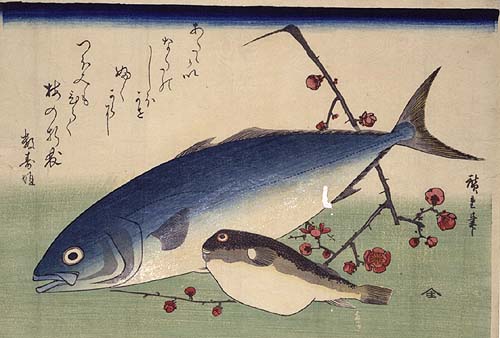
Fugu, or pufferfish, is one of Japan’s most famous and intriguing delicacies. Known for its delicate flavor, unique texture, and the special culinary traditions surrounding it, fugu has long fascinated both Japanese diners and international visitors. It is widely recognized not only as a luxury food but also as a fish that must be handled with great care due to its natural toxicity. This combination of refinement and danger makes fugu a truly unforgettable part of Japanese food culture.
■ What Is Fugu?
Fugu refers to various species of pufferfish found mainly in the waters around Japan. There are more than 100 species, but only a limited number—such as tora-fugu (tiger puffer)—are used for cooking. The fish is prized for its translucent white flesh, firm texture, and clean, subtle taste.
Fugu contains a powerful toxin called tetrodotoxin, which is concentrated in certain organs such as the liver and ovaries. However, the edible parts of the fish are completely safe when properly prepared. Japanese culinary traditions and strict regulations ensure that only specialists with extensive training can process the fish.
■ Why Fugu Is Special in Japan
Fugu has been eaten in Japan for centuries, but its consumption has always been closely tied to safety concerns. In certain historical periods, the government banned fugu entirely because of accidental poisonings. It was not until the late 19th century that fugu consumption was legalized again, beginning in Yamaguchi Prefecture, where skilled chefs developed safe preparation techniques.
Today, Japan maintains a strict licensing system: only certified chefs—who complete intense training and pass rigorous examinations—are allowed to prepare fugu. Thanks to this system, fugu served at Japanese restaurants is extremely safe, and the quality of preparation is guaranteed.
■ Popular Fugu Dishes
Fugu can be enjoyed in many forms, each highlighting different aspects of its flavor and texture.
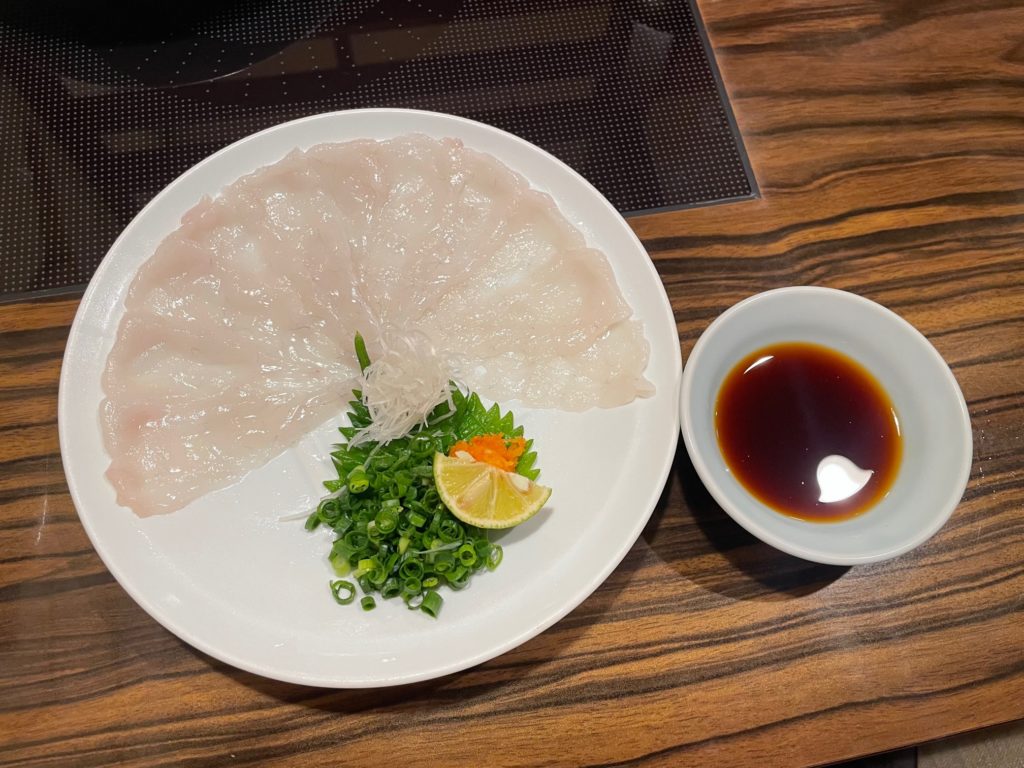
- Tessa (Fugu Sashimi)
Ultra-thin slices of raw fugu arranged beautifully on a large plate. The subtle flavor and firm, almost elastic texture make it a unique sashimi experience. It is typically eaten with ponzu (citrus soy sauce), scallions, and chili radish.
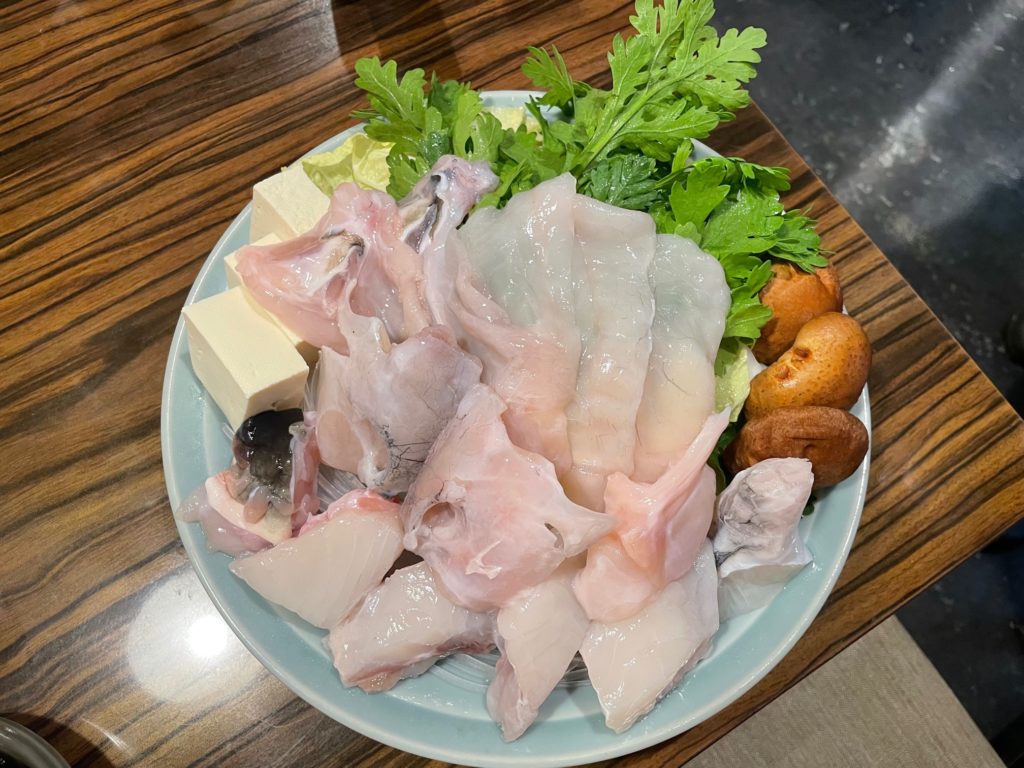
- Tecchiri (Fugu Hot Pot)
A hearty hot pot made with fugu meat, bones, and vegetables simmered together. As the ingredients cook, the broth becomes rich with umami. The remaining soup is often used to make a comforting rice porridge at the end of the meal.
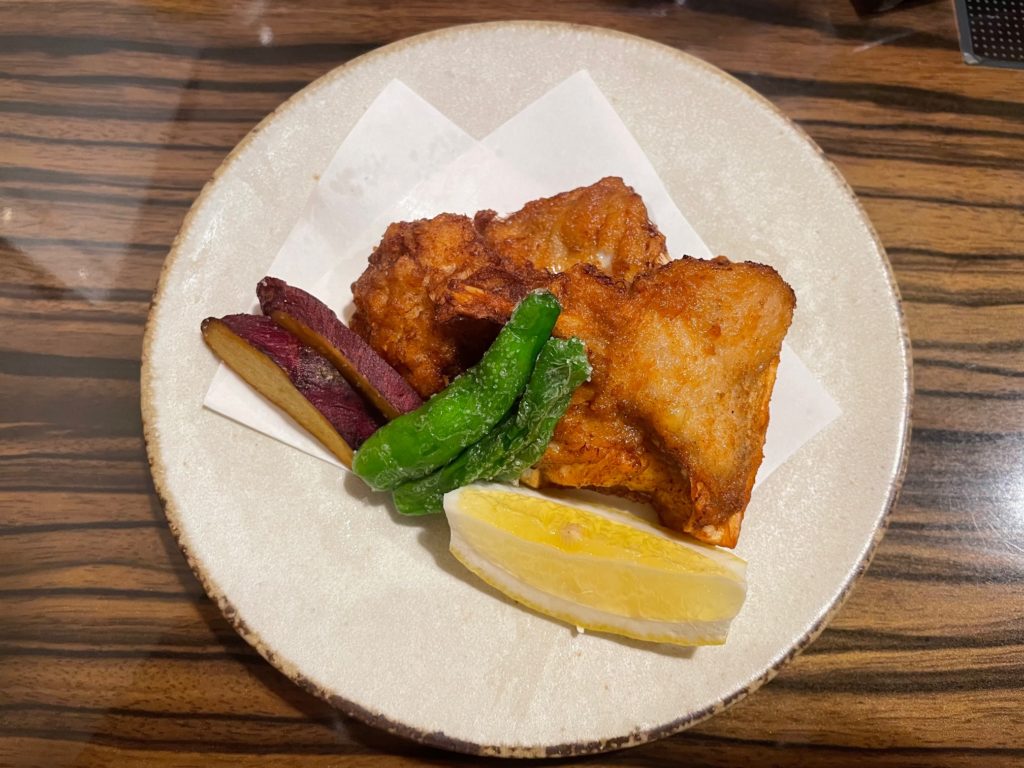
- Fugu Karaage (Deep-Fried Fugu)
Lightly seasoned pieces of fugu fried to a crisp. The dish has a satisfying bite and pairs well with Japanese sake or beer. - Hire-zake (Fugu Fin Sake)
Hot sake infused with grilled fugu fin, creating a fragrant drink with a smoky aroma—a uniquely Japanese culinary experience.
Each dish showcases fugu in a different way, allowing diners to appreciate the fish’s versatility and refined character.
■ Safety and Trust
For many foreigners, fugu is famous because of its poison. While the danger is real, the risk is extremely low in Japan thanks to strict laws and skilled chefs. The sale of toxic fugu organs is prohibited, and licensed restaurants follow precise preparation methods. As a result, fugu served in Japan is considered one of the safest ways to enjoy this remarkable fish.
For travelers, the safety standards offer peace of mind, allowing them to enjoy fugu as a special cultural experience without worry.
■ A Memorable Dining Experience
Fugu is considered a luxury food and is often enjoyed on special occasions. Winter is the peak season when the fish is at its most flavorful and firm. Many restaurants offer full-course menus that include sashimi, hot pot, fried dishes, and rice porridge, giving visitors the chance to experience fugu in multiple styles in a single meal.
For many international travelers, trying fugu becomes one of the highlights of their visit to Japan—not only because of its reputation, but because it reflects the skill of Japanese chefs, the depth of local culinary tradition, and the careful balance of risk and craftsmanship.






No comments yet.