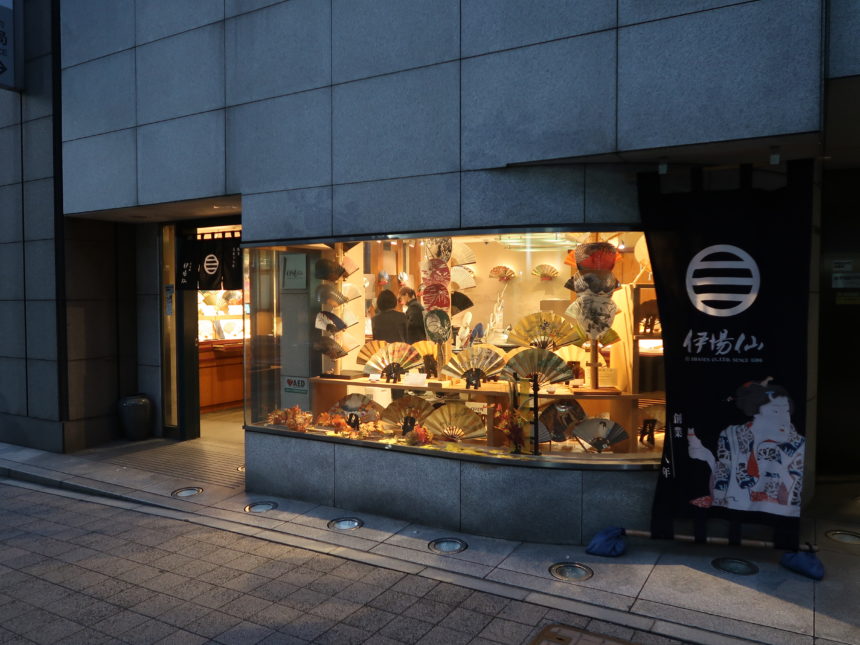
The sensu is one of Japan’s representative traditional tools. This folding fan, combining visual beauty with practicality, has been cherished in Japanese life and culture for over 1,000 years.
The origins of the sensu date back to the Heian period (8th to 12th centuries). Originally, thin wooden boards were layered and bound together with thread, known as “hinoki-ogi.” This later evolved into the modern sensu, where paper or silk is attached to bamboo ribs to create a foldable form, making it lightweight and easy to carry. This technique eventually spread to China and Europe, becoming beloved worldwide as the “folding fan.”
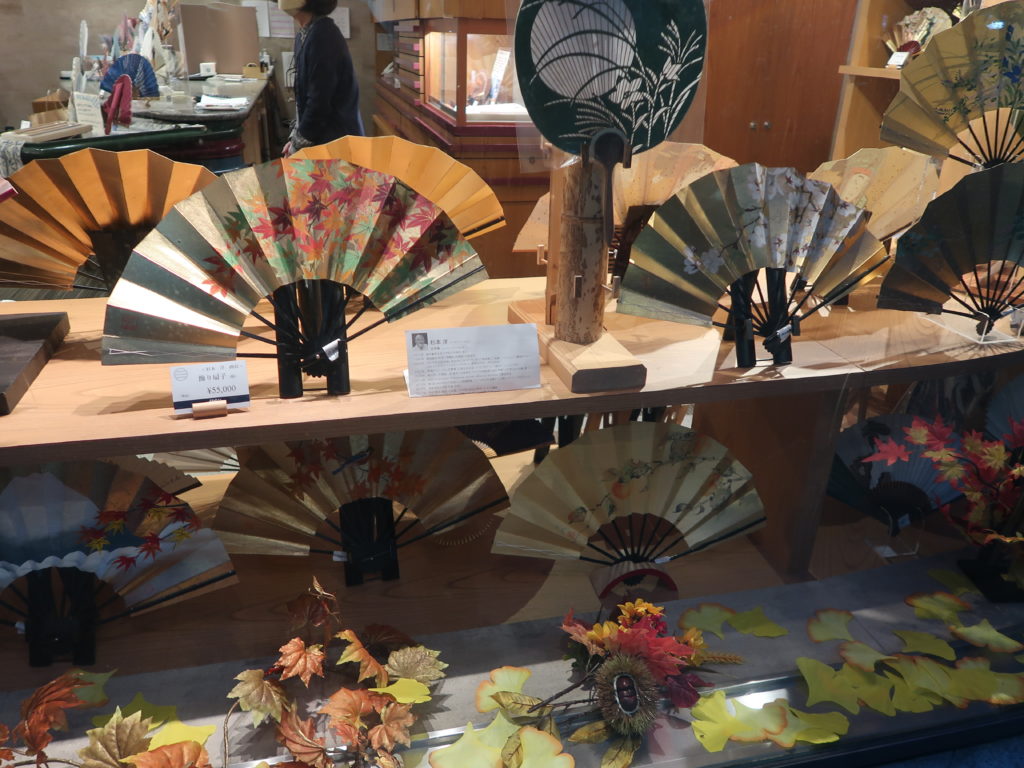
The folding fan serves not only as a tool to create a breeze during hot summers but also plays a significant role in various aspects of Japanese culture. For example, in the tea ceremony, it is used as a symbol of etiquette. Participants place it in front of them while seated in seiza, indicating a “distance of respect” between themselves and their host. Furthermore, in traditional performing arts such as Japanese dance, Noh, and Kabuki, the fan is an indispensable prop. On stage, a single fan can express the movements of nature—wind, flowers, waves—and more.
Furthermore, fans are popular as gifts and lucky charms. When opened, the fan’s shape resembles a spreading fan (suehiro), symbolizing “spreading happiness” and “opening good fortune.” For this reason, they are considered auspicious gifts, often named “Suehiro,” at weddings and celebratory occasions.
Today, alongside traditional fans made of Japanese paper and bamboo, a wide variety of styles are produced. These include casual fabric and plastic fans, as well as artistically designed pieces. Popular as a summer fashion accessory, fans are also a sought-after souvenir for foreign tourists visiting Japanese tourist spots. Compact, lightweight, beautiful, and practical, the fan symbolizes the Japanese aesthetic ideal of “harmony between beauty and function.”
History of Ibasen
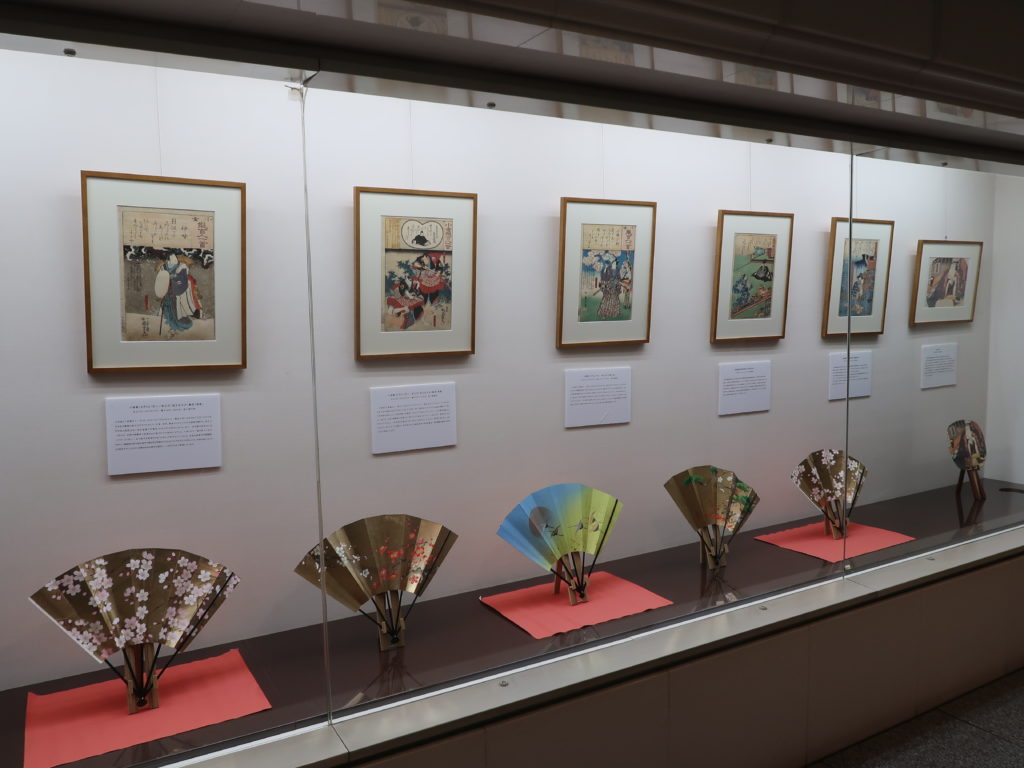
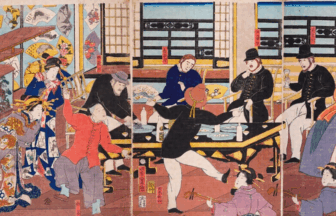
Our company was founded by the first Kanzaemon, who entered Edo in 1590 alongside Tokugawa Ieyasu from Iba Village (present-day Iba-cho, Naka Ward, Hamamatsu City) in Enshu Hamamatsu. Around the Kanei era (1624-1644), when Edo’s development was nearly complete, we began wholesaling bamboo and Japanese paper, then ventured into making Edo-style uchiwa fans. This became the origin of our current business. By the 18th century, printing designs on the front of Edo uchiwa became necessary, so we adopted woodblock printing techniques and sold numerous fans throughout Edo. In the 19th century, we utilized this woodblock printing technology to also produce and sell ukiyo-e prints, publishing numerous works. While domestic sales of ukiyo-e declined significantly in the Meiji era with the advent of photography, overseas orders surged. Consequently, our company continued publishing ukiyo-e prints until the Taisho era. Today, hundreds of ukiyo-e prints bearing the mark “Ibassen-ban” are held in renowned museums such as the Museum of Fine Arts, Boston, USA; the Victoria and Albert Museum, UK; the Vincent van Gogh Museum, Netherlands; and the Guimet Museum, France. It is believed all these were printed by our company during the Meiji period and later. Our company owns over a hundred ukiyo-e prints, a selection of which is currently on display. We invite you to view them.
How to get this place
Address:
4-1 Nihonbashi-Kobunecho, Chuo-ku, Tokyo
Access:
From Ueno Station:

Take the Ginza Line to Mitsukoshimae Station. The ride takes about 6 minutes. From there, it’s another 7 minutes on foot.

Take the Hibiya Line to Kodemmacho Station. The ride takes about 5 minutes. From there, it’s another 8 minutes on foot.
Information
Business Hours
Monday–Saturday: 10:00 AM–6:00 PM
Regular Holidays
Sundays, National Holidays, Year-End and New Year Holidays
Places you can visit together



No comments yet.