The Story of the Ako Rōshi and Sengaku-ji Temple
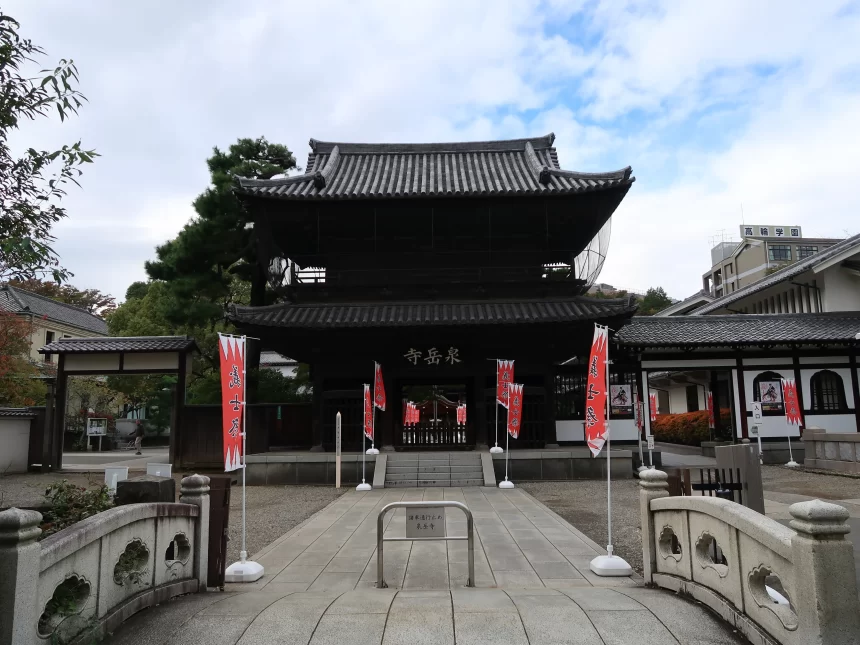
One of Japan’s most famous tales of loyalty and honor is the story of the “Ako Rōshi,” also known as the Forty-Seven Rōnin. It is a true historical event that took place in the early 18th century, during Japan’s Edo period, and it remains a symbol of the samurai spirit. The temple most deeply connected to this story is Sengaku-ji, located in Minato, Tokyo. Today, many visitors from around the world come here to pay their respects and learn about this remarkable story.
The Background: Loyalty and Tragedy
In 1701, a samurai lord named Asano Naganori, ruler of the Ako domain (in modern Hyōgo Prefecture), was assigned to serve at the shogun’s court in Edo Castle. There he encountered Kira Yoshinaka, a senior official known for arrogance and corruption. Kira insulted and humiliated Asano repeatedly, expecting bribes that Asano refused to pay. Finally, Asano’s patience broke — he drew his sword and attacked Kira inside the shogun’s palace, a grave crime at that time.
For drawing a weapon within the castle, Asano was immediately ordered to commit seppuku (ritual suicide), while Kira was left unpunished. Asano’s lands were confiscated, and his samurai retainers suddenly became rōnin — masterless warriors. They were forbidden to take revenge or serve another lord.
The Revenge of the Forty-Seven Rōnin
Despite this, Asano’s chief retainer, Ōishi Kuranosuke, and 46 other loyal followers secretly vowed to avenge their lord’s death. For nearly two years, they hid their plan — living as ordinary townsmen, merchants, or monks — to make the authorities believe they had abandoned their samurai pride.
Then, on a snowy night in December 1702, the 47 rōnin gathered in Edo and stormed Kira’s mansion. They fought fiercely but with discipline, killing Kira and cutting off his head. They then marched across the city to Sengaku-ji Temple, carrying Kira’s head to their master’s grave, where they placed it as an offering and reported that they had fulfilled their duty.
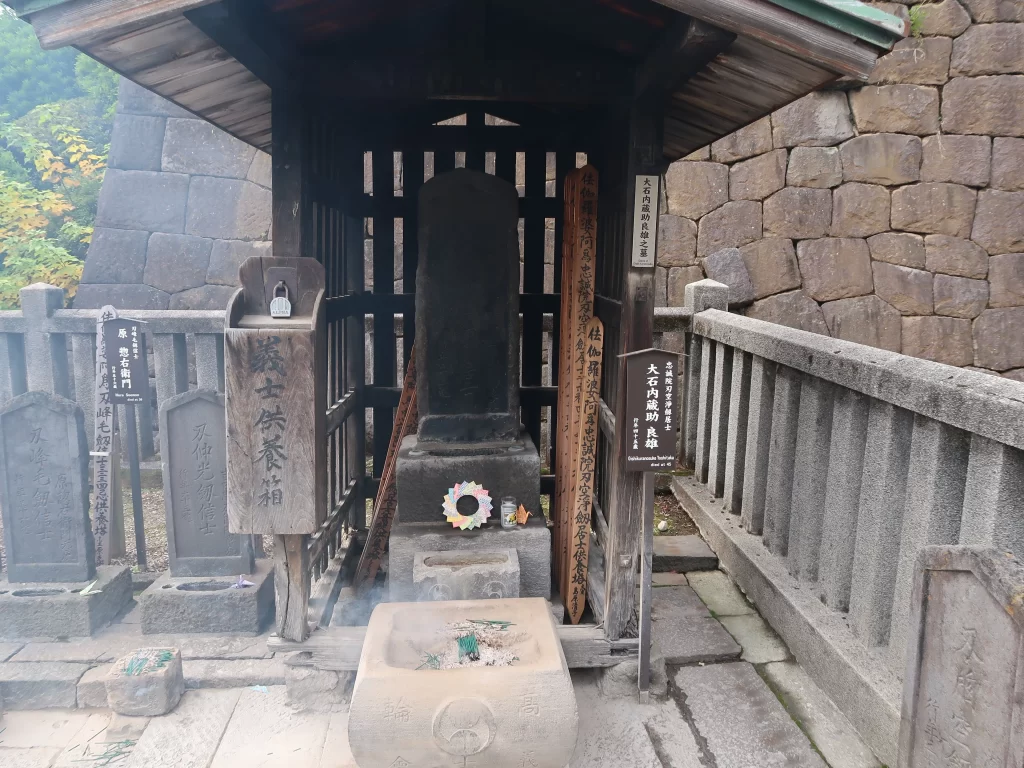
Afterward, the 47 rōnin surrendered to the shogunate. Though their act was against the law, the public admired them for their loyalty and courage. The shogun, moved by their faithfulness, allowed them to die with honor through seppuku rather than execution. They were all buried together at Sengaku-ji Temple beside their master, Lord Asano.
Sengaku-ji Temple Today
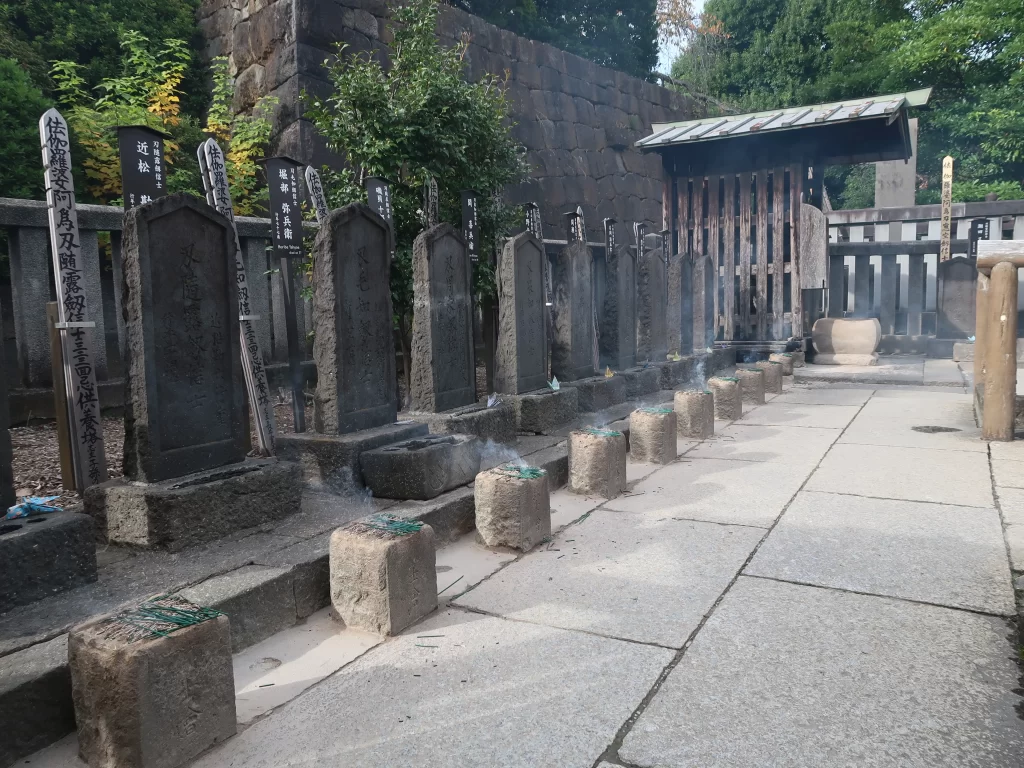
Sengaku-ji is a Zen Buddhist temple of the Sōtō sect, originally built in 1612. It became famous after the Ako Rōshi were buried there in 1703. Today, the temple grounds are quiet and solemn, with stone graves of the 47 rōnin arranged around Lord Asano’s tomb. Visitors often leave incense sticks to honor their spirits — a simple act of respect that even foreign visitors are welcome to perform.
Nearby stands a small museum called the Ako Gishi Memorial Hall, displaying the original weapons, armor, letters, and documents related to the rōnin. You can also see statues of Ōishi Kuranosuke and his men. Here, you can feel the era of the Chushingura, which occurred 300 years ago, right before your eyes.
The Annual Festival
Every year on December 14th, the anniversary of the rōnin’s revenge, Sengaku-ji hosts the Ako Gishi Festival (赤穂義士祭). People from all over Japan come to honor the 47 warriors. A parade of people dressed as samurai marches through the streets, accompanied by drumming, chanting, and offerings. The temple is illuminated, and food stalls line the road, creating a lively yet respectful atmosphere that bridges history and the present.
Meaning and Legacy
The story of the Ako Rōshi embodies the Japanese concept of “chūgi” (忠義) — loyalty, honor, and duty. For centuries, the Forty-Seven Rōnin have been celebrated in plays, literature, and movies, both in Japan and abroad. Western audiences may recognize the tale from the film 47 Ronin, but the true history at Sengaku-ji tells a deeper story — not just of revenge, but of moral choice, sacrifice, and integrity.
Even today, Japanese people visit Sengaku-ji to reflect on what it means to be loyal and true to one’s principles. The temple remains a quiet place of remembrance, where visitors can stand before the graves of real men who chose honor over life.
A Place Where History Lives
For travelers seeking to understand the heart of Japan’s samurai spirit, Sengaku-ji is more than a temple — it is a story carved in stone. The graves of the Forty-Seven Rōnin stand as a timeless reminder that loyalty, courage, and faithfulness are values that transcend time and culture.
Editor’s Note

Sengakuji Temple is located just a short walk from Sengakuji Station on the Toei Asakusa Line. Since it’s only one stop from Shinagawa Station, I think it’s an easy place for travelers to visit. I went on a weekday, and since there were few people, I was able to take my time exploring. At the entrance to the graves of the 47 ronin, I paid 300 yen for incense sticks as an offering and placed them at each of the heroes’ graves.
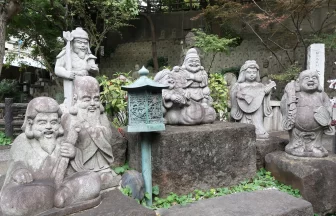
Just as each individual’s name is clearly engraved on their grave, I felt that the spirit of loyalty remains deeply engraved in the hearts of the Japanese people to this day. The Ako Loyalists Memorial Museum displays related artifacts. What left a particularly strong impression on me was the Hall of Wooden Statues of the Loyalists. The wooden statues of the loyalists, created from the end of the Edo period through the second year of the Meiji era, are incredibly delicate. Each one has a unique expression and distinctive features, giving the impression that their personalities and character truly come through.
It was a wonderful opportunity to reconnect with Japanese culture and history.
There is an English audio guide available for tourists to tour the grounds, so please give it a try.
FAQ
What is the story of the 47 Ronin?
The story of the 47 Ronin tells of 47 masterless samurai who avenged their lord after he was forced to commit ritual suicide in 1701. After waiting nearly two years, they carried out a planned revenge and later surrendered themselves. Their loyalty and honor made them legendary figures in Japanese history.
Is the 47 Ronin story true?
Yes, the event is based on real historical incidents from the early 18th century during Japan’s Edo period. While later plays and films added dramatic elements, the core events and people actually existed.
Why are the 47 Ronin famous in Japan?
They are famous because they represent the samurai ideals of loyalty, duty, patience, and honor. Their story is considered one of Japan’s greatest moral legends and is still taught in schools and depicted in theater and film.
What does Chūshingura mean?
Chūshingura roughly translates to “The Treasury of Loyal Retainers.” It is the title of the famous kabuki and puppet theater play that dramatized the story and made the 47 Ronin legend widely known.
Is visiting the 47 Ronin site worth it?
Yes. Visiting Sengaku-ji offers a rare chance to see the actual resting place of the historical samurai and understand their story in a real-world setting. It is especially popular with history lovers and cultural travelers.
How to get this place
Address:
2-11-1 Takanawa, Minato City, Tokyo
Access:
From Shinagawa Station:

Take the Keikyū Main Line Line to Sengakuji Station. The ride takes about 2 minutes. From there, it’s another 5 minutes on foot.
Information
Opening Hours: Year-round 7:00 AM to 4:00 PM
※We kindly request that all visitors offer incense (¥300) as an offering to the loyal samurai.
Ako Loyalists Memorial Hall Visiting Hours: Year-round 9:00 AM to 3:30 PM
Adults: ¥500 / Middle & High School Students: ¥400 / Children (ages 10 and up): ¥250 / Groups of 30 or more: ¥400
*Ako Loyal Samurai Memorial Museum and Loyal Samurai Wooden Statue Museum share a common admission ticket.
If you want to understand the full story of the 47 Ronin, you should also visit the site of Kira’s residence where their famous revenge took place.


No comments yet.