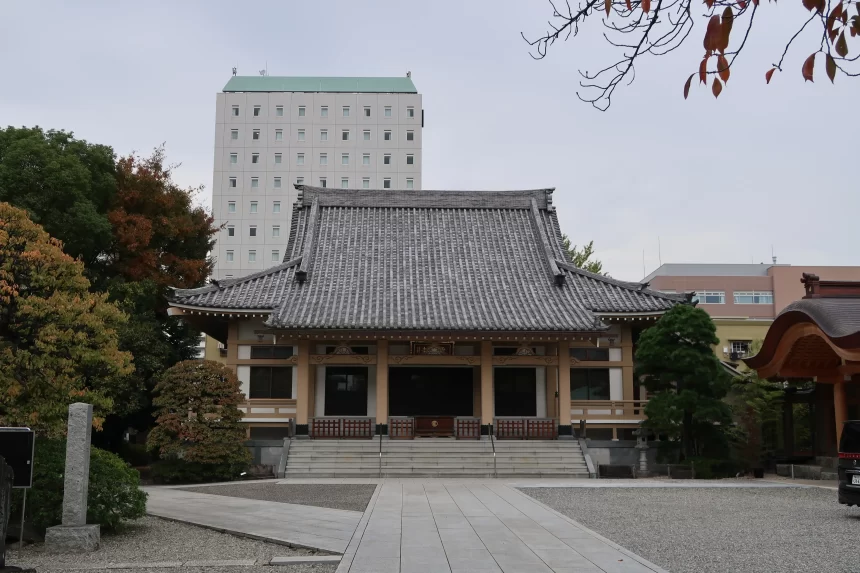
Junpai (巡拝) refers to the Japanese practice of making a pilgrimage to a series of sacred sites, such as temples or shrines, in a specific order. The word literally means “to visit around for worship.” This spiritual journey has been an important part of Japanese religious culture for centuries, combining faith, self-reflection, and travel.
Origins and Meaning
The tradition of Junpai developed from Buddhist and Shinto beliefs. In Buddhism, visiting sacred sites is a form of devotion and a way to accumulate good karma. In Shinto, traveling to holy places connects people with the spirits of nature and the gods (kami). Over time, these traditions blended, creating unique pilgrimage routes across Japan.
The most famous example is the Shikoku 88 Temple Pilgrimage, a 1,200-kilometer route that follows the footsteps of the Buddhist monk Kūkai (Kōbō Daishi). Pilgrims, called ohenro-san, travel to 88 temples on the island of Shikoku, seeking spiritual growth, healing, or gratitude.
How Pilgrimage Is Practiced
Pilgrims often wear white clothing and carry a walking stick symbolizing Kūkai’s spirit. At each temple or shrine, they bow, offer prayers, chant sutras, and collect a stamp (goshuin) as proof of their visit. Many also write their wishes or the names of loved ones on votive papers.
While some people complete the full route on foot, others travel by car, bus, or bicycle. The physical journey is seen as a metaphor for the spiritual path of life—every step representing a step toward enlightenment or personal renewal.
Purpose and Spirit
Junpai is not only a religious act but also a journey of the heart.
Pilgrims seek:
- Reflection and inner peace
- Healing from grief or illness
- Connection with ancestors or deities
- A deeper understanding of themselves and life
Even non-religious travelers in Japan sometimes take part in pilgrimage routes as a way to experience quiet countryside, historic temples, and traditional hospitality.
A Living Tradition
Today, Junpai continues to attract both Japanese and international visitors. Many routes have modern facilities and welcome people from all faiths. Whether done for religious devotion or cultural curiosity, pilgrimage in Japan represents the timeless human search for meaning and peace through movement, nature, and mindfulness.




No comments yet.