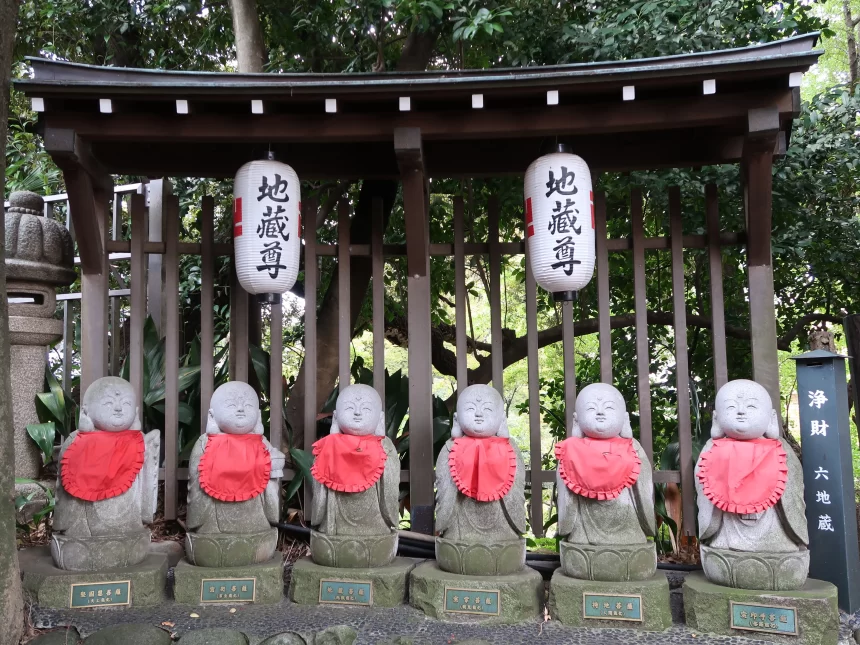
In Buddhist belief, all living beings go through an endless cycle of birth, death, and rebirth called “samsara”. Our next life is determined by our actions, or karma, in this life. The idea of the “Six Realms of Existence,” known in Japanese as Rokudō (六道), describes the six possible worlds into which a being can be reborn. These realms are not only places after death, but also represent the states of mind we experience in our daily lives.
1. The Hell Realm (Jigokudō – 地獄道) Danda-Jizo, Staff and Jewel
This is the lowest and most painful realm. Those who have committed serious evil deeds or are filled with hatred and anger fall into this world. In this realm, beings experience constant suffering—burning, freezing, or being tortured—until their bad karma is purified. The Hell Realm represents the state of extreme anger and despair that can also exist in human life.
2. The Realm of Hungry Ghosts (Gakidō – 餓鬼道) Hōju-Jizo, Jewel
In this world, beings are tormented by endless hunger and thirst. No matter how much they eat or drink, they can never be satisfied. This realm symbolizes the suffering caused by greed and desire. In daily life, when people are never content with what they have and constantly crave more, they are said to be living in the “Hungry Ghost Realm.”
3. The Animal Realm (Chikushōdō – 畜生道) Hōin-Jizo, Seal
Beings in this realm live like animals, controlled only by instinct and the struggle to survive. It is a world without wisdom or compassion, where the strong prey upon the weak. The Animal Realm reflects the suffering caused by ignorance and selfishness. Humans fall into this realm when they act without reason, caring only for themselves.
4. The Realm of Asuras (Shuradō – 修羅道) Jiji-Jizo, Sutra Scroll
The Asuras are powerful beings who are constantly fighting out of jealousy, pride, and anger. They cannot find peace because they are always comparing themselves to others and seeking victory. This realm represents the human tendency to compete, argue, and be consumed by envy and aggression.
5. The Human Realm (Ningendō – 人間道) Jogaisho-Jizo, Fearlessness Mudra
The Human Realm is considered special because it contains both joy and suffering. Humans experience love, loss, pleasure, and pain. Because of this balance, it is said to be the best realm for practicing Buddhism and seeking enlightenment. Being born as a human is seen as a precious opportunity to learn compassion and wisdom.
6. The Heavenly Realm (Tendō – 天道) Nikko-Jizo, Sutra Scroll
This is the realm of celestial beings, or “devas,” who enjoy long lives filled with beauty and pleasure. However, even this happiness is temporary. When their good karma runs out, they will fall back into lower realms. The Heavenly Realm represents moments of happiness and comfort, reminding us that pleasure alone does not lead to true liberation.
The Meaning of the Six Realms
The Six Realms are not simply places where we are reborn after death—they also represent the mental and emotional states we experience throughout our lives. When we are angry, we live in hell; when we are greedy, we live in the world of hungry ghosts; when we act with compassion, we rise toward the human or heavenly realms.
Buddhism teaches that by understanding our emotions and purifying our hearts, we can escape from this endless cycle of rebirth and reach enlightenment, called Nirvana.
Jizō Bosatsu and the Six Realms
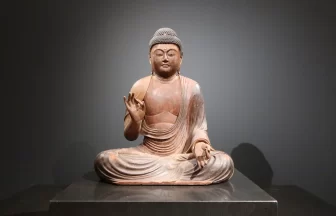
In Japan, Jizō Bosatsu (Kṣitigarbha Bodhisattva) is the compassionate figure who vows to save all beings in these six realms. Especially in the Hell Realm, Jizō descends to comfort and guide suffering souls. That is why six statues of Jizō, called Rokujizō, are often found standing together at temples and graveyards—each one protecting beings in a different realm.
A Universal Message
The teaching of the Six Realms reminds us that heaven and hell are not distant places—they are conditions created by our own hearts. Whether through kindness, patience, or mindfulness, we have the power to transform suffering into peace. This is one of the central messages of Buddhism: that true freedom and happiness begin within ourselves.

No comments yet.