
Japan’s convenience stores, known as konbini, are one of the country’s greatest modern inventions. Found on almost every corner, they are open 24 hours a day and offer far more than just snacks and drinks. For travelers, they are an essential part of daily life—safe, clean, efficient, and surprisingly enjoyable to use.
Major chains such as 7-Eleven, FamilyMart, and Lawson dominate the streets of Japanese cities, but even small local stores maintain high standards of service and quality. Stepping into a konbini, you will immediately notice how well organized everything is. Bright lights, soft music, and polite staff create a welcoming atmosphere that feels uniquely Japanese.
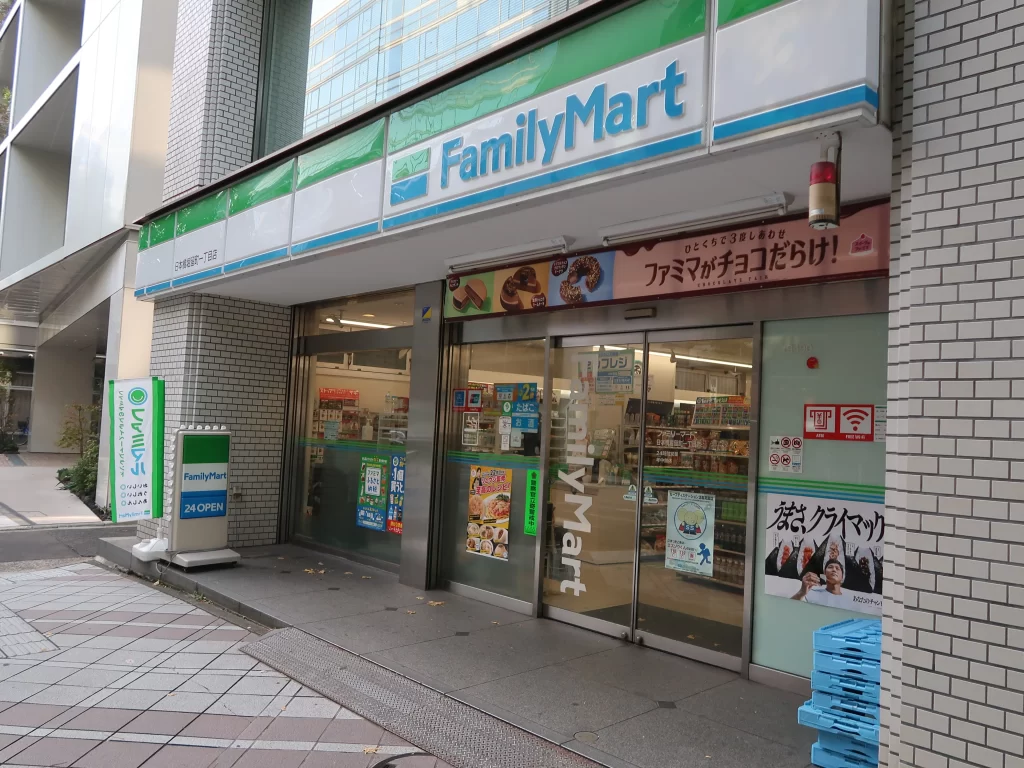
One of the main attractions of Japanese convenience stores is their wide variety of freshly prepared food. Shelves are filled with rice balls (onigiri), sandwiches, salads, bento lunch boxes, noodles, and hot snacks like fried chicken, steamed buns, and croquettes. Each item is neatly packaged, clearly labeled, and made fresh every day. The taste and quality are so good that many Japanese people buy their daily meals at konbini. For travelers, it’s an affordable and reliable way to enjoy Japanese flavors—breakfast, lunch, or even a midnight snack.

Drinks are another highlight. You can find everything from green tea and fruit juices to coffee, energy drinks, and even seasonal specialties. Many stores also have coffee machines for freshly brewed drinks. During summer, cold drinks and ice creams are popular, while in winter, you’ll find hot canned coffee and soups in the warm drink section near the register.
But konbini are not just for food—they are multi-purpose service centers. You can pay bills, withdraw cash from ATMs that accept international cards, print documents, buy concert or train tickets, and even ship or receive packages. Some stores sell toiletries, medicine, umbrellas, and clothing essentials, making them a lifesaver for travelers.
One of the reasons Japanese convenience stores are so famous worldwide is their cleanliness and efficiency. Counters and restrooms are spotless, products are perfectly arranged, and staff are trained to provide excellent service. Even if you don’t speak Japanese, you can easily shop by pointing at what you want, and many stores have self-checkout machines with English menus.
If you buy a hot meal like ramen or curry, you can ask the cashier to heat it up using the store’s microwave. Disposable chopsticks, spoons, and napkins are usually included automatically. Trash bins for recycling, plastic bottles, and food waste are placed outside, reflecting Japan’s attention to cleanliness and environmental care.
In addition, many convenience stores have small eating areas or counters, allowing you to eat right after purchase. Wi-Fi is available in most chains, and some offer charging spots or seating for travelers to rest briefly.
Beyond practicality, konbini are also a cultural experience. They reflect Japan’s values of hospitality, order, and respect for customers. Everything—from packaging design to store layout—is carefully thought out to make your life easier. Limited-edition products appear frequently, so you might find new flavors of snacks, seasonal desserts, or regional specialties depending on the time of year.
For budget-conscious travelers, konbini can be your best dining partner. A full meal—such as a rice bowl, salad, and drink—can cost less than 700 yen, and the taste rivals that of small restaurants. Whether you are catching an early train, returning late from sightseeing, or simply curious about everyday Japanese life, the convenience store is always open and ready to help.
In short, Japanese convenience stores are much more than “mini markets.” They are symbols of Japan’s efficiency, cleanliness, and kindness. Visiting a konbini is not just about buying food—it’s a small but meaningful way to experience Japanese daily life. So next time you walk past a bright sign reading 7-Eleven, FamilyMart, or Lawson, don’t hesitate to step inside. You might discover that this little store holds everything you need—and a warm welcome, anytime of day or night.
My favorite way to use 7-Eleven is grabbing a crisp lettuce sandwich and a drinkable yogurt for a quick breakfast when I’m short on time in the morning. (They have strawberry, blueberry, and other flavors.)
When you want a little break during your travels, I recommend coffee and sweets.
After dinner, when you have some time and other stores are closed late at night, why not buy some beer or wine? You can munch on junk food like beef jerky or cup noodles while planning your schedule for the next day.
Convenience stores in Japan are amazing — but they’re only a small part of the food culture.
From casual chains to traditional restaurants, Japan offers a wide range of dining experiences you shouldn’t miss.
👉 Explore: Japanese Food Culture Guide



No comments yet.