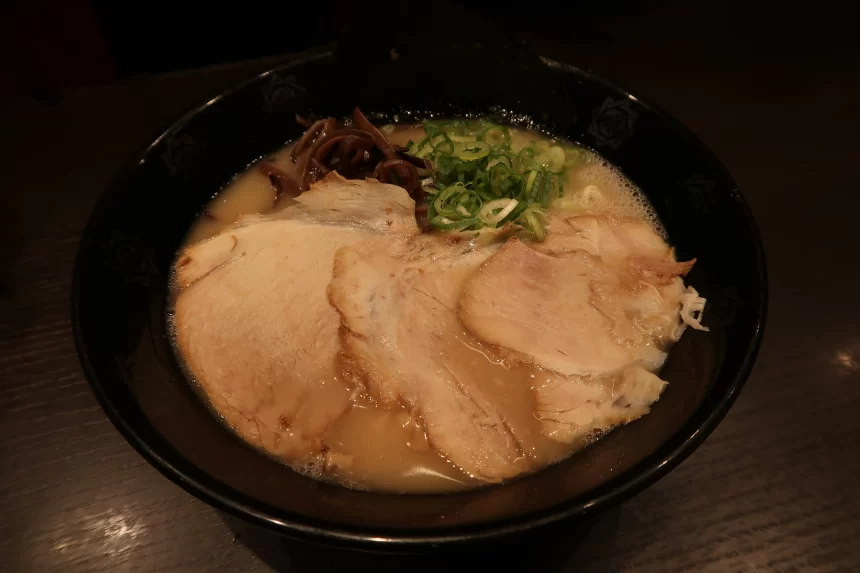
Japan’s food culture is one of the most diverse and fascinating in the world. While many people associate Japan with traditional dishes such as sushi or kaiseki (formal multi-course meals), everyday Japanese food also offers an incredible variety of flavors that are affordable, quick, and satisfying. One of the main attractions of Japanese fast food is that it combines speed and low cost with the qualities of cleanliness, safety, and high taste.
In Japan, it’s easy to find a good meal almost anywhere. Convenience stores, beef bowl shops, ramen stands, curry houses, and soba noodle shops all offer quick and inexpensive meals. One of the most popular examples is gyūdon, a bowl of rice topped with thinly sliced beef and onions simmered in a sweet soy sauce. It costs around 500 yen and can be enjoyed in just a few minutes, making it a favorite among busy workers and students alike.
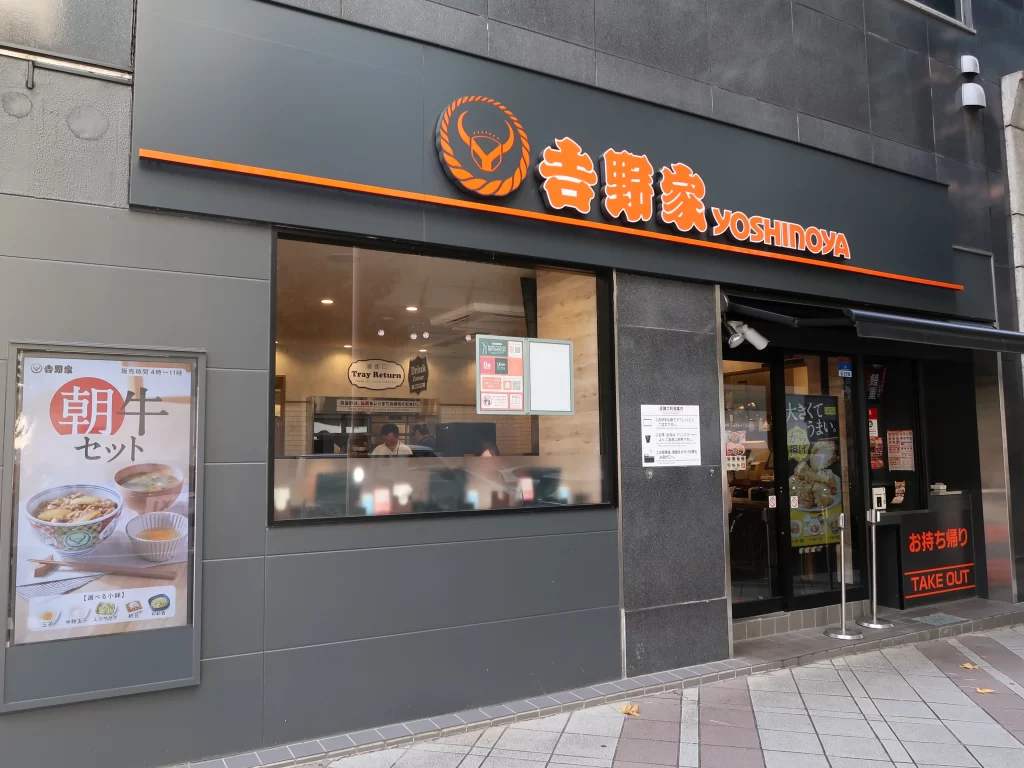
Another beloved Japanese fast food is ramen. Every region has its own version, from rich pork bone broth (tonkotsu) to soy sauce (shoyu), miso, or salt (shio) flavors. Ramen shops are casual and efficient—customers usually buy a ticket from a vending machine before handing it to the chef. Despite being a “fast food,” ramen is known for its deep, flavorful soup and freshly cooked noodles.
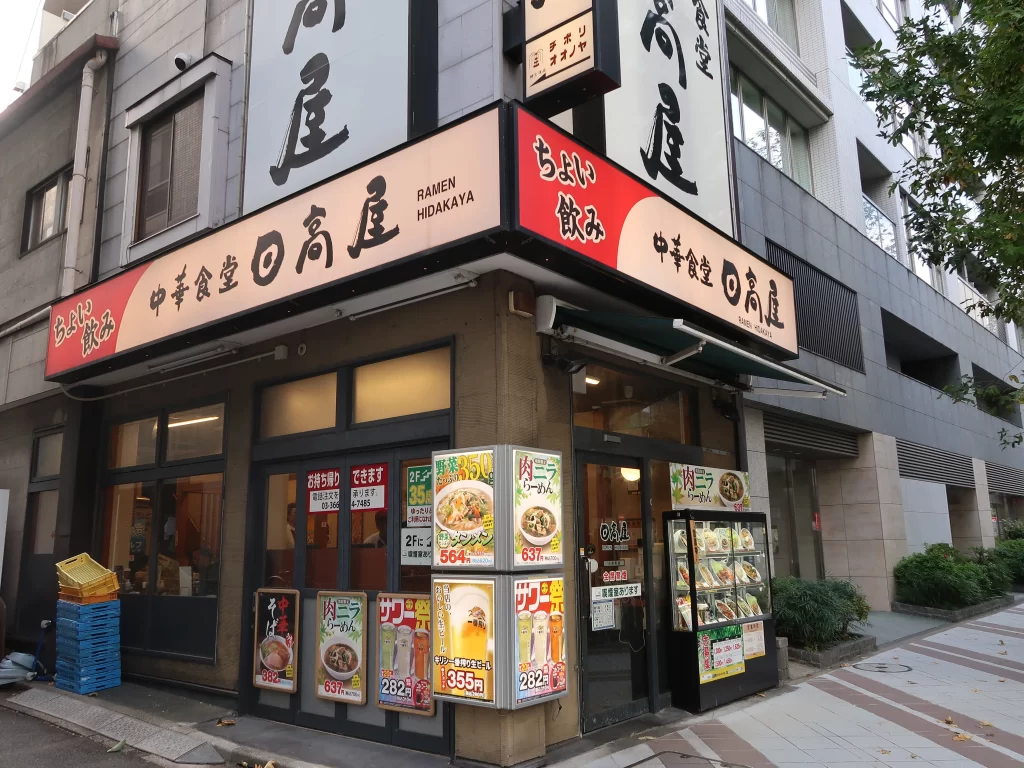
Convenience store foods like onigiri (rice balls) and bento (boxed meals) are also central to Japan’s fast food culture. Onigiri come with many fillings, such as tuna mayonnaise, salmon, or pickled plum, and cost just over 100 yen. The packaging is cleverly designed so that the seaweed stays crisp until you eat it. Bentos often include fried chicken, grilled fish, rice, and vegetables, offering a healthy, balanced meal at a low price.
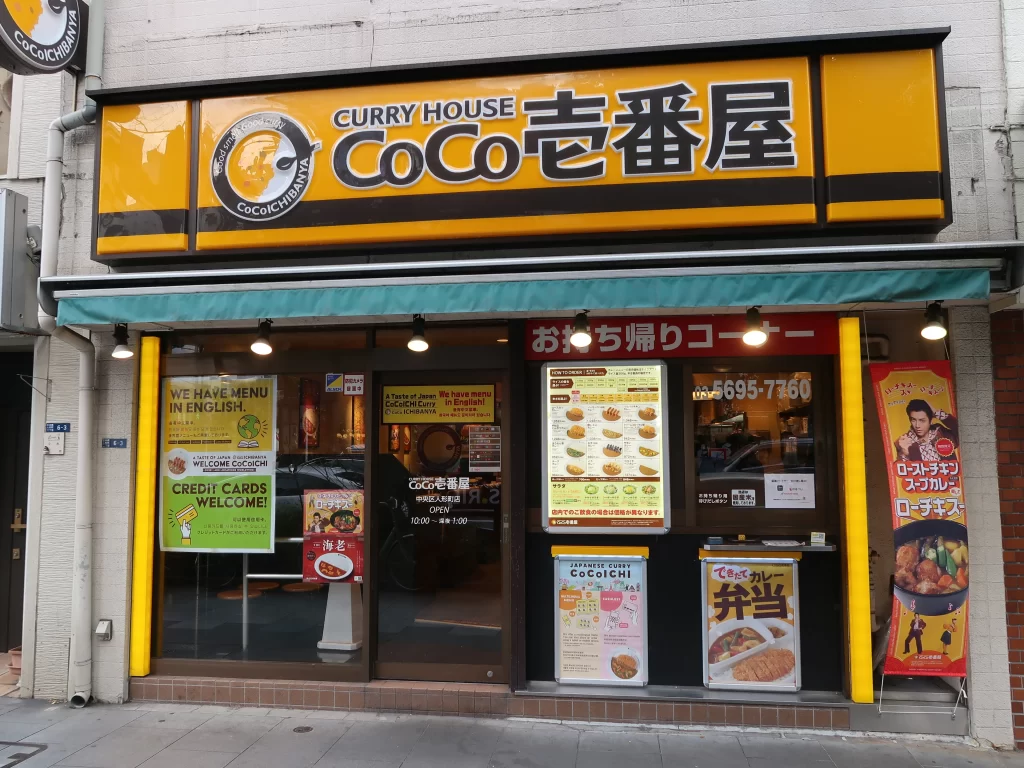
Japan also has its own original fast food chains. While global brands like McDonald’s and KFC are popular, local chains such as MOS Burger, Sukiya, Yoshinoya, and Matsuya have developed their own loyal followings. MOS Burger prepares food after you order, ensuring a fresh, made-to-order taste. Sukiya, Yoshinoya, and Matsuya are famous for being open 24 hours a day, serving warm meals to travelers and workers at any time.
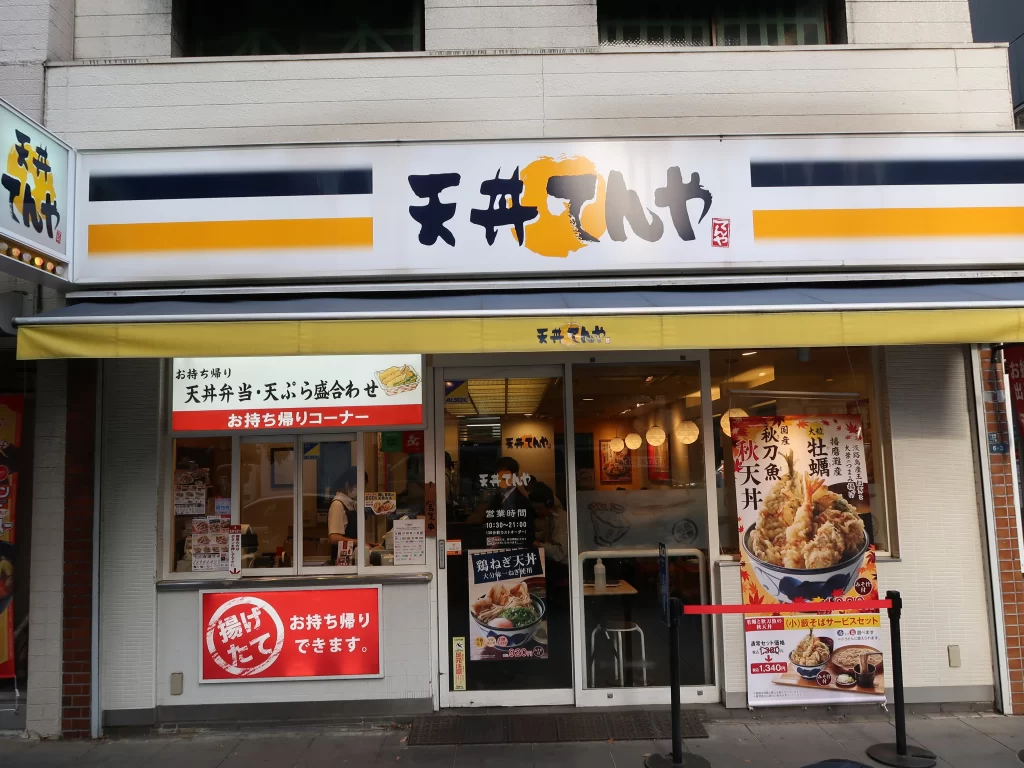
Japanese “B-grade gourmet” (casual local dishes) also play a big role in fast food culture. Street foods such as takoyaki (octopus balls), okonomiyaki (savory pancakes), and yakisoba (fried noodles) are inexpensive, flavorful, and regionally unique. In Osaka, Tokyo, or Hiroshima, you can find these foods sold from stalls or small shops, giving visitors a taste of local flavor and atmosphere.
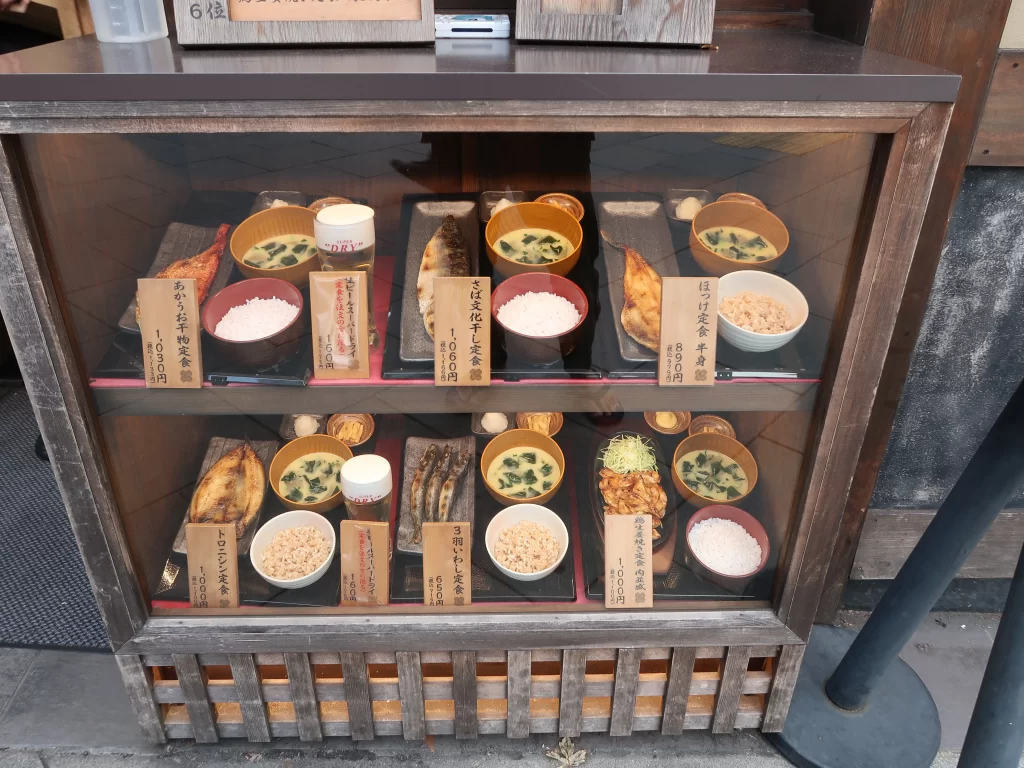
Another characteristic of Japanese fast food is its attention to health and balance. Even inexpensive meals often include vegetables, miso soup, or rice, providing nutrition without excess fat or calories. Cleanliness and polite service are also important parts of the experience, ensuring that customers can eat safely and comfortably.
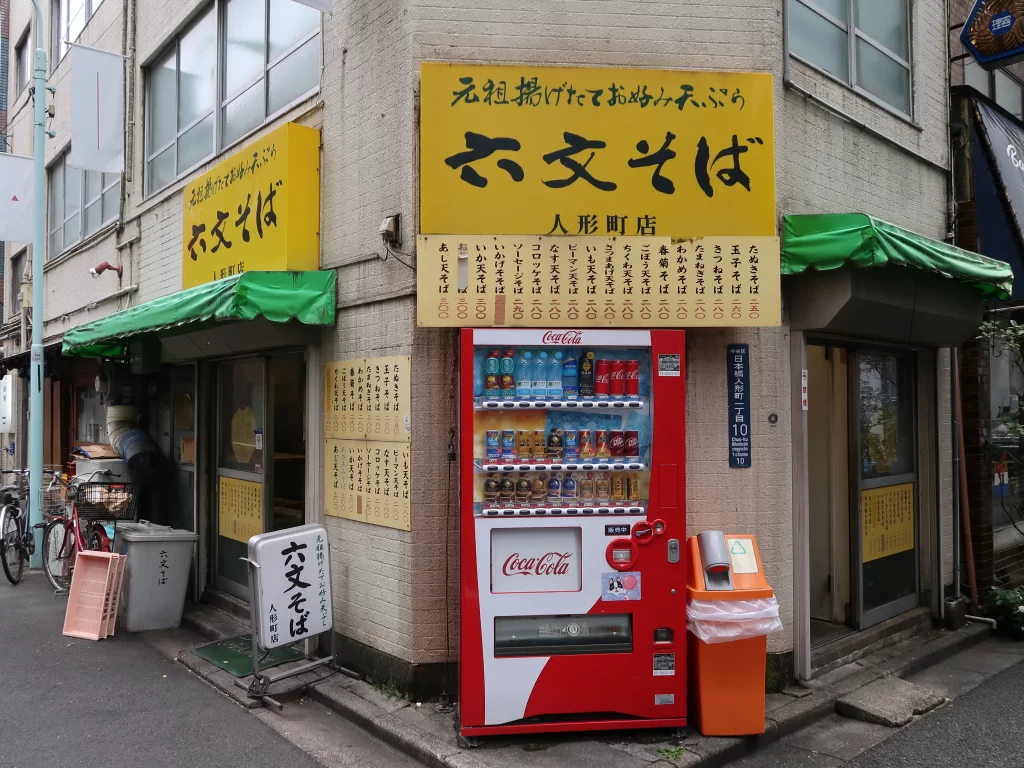
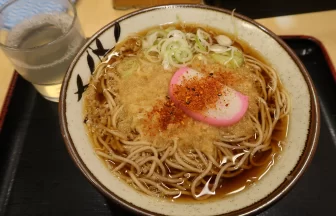
Japan’s dining culture also includes ultra-fast options like vending machine snacks or standing soba shops at train stations, where customers can have a warm bowl of noodles in just a few minutes before catching their train. These quick yet high-quality meals reflect Japan’s efficiency and care for everyday comfort.
In short, Japanese fast food is not just “cheap, quick, and tasty.” It’s also thoughtful, varied, and full of heart. It reflects Japan’s dedication to craftsmanship, hospitality, and attention to detail—even in the simplest of meals. When visiting Japan, don’t miss the chance to enjoy these everyday food experiences. You’ll discover that a humble bowl of noodles or an onigiri from a convenience store can be just as memorable as a meal at a high-end restaurant.
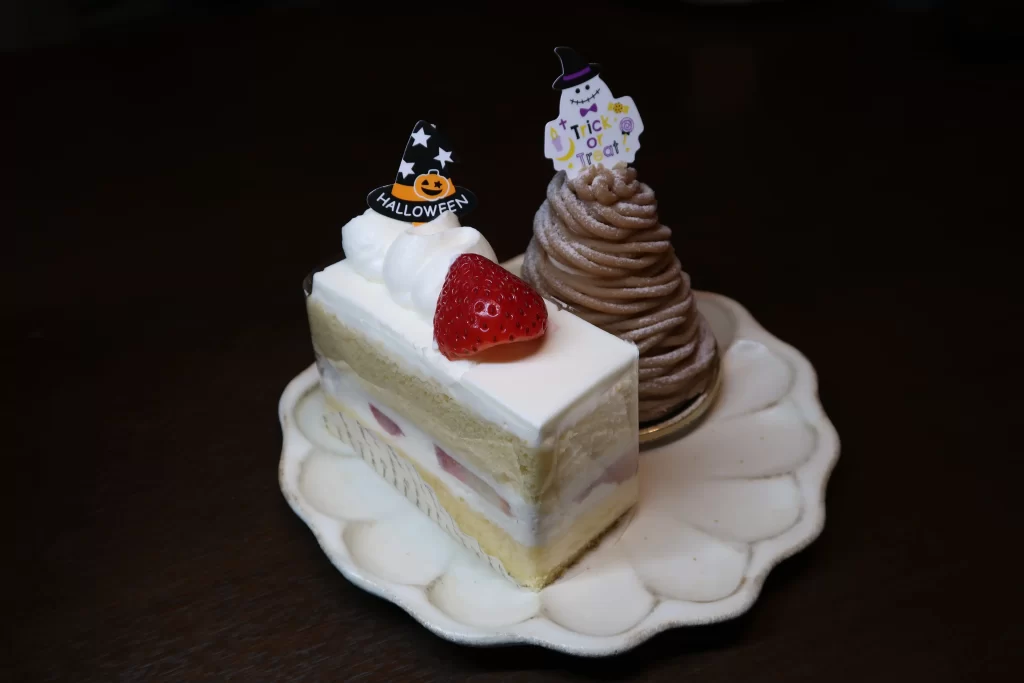
If you’re ever unsure about where to eat, I think one approach is to just dive in and try a nearby restaurant without overthinking it. Especially for lunch, many places besides fast food joints offer lunch menus, and you can get a satisfying meal for around 1,000 yen. It’s a great chance to experience Japanese food culture. Plus, many places offer takeout, so you could grab your favorite meal to go, pick up something sweet from a nearby cake shop, and enjoy a luxurious lunch at your hotel or a nearby park.
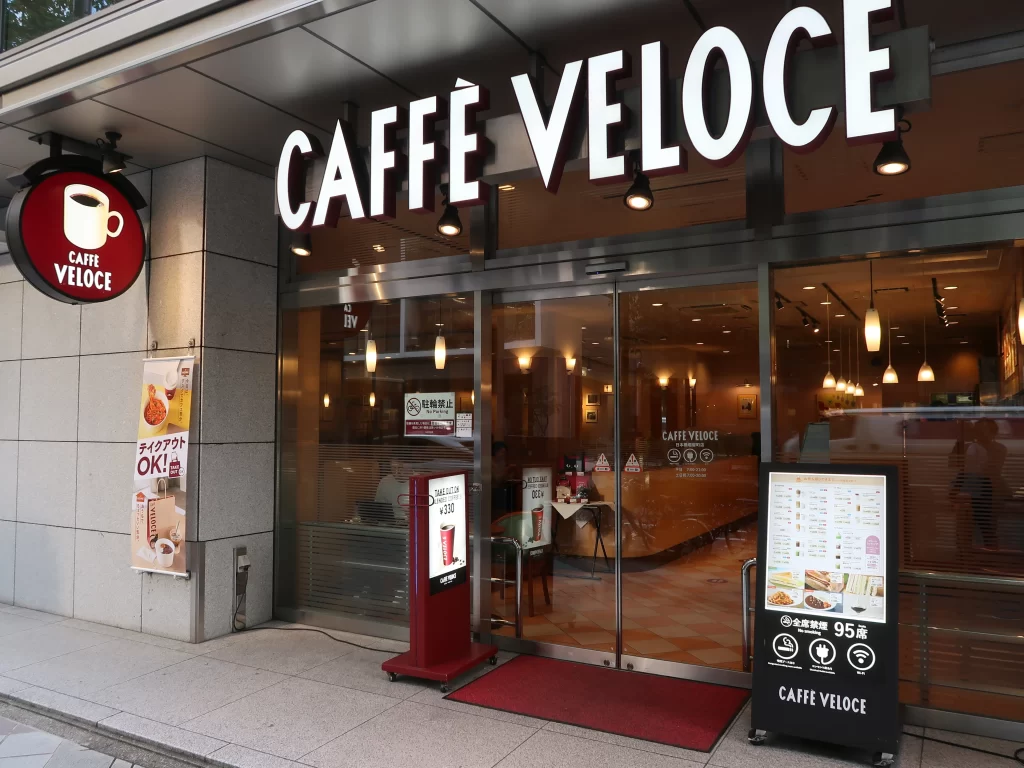
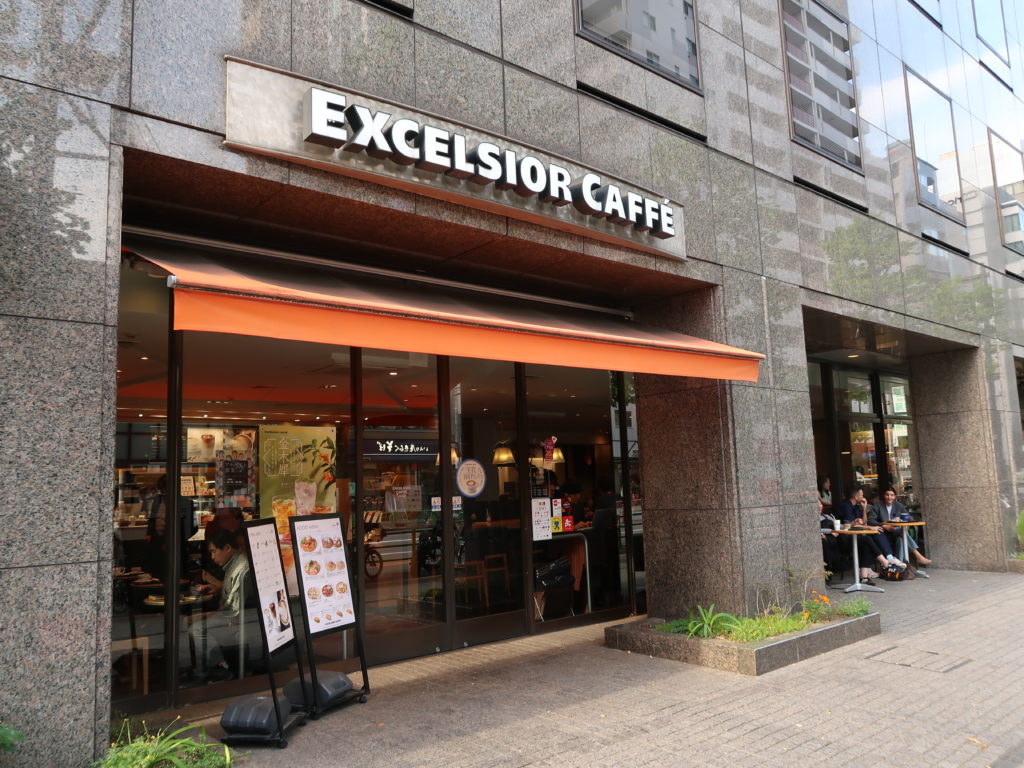

Another surprisingly lesser-known fact is that cafes in Japan also offer substantial meals. Each shop develops its own original menu, and some lunch options are incredibly appealing even to Japanese people. I highly recommend giving them a try.


No comments yet.