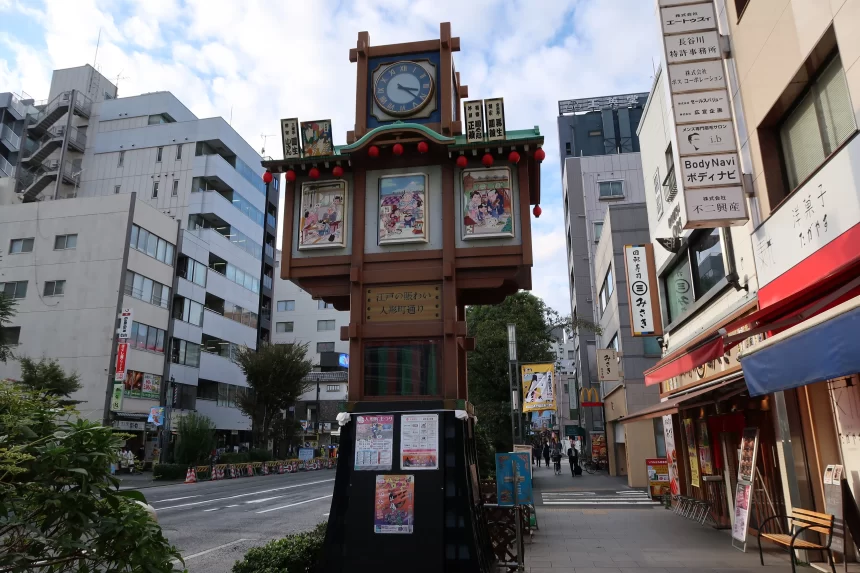
What Is Ningyocho?
Nestled in the heart of Tokyo, Ningyocho—which literally means “Doll Town”—is a neighborhood where the atmosphere of old Edo still lingers. Located in Nihonbashi, this charming district blends traditional Japanese culture with the everyday life of a modern city. For travelers seeking to experience Tokyo’s nostalgic side, Ningyocho offers a rare journey back in time.
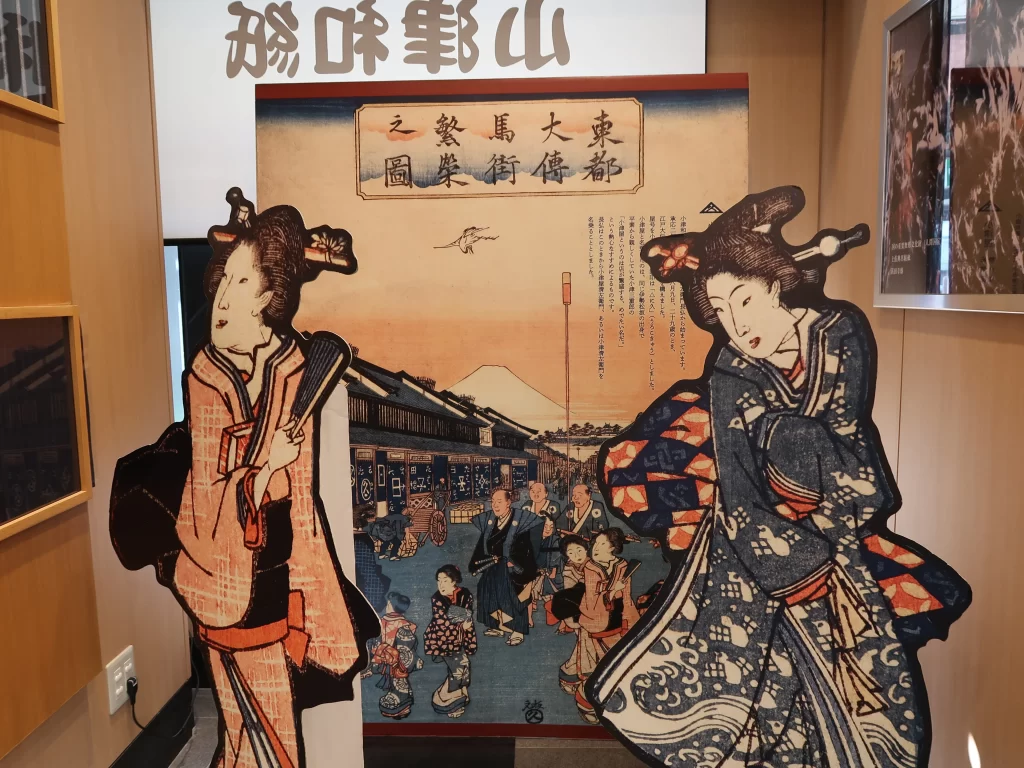
The name “Ningyocho” dates back to the Edo period (1603–1868), when the area was home to puppet theaters, storytellers, and artisans who made dolls and stage props. It was a lively entertainment quarter where people gathered to watch ningyo joruri—a traditional puppet play accompanied by shamisen music—and kabuki performances. Though the theaters are long gone, the spirit of craftsmanship and artistry still lives on in the district’s narrow streets and family-run shops.
Why Is Ningyocho Famous?
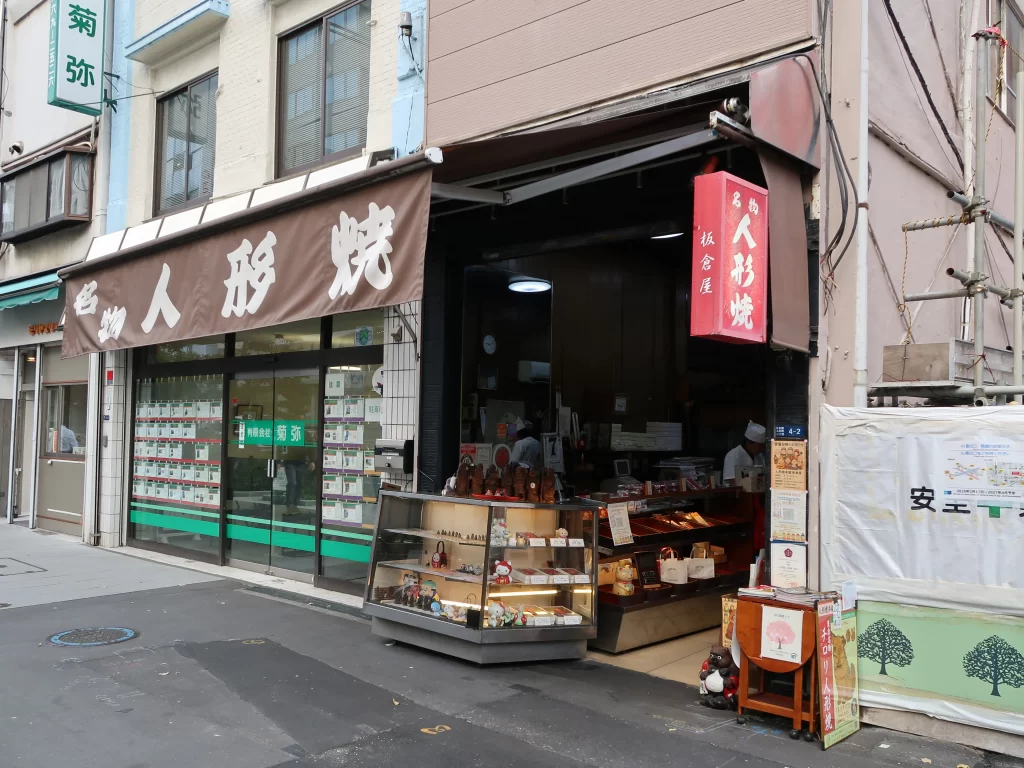
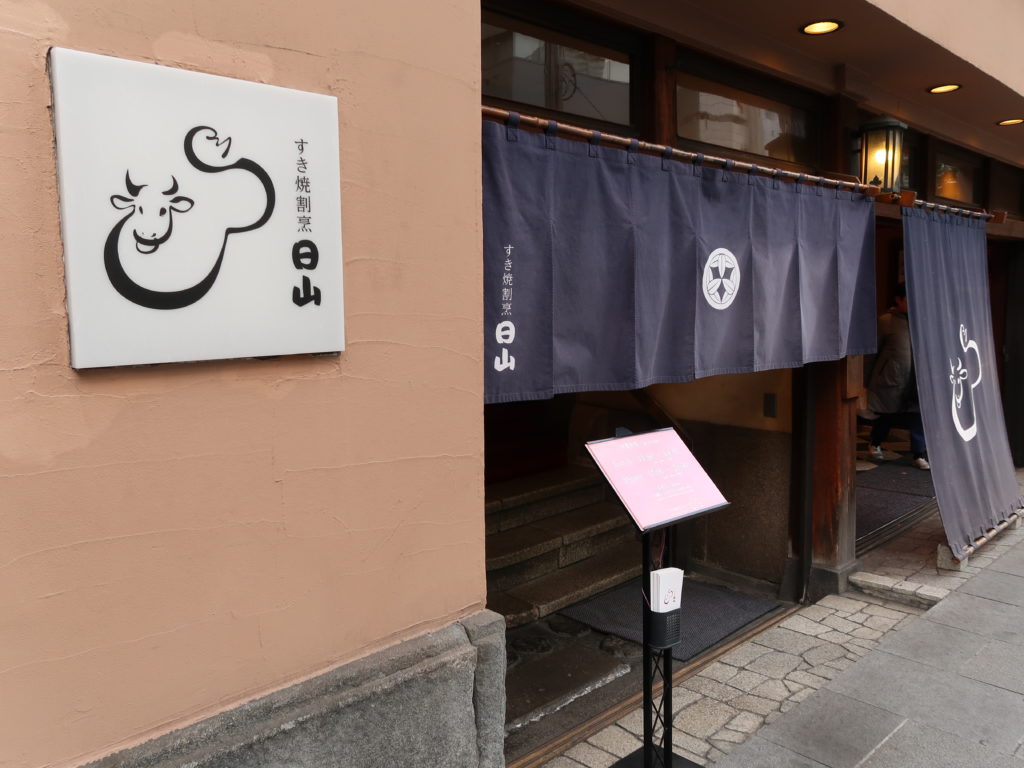
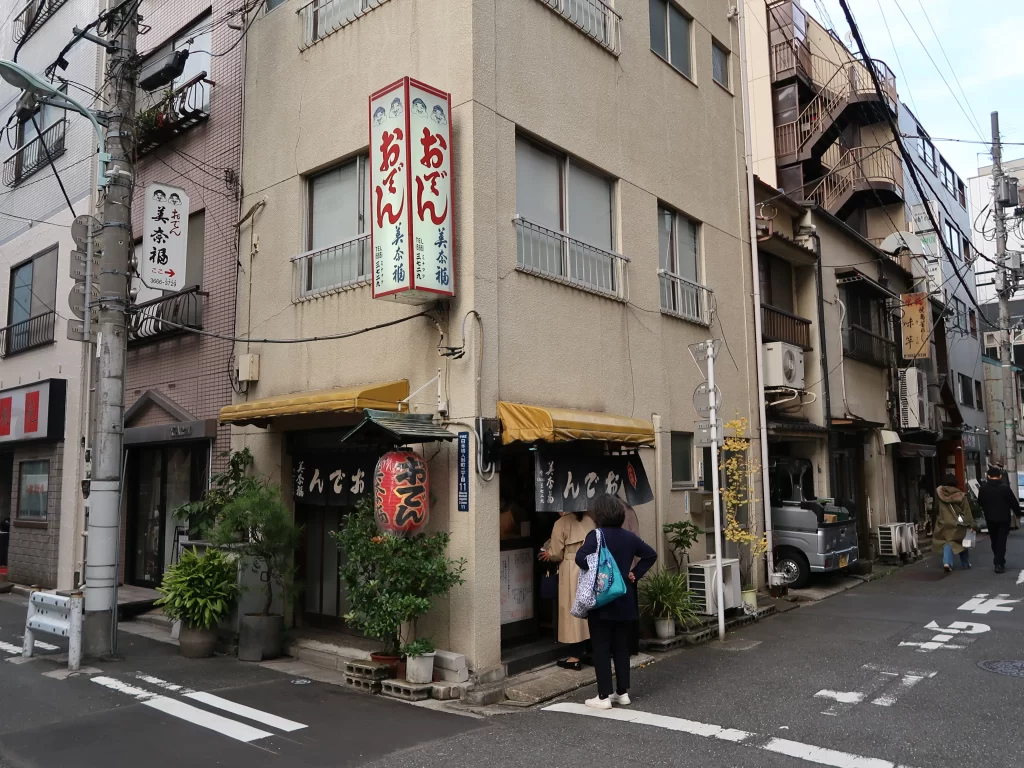
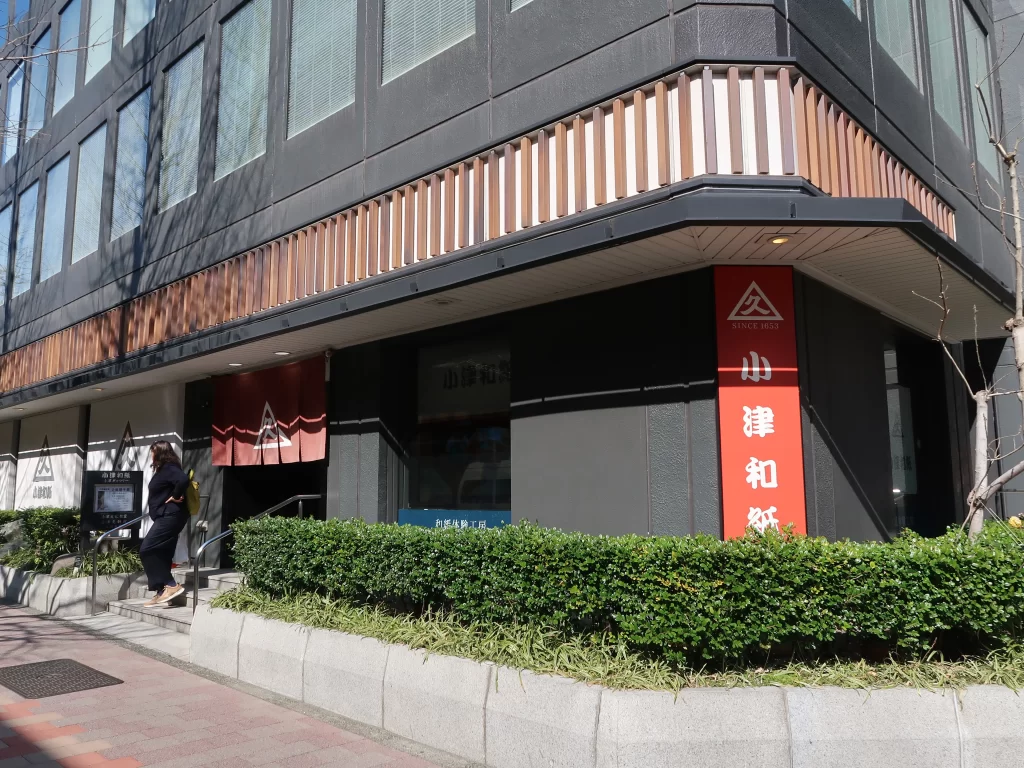
One of Ningyocho’s main attractions is its traditional shopping streets, such as Amazake Yokocho and Ningyocho-dori. Here, visitors can find long-established stores selling Japanese sweets (wagashi), handmade dolls, fans, and kimono fabrics. The area is also known for its delicious food. Many restaurants have been in business for over a century, offering tastes that have been passed down through generations. You can enjoy tempura, sukiyaki, unagi (grilled eel), or simple street snacks like taiyaki—fish-shaped cakes filled with sweet bean paste.
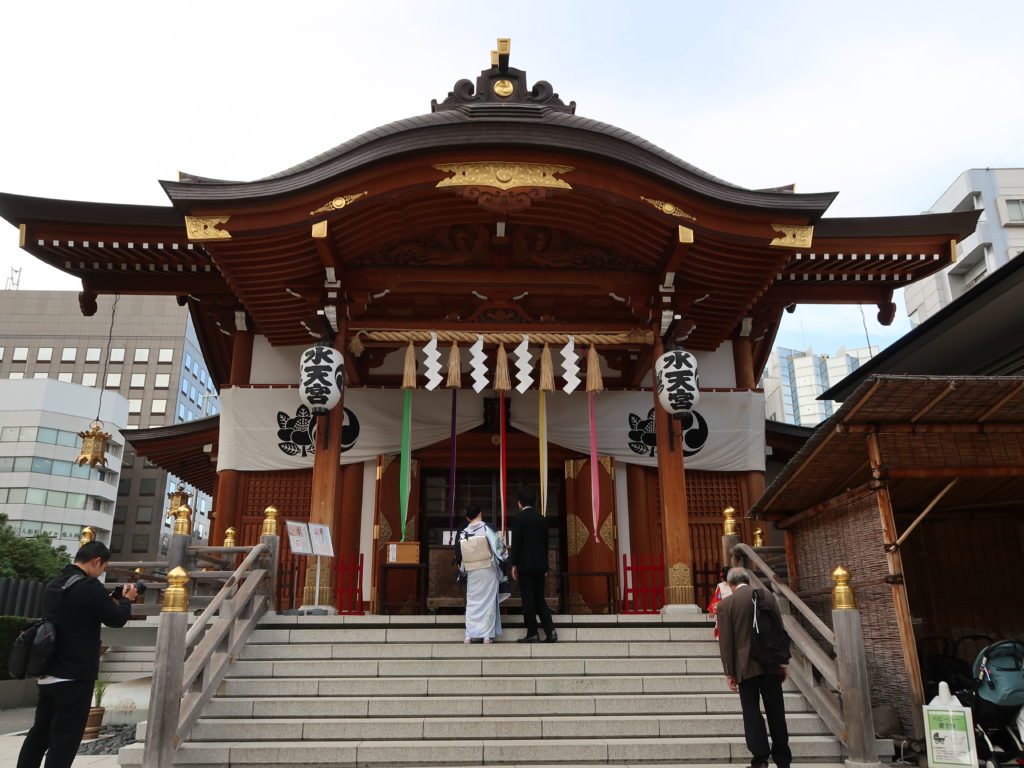
Ningyocho is also famous for its connection to Japanese spirituality. The district is part of the Nihonbashi Shichifukujin Meguri, a pilgrimage route dedicated to the Seven Lucky Gods. Small temples and shrines, such as Suitengu Shrine (dedicated to the deity of safe childbirth and children), can be found throughout the neighborhood. Visitors often stop to pray, take photos, or collect goshuin—beautiful temple stamps that record their visit.
Things to Do in Ningyocho
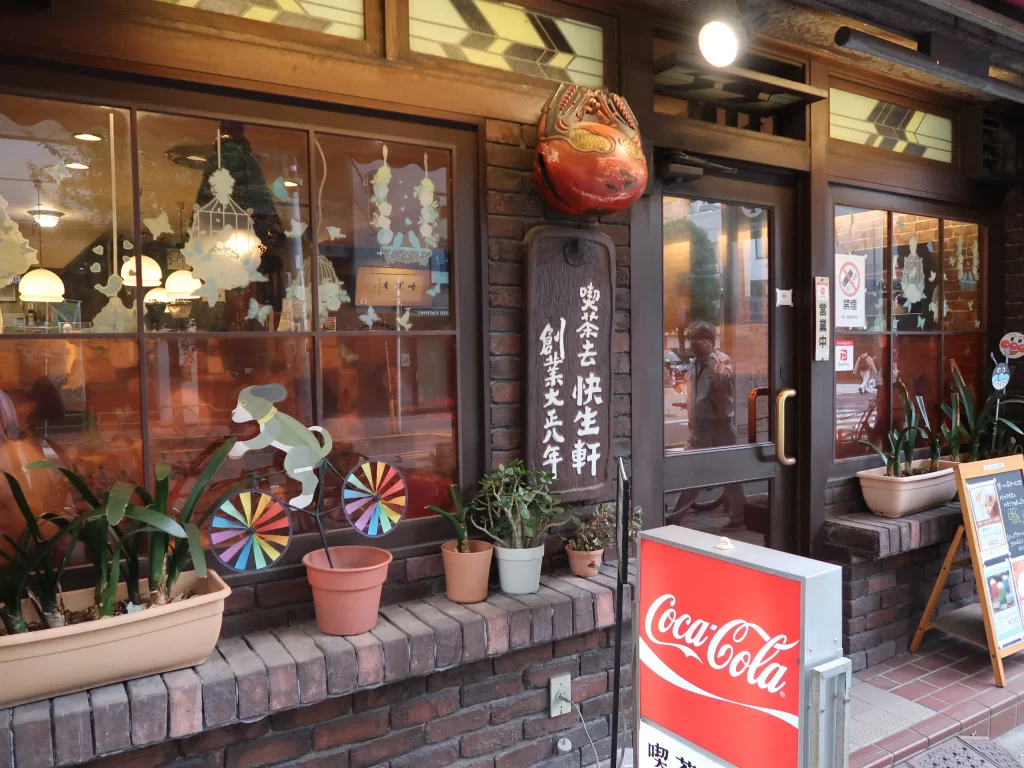
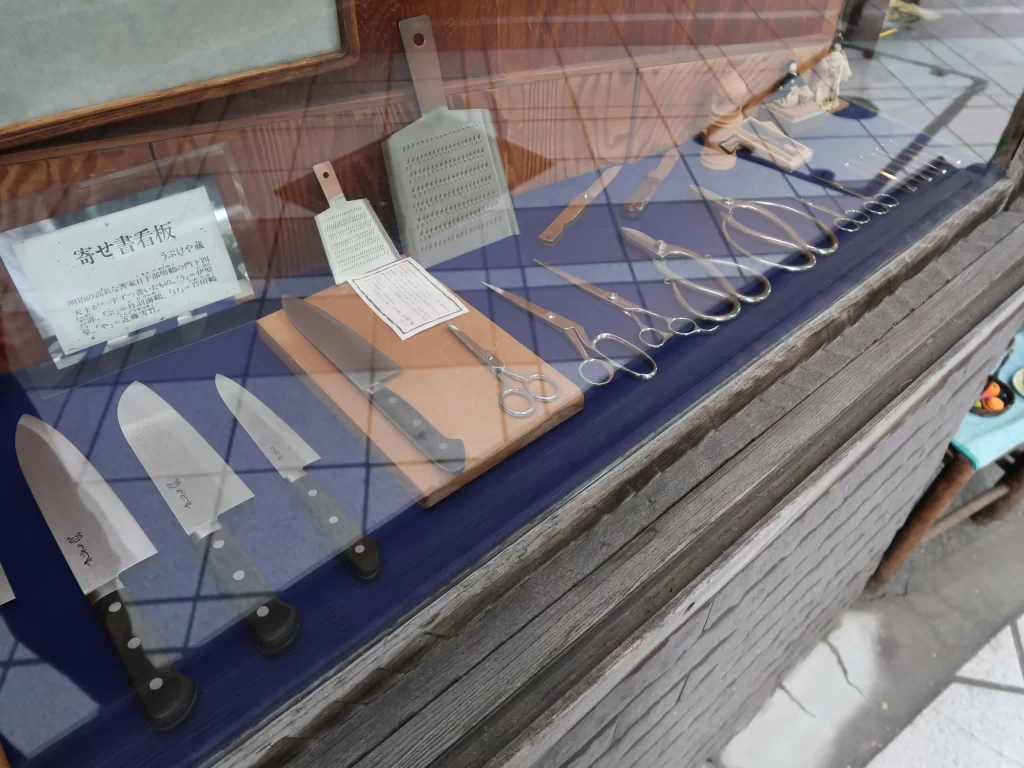
A walk through Ningyocho is like stepping into a living museum. Traditional lanterns, wooden shop signs, and small alleys create a warm, nostalgic atmosphere. Even though the area is close to Tokyo’s business centers, it retains a calm and human scale. Locals greet each other on the street, and small workshops still make handmade goods with the same care as in the Edo days.
In recent years, Ningyocho has also become popular among younger generations and foreign visitors. Cafés, art galleries, and boutique hotels have opened, giving the area a fresh charm while respecting its heritage. This blend of old and new makes Ningyocho one of the most unique neighborhoods in Tokyo—it is a place where you can enjoy traditional flavors in the morning and modern dining at night.

The district is easily accessible, just a few minutes by subway from Tokyo Station or Ginza. Because of its compact size, it is best explored on foot. Strolling through Ningyocho allows visitors to discover the essence of Japanese life—respect for tradition, attention to detail, and a quiet beauty in everyday things.
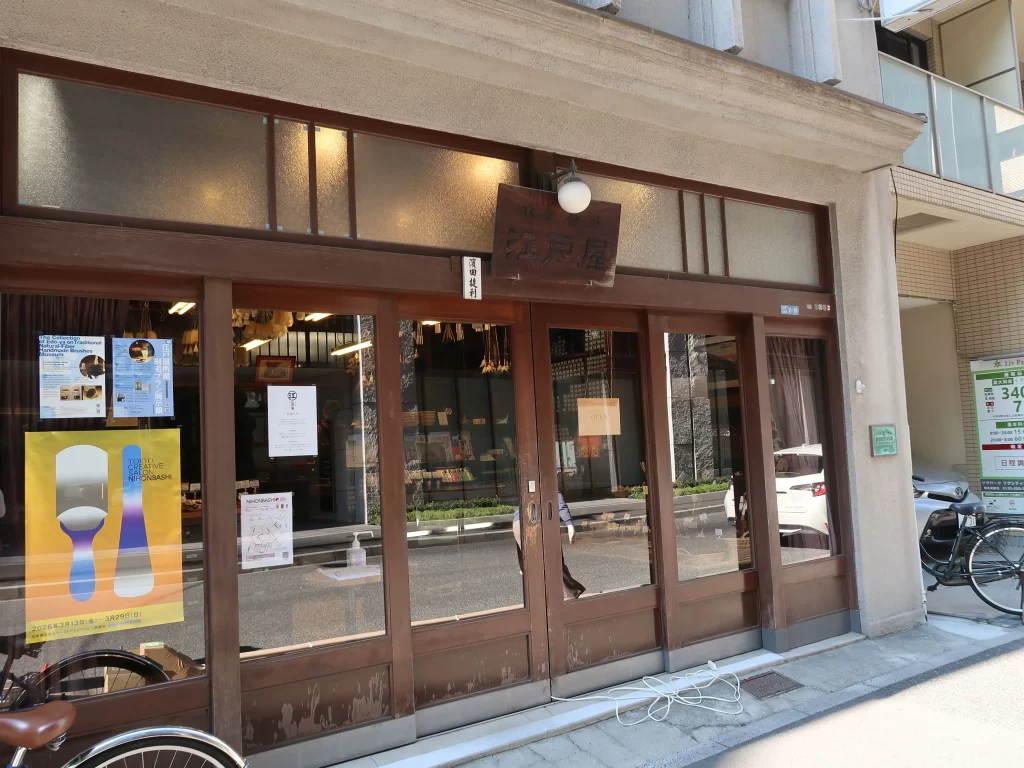
For those who want to experience the atmosphere of Edo without leaving the city, Ningyocho is the perfect destination. It is not just a place to see old Japan; it is a place to feel it—with all five senses. Whether you are tasting long-loved local dishes, visiting shrines, or simply wandering its charming streets, Ningyocho invites you to slow down and enjoy a side of Tokyo where history and modern life exist in perfect harmony.
If you visit Ningyocho in October, don’t miss the famous Bettara Ichi festival, a lively traditional market filled with street food, lanterns, and local culture.
FAQ — Ningyocho Tokyo
What is Ningyocho known for?
Ningyocho is known for its nostalgic Edo-period atmosphere, traditional shops, and long-established restaurants.
What can you do in Ningyocho?
Visitors can explore traditional shopping streets, eat local specialties, visit shrines, and stroll through nostalgic alleyways.
How long should I spend in Ningyocho?
Most travelers spend 1–2 hours walking around, though food lovers may stay longer.
What food is Ningyocho famous for?
The area is known for tempura, sukiyaki, eel dishes, wagashi sweets, and street snacks like taiyaki.
Is Ningyocho close to Tokyo Station?
Yes. It is only a few minutes away by subway.
Explore More Traditional Tokyo Neighborhoods


No comments yet.