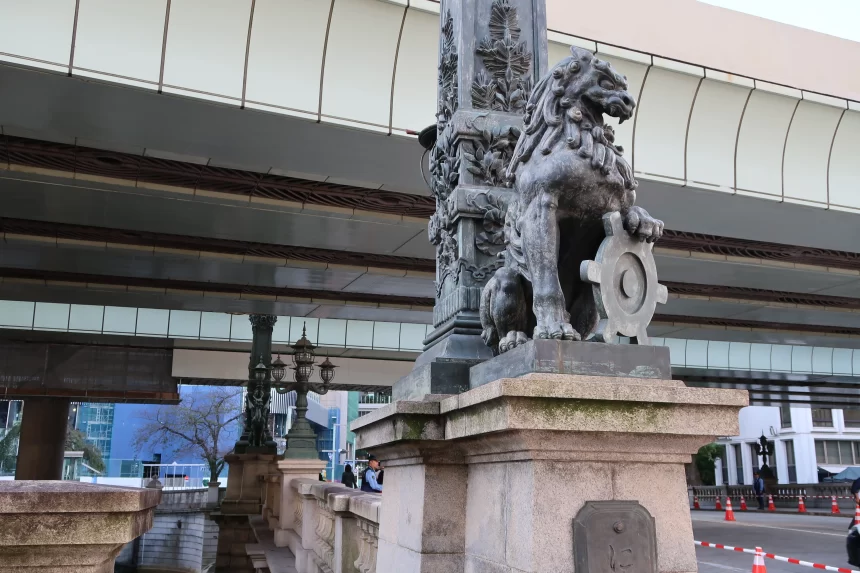
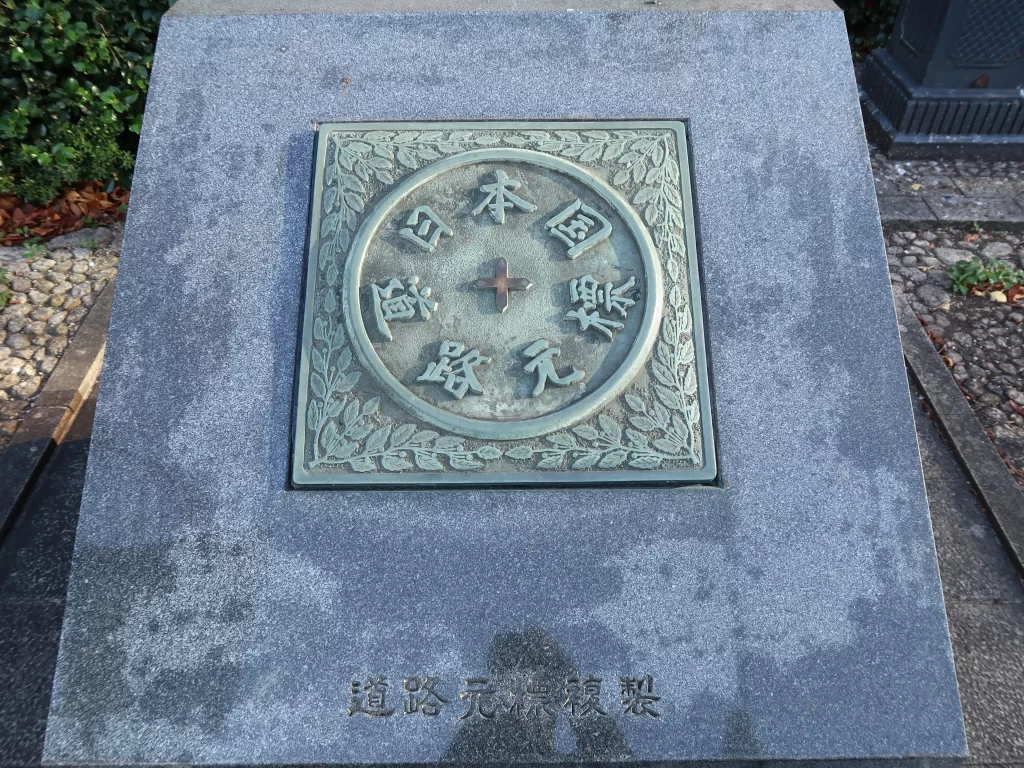
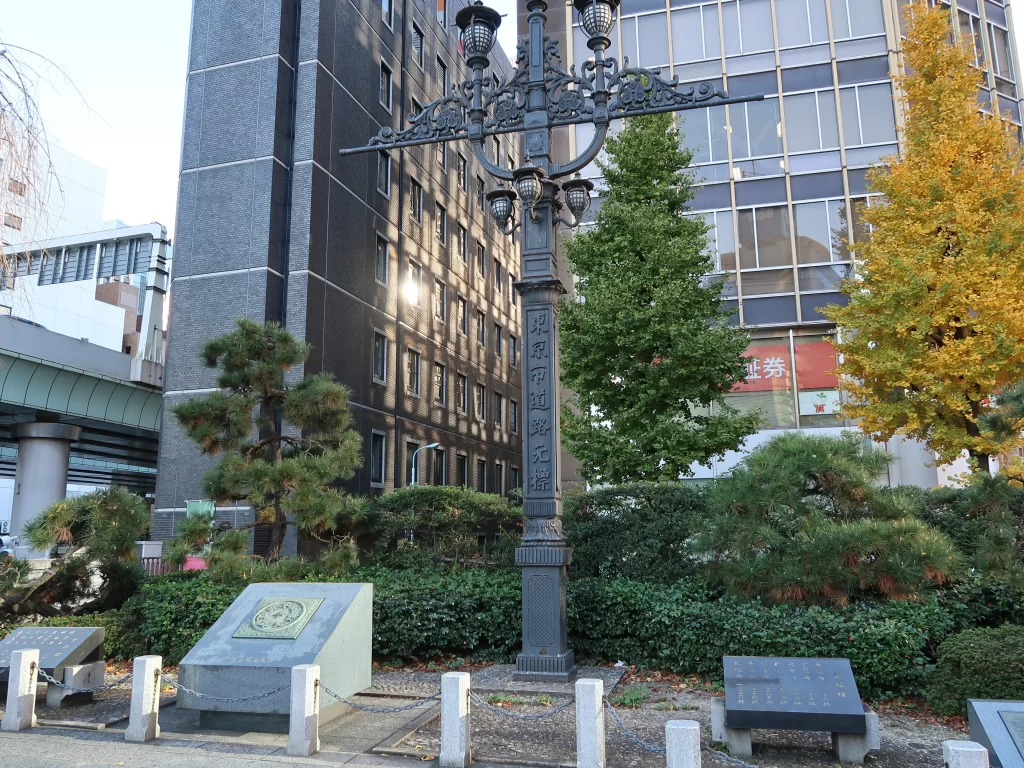
Nihonbashi, meaning “Japan Bridge,” is one of the most historically important districts in Tokyo. Located in the center of the city, it has been the starting point of Japan’s national road network since the Edo period (1603–1868). The name “Nihonbashi” originally referred to the wooden bridge built in 1603 under the order of Tokugawa Ieyasu, the founder of the Edo shogunate. This bridge connected Edo Castle (today’s Imperial Palace) with other parts of Japan, serving as the symbolic “zero milestone” from which all distances to other cities were measured. Even today, a bronze plaque marking this starting point can be found in the middle of the modern Nihonbashi Bridge.
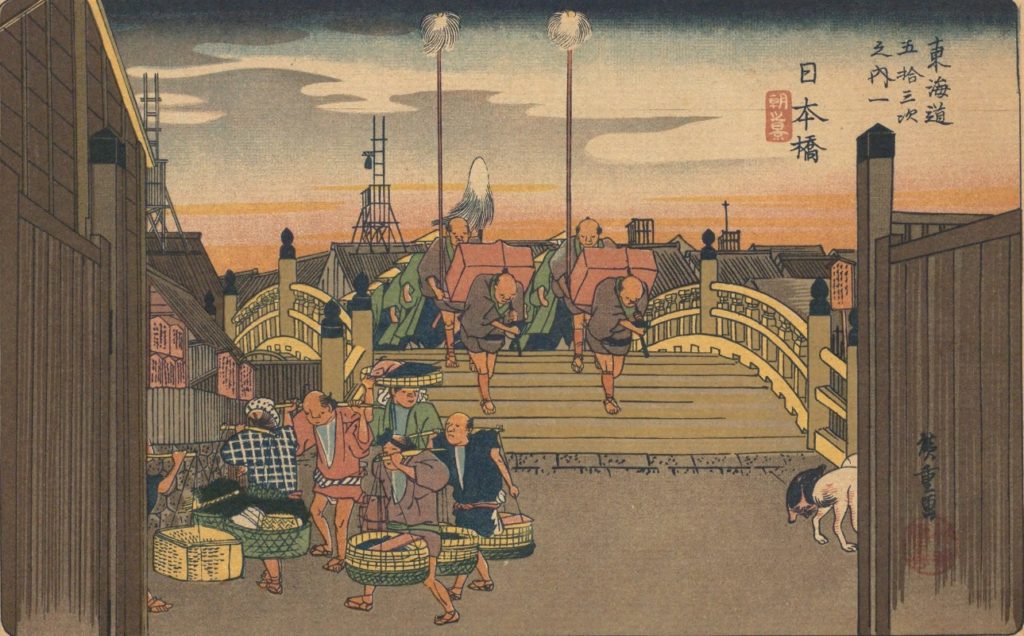
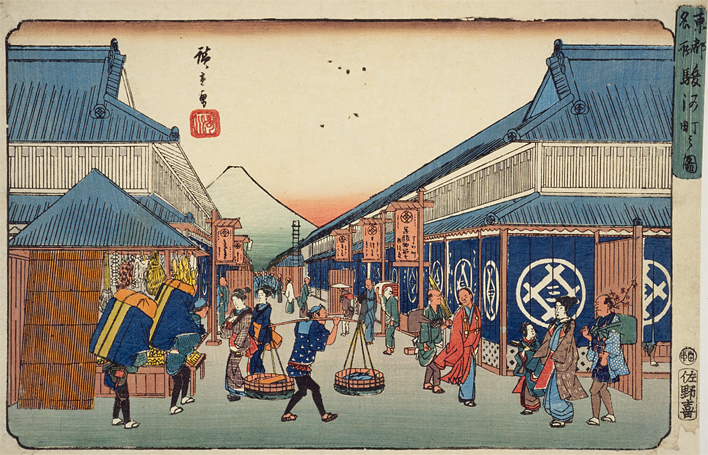
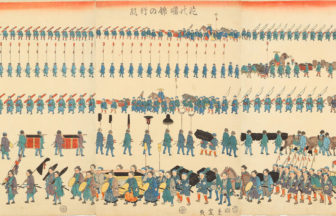
National Diet Library Digital Collection
Nihonbashi was constructed in 1603 and designated by the Edo shogunate as the starting point for the Five Highways (Tōkaidō, Kōshū Kaidō, Nakasendō, Nikko Kaidō, Chiba Kaidō). During the Edo period, Nihonbashi flourished as the commercial center of Japan. It served as a hub gathering merchants, wholesalers, and fish markets. The ukiyo-e artist Utagawa Hiroshige depicted the bustling activity of people crossing the bridge, merchants, and travelers in many of his works, including his masterpiece “Fifty-three Stations of the Tōkaidō,” offering a glimpse into the vibrant energy of this area at the time. Near Nihonbashi stood Edo’s largest fish market. Though hard to imagine today, waterways crisscrossed the surrounding area, with goods transported by boat. This fish market later evolved into the Tsukiji Market and then the Toyosu Market. As a place where goods from all regions converged, Nihonbashi can be considered the birthplace of Tokyo’s food culture.
With Japan’s modernization from the late 19th to early 20th century, the Nihonbashi area transformed into a district blending Western architecture and modern commerce. Even today, the area features many Western-style buildings like the Bank of Japan, Sumitomo Mitsui Trust Bank, and Mitsukoshi.
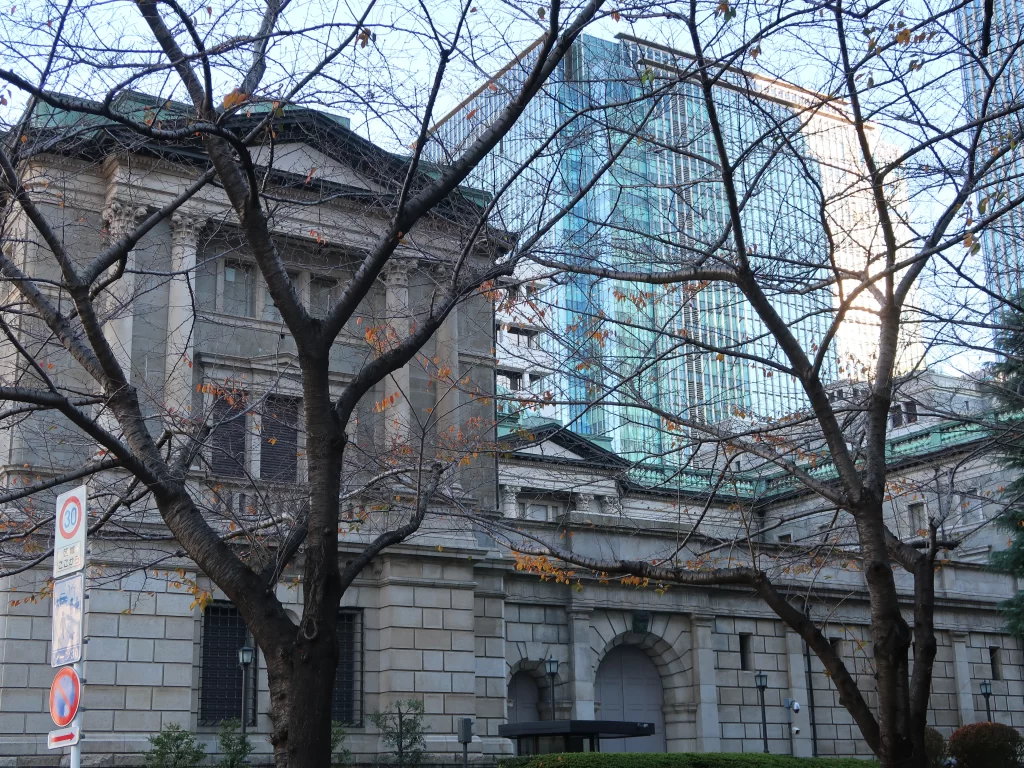
Bank of Japan
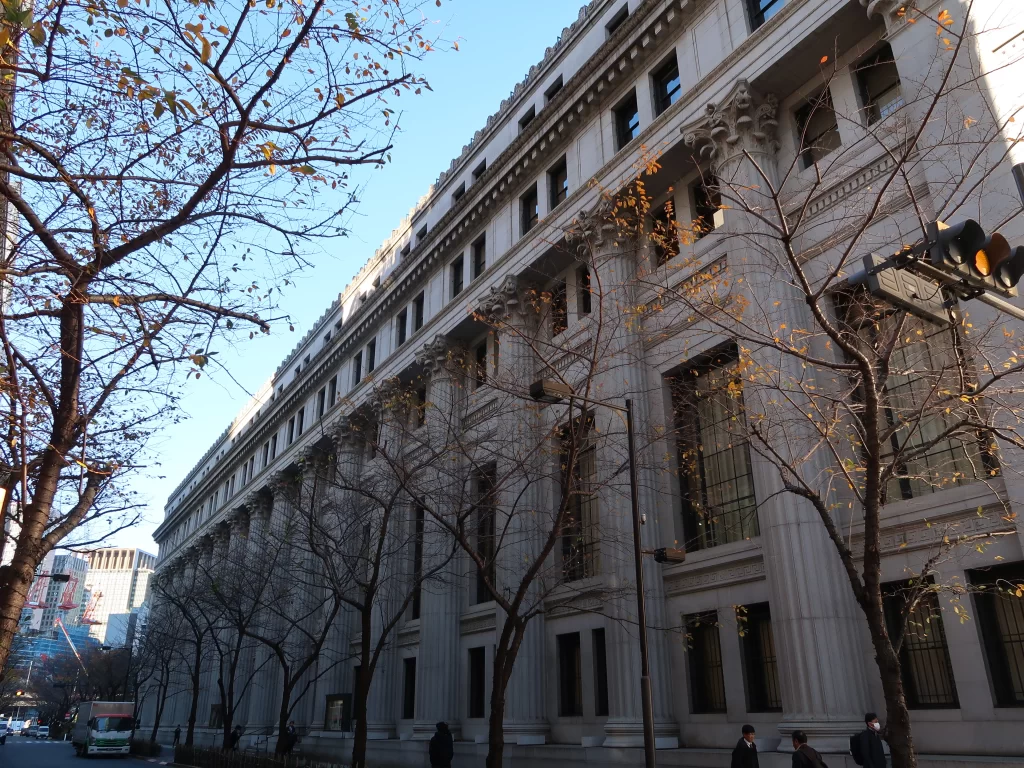
Mitsui Main Building
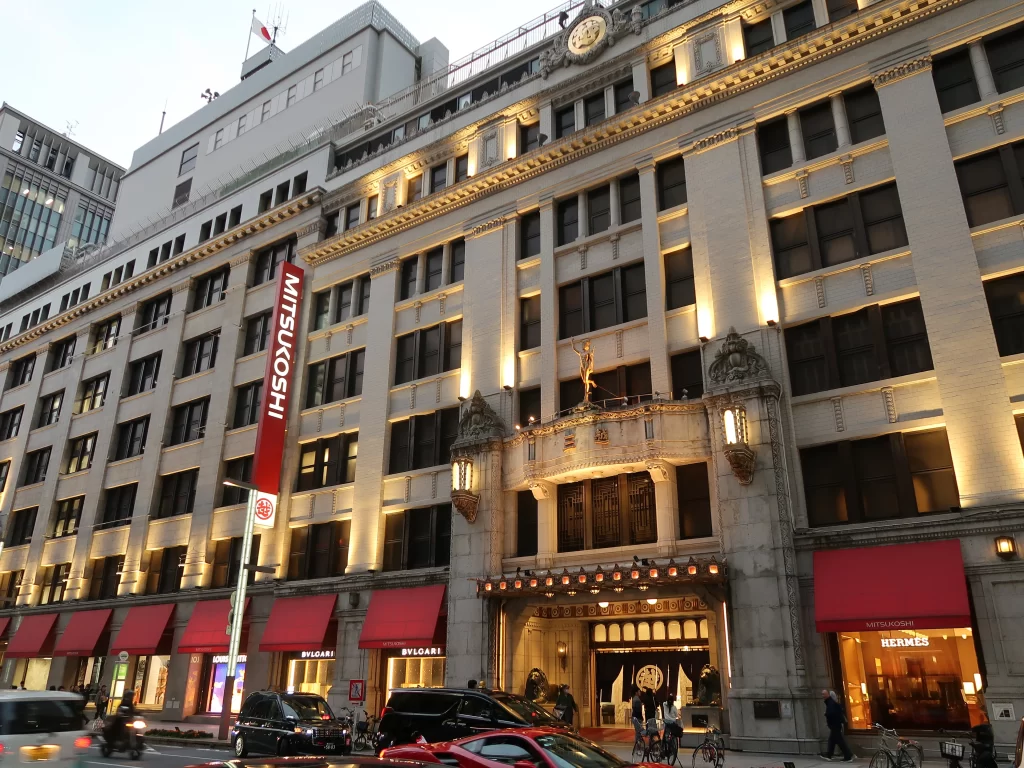
Nihonbashi Mitsukoshi Main Store
The current Nihonbashi Bridge was constructed in stone in 1911 and is adorned with the Aun lions and a bronze statue of a kirin. These statues represent Tokyo’s guardian deities and symbolize the city’s prosperity. The Nihonbashi district is also lined with long-established department stores like Mitsukoshi and Takashimaya. Even today, it offers sophisticated shopping for luxury goods and a variety of items, giving it a refined atmosphere.
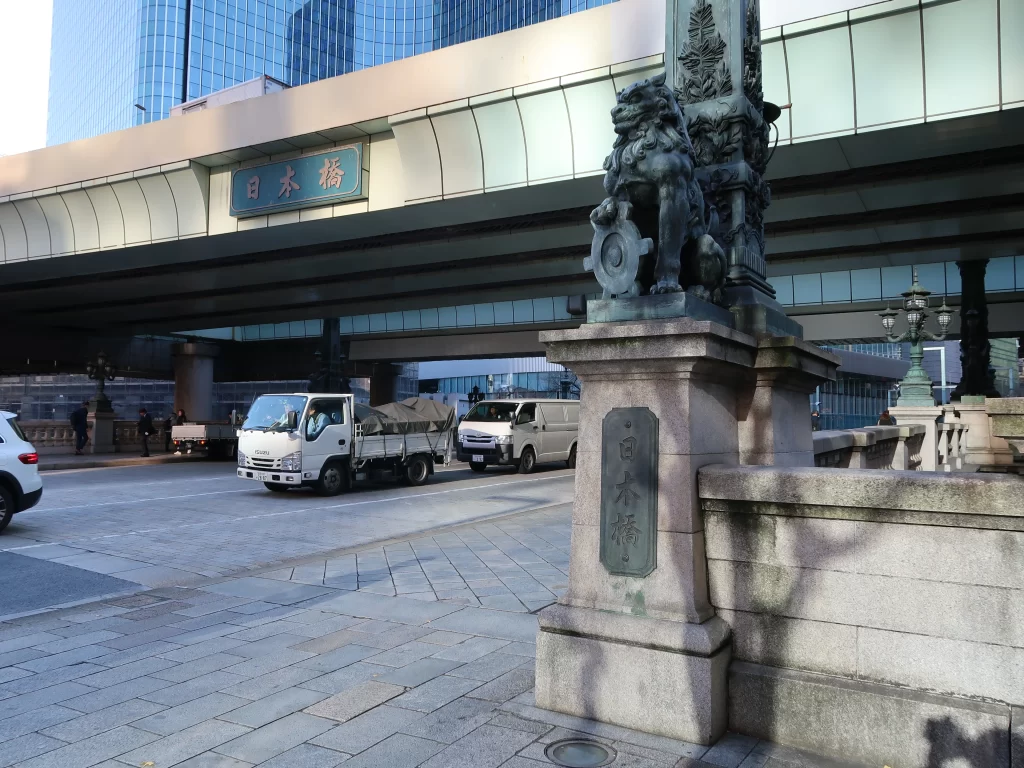
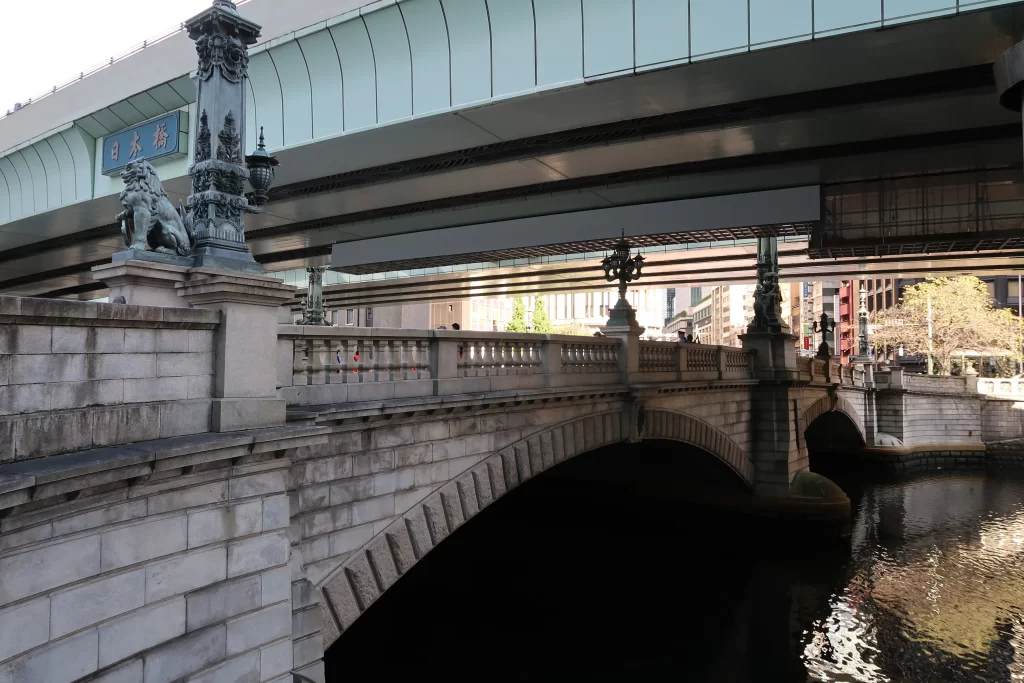
Walking through Nihonbashi today, you can feel both the history and the modernity of Tokyo. Traditional shops selling washi paper, tea, and knives stand alongside sleek skyscrapers and high-end restaurants. Mitsui Tower and the COREDO Nihonbashi complex offer stylish cafes, local food, and Japanese crafts, blending old Edo culture with new lifestyles. You can even enjoy a boat cruise along the Nihonbashi River, where you’ll pass under bridges that have connected the city for centuries.
In recent years, Nihonbashi has also become a center for cultural preservation and innovation. The area’s “Revitalization Project” aims to restore the atmosphere of the original Edo streetscape while promoting new businesses, art events, and community activities. Every year, the Nihonbashi-Kyobashi Matsuri brings traditional music, parades, and food stalls to the streets, celebrating the area’s long heritage as a place of gathering and exchange.
For visitors, Nihonbashi offers a unique chance to experience the layers of Japanese history in one place. You can start your day exploring the bridge and its surrounding landmarks, visit long-established stores like the 300-year-old Yamamoto Noriten for seaweed or Kanmidokoro Nihonbashi Nishikihorin for traditional sweets, then move on to modern attractions like the Nihonbashi Information Center or the rooftop terrace of COREDO Muromachi.
Whether you are interested in history, architecture, shopping, or food, Nihonbashi represents the essence of Tokyo — a city where the past and present coexist beautifully. Standing on the stone bridge and looking at the busy traffic below, you can imagine the travelers of centuries ago setting off on their journeys from the same spot. Nihonbashi is not just a bridge; it is a bridge between eras, connecting the heritage of old Edo with the dynamism of modern Japan.
National Diet Library Digital Collection


No comments yet.