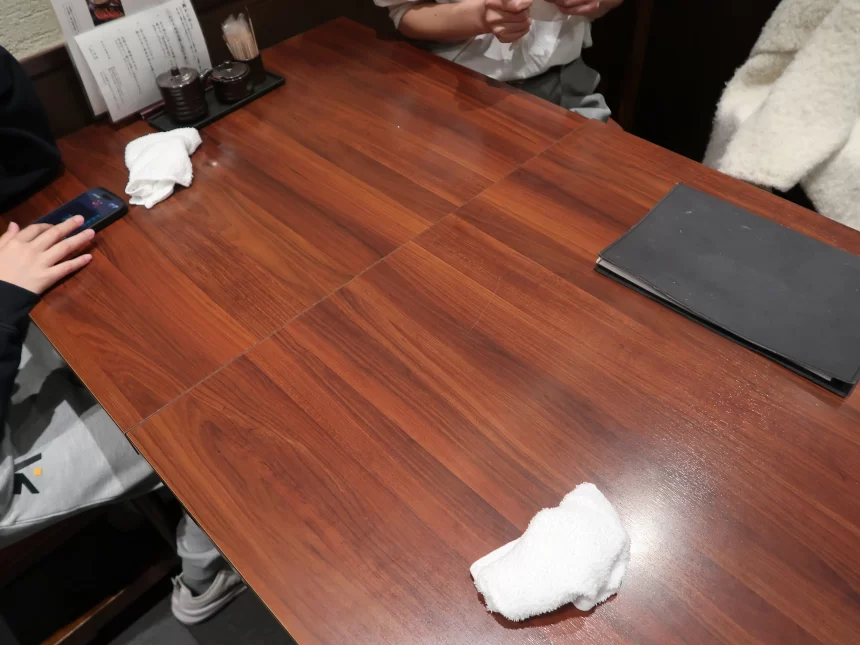
Eating at restaurants in Japan can feel very different — especially if you’re visiting for the first time.
You may find yourself waiting for a waiter who never comes, unsure how to order more food, or wondering if you’re doing something wrong.
Don’t worry — this guide explains how ordering food in Japan really works, so you can enjoy your meal without stress.
Why You May Feel Ignored in Japanese Restaurants
If you’re used to restaurants where staff come to your table, Japan can feel confusing.
In many places, especially izakaya and busy local restaurants, staff will not come unless you call them.
This doesn’t mean you are being ignored — it’s simply how the system works.
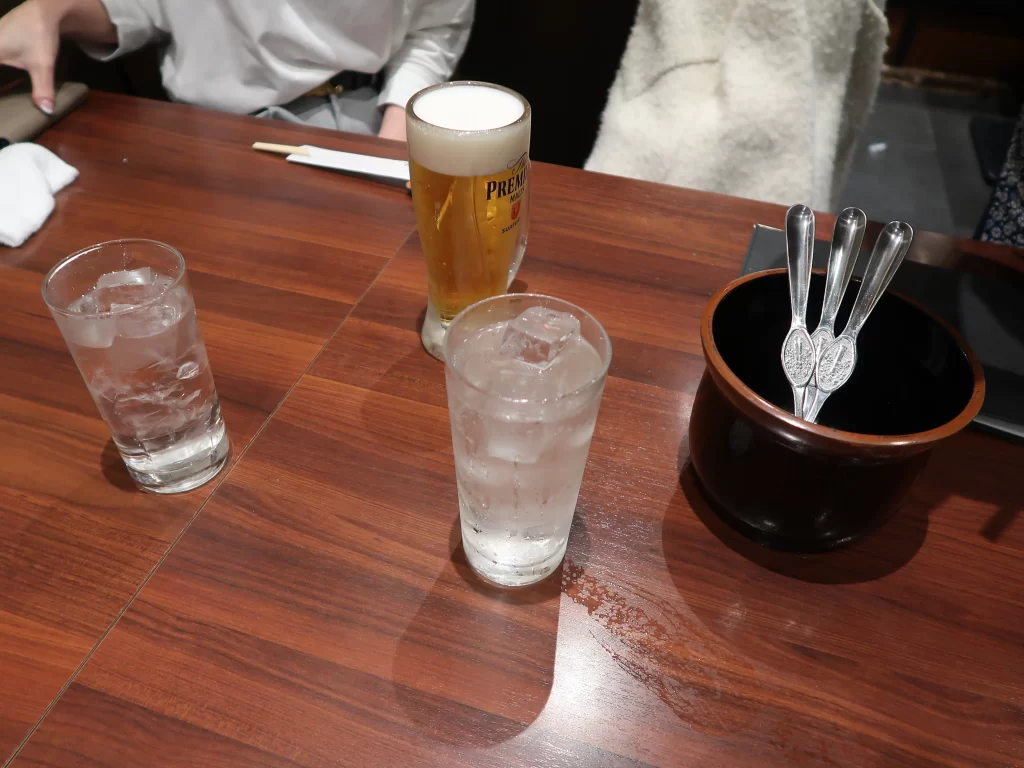
How to Call Staff in Japan
In Japan, it’s completely normal to call staff by saying “sumimasen” (excuse me).
Unlike in some countries, this is not rude — it is polite and expected.
Just say “sumimasen” with a clear voice — this is the easiest and most common way to get attention.
If you feel uncomfortable speaking loudly, you can also raise your hand slightly while saying it.
If you’re not comfortable using chopsticks, don’t worry — you can ask for a fork or spoon, and it is completely acceptable.
In many Japanese restaurants, you may be served a small dish automatically before you order.
This is called “otoshi,” and it’s a common part of dining culture in Japan.
Ordering in Japan Is Not Just One Time
One of the biggest differences is that in Japan, you don’t need to order everything at once.
It’s completely normal to order food multiple times during your meal.
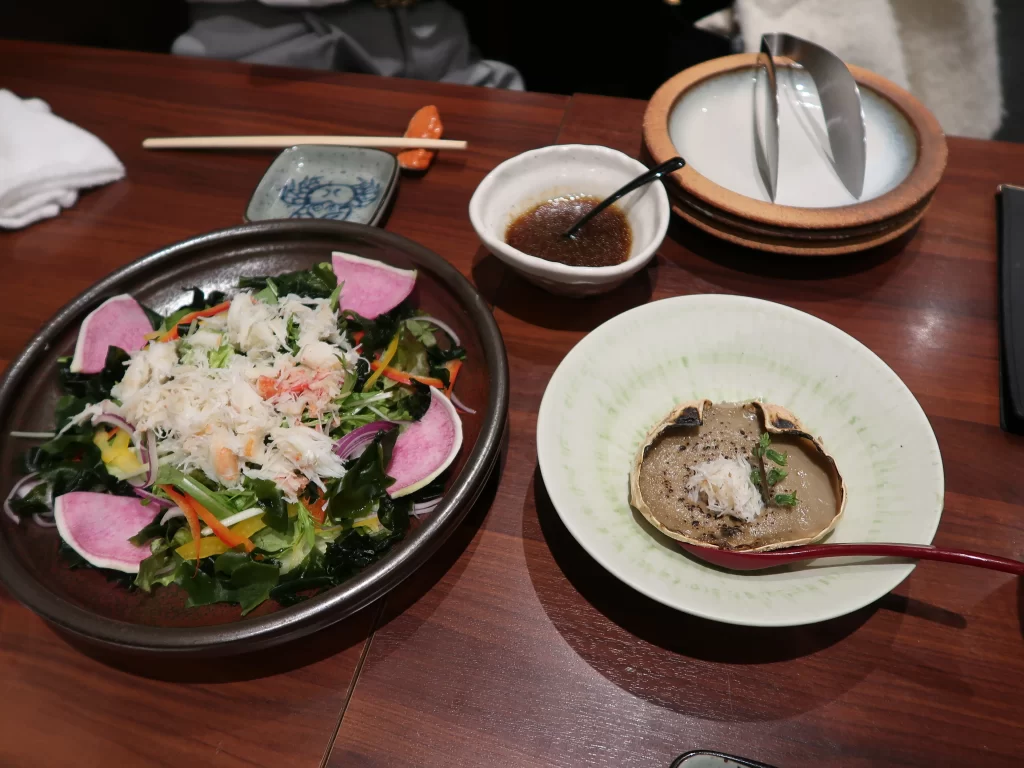
Why People Don’t Order Everything at Once in Japan
You might wonder why people in Japan don’t order a lot of food at once.
There are several cultural and practical reasons behind this — and understanding them can completely change how you experience dining in Japan.
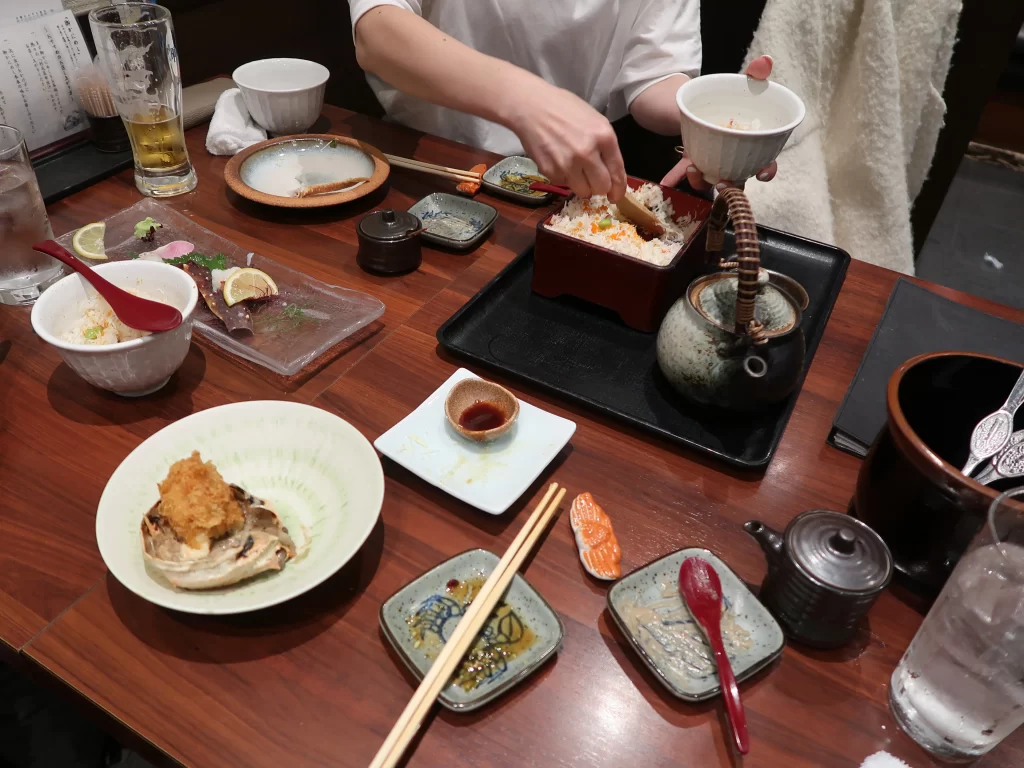
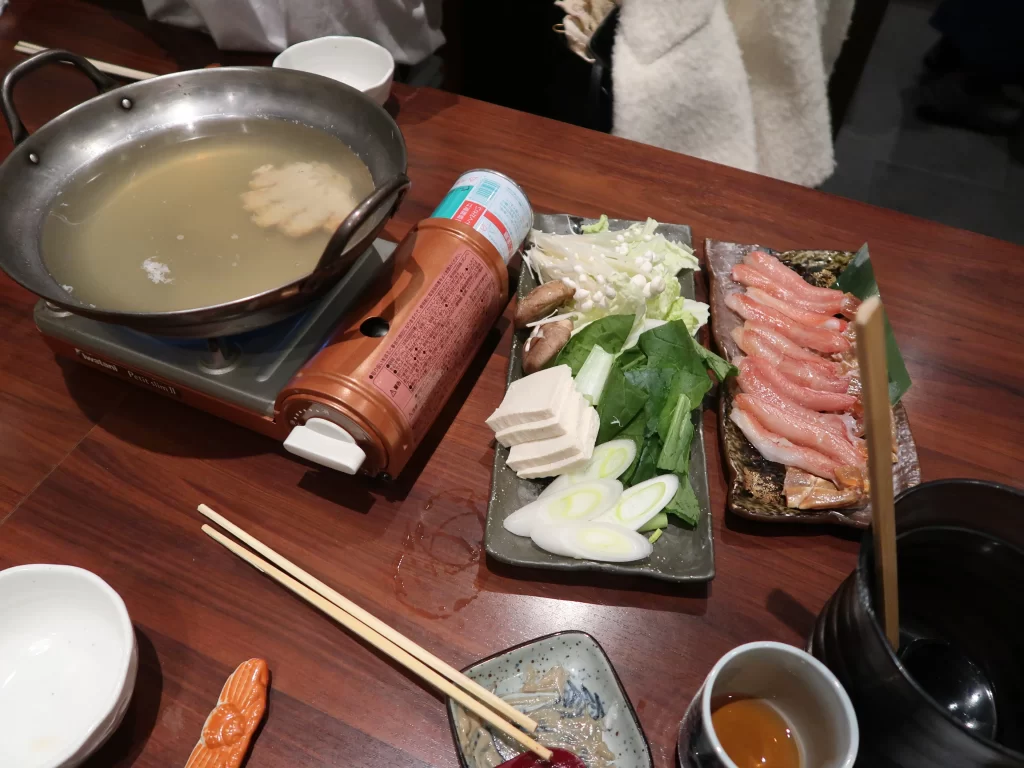
①Make the most of your table space
In many Japanese restaurants, tables are relatively small.
If you order too many dishes at once, there simply won’t be enough space to place everything.
That’s why people order gradually, making sure there is always room on the table.
②Enjoy your meal as a seamless experience
Dining in Japan is often enjoyed as a flow rather than a fixed structure.
People usually start with light dishes, then move on to more substantial food, and sometimes finish with something simple.
③A culture of sharing
Many dishes in Japan are meant to be shared.
Instead of ordering individual meals, people choose several dishes and enjoy them together.
This is why ordering step by step works better — it allows everyone to try different things.
④The joy of asking again
If you find a dish you really like, it’s common to order it again later.
This is part of the experience — not everything needs to be decided at the beginning.
Summary
In short, dining in Japan is not about ordering everything at once.
It’s about creating a comfortable flow, sharing food, and enjoying each moment step by step.
Dining in Japan is not about planning everything — it’s about enjoying the experience as it unfolds.
Meals don’t end when you think they do
In Japan, meals don’t always end when you finish the main dishes.
It’s common to order something at the end, like noodles or rice — especially in dishes like hot pot, where the remaining broth is used to make a final dish.
This final dish is often called “shime” (〆), a unique part of Japanese dining culture.

Common Mistakes Tourists Make
Here are some common situations that can cause confusion:
❌ Waiting for staff without calling
They may never come
❌ Thinking you must order everything at once
You don’t
❌ Feeling shy about saying “sumimasen”
It is completely normal
Different Types of Restaurants in Japan
Not all restaurants work the same way.
🍶 Izakaya / Busy Local Restaurants
- You must call staff
- Multiple orders expected
🍽️ Casual Restaurants
- Mixed style
- Sometimes staff comes, sometimes you call
🍷 Formal Restaurants
- Staff will come to you
- Ordering is more structured
If you prefer a more relaxed experience, choose a restaurant where staff come to your table.
Simple Tips to Enjoy Dining in Japan
- Don’t wait too long — call staff when needed
- Start with a few dishes
- Order more as you go
- Relax and enjoy the experience
FAQ
Is it rude to call staff in Japan?
No, it is normal and expected.
How do I say excuse me in Japan?
Say “sumimasen.”
Can I order more food later?
Yes, you can order as many times as you like.
Why don’t waiters come automatically?
Because customers are expected to call them.
Is it okay to use a fork or spoon in Japan?
Yes, it is completely okay to use a fork or spoon in Japan.
Many restaurants provide alternative utensils, and you can simply ask for them if they are not on the table.
Is it rude not to use chopsticks in Japan?
No, it is not rude.
Japanese people understand that not everyone is used to chopsticks, and using other utensils is perfectly acceptable.
Is it okay to make noise when eating in Japan?
Yes — but it depends on the type of food.
For example, slurping noodles like ramen or soba is completely normal in Japan and can even show that you are enjoying the meal.
However, making loud noises while eating other foods is generally considered impolite.
When in doubt, follow the atmosphere around you.
When in doubt, follow the atmosphere around you.
In most casual restaurants in Japan, water is free and will be provided automatically or available for self-service.
In some places, you may receive tea instead of water.
However, in certain restaurants, especially more formal ones, bottled water or drinks may be charged.
If you’re unsure, just ask — staff will be happy to help.
Do I need to tip in Japan?
No, tipping is not required in Japan.
In fact, leaving a tip can sometimes cause confusion, as good service is already included.
Staff take pride in providing excellent service without expecting extra payment.



No comments yet.