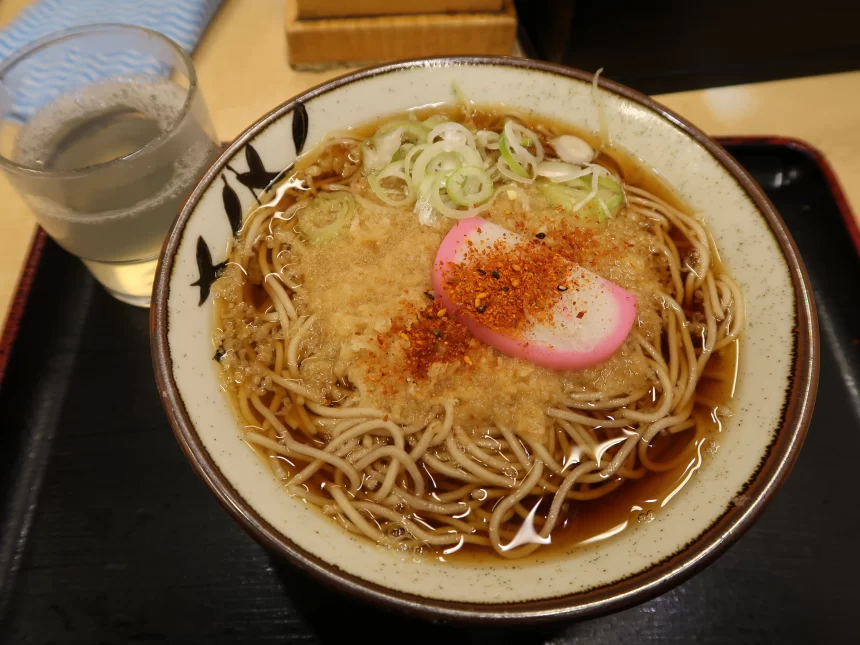
Soba – Traditional Japanese Buckwheat Noodles
Soba is a traditional Japanese noodle dish made from buckwheat flour, characterized by its simple yet deep flavor in a broth rich with bonito dashi. In Japan, it aligns with the three principles of being quick to eat, affordable, and delicious, making it a popular everyday food.
1.What is Soba?
Soba is a thin noodle made primarily from buckwheat flour, known for its pleasant aroma and light texture. The thickness and aroma of the noodles vary by shop and region, and with so many soba restaurants available, comparing different styles is part of the enjoyment. Buckwheat flour is also recognized as a healthy ingredient, rich in B vitamins and dietary fiber, making soba a popular choice for healthy eating.
2.Main Types
Soba comes in various styles, enjoyed differently depending on the season and preference.
・Zaru Soba
Cold noodles dipped in “tsuketsuyu” dipping sauce. Its refreshing taste makes it popular during hot seasons.
・Kake Soba
The classic bowl topped with warm broth. Its gentle flavor is enjoyable year-round.
・Tempura Soba
A luxurious dish featuring crispy tempura enjoyed alongside soba.
・Juwari Soba
Authentic soba made with 100% buckwheat flour, offering a very rich aroma.
・Nihachi Soba
Made with 80% buckwheat flour and 20% wheat flour, offering a good balance of aroma and ease of eating.
3.Key Eating Tips
For zaru soba, take a small portion of noodles, lightly dip them in the dipping sauce, and eat. Some shops allow you to eat them with just salt to fully enjoy the noodle flavor. After finishing, it’s customary to mix the soba-yu (the water used to boil the soba) into the dipping sauce and drink it. This act symbolizes the end of the meal and represents a quintessential enjoyment of Japanese soba culture.
Soba comes with various toppings. Examples include tempura such as shrimp, whiting, or vegetables. Another characteristic is the wide variety of toppings available, like wakame seaweed or nameko mushrooms. You might want to start by ordering plain kake soba without any toppings.
One thing that might concern you when eating soba is the slurping sound. While most travelers from other countries might feel uncomfortable making noise while eating, in Japan, you don’t need to worry about slurping when eating soba or ramen. In fact, the slurping sound signals to others that you are enjoying your meal.
4.Cultural Background
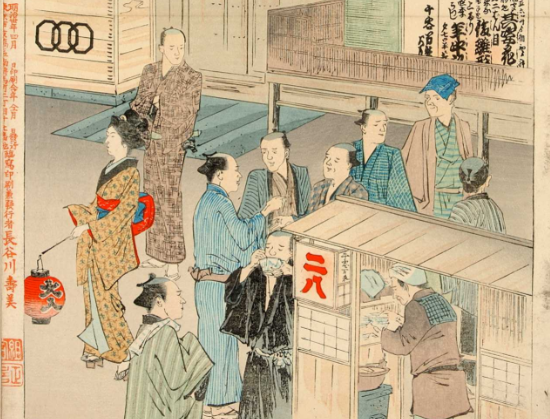
Soba has a long history in Japan, particularly famous as year-end soba eaten at the close of the year. The thin, long noodles symbolize wishes for “long life” and “bringing good fortune.” Soba is also frequently eaten during gatherings with family and relatives. Furthermore, the flavor and thickness of the dipping sauce (tsuyu) vary by region. You can taste distinct differences even in the same soba sauce, like Tokyo’s “spicy tsuyu” versus Kansai’s “mild-flavored tsuyu.”
5.Who is it recommended for?
People wanting to deeply understand the appeal of Japan’s popular food culture
People wanting to experience traditional Japanese cuisine
People seeking healthy food options
People who enjoy seasonal dining
6.What kinds of soba restaurants are there?
Chain Soba Restaurants
Chain soba restaurants like Fuji Soba, Komoro Soba, and Yudejiro operate multiple locations. They’re known for fast service and minimal wait times, making them ideal for those who want to eat quickly and leave. Visiting during peak times like lunchtime can be hectic, so going slightly off-peak might be better.
Famous soba shops without multiple locations
While the shop may have a chain-like atmosphere, the quality of the soba noodles and broth is entirely different from chain stores, offering a deeper, more satisfying flavor.
Long-established soba shops
These soba shops, housed in old wooden buildings with exteriors that feel like stepping back in time to the Edo period, have been in business for centuries. Beyond soba, many also offer signature dishes unique to their establishment, making them popular for drinking occasions.
Soba is an inseparable part of Japanese culture, a culinary tradition that has continued since ancient times. Travelers, please try the experience of eating soba. Depending on the shop, both the noodles and the broth can vary greatly, so you’re sure to find a soba that suits your taste. That soba might become your soul food, making you want to eat it every time you visit Japan. Savor Japan’s broth culture in its birthplace, enjoying its aroma and profound flavor.


No comments yet.