Understanding Tokyo’s Train Culture
Tokyo’s train system isn’t just transportation—it’s a masterpiece of human cooperation. With over 40 million daily passengers moving through the network with clockwork precision, the system’s success depends on everyone following unwritten rules that prioritize collective harmony over individual convenience.
For international visitors, understanding these customs opens a window into Japanese society itself. The quiet efficiency you’ll witness reflects core Japanese values: respect for others, consideration for shared spaces, and the belief that small individual actions create collective well-being.
These aren’t rigid laws but social agreements that have evolved over decades. By following them, you’ll not only travel more comfortably but also experience firsthand the cooperative spirit that makes Japanese society function so smoothly.
Before You Board
How to line up
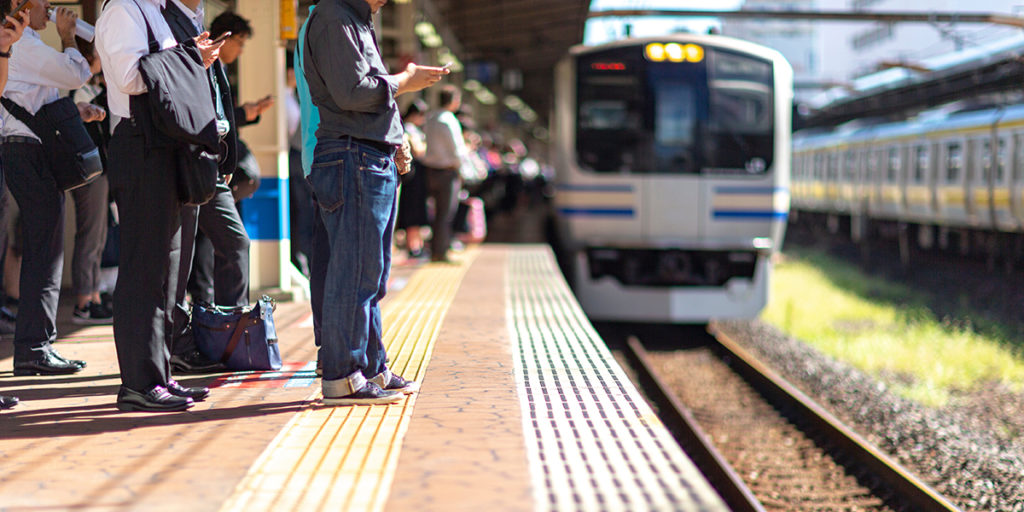
Japanese train platforms showcase one of the world’s most elegant queuing systems. Look for the painted marks on the platform floor—these show exactly where train doors will open. Form two lines on either side of these marks, leaving the center space clear for passengers exiting the train.
This system, called “seiretsu josha” (orderly boarding), transforms what could be chaotic rushes into smooth, predictable flows. Even during rush hour, when platforms are packed, people maintain these orderly lines with remarkable discipline.
Important Rule: Let People Off First
This is perhaps the most fundamental rule of Tokyo train travel. No matter how crowded the platform or how urgent your journey, always wait for all passengers to exit before attempting to board. This “descending passengers first” principle keeps the entire system flowing smoothly.
Pushing past exiting passengers isn’t just rude—it actually slows everyone down and can create dangerous bottlenecks. The few seconds you save by rushing on will be lost many times over in the resulting confusion.
Crowded times
During peak hours (roughly 7-9 AM and 5-7 PM), trains can become incredibly crowded. If a train is already packed to capacity, consider waiting for the next one. Trains run frequently—usually every 2-4 minutes during rush hour—so you won’t wait long, and you’ll have a much more comfortable journey.
Inside the Train
Keep quiet in the Train
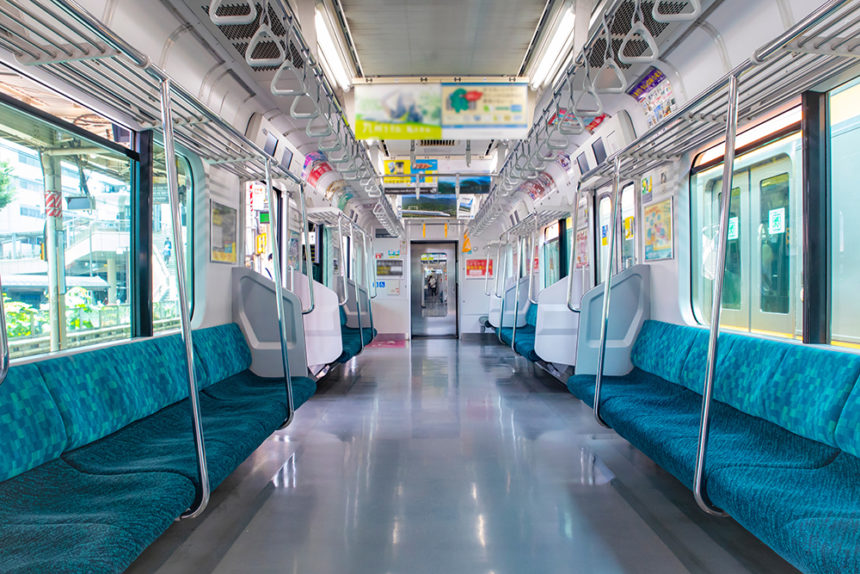
Perhaps nothing surprises first-time visitors more than the remarkable quiet inside Tokyo trains. Despite carrying millions of passengers daily, train cars maintain an almost library-like atmosphere. This isn’t enforced by rules but by mutual understanding that shared spaces should be peaceful.
Phone conversations are strongly discouraged—you’ll see signs asking passengers to switch phones to silent mode and avoid calls. If you must take an urgent call, keep it extremely brief and speak in the lowest possible voice. Most Japanese passengers will step off at the next station to take calls rather than disturb others.
Digital Courtesy
Set your phone to silent mode before boarding—this is non-negotiable. The sudden ring of a phone in a quiet car can startle dozens of people. When listening to music or watching videos, use headphones and keep the volume low enough that others can’t hear any sound leakage.
Be mindful that even the clicking sounds of phone keyboards can be noticeable in the quiet environment. Many passengers use their phones, but they do so silently and considerately.
Seat Etiquette and Priority Areas
Tokyo trains have designated priority seats (usually marked in different colors) reserved for elderly passengers, pregnant women, people with disabilities, and those with small children. These seats are typically located near the ends of each car.
If you’re sitting in a regular seat and notice someone who might need it more, offering your seat is always appreciated. A simple gesture—standing up and indicating the seat—transcends language barriers. Don’t be offended if your offer is politely declined; many Japanese people prefer not to inconvenience others.
Near priority seats, it’s recommended to turn off mobile phones entirely, as they can interfere with pacemakers and other medical devices.
Managing Your Belongings
Backpacks are incredibly common in Tokyo, but wearing them on crowded trains can accidentally bump into other passengers. The solution is simple: swing your backpack to your front or place it at your feet. This small adjustment shows consideration for others and prevents accidental collisions.
For larger luggage, use the overhead racks when available, or keep items at your feet in a way that doesn’t block aisles or doors. During rush hour, try to make yourself and your belongings as compact as possible.
Women-Only Cars
Many Tokyo train lines operate women-only cars during peak hours (usually marked with pink signs). These cars, typically located at the front or rear of trains, provide a safe, comfortable space for women during crowded rush hours.
The operating hours are clearly posted, and the cars are well-marked both on the train exterior and on platform signs. Male passengers, including foreign tourists, must respect these designations during the specified times.
Eating and Drinking Guidelines
Urban vs. Long-Distance Trains
On local urban trains (like the Yamanote Line or subway lines), eating is generally avoided. The combination of crowded conditions, short journey times, and the emphasis on cleanliness makes eating impractical and potentially inconsiderate.
However, drinking non-alcoholic beverages is perfectly acceptable, especially water or tea. Just be discreet and avoid anything that might spill or create strong odors.
Long-distance trains like the Shinkansen are different—eating is not only acceptable but part of the experience. Station bento boxes (ekiben) are specifically designed for train travel and represent a beloved aspect of Japanese travel culture.
The Ekiben Experience
If you’re taking a longer journey, don’t miss the chance to try ekiben—beautifully prepared meals sold at train stations. These aren’t just food; they’re edible souvenirs that showcase regional specialties and represent the Japanese attention to detail in every aspect of travel.
Emergency Situations and Getting Help
When You Need Assistance
If you feel unwell, need directions, or encounter any problems, don’t hesitate to ask for help. Despite the quiet atmosphere, Japanese passengers are generally very helpful to foreign visitors in genuine need.
Station staff are particularly helpful and often speak some English. Look for the blue uniforms and don’t be shy about approaching them with questions or concerns.
Emergency Procedures
In case of emergencies, each train car has emergency communication devices. However, for most situations, alerting station staff at the next stop is the most effective approach.
If you witness someone in distress, offering assistance or alerting staff is appreciated. The quiet train environment means that emergencies are quickly noticed and addressed.
Tokyo train culture
The Philosophy Behind the Rules
Tokyo’s train etiquette reflects deeper Japanese cultural values. The emphasis on quiet reflects the concept of “enryo”—self-restraint for the benefit of others. The orderly queuing demonstrates “wa”—harmony achieved through individual consideration.
Understanding these concepts helps you appreciate that train etiquette isn’t about rigid rules but about participating in a collective effort to make shared spaces pleasant for everyone.
Seasonal Considerations
Train etiquette can vary slightly with seasons. During summer, when temperatures and humidity soar, extra consideration for personal space and cleanliness becomes important. In winter, wet umbrellas require special attention to avoid dripping on others.
During cherry blossom season or other festivals, trains may be more crowded and the atmosphere slightly more relaxed, but the fundamental principles of consideration remain constant.
Making the Most of Your Train Experience
Learn about Japanese culture through trains
Use your train journeys as opportunities to observe Japanese social dynamics. Notice how people move efficiently through crowded spaces, how they manage their belongings, and how they show consideration for others in small but meaningful ways.
Beyond Transportation
Tokyo’s trains offer more than just getting from point A to point B. The views from elevated sections provide unique perspectives on the city, and the efficiency of the system itself is a marvel worth appreciating.
Many stations are destinations in themselves, with extensive shopping and dining options. Don’t rush through—explore and discover the underground cities that exist beneath Tokyo’s streets.
Your Role in the System
By following these guidelines, you become part of Tokyo’s remarkable transportation ecosystem. Your consideration contributes to the smooth operation that benefits millions of daily passengers.
Remember that these customs developed organically over decades as practical solutions to moving massive numbers of people efficiently and pleasantly. They represent collective wisdom about how to share space respectfully.
Tokyo’s train system is one of humanity’s great achievements in urban planning and social cooperation. By understanding and respecting its customs, you’ll not only travel more comfortably but also gain insights into the values and social dynamics that make Japanese society unique.
Every journey becomes an opportunity to participate in this remarkable example of human cooperation, turning simple transportation into a window into Japanese culture and values.


No comments yet.