Understanding Tokyo’s Bus Network
While Tokyo’s trains get most of the attention, the city’s bus system offers something equally valuable: intimate access to neighborhood life and local culture. Buses reach places trains can’t, winding through residential areas, connecting local shopping districts, and providing front-row seats to authentic Tokyo life.
Tokyo buses operate with the same precision and courtesy as the famous train system, but with a more relaxed, community-oriented atmosphere. Bus drivers often know regular passengers by sight, and the pace allows for a different kind of urban experience—one where you can watch the city unfold at street level.
Understanding bus etiquette helps you navigate not just the transportation system but also the social dynamics of local Tokyo communities. These customs reflect Japanese values of consideration, order, and mutual respect in shared spaces.
At the Bus Stop
The Invisible Queue
Japanese bus stops operate on an honor system of queuing that’s both elegant and efficient. Even when there’s no visible line, people remember the order of arrival and board accordingly. If you’re unsure of your place in the queue, a polite gesture or quiet inquiry usually clarifies the situation.
This system works because everyone participates willingly, understanding that fairness benefits the entire community. As a visitor, showing awareness of this custom demonstrates respect for local values.
Rules when riding
When a bus arrives, the most important rule is universal: let passengers exit completely before attempting to board. This “alighting first” principle prevents bottlenecks and keeps the system flowing smoothly.
Watch for the subtle choreography as passengers position themselves to board efficiently while leaving clear paths for those exiting. It’s a beautiful example of collective coordination without explicit direction.
Understanding Boarding Systems
Tokyo buses use different boarding systems depending on the route type:
Front-door boarding (most city buses): Enter through the front door, pay your fare immediately, and find a seat. This system works well for flat-rate urban routes.
Rear-door boarding (some suburban routes): Enter through the rear door, take a numbered ticket if required, and pay when exiting based on distance traveled.
The system in use is usually clearly marked, but don’t hesitate to observe other passengers or ask the driver if you’re unsure.
Inside the Bus
The silence inside the bus
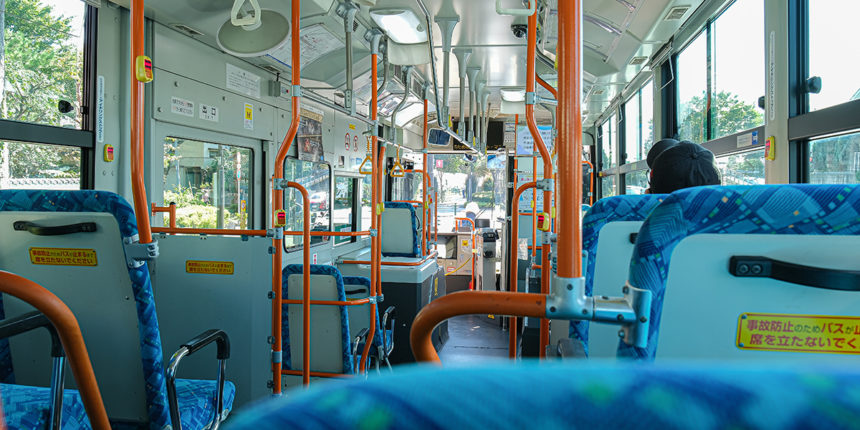
Bus interiors maintain a peaceful atmosphere similar to trains, though slightly more relaxed due to the smaller, more intimate space. Conversations happen in low voices, phone calls are avoided, and the overall ambiance is one of shared tranquility.
This quietness isn’t oppressive—it’s considerate. It allows passengers to rest, think, or simply enjoy the journey without unwanted noise intrusion.
Seat Courtesy and Priority Areas
Priority seats (usually marked in different colors and located near the front) are reserved for elderly passengers, pregnant women, people with disabilities, and those with small children. The expectation to offer these seats when needed is even stronger on buses than trains, as the smaller space makes everyone more aware of each other’s needs.
Regular seats follow an informal hierarchy: window seats are generally preferred, and offering your seat to someone who appears to need it more is always appreciated. A simple gesture transcends language barriers and embodies the Japanese spirit of mutual care.
Managing Space and Belongings
Bus aisles are narrower than train cars, making spatial awareness crucial. Keep backpacks in front of you or at your feet to avoid bumping other passengers. Large luggage should be positioned where it won’t block aisles or emergency exits.
During crowded periods, everyone unconsciously participates in a delicate dance of making space—shifting slightly to accommodate new passengers, adjusting belongings to create more room, and moving toward the rear to distribute weight evenly.
The Safety Imperative
Moving around while the bus is in motion is strongly discouraged due to safety concerns. Buses make frequent stops, accelerate and brake more abruptly than trains, and navigate turns that can throw standing passengers off balance.
Always hold onto handrails or straps, and save any movement for when the bus is completely stopped. This isn’t just personal safety—it’s consideration for other passengers who might be affected if you lose your balance.
How to get off the bus
Timing Your Signal
Most buses have stop-request buttons located throughout the interior. Press one of these buttons after passing the stop before your destination—this gives the driver time to prepare for your exit and alerts other passengers.
The buttons are usually accompanied by a pleasant chime and sometimes an announcement, creating a gentle notification system that maintains the peaceful bus atmosphere.
Payment Systems Demystified
Flat-rate systems: Pay when boarding, usually into a fare box near the driver. Have exact change ready, as many systems don’t provide change.
Distance-based systems: Take a numbered ticket when boarding (if required), then pay based on your ticket number and destination when exiting. Fare charts near the driver show the amount owed.
IC Card convenience: Suica, PASMO, and other IC cards work on most buses and automatically calculate the correct fare, making the process seamless.
Express gratitude
Exiting through the front door allows you to thank the driver—a small gesture that’s deeply appreciated. A simple “arigatou gozaimashita” (thank you very much) or even a nod of acknowledgment brightens drivers’ days and reflects well on international visitors.
This moment of human connection transforms a simple transaction into a brief but meaningful cultural exchange.
Special Situations and Seasonal Considerations
Bus rush hour
Bus rush hours don’t match train schedules exactly, as buses serve different commuting patterns. However, during busy periods, the same principles apply: be patient, make space for others, and prioritize collective efficiency over individual convenience.
Responding to weather
Rainy season: Buses often provide umbrella bags or stands to prevent wet umbrellas from dripping on seats. Use these facilities and be extra careful not to splash other passengers when boarding with wet gear.
Summer heat: Buses may be crowded and warm. Be patient with air conditioning adjustments and considerate of personal space when everyone is dealing with heat and humidity.
Winter conditions: Heating systems work hard, but buses can still be chilly. Dress appropriately and be understanding if the temperature isn’t perfect.
Traveling with Children
Parents with small children receive extra consideration on buses. Other passengers often offer seats, help with strollers, and show patience with normal childhood behavior. As a visitor, following this lead demonstrates cultural awareness.
If you’re traveling with children, prepare them for the quiet atmosphere and have activities ready to keep them occupied during longer rides.
Japanese bus culture
Locally-based transportation
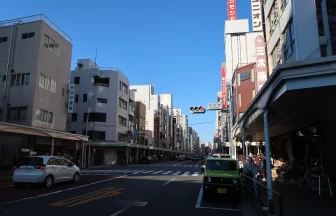
Buses offer unique insights into Tokyo’s residential areas that trains simply can’t provide. You’ll see local shopping streets, small shrines, neighborhood parks, and the daily rhythms of community life.
Many bus routes connect residential areas to local train stations, creating a complete picture of how Tokyo residents actually move through their city.
Driver Relationships
Bus drivers often develop relationships with regular passengers, greeting familiar faces and showing concern for elderly or disabled riders. This personal touch reflects the community-oriented nature of bus transportation.
As a visitor, you might experience this warmth through small gestures—a patient explanation of the fare system, help with directions, or simply a genuine smile of welcome.
Useful information for riding the bus
Preparation Strategies
•Research your route in advance using Google Maps or bus company apps
•Have exact change ready or ensure your IC card has sufficient balance
•Learn basic Japanese phrases for common situations
•Identify your destination stop clearly before boarding
Navigation Tools
•Bus stop names are usually displayed in Japanese and English
•Route maps inside buses show upcoming stops
•Many buses announce stops in both languages
•Don’t hesitate to ask fellow passengers for help—most are happy to assist
Cultural Sensitivity
•Observe other passengers and follow their lead
•Be patient with systems that might seem inefficient compared to trains
•Show appreciation for drivers and fellow passengers
•Remember that buses serve local communities—you’re a guest in their daily routine
Making Meaningful Connections
An experience beyond transportation
Bus rides offer opportunities for cultural observation and sometimes conversation. The slower pace and smaller space create possibilities for interaction that trains don’t provide.
Learning Opportunities
Use bus journeys to practice Japanese phrases, observe local customs, and gain insights into neighborhood life. The relaxed atmosphere makes buses excellent classrooms for cultural learning.
Respectful behavior
Your respectful behavior as an international visitor contributes to Tokyo’s reputation for welcoming tourists while maintaining local customs. Every positive interaction helps build bridges between cultures.
Through the Tokyo bus ride experience
Tokyo’s bus system represents community-level Japanese values: consideration for neighbors, respect for shared resources, and the belief that individual courtesy creates collective benefit. By participating respectfully in this system, you experience Japanese society at its most authentic level.
Buses connect not just places but people, creating temporary communities of passengers who share brief journeys while respecting each other’s space and needs. This balance of connection and consideration exemplifies the social harmony that makes Tokyo such a remarkable city.
Your bus experiences in Tokyo offer more than convenient transportation—they provide windows into the daily lives, values, and social dynamics that make Japanese urban life so uniquely pleasant and efficient. Every ride becomes an opportunity to participate in and appreciate this remarkable example of civilized city living.

No comments yet.