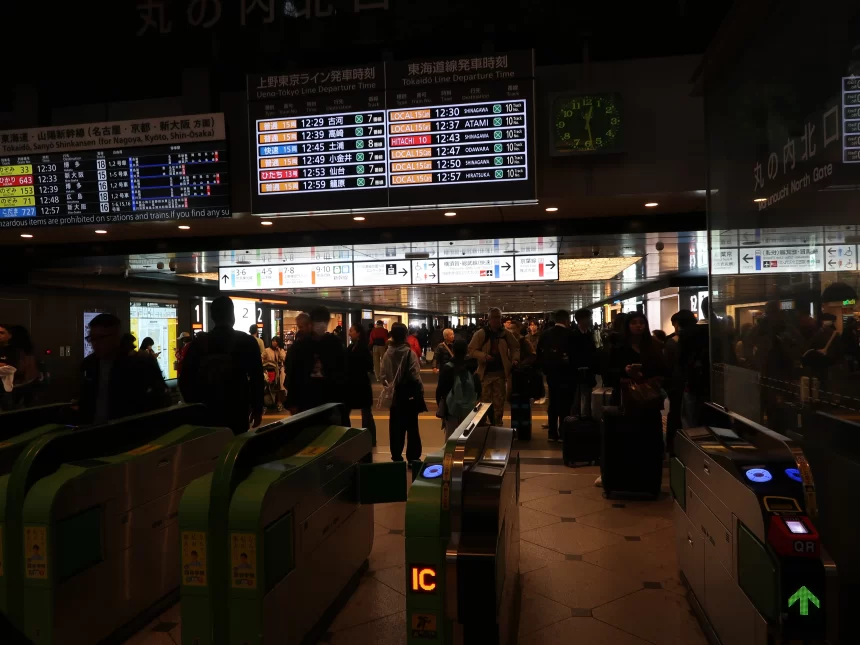
Tokyo is one of the safest and most efficient cities in the world, but for first-time visitors it can also feel confusing and overwhelming. Many travelers unknowingly make small mistakes that waste time, money, or energy.
This guide explains the most common Tokyo travel mistakes and how to avoid them so you can explore the city smoothly and confidently from your first day.
Transport Mistakes Tourists Make
Mistake #1: Taking taxis instead of trains
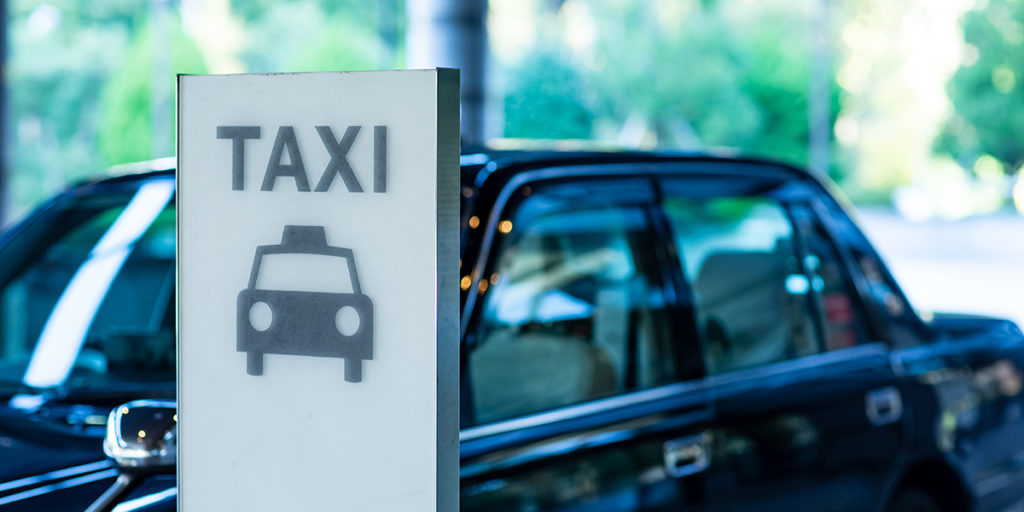
Taxis in Tokyo are safe, clean, and professional, but they are one of the most expensive transportation options. A short ride can cost as much as several train trips, and during heavy traffic they may even be slower than trains. Another thing to keep in mind is that many drivers do not speak foreign languages, and service style can vary depending on the individual. While many drivers are polite, it’s best not to assume every driver will be especially friendly—remember they are simply doing their job.
Fix: Use trains and subways as your main transportation since they are usually faster and cheaper. If you take a taxi, showing your destination on a smartphone map can make communication smoother and help avoid misunderstandings.
Mistake #2: Not getting an IC card
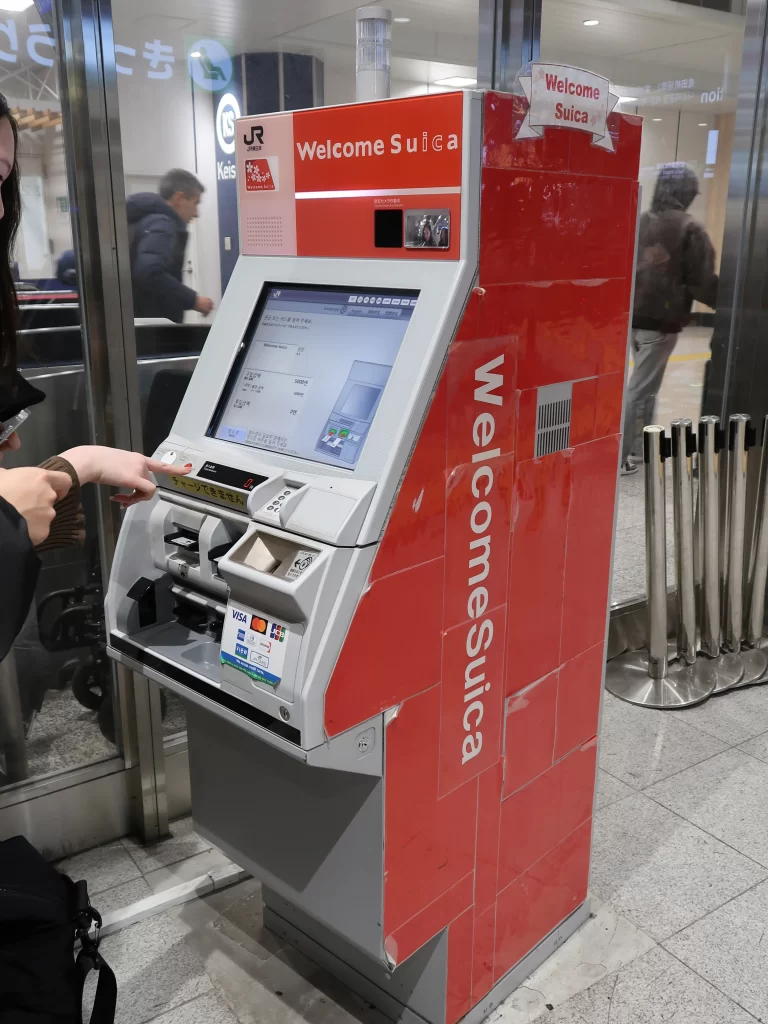
Buying paper tickets each time can be confusing because fares vary depending on distance and railway company. Travelers often waste time at ticket machines trying to calculate routes.
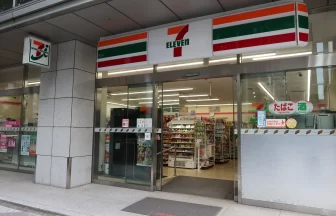
Fix: Get a prepaid IC card such as Suica issued by JR East. You can tap through gates instantly and use it not only for trains and buses but also for vending machines, convenience stores, and many restaurants. In fact, most shops inside stations accept IC card payments, making it one of the most useful travel tools in Japan. Look for the IC card logo before paying to confirm it is accepted.
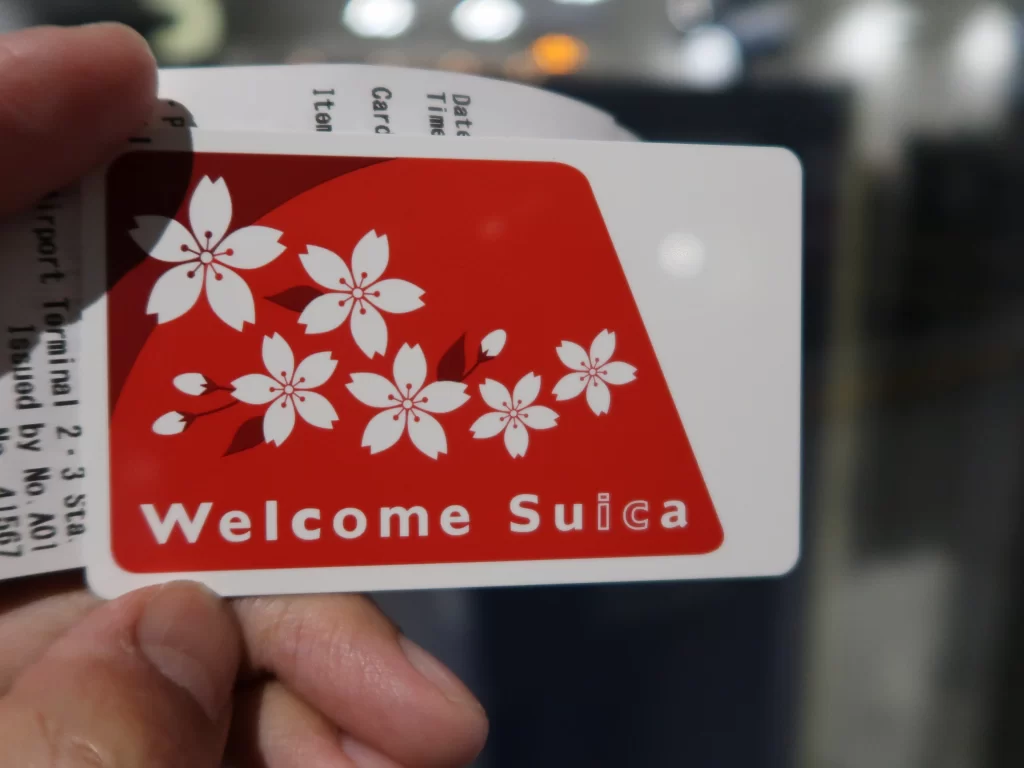
For many visitors, having an IC card becomes essential within the first day.
Mistake #3: Riding trains during rush hour
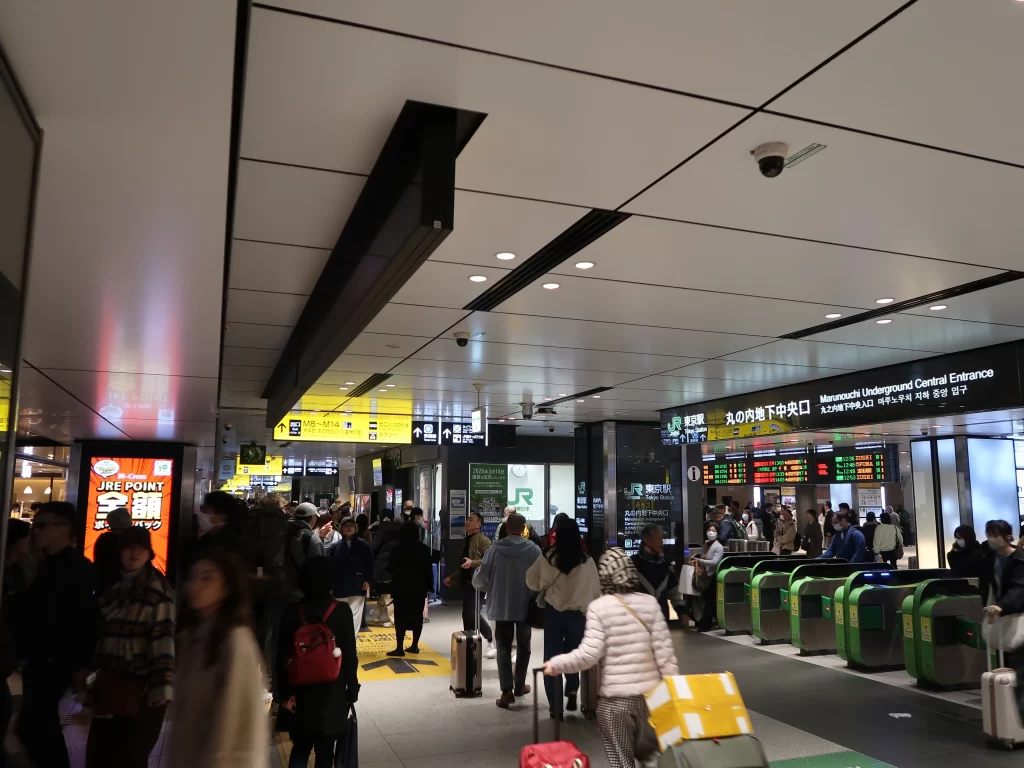
Rush hour trains in Tokyo can be extremely crowded, especially on weekdays between 7:30–9:30 AM and 5:30–7:30 PM when commuters travel to and from work. Traveling during these times with luggage can be stressful and uncomfortable.
On weekends and holidays, trains are usually less crowded during morning commute hours, but popular sightseeing areas and major stations such as Tokyo Station become busy from around late morning through the afternoon due to domestic travelers and shoppers.
Fix: On weekdays, plan sightseeing after the morning rush hour ends. This allows you to travel more comfortably and arrive at attractions when crowds are still manageable.
Checking crowd patterns by time of day can make a huge difference in how enjoyable your trip feels.
Money Mistakes
Mistake #4: Believing airport exchange is always expensive
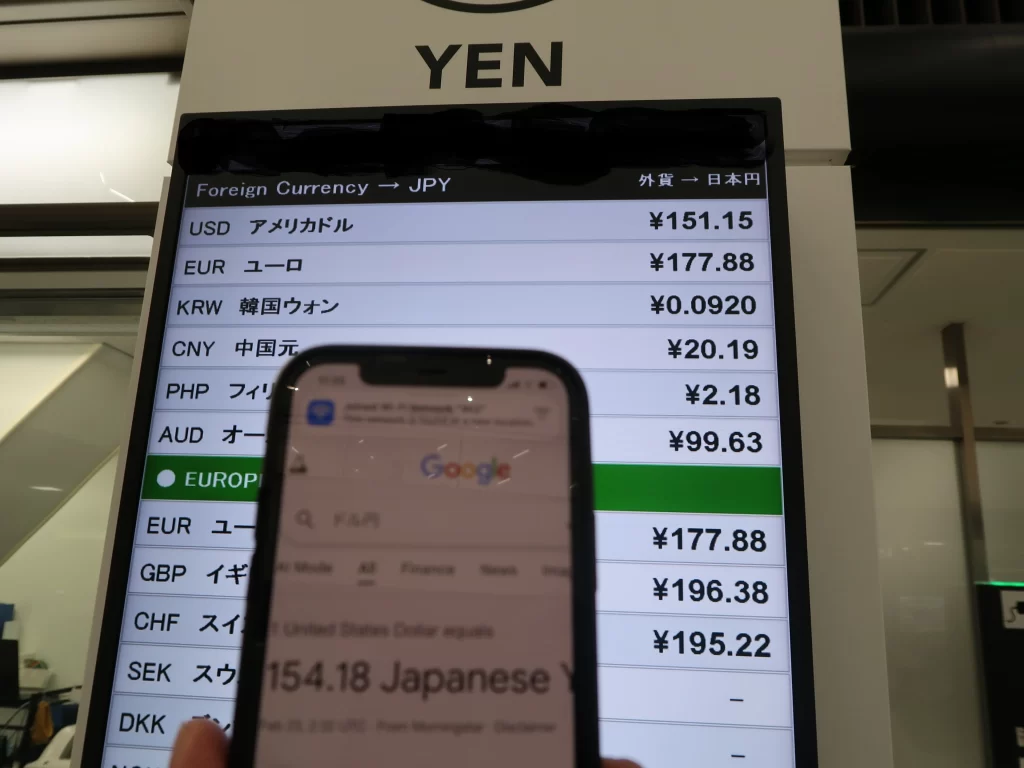
Many travelers assume airport exchange counters have the worst rates, but this isn’t always true in Japan. In some cases, airport counters offer better exchange rates than city kiosks or automated machines. Travelers who skip airport exchange entirely may miss a good rate.
Fix: Check the posted rate and compare before exchanging. The best option can vary by day and location.
During a real-world rate comparison, airport exchange counters showed around a 3-yen spread, while some city exchange locations near major stations showed differences of up to 10 yen. In certain cases, the airport offered noticeably better value. Rates vary daily, so always check before exchanging.
Mistake #5: Assuming everywhere accepts credit cards
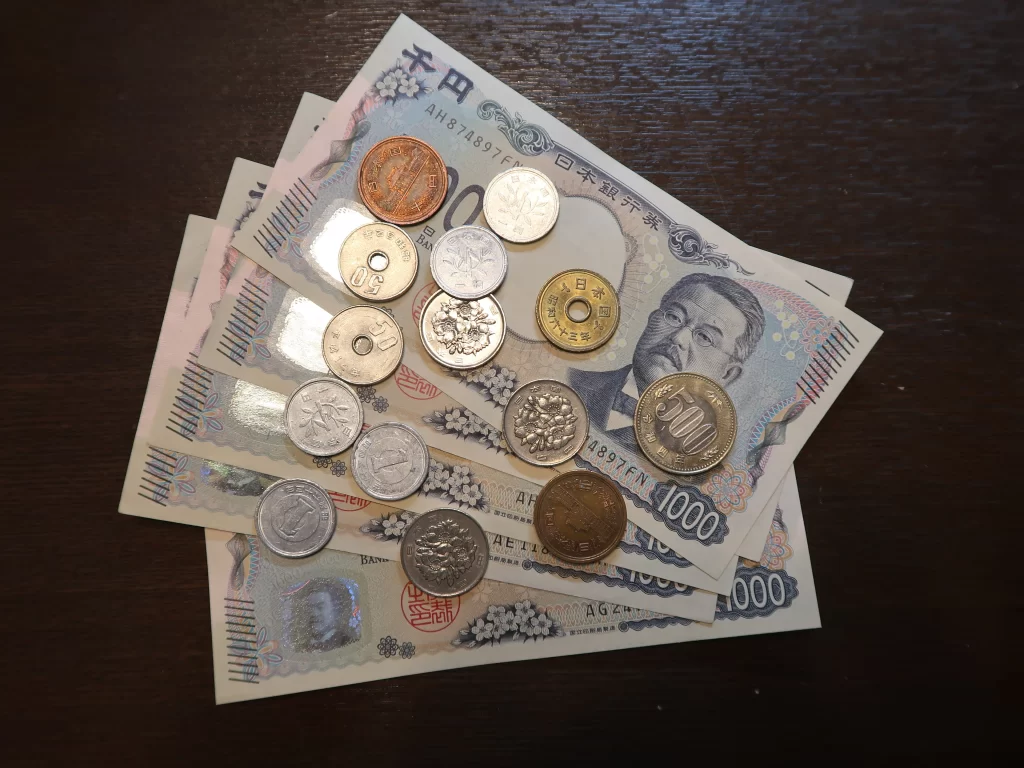
Although Japan is technologically advanced, cash is still widely used, especially in smaller restaurants, temples, markets, and local shops. Many traditional places simply do not accept cards. When visiting shrines or temples, offerings, donations, and coin offerings are almost always cash only, and nearby food stalls or souvenir shops are often the same.
Fix: Always carry cash, particularly when exploring traditional areas or small businesses. Having around ¥10,000 in cash on hand is a practical amount and will help your trip go more smoothly.
Mistake #6: Ignoring tax-free shopping
Many tourists miss tax-free discounts because they leave their passport at their hotel. Shops legally require it to process tax exemption.
Fix: Carry your passport when shopping if you plan to buy souvenirs or electronics.
Cultural Mistakes
Mistake #7: Talking loudly on trains
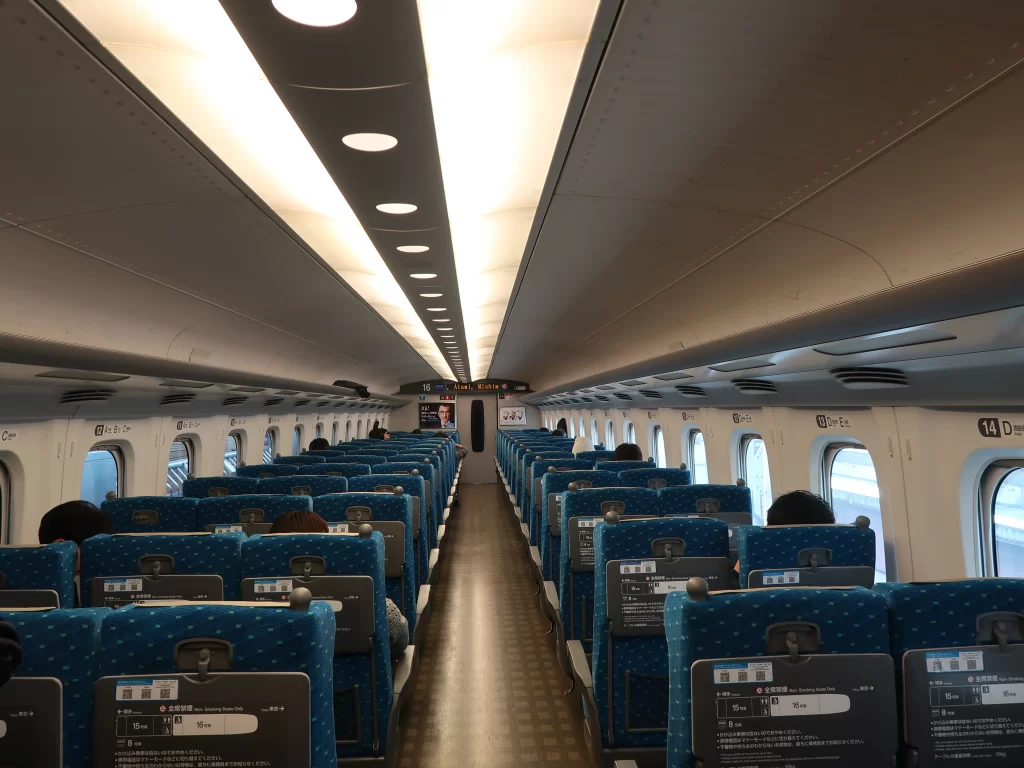
Public transportation in Tokyo is known for being quiet and orderly. Loud conversations or phone calls can attract attention and make locals uncomfortable.
Fix: Keep conversations quiet and set phones to silent mode while on trains.
Mistake #8: Standing on the wrong side of escalators
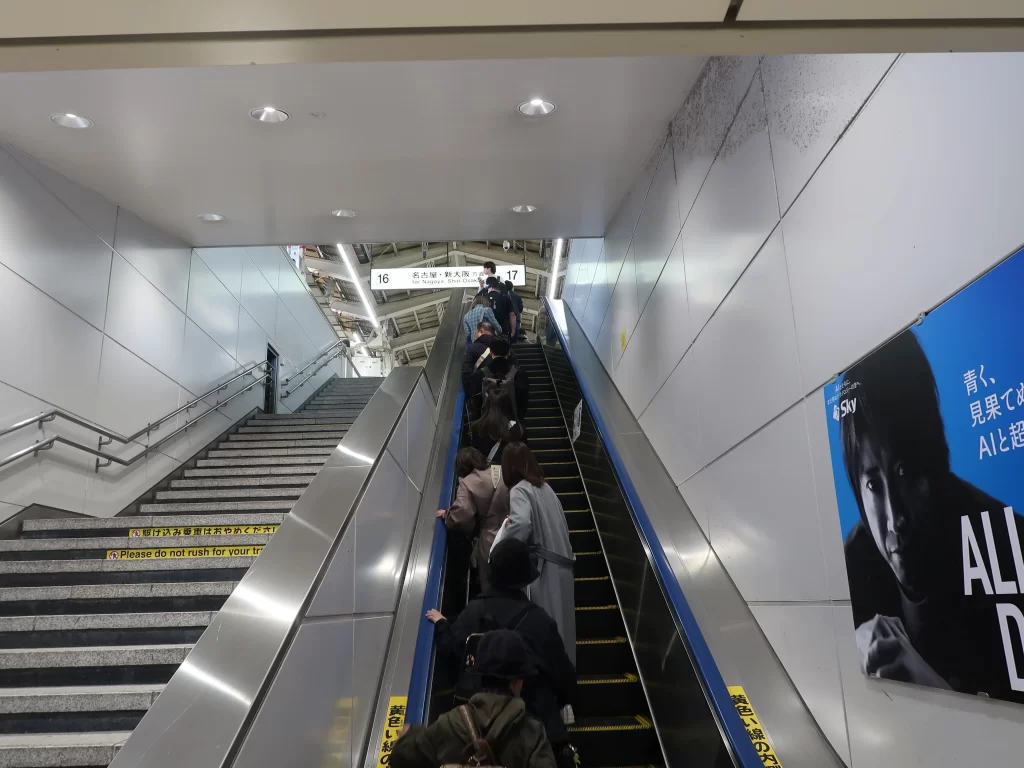
In Tokyo, people generally stand on the left side of escalators and walk on the right. This left-side flow is not limited to escalators — it is also the basic rule inside many train stations and passageways. When someone blocks the flow by standing or walking on the wrong side, it can slow down large numbers of people and disrupt the smooth movement that Japan is known for.
Fix: Observe how locals move and follow the same direction. Staying aware of pedestrian flow helps you move efficiently and avoid blocking others.
Mistake #9: Not following lines and food etiquette
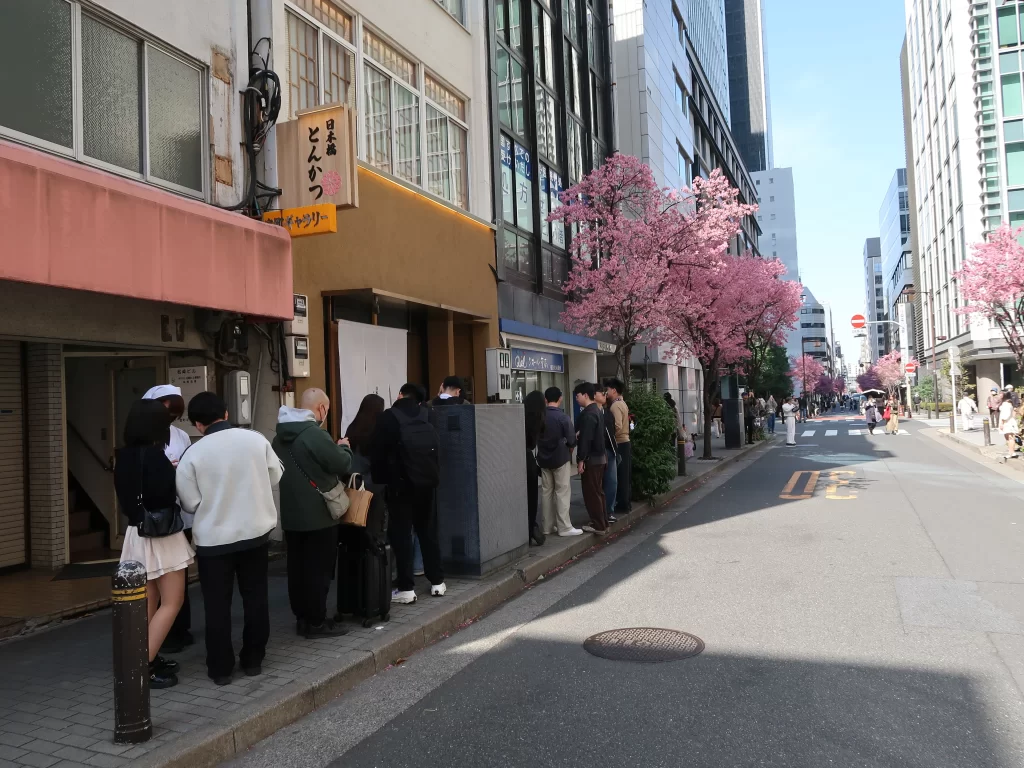
In Tokyo, people line up for trains, shops, and restaurants. Queueing is taken seriously, and ignoring lines is considered rude. Street eating is sometimes seen, but it’s generally best to eat near where you bought the food.
At many restaurants, especially popular ones, staff may take your order while you are still waiting in line so they can serve customers faster once seated. Because of this system, leaving the line after ordering is considered bad manners and can disrupt operations.
Fix: Look carefully for where the line starts, wait your turn, and follow what locals are doing.
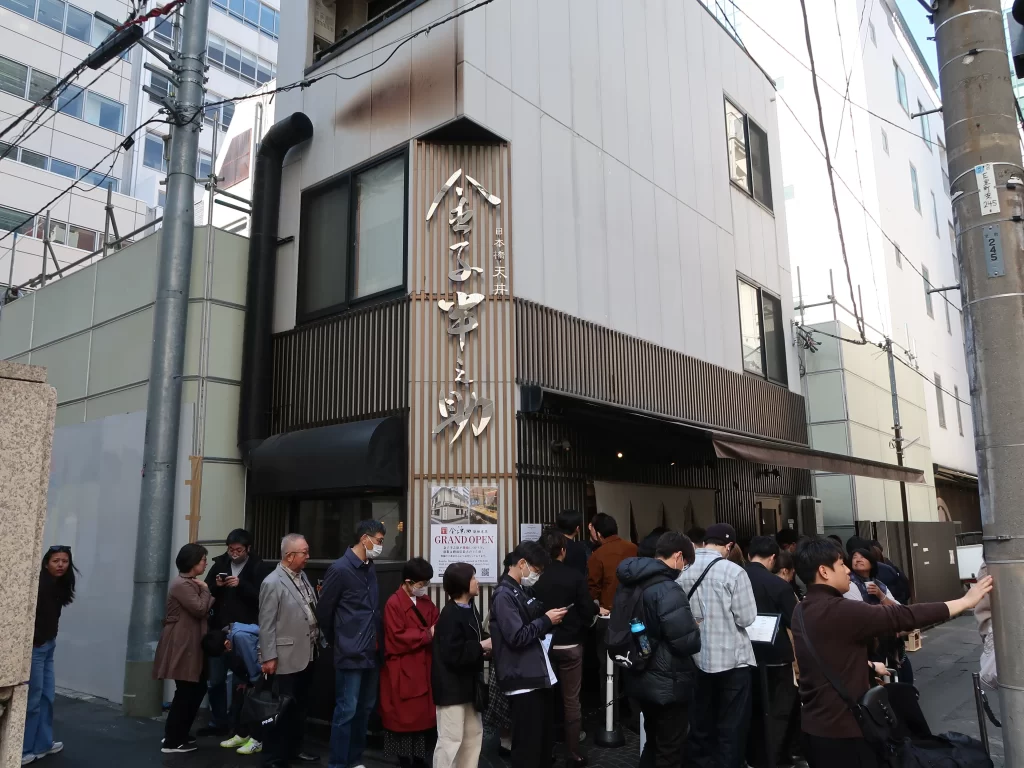
Understanding how lines work in Japan can make your dining experience much smoother.
Are You Ready for Tokyo?
Take this 5-minute quiz and test your travel skills!
👉 Start the Quiz →
Planning Mistakes
Mistake #10: Trying to see everything in one day
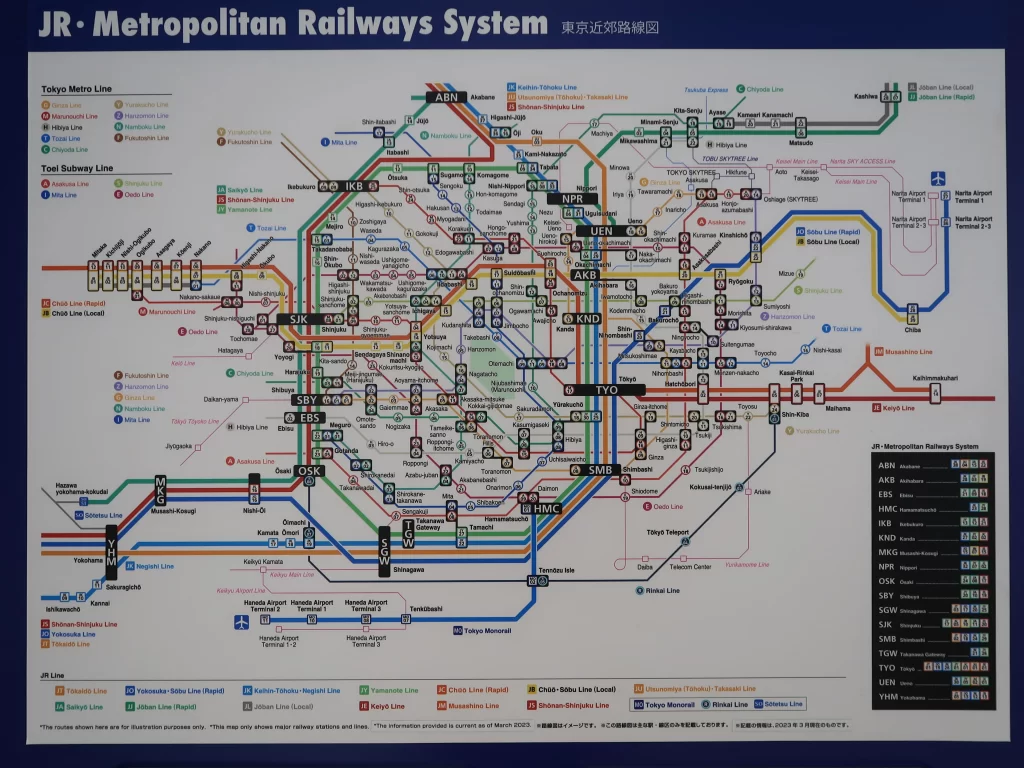
Tokyo is massive, and travel between districts can take longer than expected. Trying to visit too many places in one day often leads to exhaustion rather than enjoyment.
For example, the area around Ueno Station alone can easily fill an entire day. Within walking distance you can explore Ueno Zoo, National Museum of Nature and Science, Tokyo National Museum, Ueno Park, and Ameya-Yokocho. Many visitors underestimate how long these spots take to fully enjoy.
If you plan to visit multiple districts in one day, you also need to factor in transportation time. For instance, traveling between Tokyo Station and Tokyo Tower is manageable in a single day, but only if you plan your route in advance and understand which trains or buses to use.
Fix: Plan your itinerary by area and check transport routes beforehand. Focusing on one district at a time makes sightseeing more relaxed, efficient, and enjoyable.
Tokyo trips become much more enjoyable when you plan by district instead of distance.
Mistake #11: Underestimating walking distance
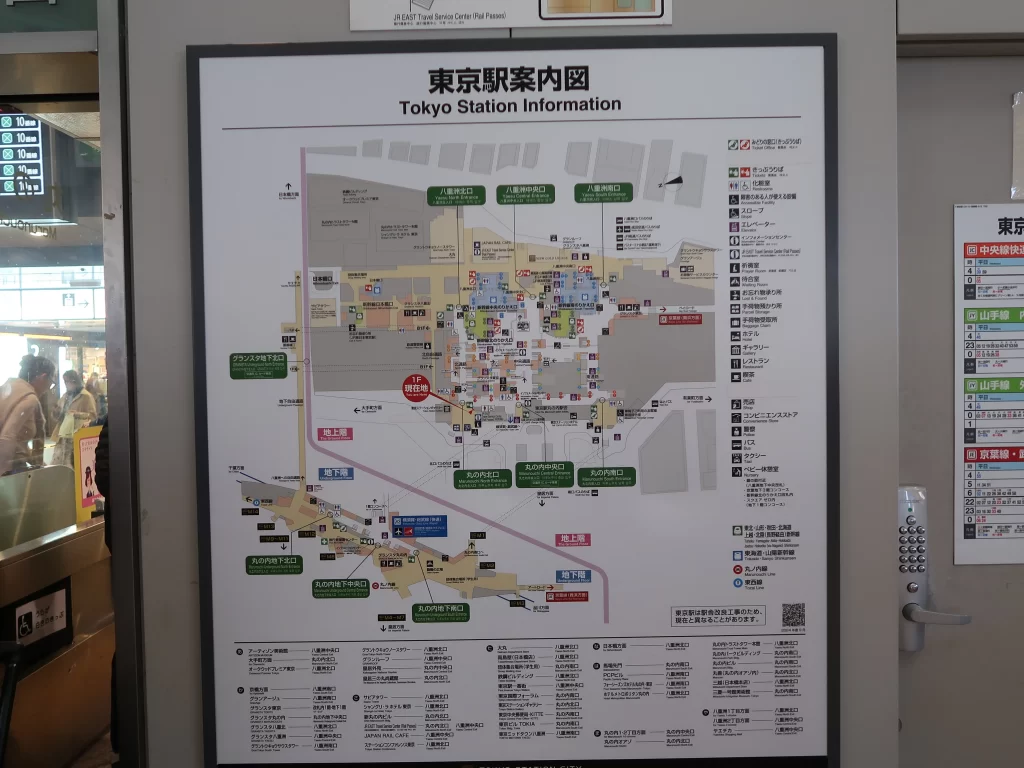
Even if stations appear close together on a map, moving within large Japanese stations can take longer than you might expect. Especially at massive terminals like Tokyo Station, the sheer number of exits is staggering—walking between the Yaesu Exit and the Marunouchi Exit alone takes about 10 minutes. Furthermore, Tokyo’s subway network involves complex transfers, and it’s not uncommon to walk long distances from the street-level entrance to the platform.
Fix: Allow ample time for travel and proceed while checking station maps and signage. Also, anticipate long walks and choose comfortable, well-broken-in shoes.
Mistake #12: Not checking last train times
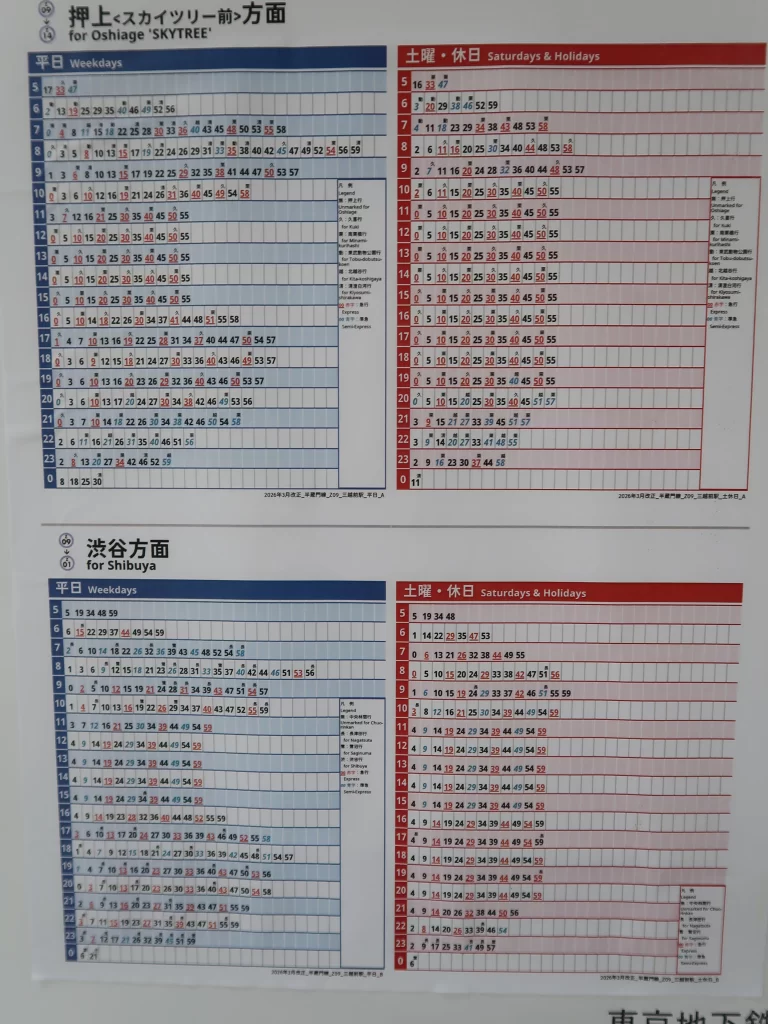
Most trains cease operation around midnight. Visitors who miss the last train may have to pay higher taxi fares at night or wait a long time until morning. Notably, businesses like restaurants rarely align their closing times with the last train schedule. Many Japanese people have experienced getting carried away with conversation over drinks only to realize the last train has departed.
Fix:Before nighttime activities, check the last train schedule in advance. If possible, dine at establishments near your lodging. While generally safe, nighttime can still pose risks, so caution is advised.
Navigation Mistakes
Mistake #13: Getting lost in large stations
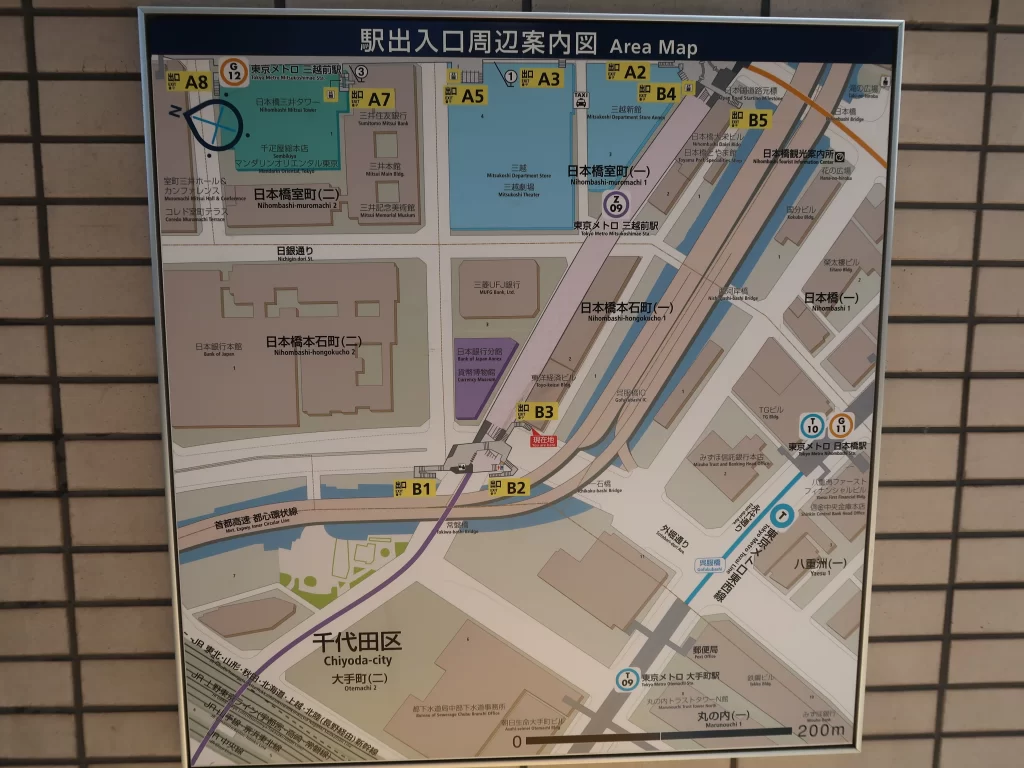
Major stations can have dozens of exits and platforms. Choosing the wrong exit can send you several blocks away from your destination.
Fix: Check exit numbers before leaving the station and follow signs carefully.
Mistake #14: Confusing train companies
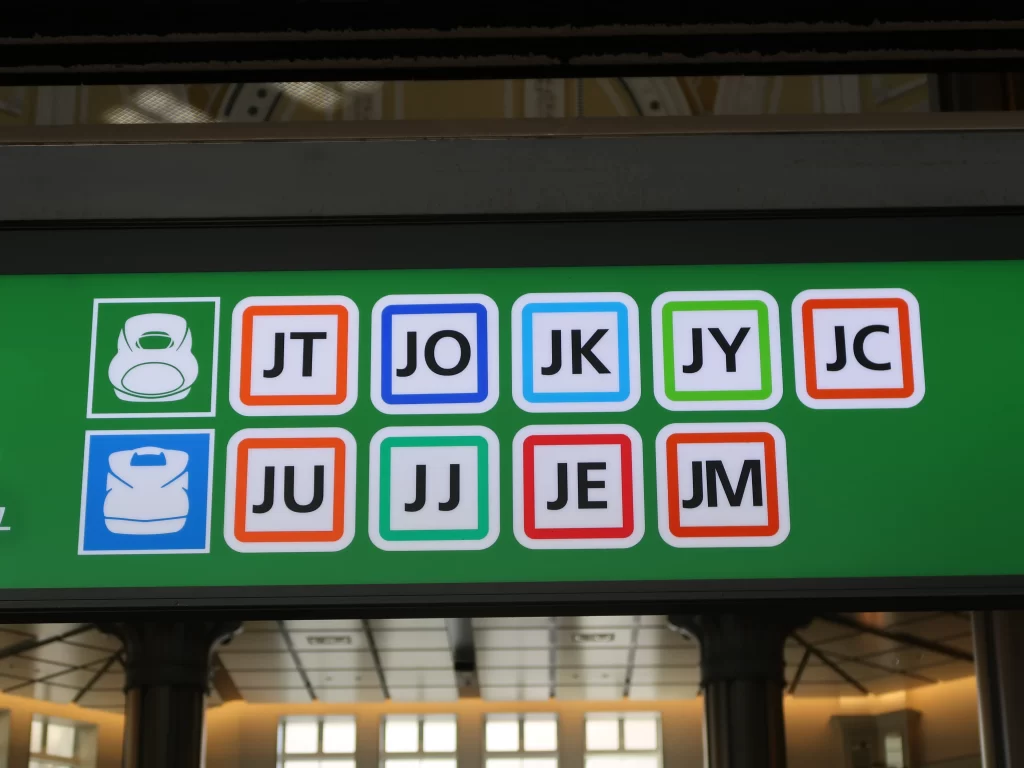
Tokyo has multiple rail operators like JR and the subway, and purchasing tickets can be quite confusing. This often leads to frustration for travelers unfamiliar with the system.
Fix:Using IC cards like SUICA allows for smooth transfers and other operations. We also recommend taking advantage of limited-time discount passes that offer unlimited rides.
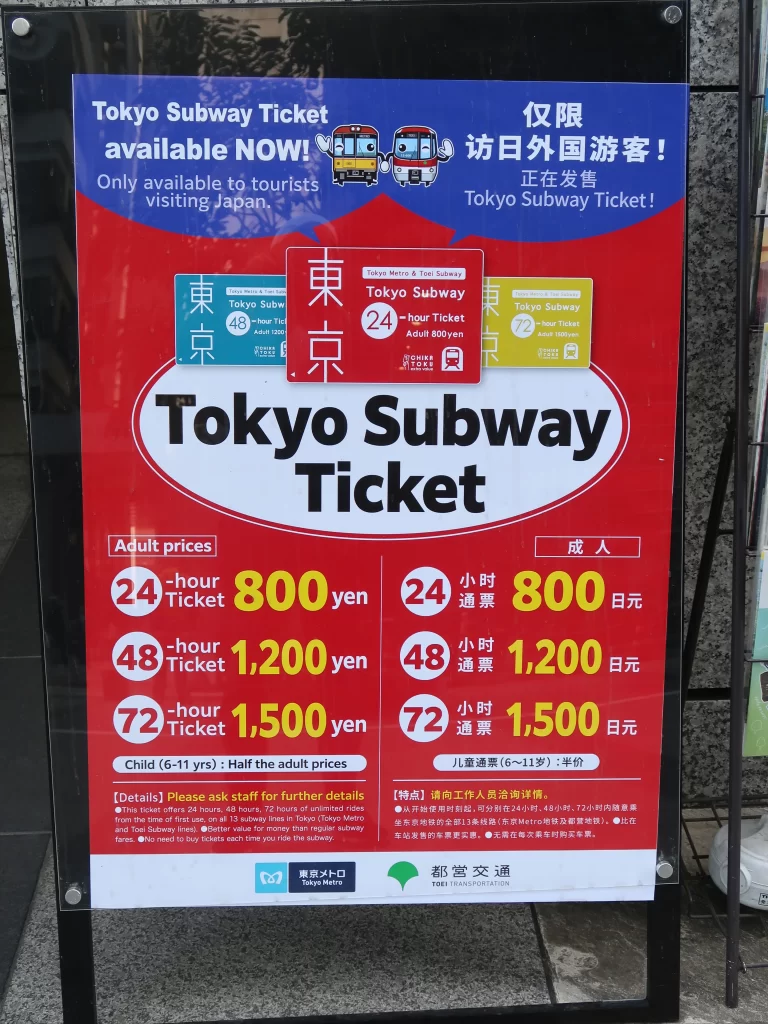
Mistake #15: Not downloading offline maps
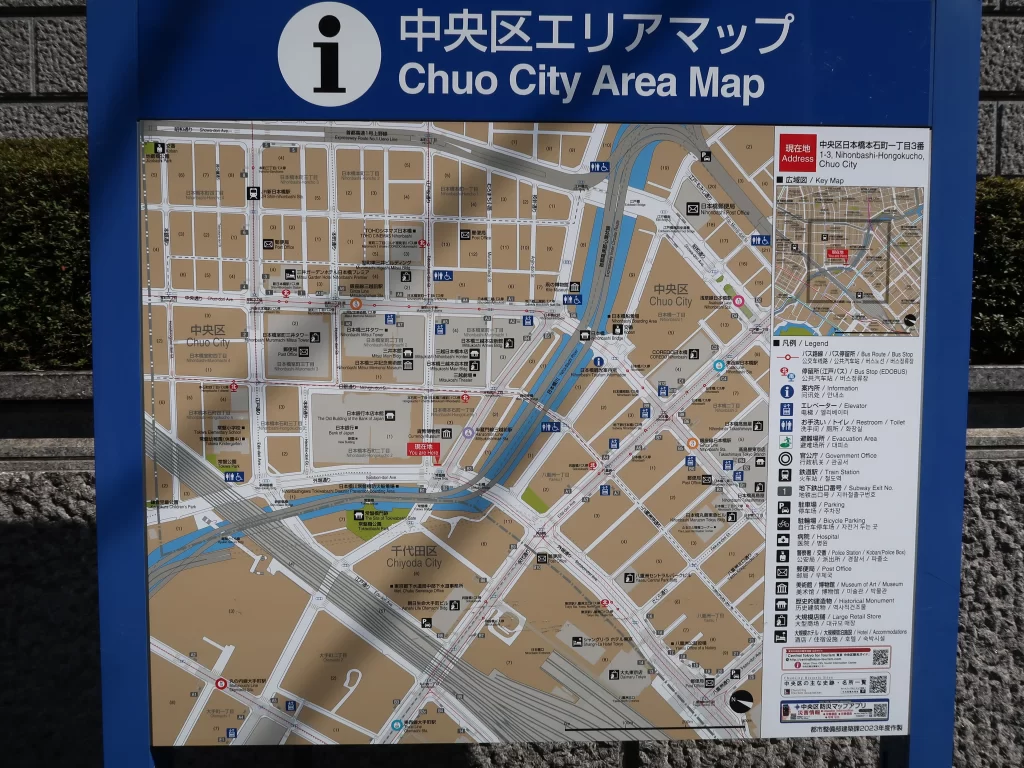
In subways and terminal stations, cell phone signals can drop out, making navigation difficult. Many travelers rely on maps that suddenly stop working.
Fix: Download offline maps before heading out to ensure navigation is always possible. Also, be mindful of your phone running out of battery.
Pro Tips From a Local
After spending long days photographing Tokyo transit hubs and tourist areas, one thing becomes clear: most travel problems happen when visitors rush. Travelers who slow down, check signs, and observe locals rarely get lost or stressed.
Another common scene is tourists struggling at ticket machines while trains arrive and depart. Those using IC cards walk through gates in seconds. Small preparation makes a huge difference in Tokyo.
Quick Checklist Before Visiting Tokyo
✔ Get an IC card
✔ Carry some cash
✔ Avoid rush hour trains
✔ Download offline maps
✔ Check last train time
✔ Plan by area, not by attraction list
Final Thoughts
Tokyo is not difficult to travel — it’s just different. Once you understand how the city works, it becomes one of the easiest places in the world to explore. By avoiding these common first-timer mistakes, you’ll save time, reduce stress, and enjoy your trip much more.
If you arrive at Narita Airport, read this guide first

No comments yet.