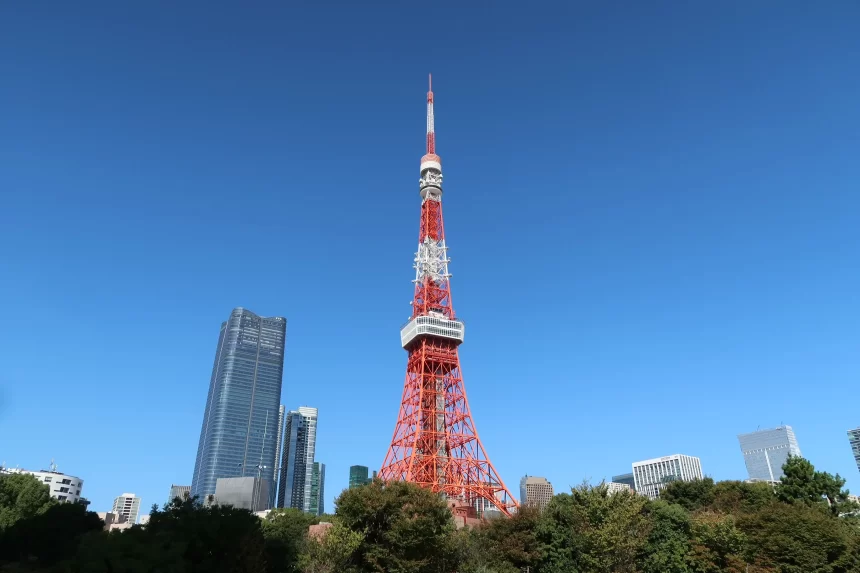
Tokyo Tower – The Icon of Japan’s Modern Era
Tokyo Tower is one of Japan’s most famous landmarks and a symbol of the country’s post-war rebirth. Standing 333 meters (1,092 feet) tall, it was completed in 1958 as a broadcasting and observation tower inspired by the Eiffel Tower in Paris. At the time, it was the tallest structure in Japan, representing the nation’s rapid economic growth and modernization after World War II.
History and Purpose
Tokyo Tower was originally built to support television and radio broadcasting. Designed by architect Tachū Naitō, the tower’s construction required over 4,000 tons of steel, much of which was recycled from U.S. military tanks used in the Korean War. Its bright orange and white colors were chosen to comply with international aviation safety regulations.
Cultural Significance
Beyond its practical role, Tokyo Tower became a cultural icon—appearing in countless Japanese movies, anime, and dramas. It symbolizes hope, progress, and connection, standing proudly in the heart of Tokyo as a reminder of Japan’s recovery and innovation.
What You Can Experience at Tokyo Tower
Visiting Tokyo Tower offers much more than just a great view — it’s a full cultural and entertainment experience in the heart of Tokyo.
Enjoy Breathtaking Views
Travelers can visit two observation decks:
- The Main Deck (150 meters) gives you a wide view of Tokyo’s skyline, Tokyo Bay, and famous landmarks.
- The Top Deck (250 meters) offers a more exclusive experience with panoramic views and, on clear days, even Mount Fuji in the distance.
Capture Amazing Photos
The tower’s bright red and white design makes it one of the best photo spots in Tokyo. Both day and night views are stunning — especially when the tower is illuminated with colorful lights.
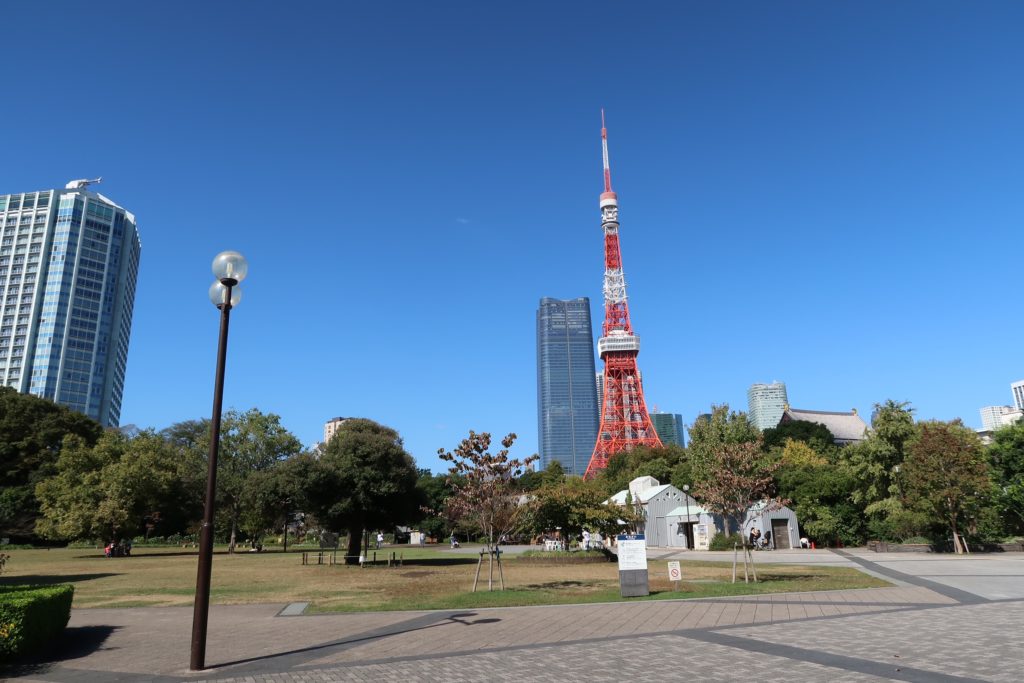
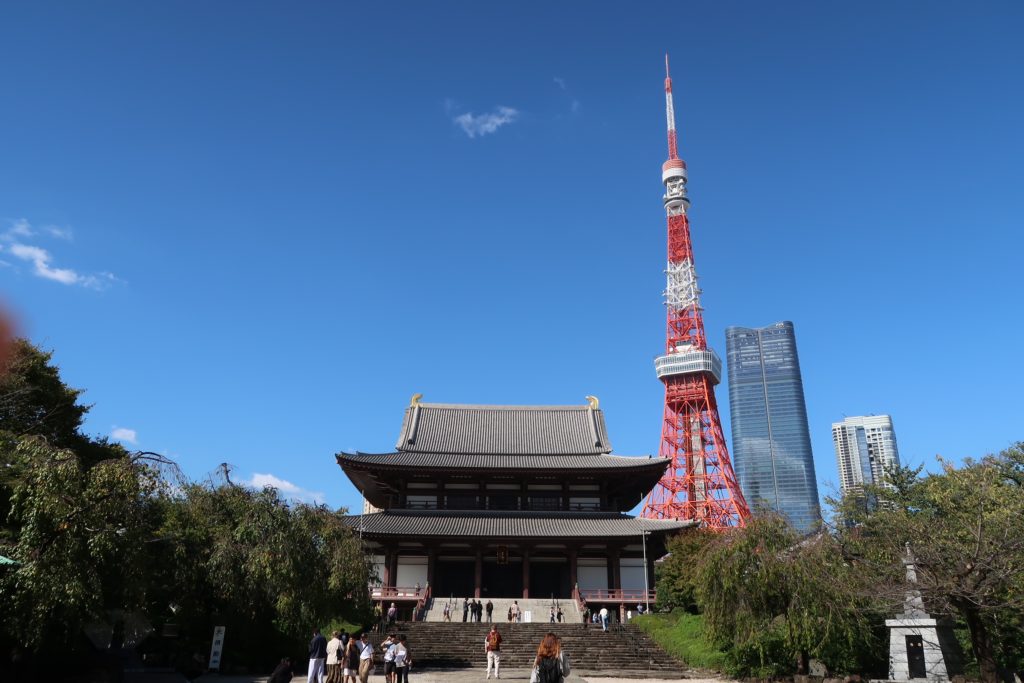
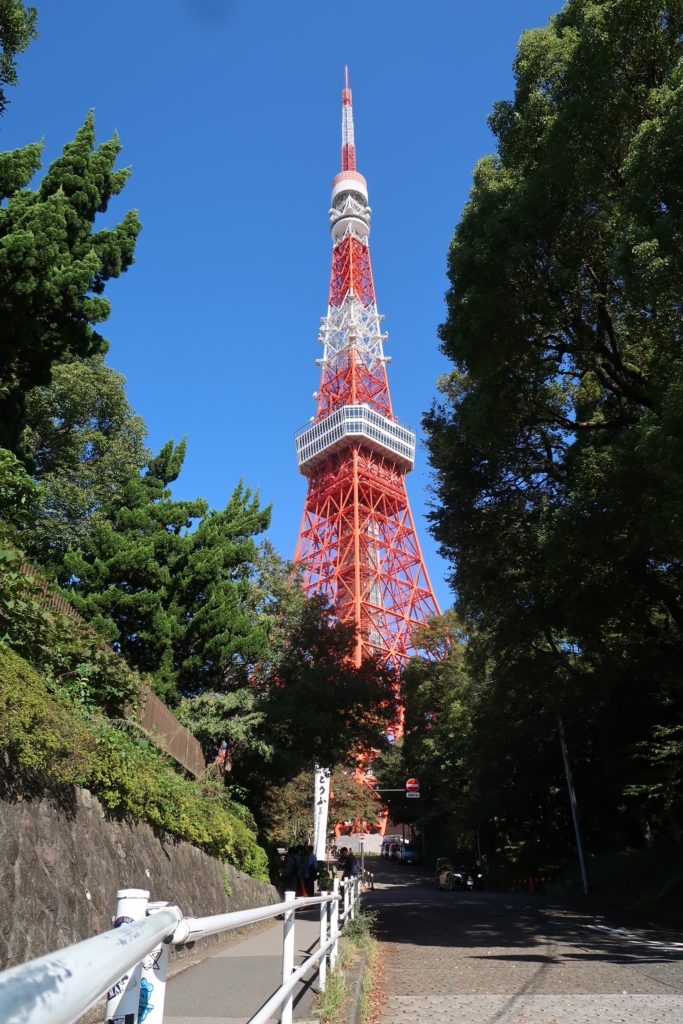
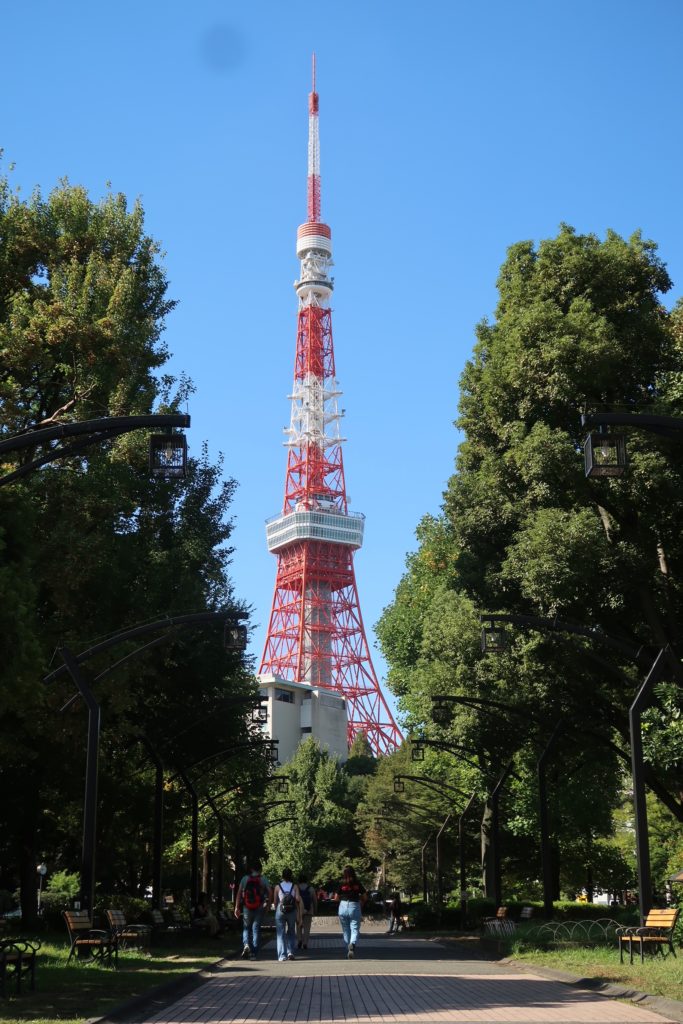
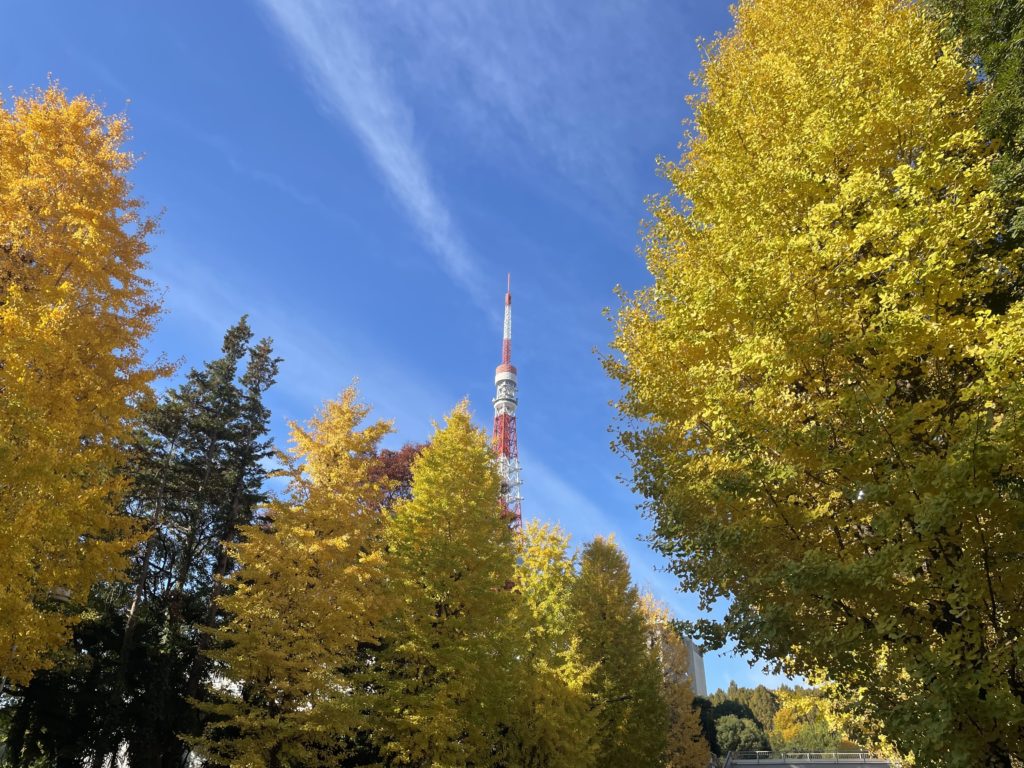
Autumn Foliage and Tokyo Tower
The cityscape transforms completely with the changing seasons. Why not try taking original photos of Tokyo Tower each season?
How to Get to Tokyo Tower
Tokyo Tower is one of Japan’s most famous landmarks and a must-see spot for visitors to Tokyo. It stands 333 meters tall and offers a beautiful view of the city — especially at night when it’s illuminated. Here’s an easy guide on how to get there.
1. By Train (Most Convenient Way)
The easiest way to reach Tokyo Tower is by train.
- From Tokyo Station: Take the JR Yamanote Line to Hamamatsucho Station (about 6 minutes). Then walk about 15 minutes to the tower.
- From Shinjuku Station: Take the Oedo Line and get off at Akabanebashi Station. Tokyo Tower is about a 5-minute walk from Exit A1.
- From Roppongi Station: It’s about a 15-minute walk from Exit 3 of the Hibiya Line.
2. By Bus
Several local buses also go near Tokyo Tower. Ask the driver or check the electronic display inside the bus for the stop name “Tokyo Tower.”
3. By Taxi
Taking a taxi is convenient, especially if you’re traveling in a group. From Tokyo Station, the ride takes about 10–15 minutes and costs around 1,500–2,000 yen depending on traffic.
4. Opening Hours and Tickets
Tokyo Tower is open every day, usually from 9:00 a.m. to 10:30 p.m. (last entry 10:00 p.m.).
You can buy tickets at the counter or online. There are two main observatories: the Main Deck (150 m) and the Top Deck (250 m), which offers a panoramic view of Tokyo.
5. Tips for Visitors
- Visit in the evening for beautiful night views of Tokyo.
- Try the Tokyo Tower foot town at the base for souvenirs, cafes, and an aquarium.
- Don’t forget to take photos from below — the red and white structure looks stunning against the sky!
6. Nearby Attractions
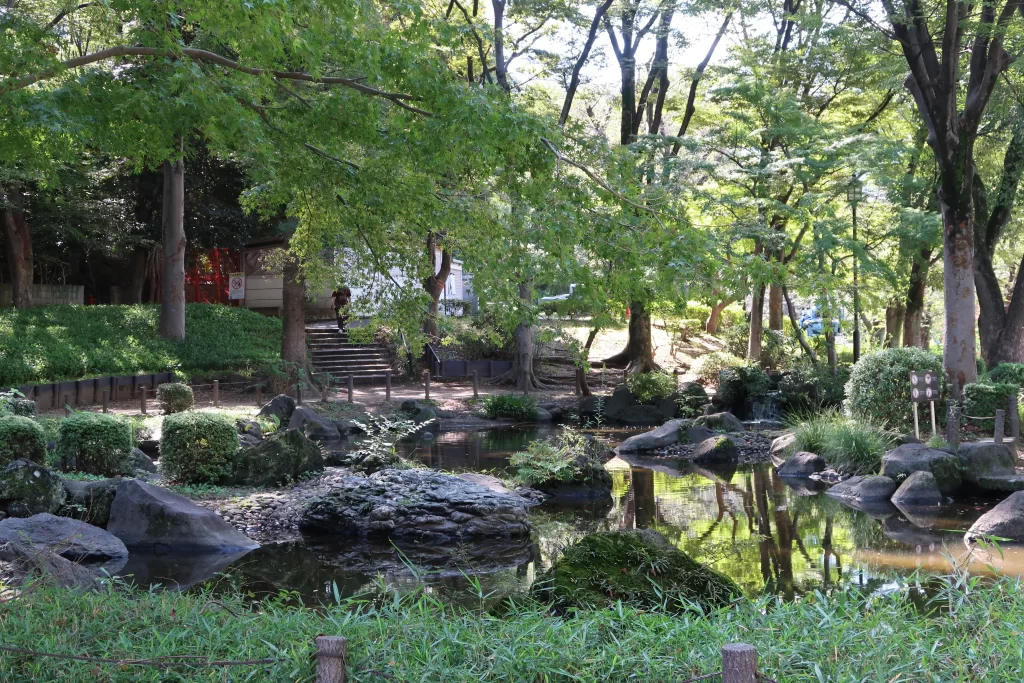
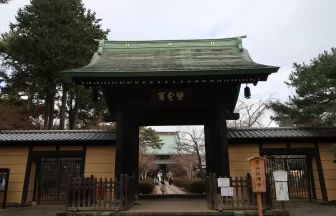
After visiting Tokyo Tower, you can easily walk to nearby sights such as Zojoji Temple, Shiba Park, or Atago Shrine.
Recommended Route
This route involves walking from Mita Station on the Toei Asakusa Line or the west exit of Tamachi Station on the Yamanote Line. The Keio Nakadori Shopping Street is adjacent to the famous Keio University (founded by Yukichi Fukuzawa, featured on the 10,000 yen bill). It boasts a large number of unique restaurants where you can experience Japanese food culture. After lunch, take a leisurely stroll and you’ll soon notice the Western-style Keio University East Gate, with Tokyo Tower directly ahead. Try photographing Tokyo Tower from various angles. Also, explore Shiba Park and Zojoji Temple. You can generally explore this area in about 2-3 hours. Tokyo Tower has excellent public transport access, with buses running to and from Tokyo Station and Shinagawa Station. After visiting Tokyo Tower, you won’t have trouble deciding where to go next.
Visitors at night can see Tokyo Tower illuminated with lights. The lighting patterns change by season and occasion; recently, during President Trump’s visit, it was lit in the colors of the American flag. Nighttime illumination is also a popular date spot for Japanese couples, who often dine after viewing the lights. Popular choices include restaurants with views of Tokyo Tower at nearby locations like the Prince Hotel Tokyo, Azabudai Hills, or Roppongi.
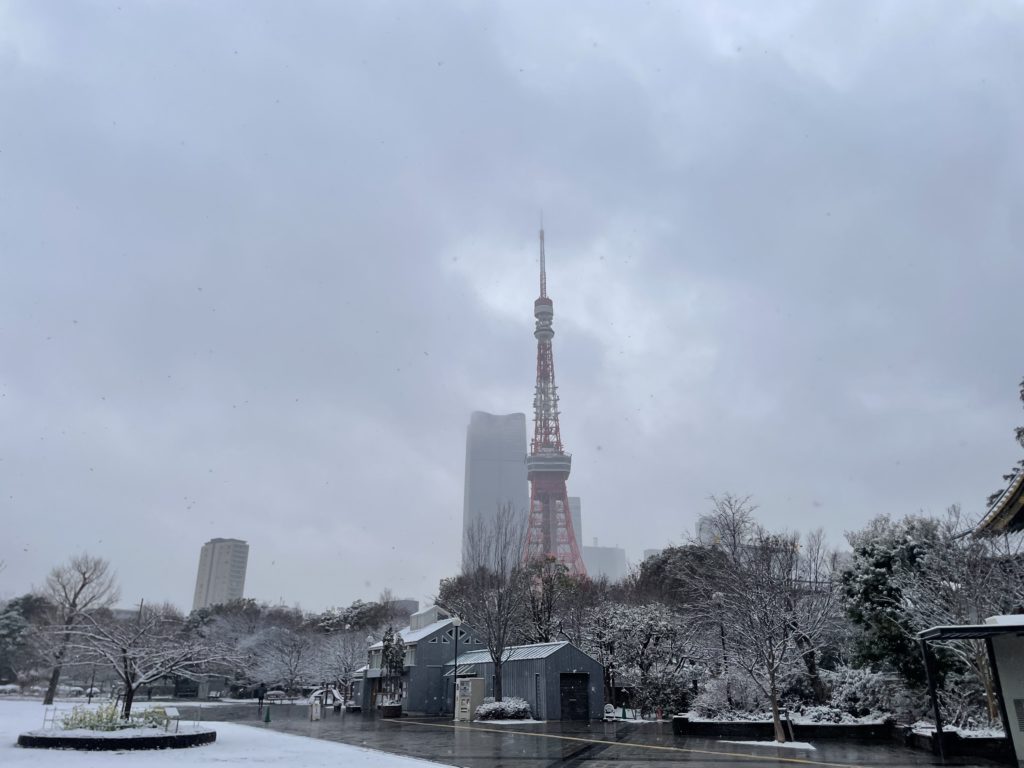
Snowfall in Tokyo during winter is extremely rare. Travelers who happen upon the collaboration between Tokyo Tower and snow are likely to have a very rare experience.

No comments yet.