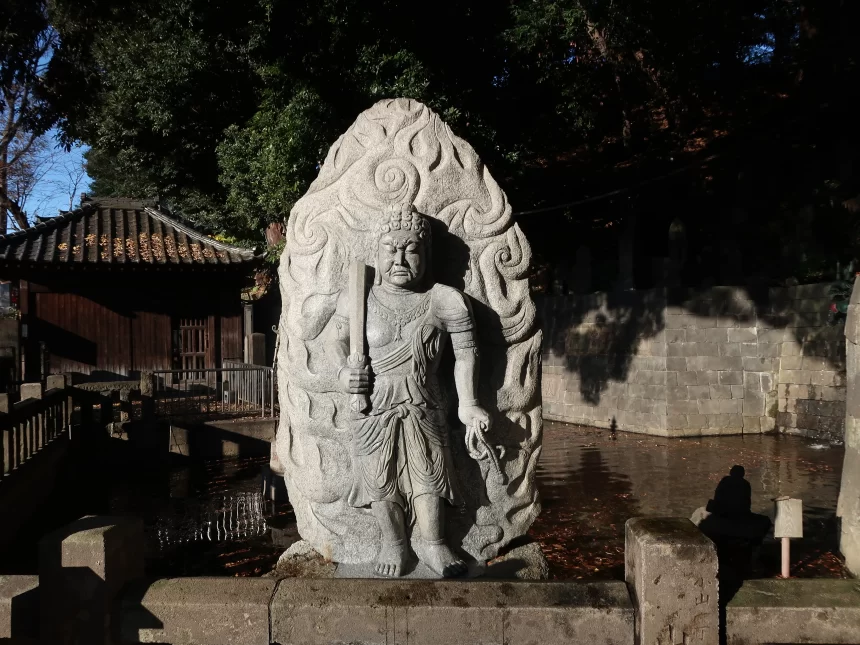
The Edo Goshiki(Five-Colored) Fudō refer to the Fudō Myōō deities known as Me-shiro (White-Eyed), Me-aka (Red-Eyed), Me-kuro (Black-Eyed), Me-ao (Blue-Eyed), and Me-kī (Yellow-Eyed). “Me” means “eye” in Japanese, followed by a color. It is said that around the middle of the Kan’ei era (1624–1643), Tokugawa Iemitsu, the third shōgun of the Tokugawa shogunate, designated these renowned Fudō deities within Edo upon the recommendation of the high priest Tenkai, famed for founding Kan’ei-ji temple. Fudō Myōō is an object of worship in Buddhism, particularly Shingon Buddhism, and is one of the Myōō (Wisdom Kings) considered an incarnation of Dainichi Nyorai (Mahavairocana Buddha). He plays the role of severing worldly desires and saving people. To vanquish evil and enlighten sentient beings, he displays an angry expression (fury aspect) and bears flames (fire-emitting samādhi) on his back that burn away worldly desires. He is characterized by holding a sword (Kurikara Sword) in his right hand to sever the evil minds and desires of sentient beings, and a rope (Kensaku) in his left hand to bind evil intentions. Furthermore, the five colors represent a cosmology where all phenomena in the universe are composed of the five elements: earth, water, fire, wind, and space, expressed through these colors. The worship of Fudō Myōō spread from the early Heian period when esoteric Buddhism flourished. It is said that the practice of depicting Fudō Myōō with different body colors or eye colors already existed during the Heian period (784-1179). Fudō Myōō is believed to grant various blessings, including warding off misfortune, dispelling worldly desires, academic success, business prosperity, and health. He is also the guardian deity for those born in the Year of the Rooster.
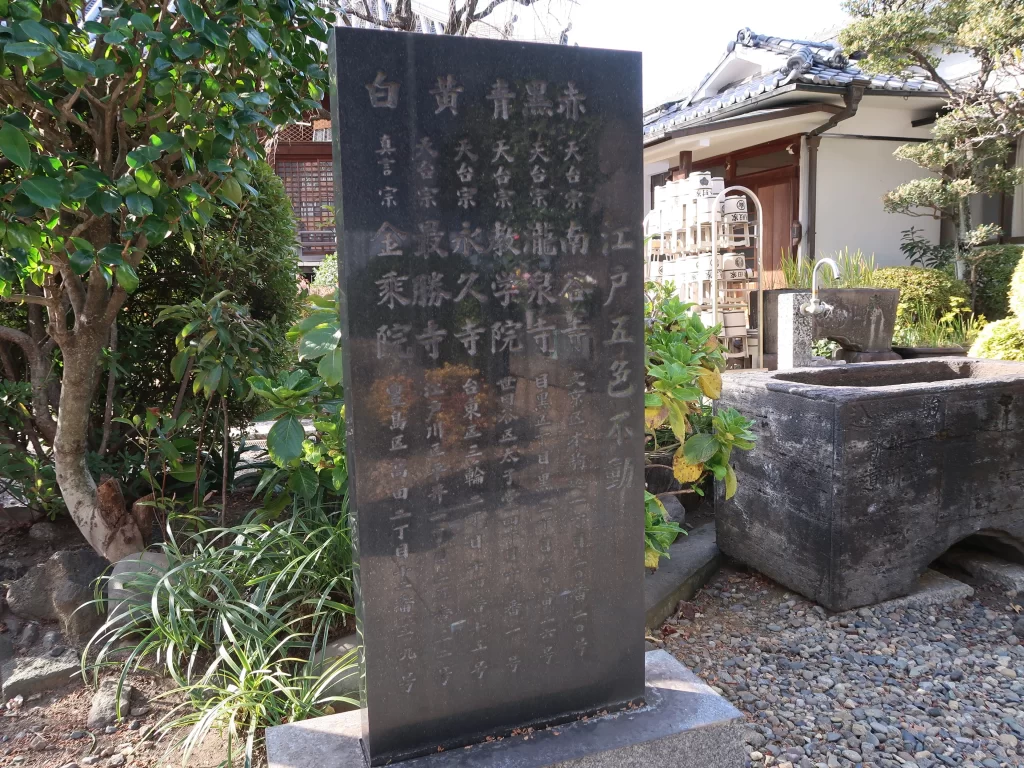
Stone monuments inscribed with the locations of each Fudō Myōō statue(Me-aka Fudo-son)
1.Meguro Fudōson (Ryusenji Temple)

This Fudō Myōō temple boasts the largest grounds among the Five-Colored Fudō Temples. Its entrance features a Niō Gate guarded by A-zō and Un-zō statues. Passing through the gate, the temple grounds house stone statues of Fudō Myōō and Daikoku-sama, offering visitors a variety of spiritual experiences.
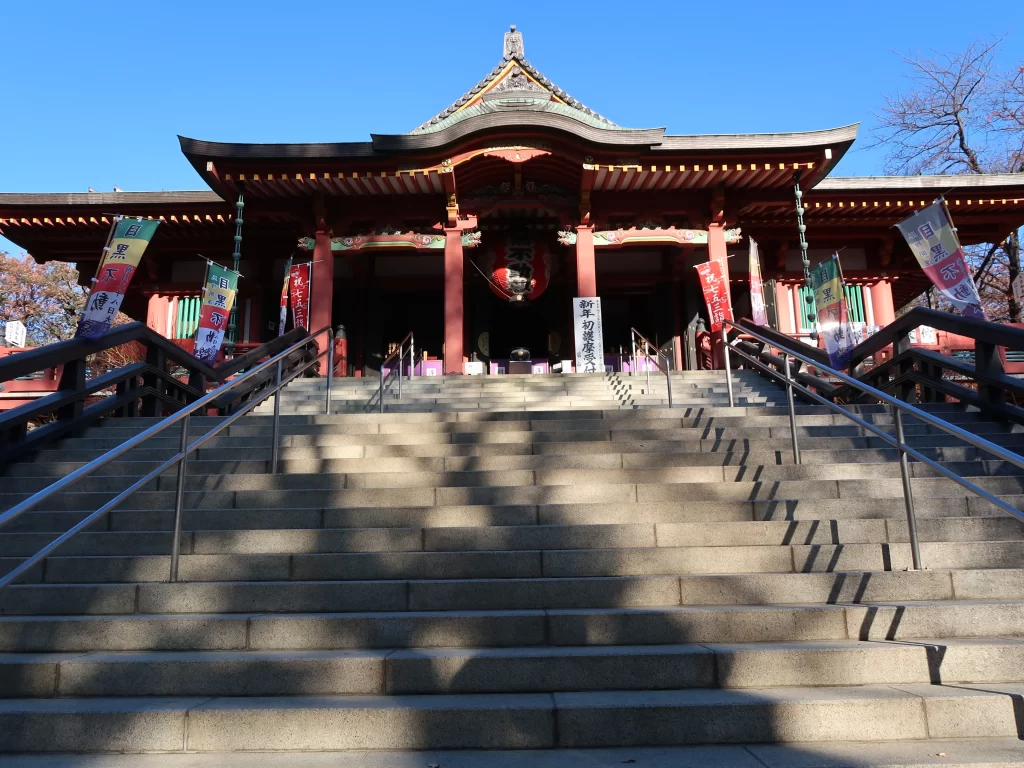
The main hall is located at the top of Otoko-zaka. Incense and candles are placed at the bottom of the stairs, where you can make offerings. I visited early in the morning, and with few other visitors, I was able to leisurely explore the grounds. What surprised me greatly was the seated statue of Dainichi Nyorai behind the main hall. I believe this is the only temple among the Five-Colored Fudo Temples that enshrines both a Nyorai statue and a Fudo Myo-o statue. While this site does not feature photos of the Buddha statue, I strongly recommend visiting the seated Dainichi Nyorai statue behind the main hall. Standing in the quiet surroundings behind the main hall, you can pay your respects to this imposing Dainichi Nyorai statue and feel something profound.
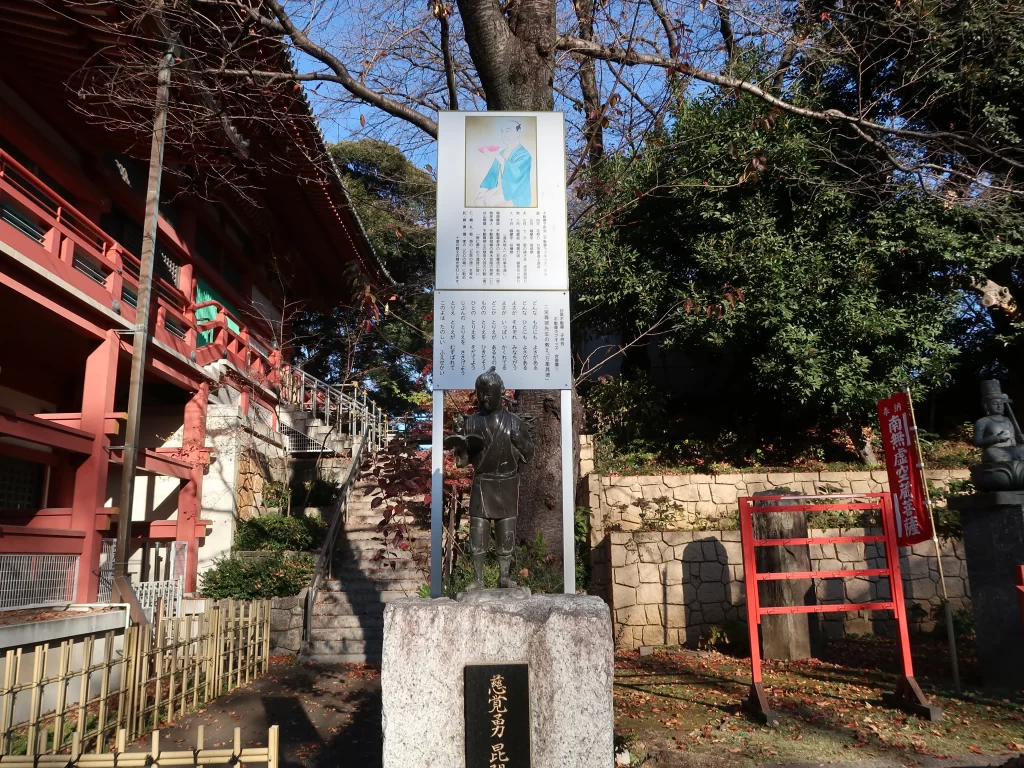
Signboards are placed throughout the grounds. This is a statue of Ninomiya Sontoku, a symbol of Japanese diligence. He carries firewood on his back while studying with a book in one hand, embodying the spirit of relentless learning in any circumstance. The sign bears words that resonate with modern diversity: “Every person and every thing has its merits; seek out each one’s strengths. When you use your own strengths for the benefit of all, a joyful world awaits.” Achieving such insight in an era with far less information than today was likely the result of sparing no time for study.
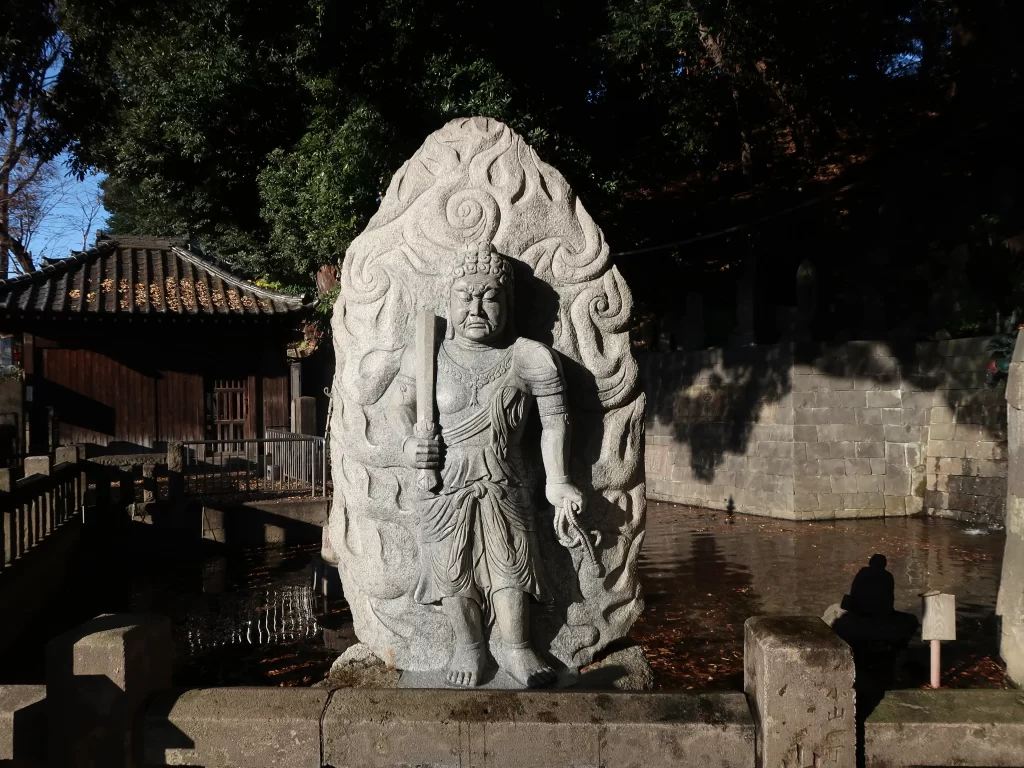
Separate from the main hall stands a stone statue of Fudō Myōō, behind which flows a waterfall from the dragon’s mouth, revered as sacred water.
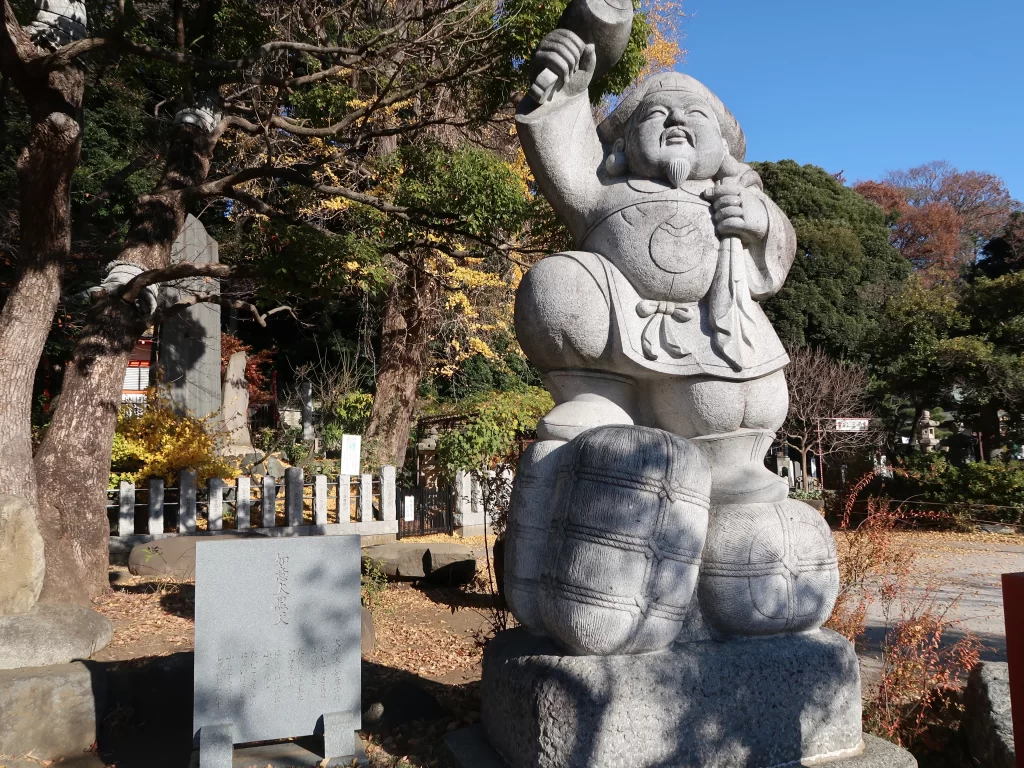
A stone statue of Daikokuten is also placed here. Daikokuten is a beloved god of fortune, one of the Seven Lucky Gods. He is revered as a deity who bestows blessings for abundant harvests, prosperous business, and improved financial fortune. The grounds of Meguro Fudoson are spacious with many points of interest, so I think you can take your time and enjoy a leisurely visit.
How to get this place
Address:
3 Chome-20-26 Shimomeguro, Meguro City, Tokyo
Access:
From Meguro Station(Yamate Line) 15 minutes on foot.
2.Meao Fudōson(Kyogakuin)
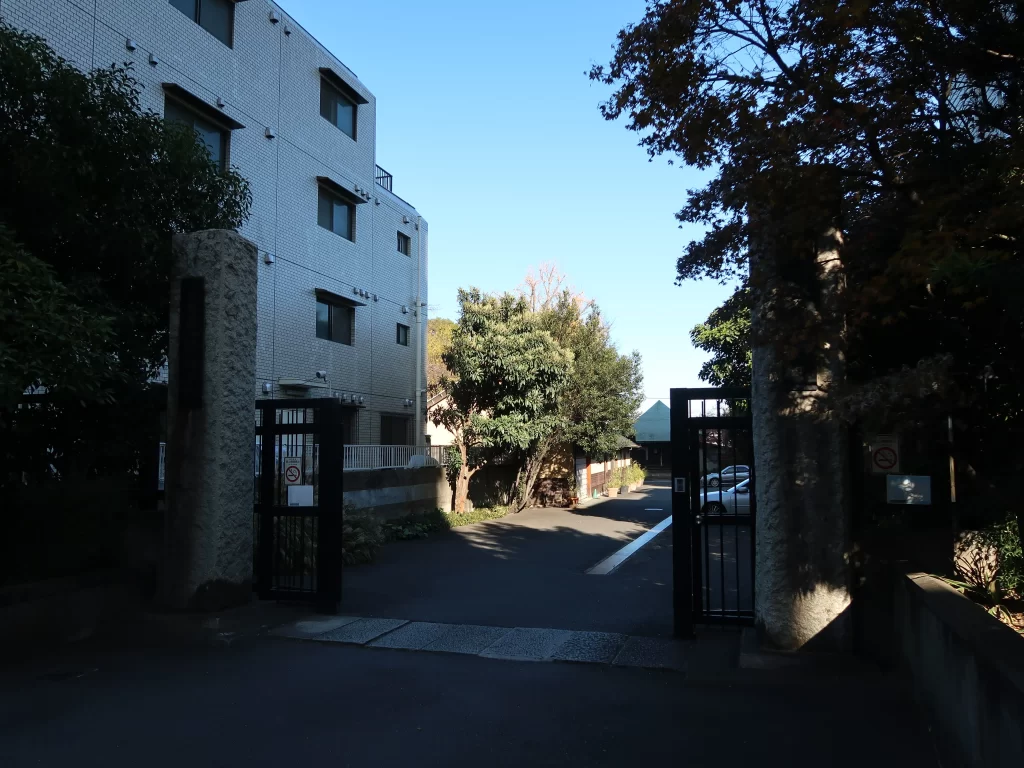
Meao Fudōson is located in a residential neighborhood near Sangenjaya Station on the Tokyu Setagaya Line, which runs through the residential area.
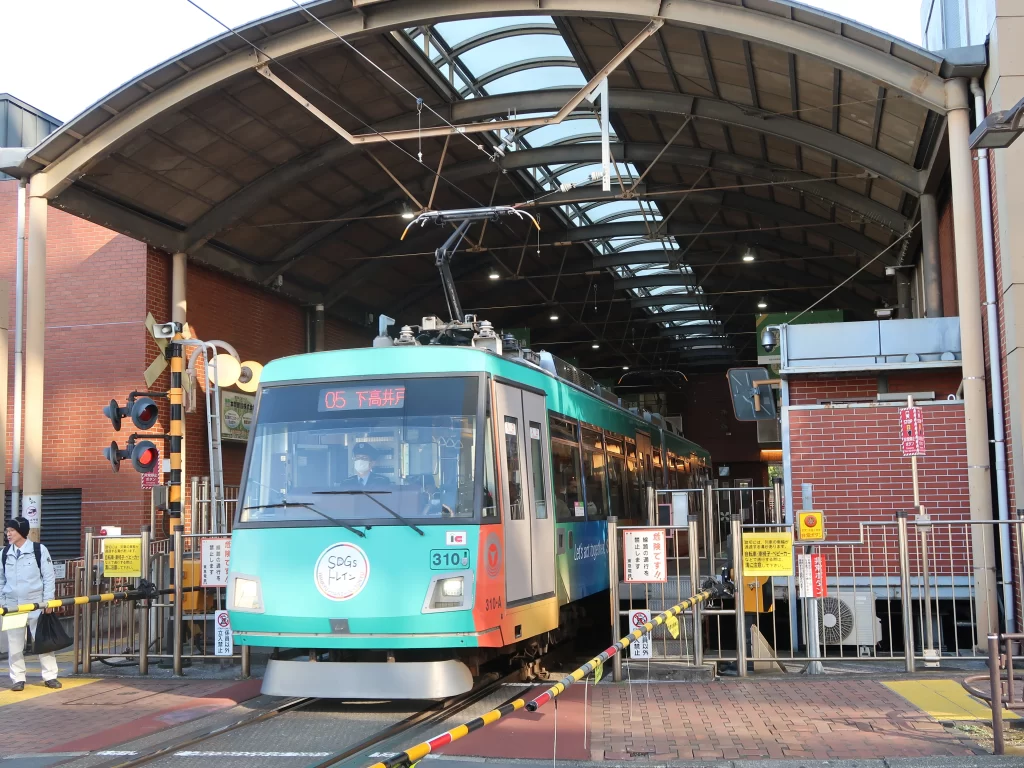
Traditional streetcars still run within Tokyo, and they look like buses—they’re really cute. This streetcar line, the Setagaya Line, connects Sangenjaya Station to Shimo-Takaido Station over a 5-kilometer stretch with 10 stations, covering the distance in 18 minutes. For those who enjoy riding trains, this is a great opportunity to ride one of the few remaining streetcars, so please do take a ride. Setagaya Ward has the largest population in Tokyo, so various transportation options are well-developed.

The temple grounds are enveloped in silence. Within the main hall stands a quiet statue of Fudō Myōō, creating a space that feels like stepping back in time.
The nearest station, Sangenjaya, is a popular area among young people, boasting numerous stylish cafes, restaurants, affordable izakayas, and various shops and commercial facilities. When you visit, take the opportunity to explore the surrounding area and discover your favorite spots. You might just find a place you love.
How to get this place
Address:
4-chōme−15−1 Taishidō,Setagaya City Tokyo
Access:
From Shibuya Station:

Take the Den-en-toshi Line to Sangenjaya Station. The ride takes about 5 minutes. From there, it’s another 6 minutes on foot.
Nearby tourist attractions:Gotokuji Temple
3.Mejiro Fudōson (Konjōin)
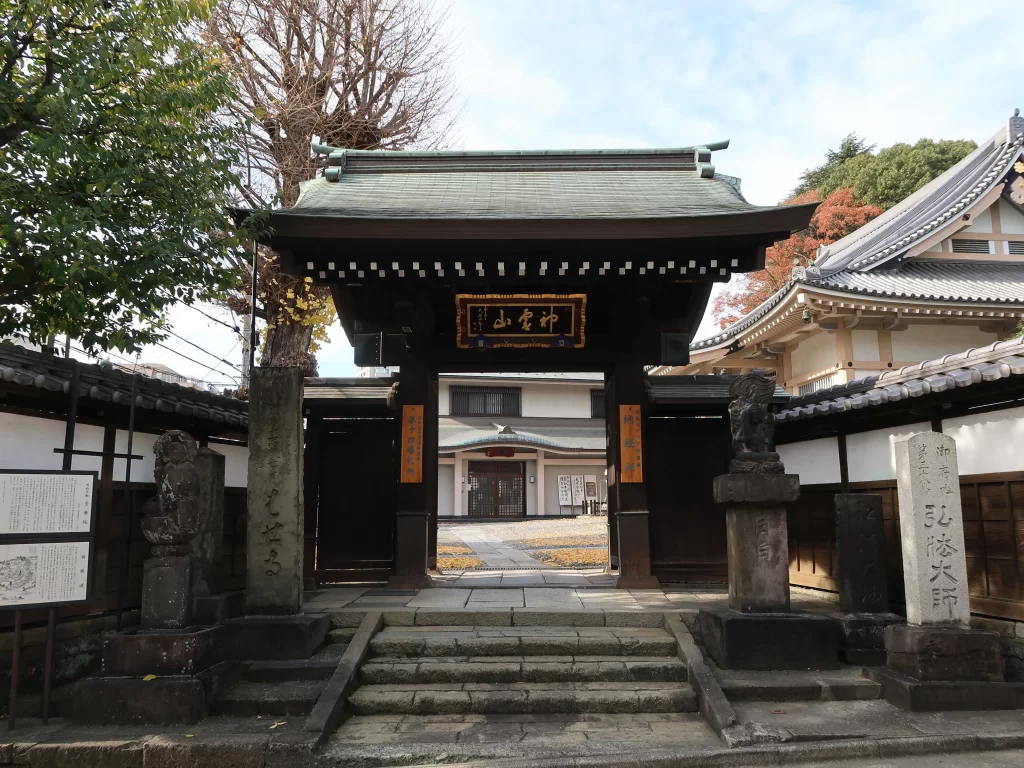
Similar to Meguro Fudo, Mejiro Fudo-son is located in the Mejiro area. Nearby is Gakushuin University, which has ties to the Imperial Family, and it is within walking distance of Mejiro Station, which has a calm atmosphere even within the Yamanote Line.
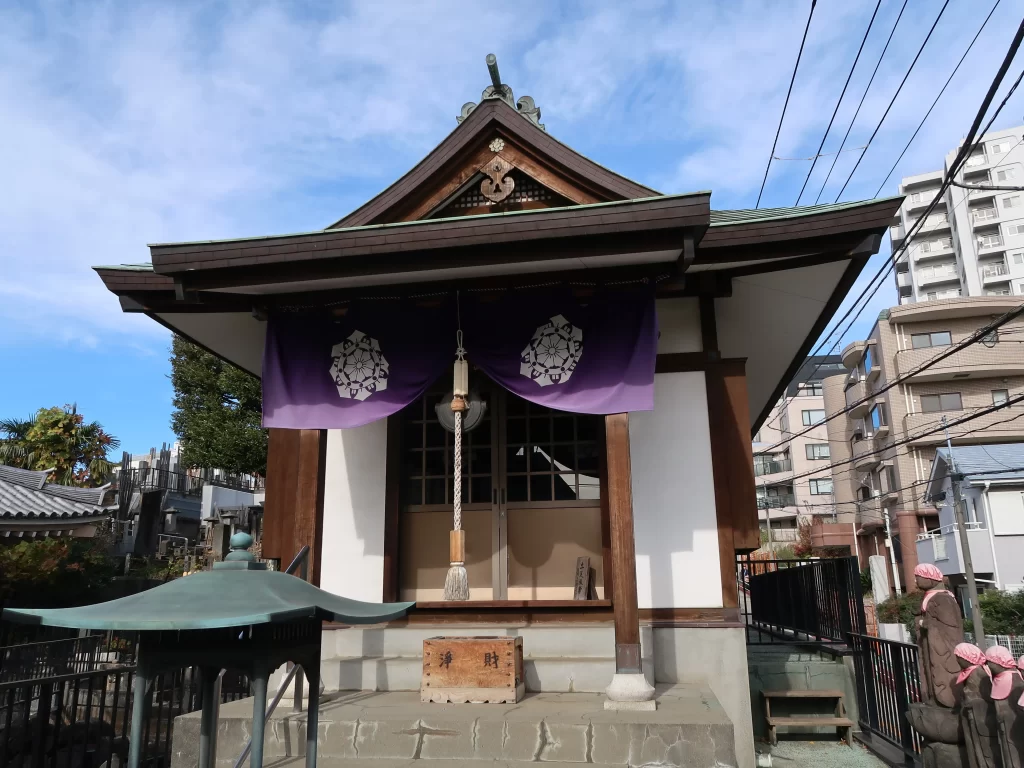
Mejiro Fudo Myo-o depicts the deity severing his own left arm, from which flames erupt, and is said to possess particularly powerful energy. Like Meisei Fudo-son, a nearby streetcar station runs on the Tokyo Sakura Tram, affectionately known as Tokyo’s only two-line tram system. Since Minowa Station, the terminus of the Tokyo Sakura Tram, is just two stops from Ueno Station on the Hibiya Line, if you’re heading towards Ueno and have some time, I recommend taking a leisurely ride on the tram to enjoy the sights of Tokyo’s downtown area. Depending on the season, the route offers many spots to see cherry blossoms and roses.
How to get this place
Address:
2 Chome−12−39 Takada,Toshima City,Tokyo
Access:
From Mejiro Station(Yamate Line) 15 minutes on foot.
4.Meaka Fudōson (Nankokuji Temple)
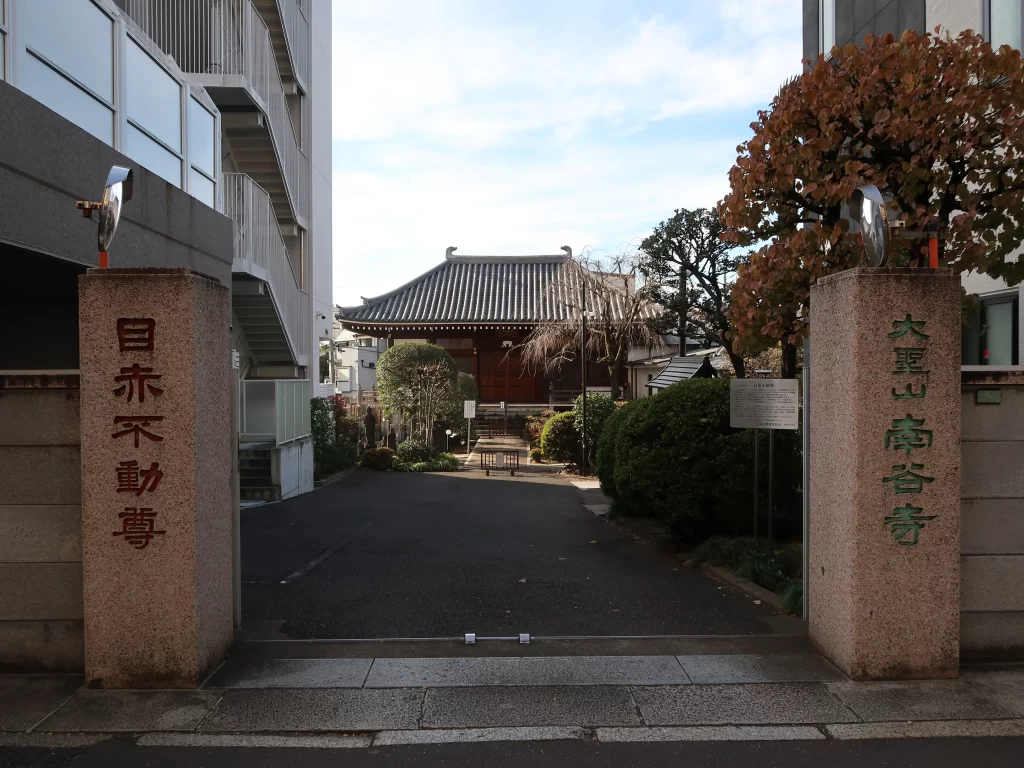

Before the main hall stands the Nangoku-ji Six Jizo statues, welcoming visitors. The Six Jizo are manifestations of Jizo Bosatsu who transform to save beings suffering in each of the six realms. Each Jizo holds a different object, imbued with the meaning of rescuing beings in that particular realm. If you understand which Jizo saves which realm, you are already quite knowledgeable about Japan. (The Six Realms of Existence in Buddhism (Rokudō))
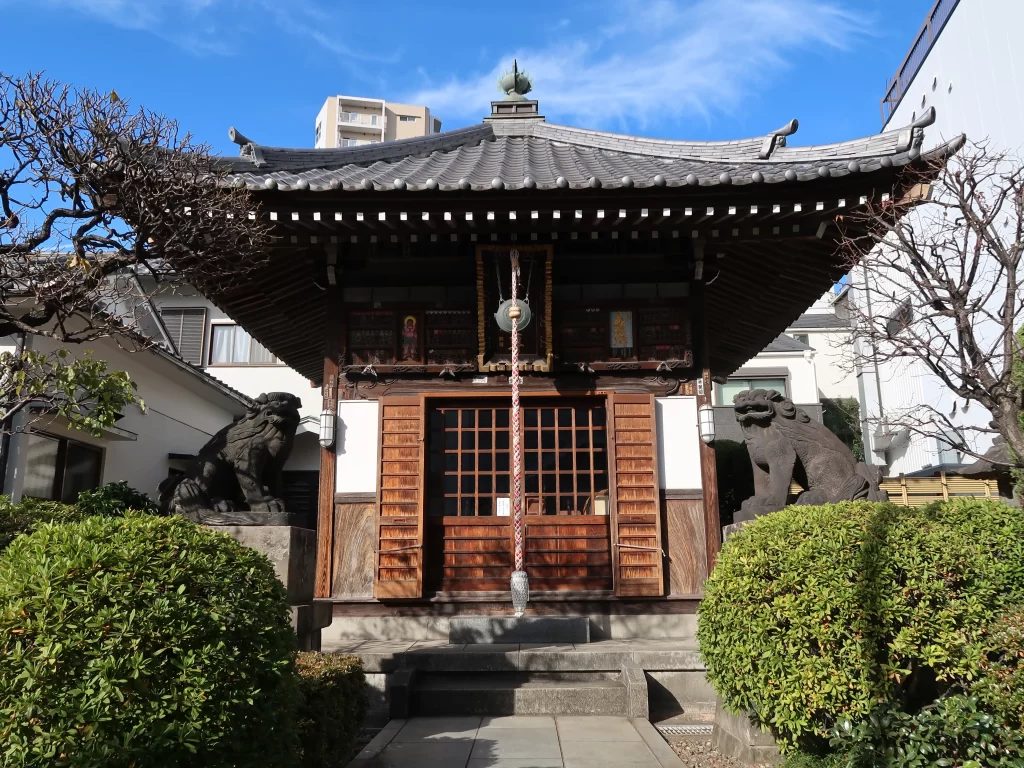
And in front of the main hall stand two adorable guardian lion dogs. I imagine readers have also felt something inexplicable when visiting temples or similar places. It was strange, but I felt as if the guardian lion dogs were saying, “Welcome, thank you for coming.”
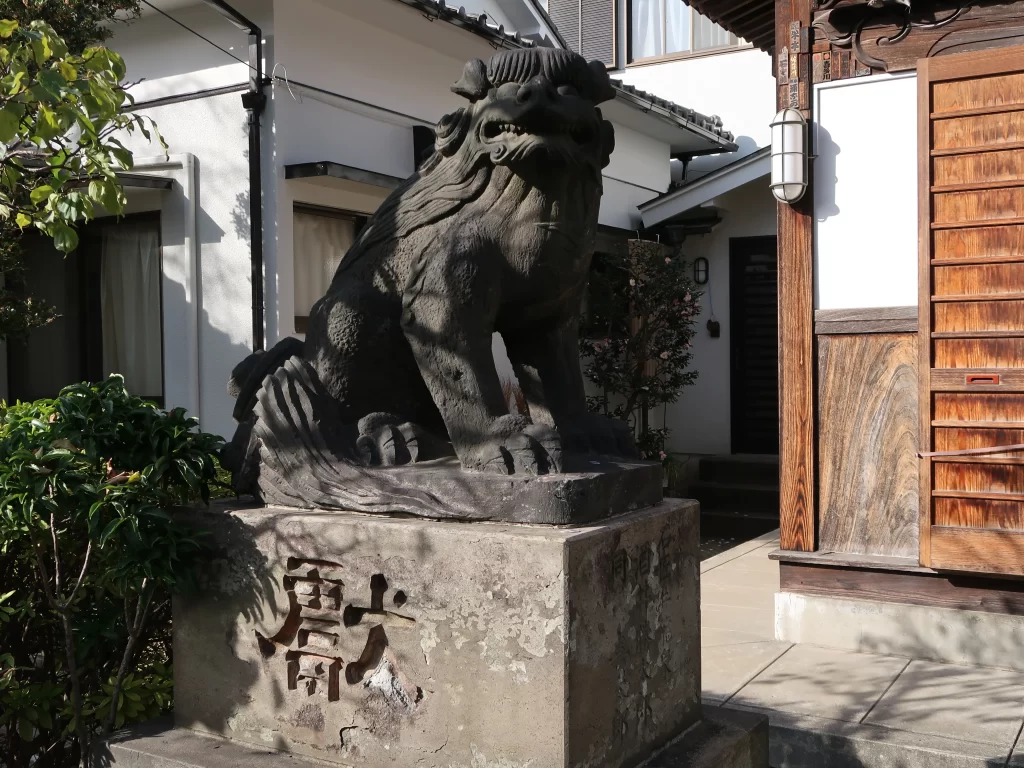

The open mouth and closed mouth statues represent “A” and “Un,” symbolizing the beginning and end of the universe in Buddhist philosoph.
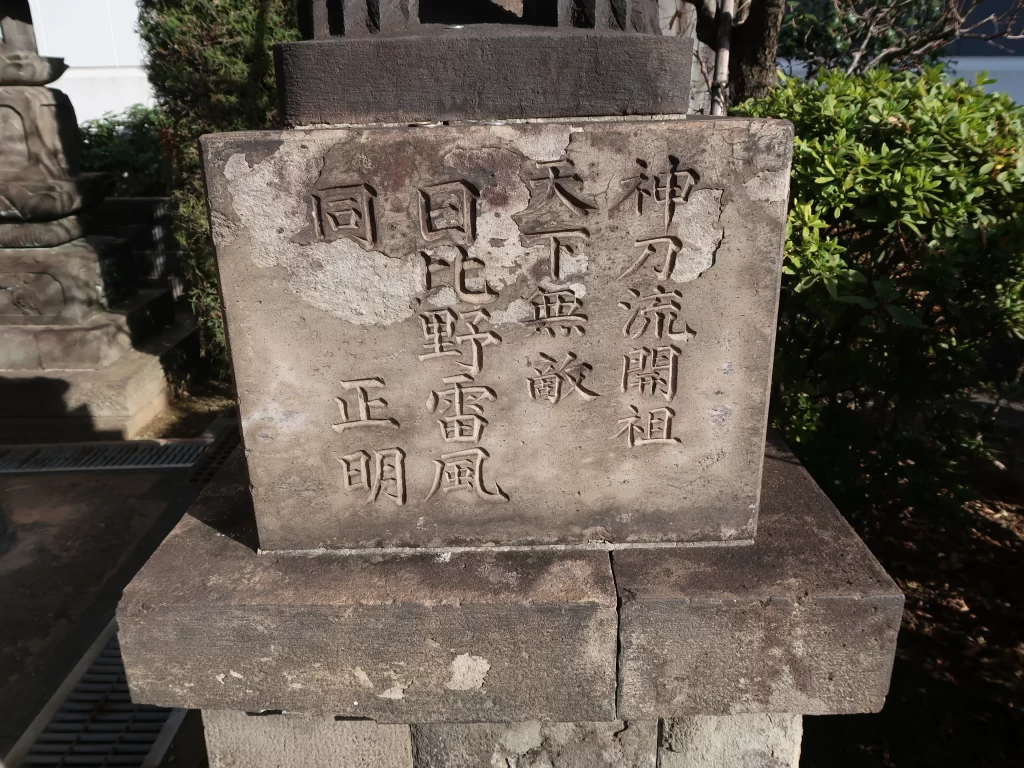
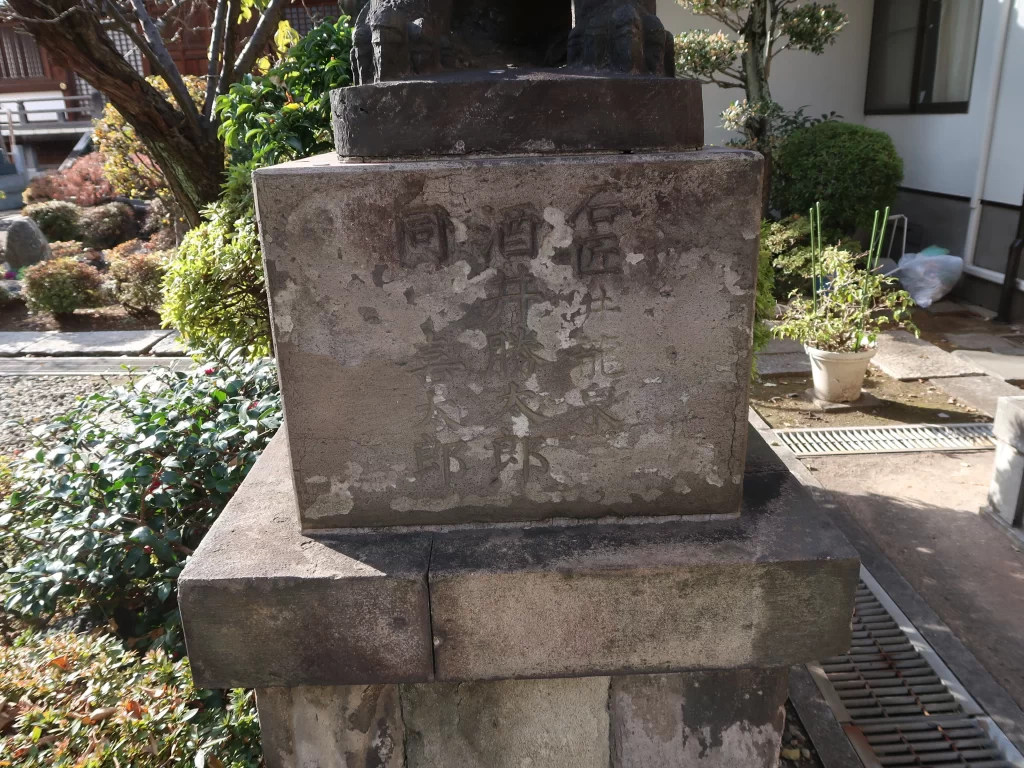
All statues typically bear inscriptions detailing the year of donation, the donor, and the sculptor. When something catches your attention or resonates with you, I recommend looking into these details. You might find something that aligns with your own values. Visiting temples can lead to these mysterious sensations and new insights.
How to get this place
Address:
1 Chome-20-20 Honkomagome, Bunkyo City, Tokyo
Access:
From Komagome Station(Yamate Line) 16 minutes on foot.
Nearby tourist attractions: Rikugien-garden, Koishikawa-Korakuen
5.Meki Fudōson (Eikyū-ji Temple, Saishō-ji Temple)
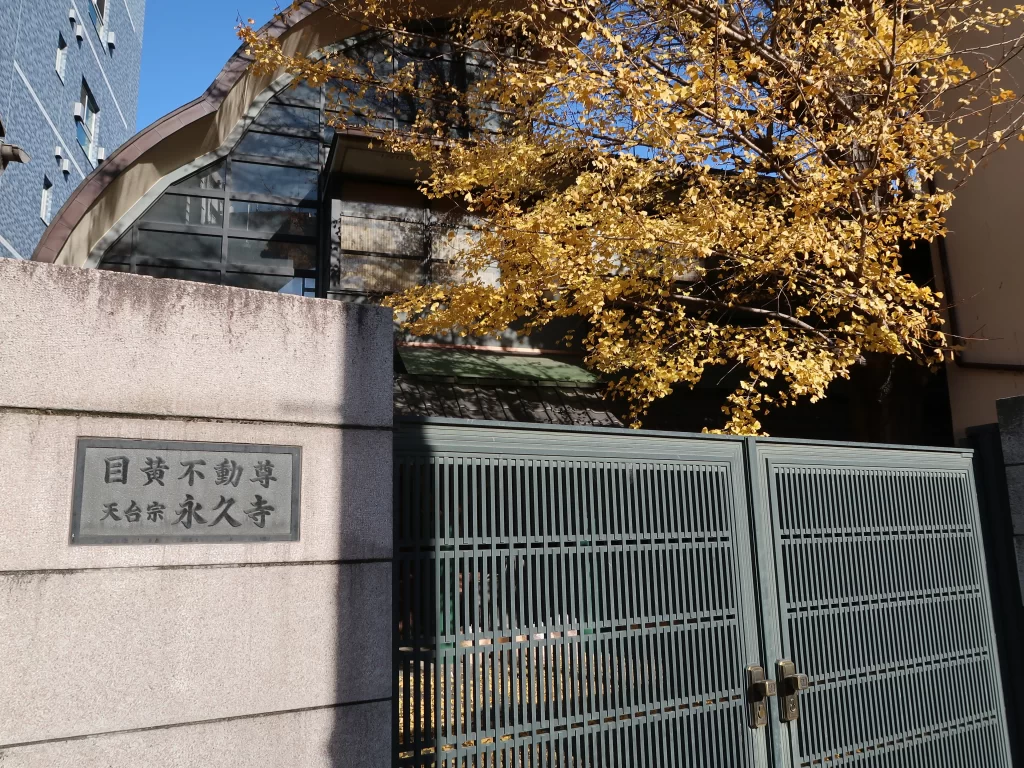
There are said to be two Meki Fudōsō statues. Unfortunately, the gate to the first one, at Kyūjōji Temple in Minowa, Taito Ward, was closed. Since it’s close to popular tourist spots like Ueno Station and Akihabara Station, you might want to start your Five-Colored Fudōsō pilgrimage by visiting this statue first. Those who visit when the gate is open are lucky.
How to get this place
Address:
2 Chome-14-5 Minowa, Taito City, Tokyo
Access:
From Ueno Station:

Take the Hibiya Line to Minowa Station. The ride takes about 4 minutes. From there, it’s another 1 minutes on foot.

At another temple housing the Meki Fudōson, Saishō-ji, stands a Niōmon gate with an Agyō statue and a Ungyō statue placed before it. The Niōmon gate features a pair of statues—the Agyō (A-shaped) statue and the Ungyō (Un-shaped) statue—arranged together. These two Niō statues serve as guardian deities in Buddhism, protecting the temple. The Japanese idiom “ah-un breathing” originates from this concept, meaning synchronized action, akin to the English term “synchronization.”
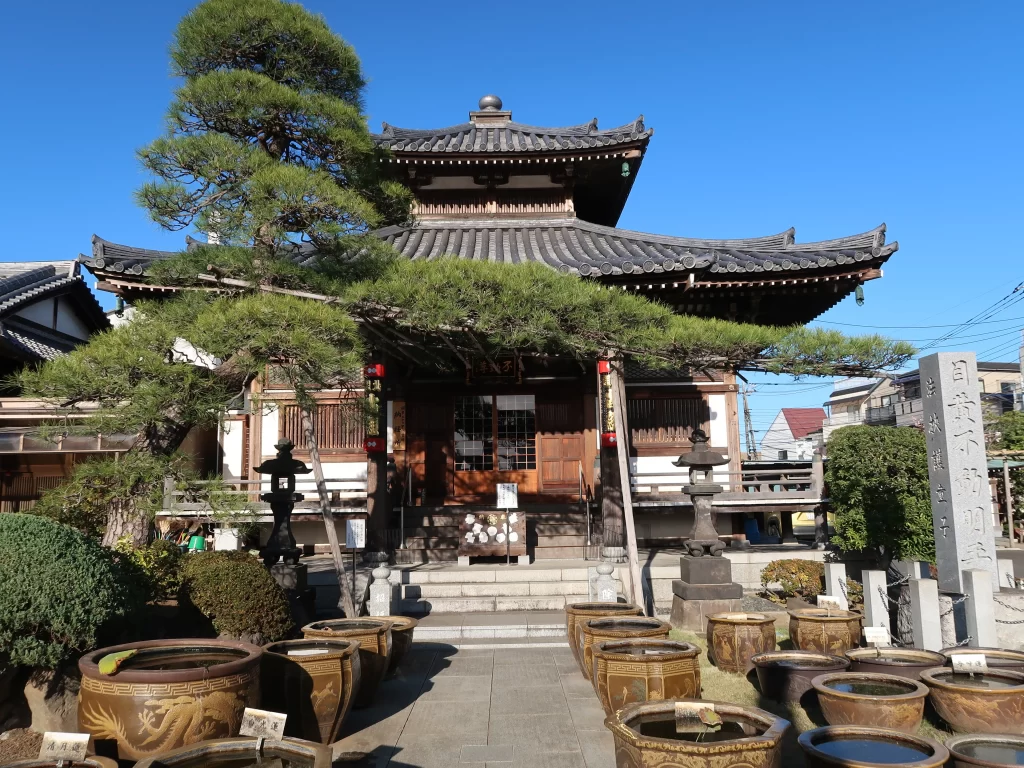
This was the last of the Goshiki Fudō Myōō statues I visited. Fortunately, I was blessed with clear skies, and since this statue had no tall buildings around it, the contrast between the main hall and the cloudless blue sky was truly magical. I felt as if everything was enveloped in the blue of the sky.
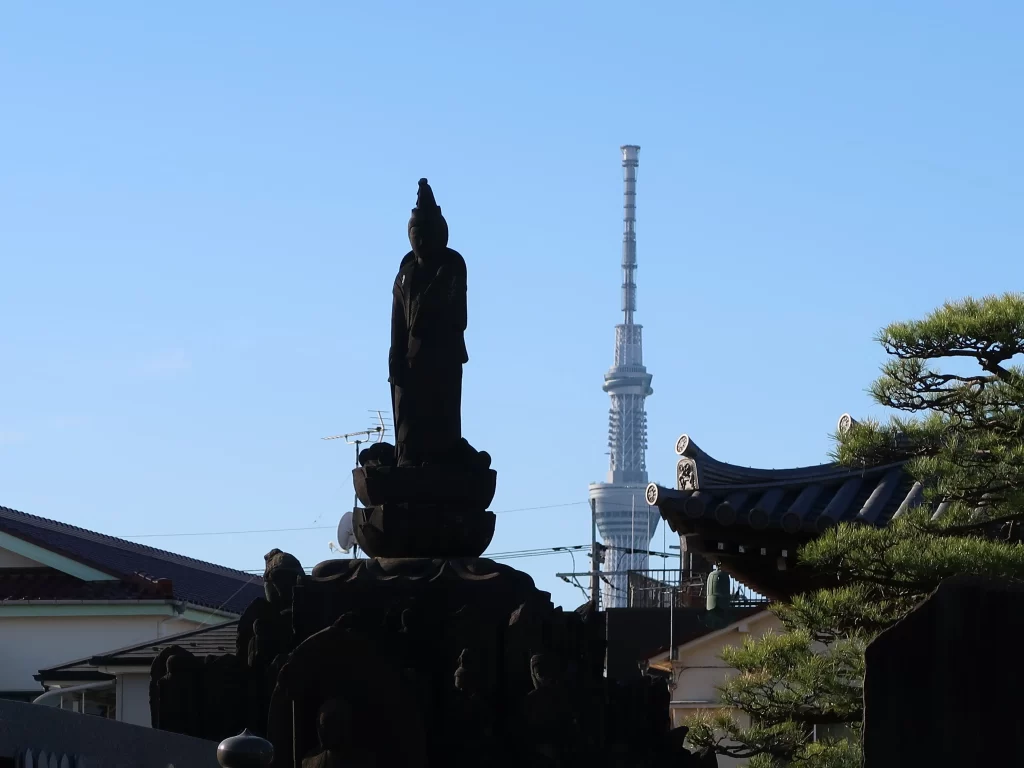
From the temple grounds, I could see Tokyo Skytree, so I took a photo with the Bodhisattva statue. Tokyo Skytree was completed in 2012, but the Bodhisattva statue has watched over people since ancient times. Both were created by human thoughts and human power. I felt that the thoughts of people long ago about the world led to the development of modern science and architectural technology, and that these technologies have shaped Japan’s current peaceful nation. I believe that no religion ever brings misfortune to people; rather, they are legacies left by our ancestors who overcame various difficult times to build a peaceful and happy world. This makes me want to pray for world peace once again.
How to get this place
Address:
1 Chome-25-32 Hirai, Edogawa City, Tokyo
Access:
From Akihabara Station:

Take the Chūō-Sōbu Line(Local) to Hirai Station. The ride takes about 11 minutes. From there, it’s another 14 minutes on foot.
The Edo Goshiki Fudō Myōō statues are scattered throughout various locations, but it is said that when they were first placed, their arrangement was intended to protect Edo. For this reason, even today, the Five-Colored Fudō Myōō statues are located at considerable distances from each other. Even with today’s developed transportation, attempting to visit all of them in a single day would be quite challenging. Ideally, I recommend taking your time, exploring the surrounding areas and nearby bustling districts, and combining this with other sightseeing. Especially for first-time visitors to Japan, who may not be familiar with the Japanese subway system or other transportation options, please avoid forcing a tight schedule.
While few Japanese people adhere to a specific religion, I believe that by incorporating pilgrimages like this into their daily lives as events, a natural reverence for gods and buddhas has developed deep within their hearts. I hope visitors to Japan will experience the Edo Goshiki Fudo Pilgrimage, which many Japanese people themselves are unaware of, while feeling the sentiments of those who made the pilgrimage in the past. After visiting all the Fudo statues, you might just find some new insight.
People Also Ask About Edo Goshiki Fudo
What is Edo Goshiki Fudo?
It is a group of five Fudo Myoo temples placed around Edo to spiritually protect the city.
What do the five colors mean?
They represent directional guardians from ancient East Asian cosmology.
How long does the pilgrimage take?
Most visitors complete it in about 5–7 hours by train.
Why are there multiple versions of the five temples?
Historical relocations and differing records created several accepted temple lists.



No comments yet.