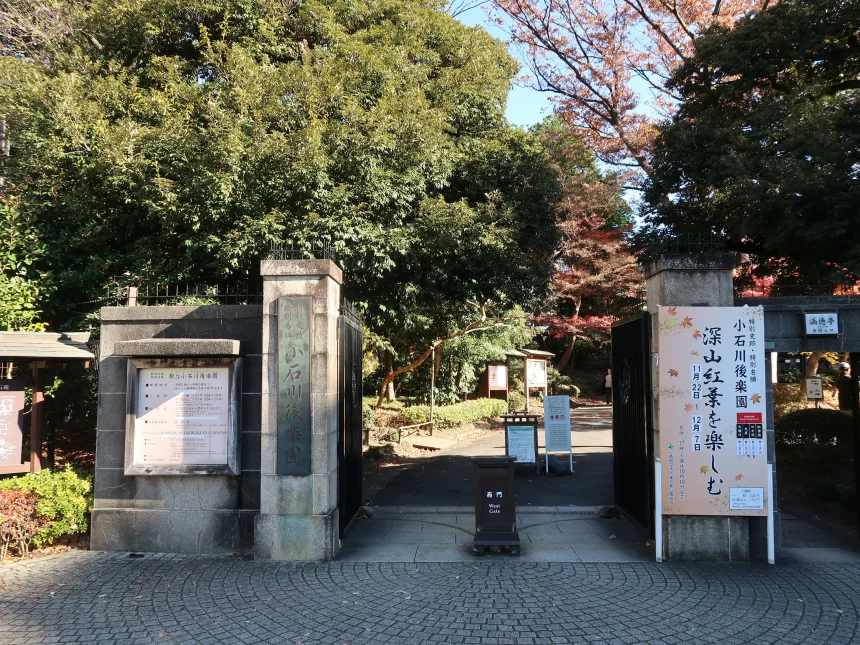
What is Koishikawa Korakuen?
Koishikawa Korakuen Garden is the oldest surviving daimyo garden in Edo, constructed in 1629 during the early Edo period by Tokugawa Yorifusa, the first lord of the Mito domain, at his Edo residence, and completed through renovations by the second lord, Mitsukuni. The name “Kōrakuen” originates from the teachings of Shu Shunsui, a Ming dynasty Confucian scholar who had taken refuge in Japan. It embodies the principle for rulers to “worry before the people worry and enjoy after the people enjoy.” This means those in positions of authority, such as feudal lords, should understand the hardships of their subjects and only enjoy themselves after the people have had their share of pleasure.
First Impressions: Visiting the Garden
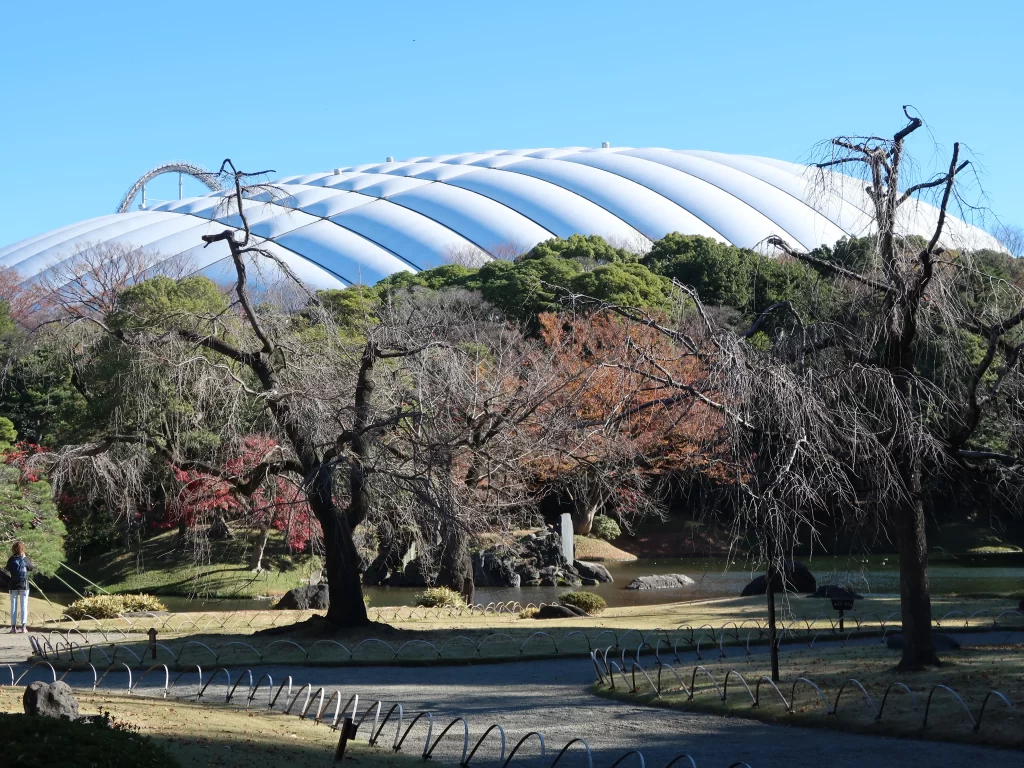
On a clear day as autumn drew to a close, I visited the garden right after it opened at 9 a.m. It was the season of autumn leaves, soon to give way to winter. Entering through the West Gate and looking out over the garden, I was first struck by the contrast between the Tokyo Dome’s roof and the natural landscape. Despite being in the heart of a metropolis, I was instantly enveloped in a tranquil environment. It felt like an oasis in the city, offering peace and a sense of time flowing slowly.
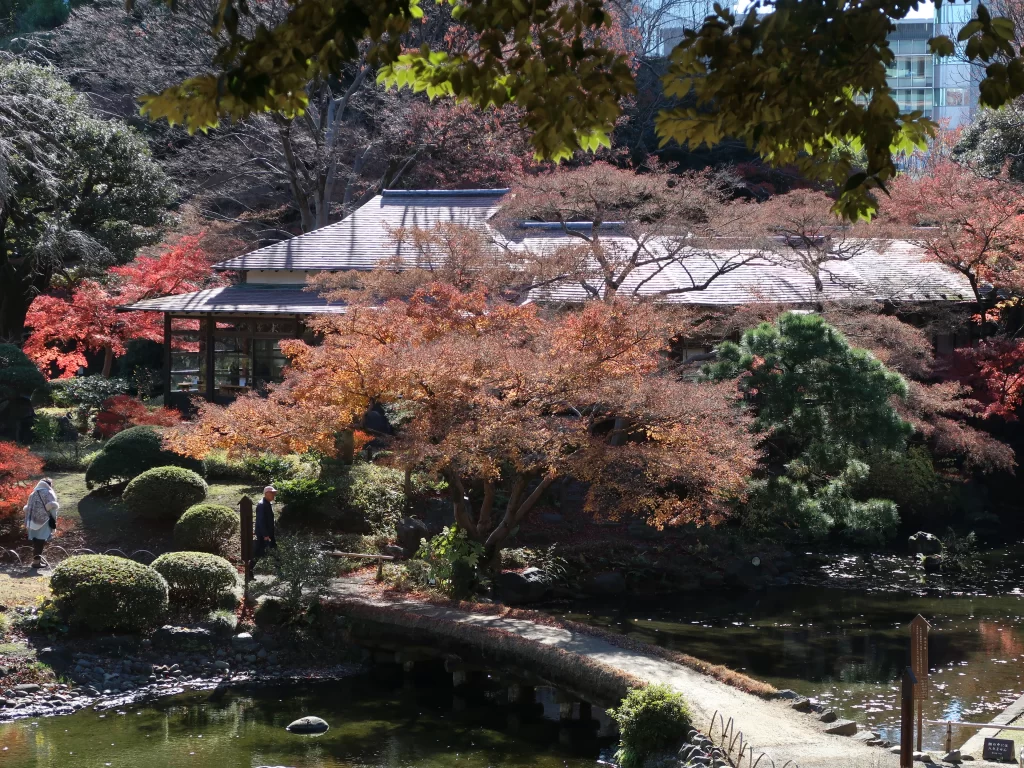
This single shot captures Japanese-style architecture, autumn foliage, and a stone bridge—a picture-perfect landscape that unconsciously calms the mind. The garden is designed as a strolling garden, where the scenery changes with every step.
Highlights of the Garden
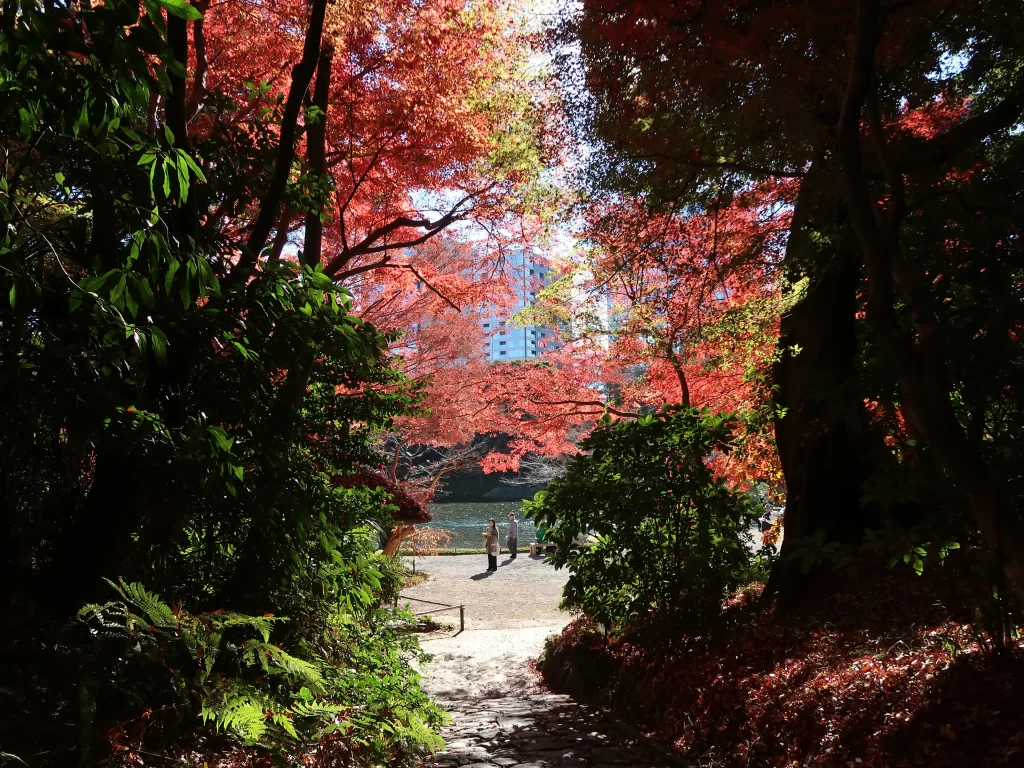
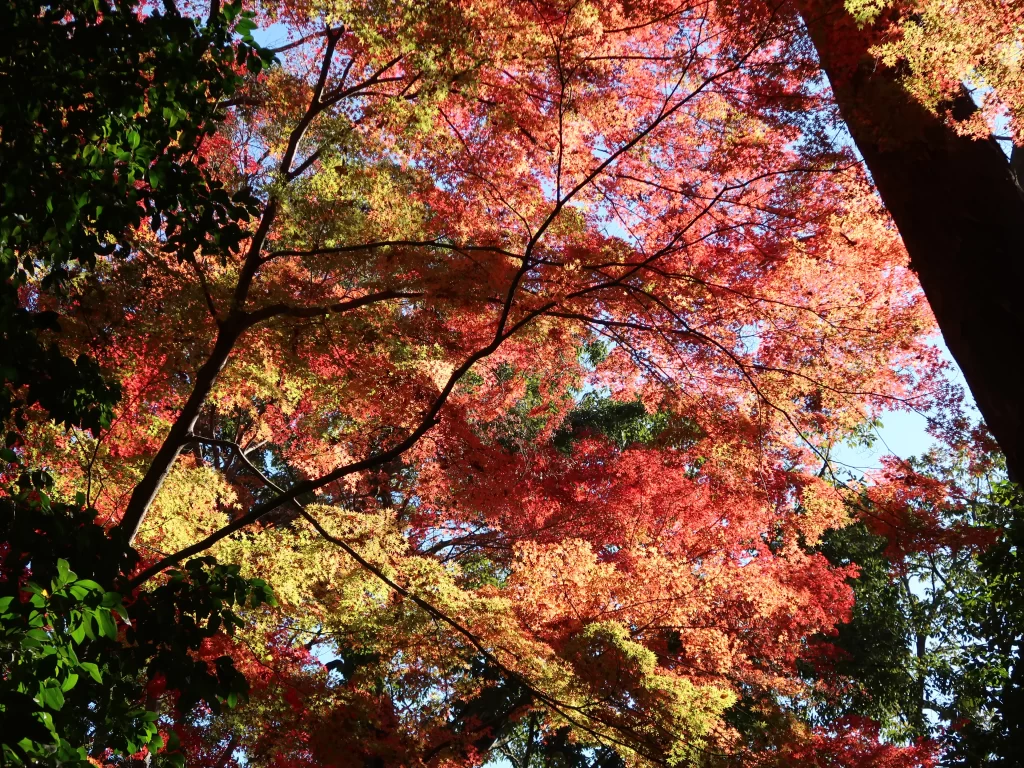
The leaves, vividly colored in various shades by the autumn foliage, create a striking contrast and are truly beautiful. Visitors were enjoying the scenery in their own way, each seeking out their favorite photo spots.
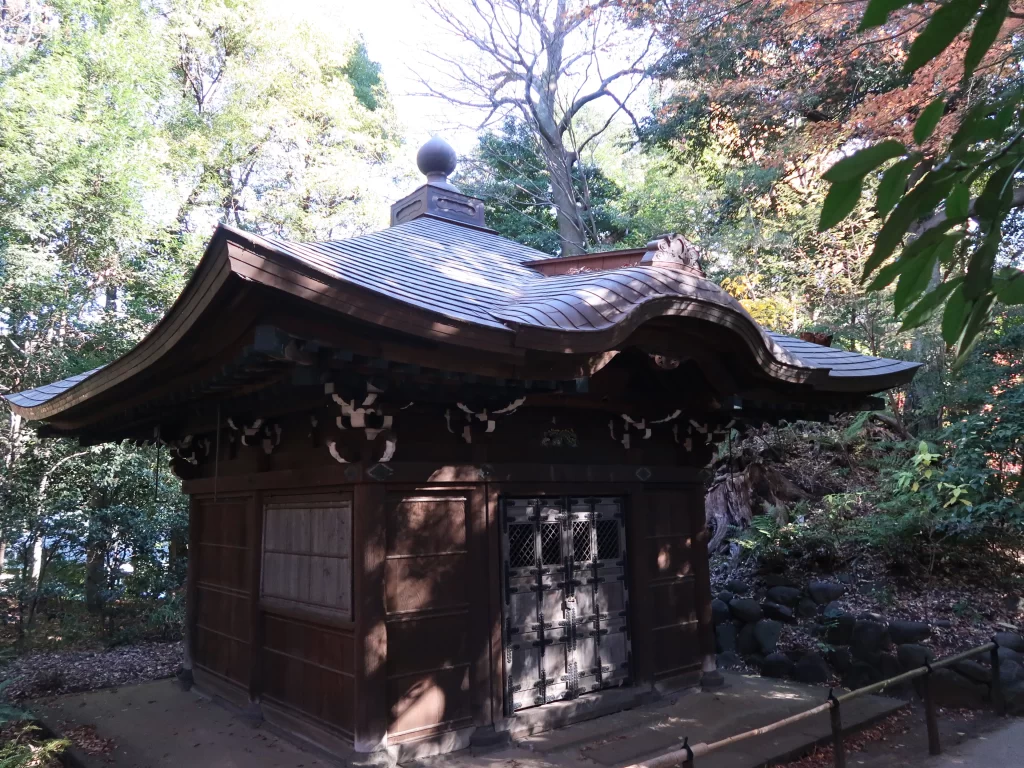
The buildings within the garden are full of charm, allowing visitors to appreciate the culture and craftsmanship of the Edo period in every detail.
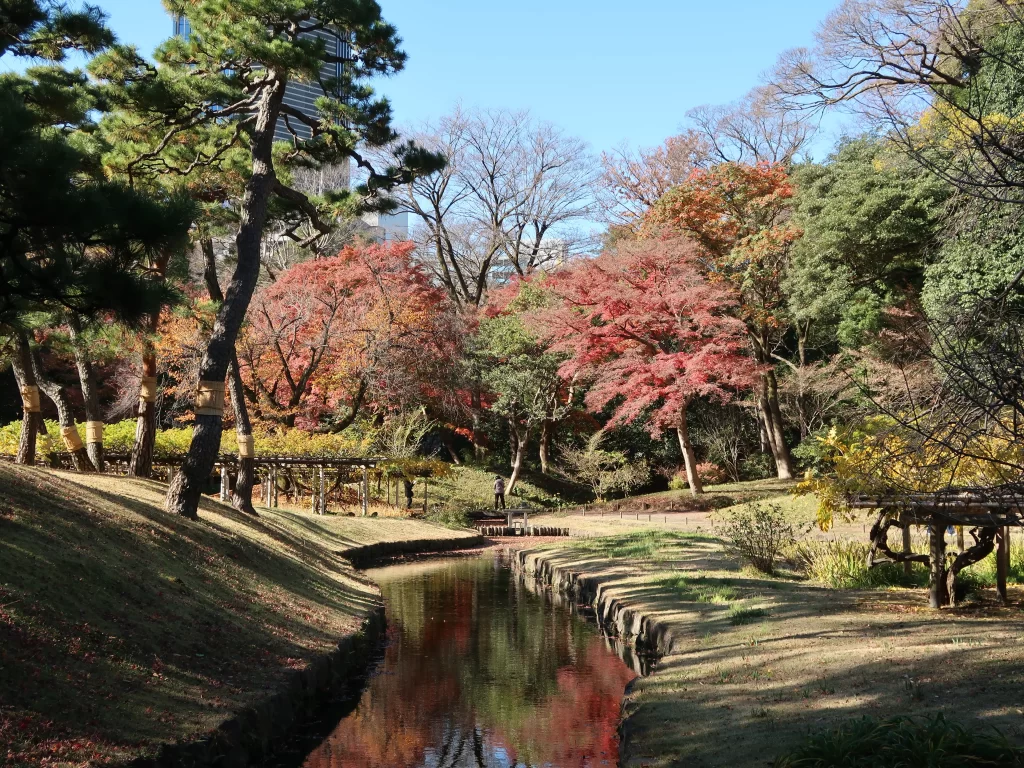
A river also flows through the garden. Many gardens are designed to evoke the landscapes of various regions.
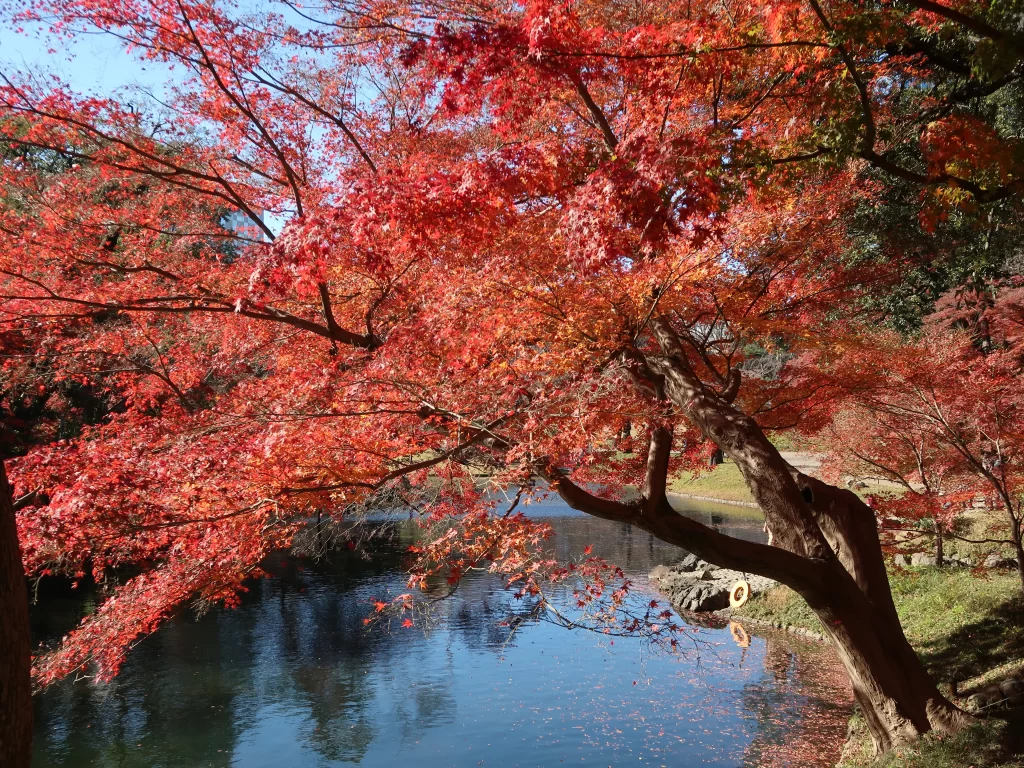
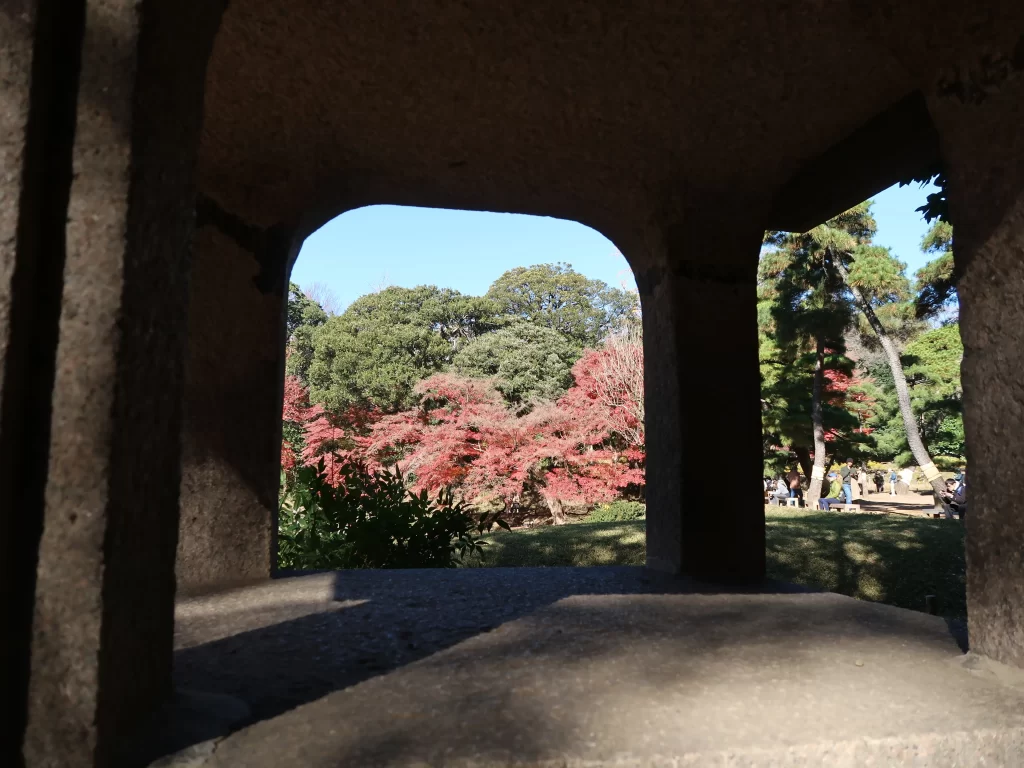
The scenery captured from the lanterns has an atmosphere like a painting drawn inside the lanterns. The garden truly has many photo spots, and each visitor was taking pictures in various locations.
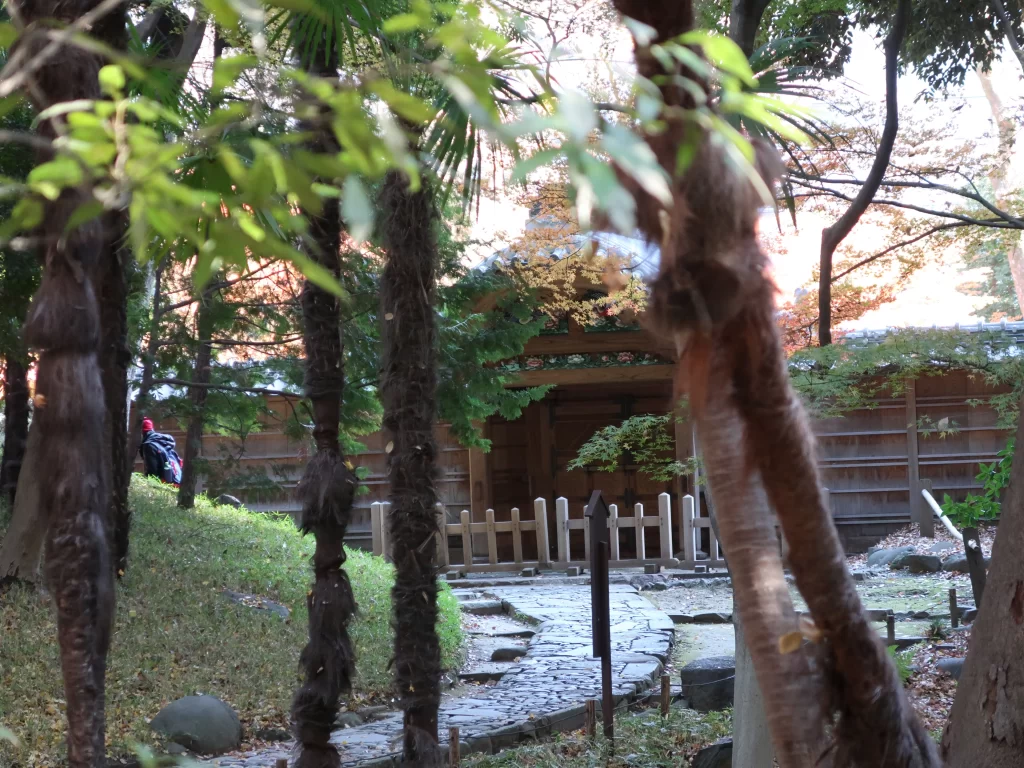
It feels like you’ve slipped back in time to the Edo period.
Why This Garden Feels Special
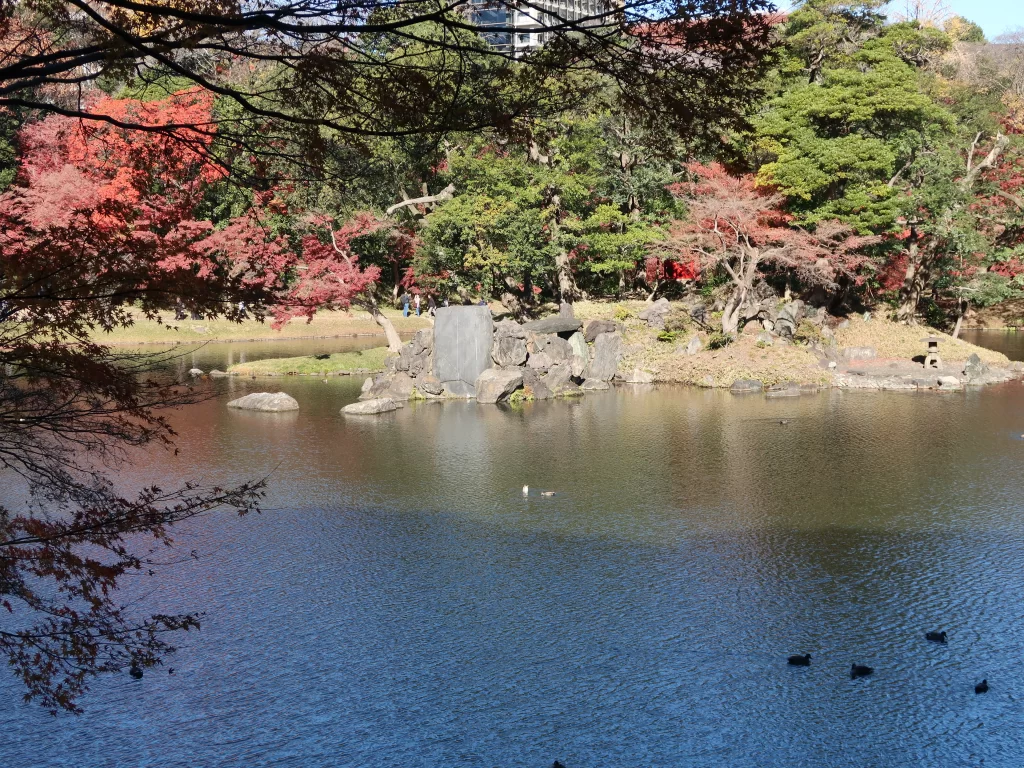
We took about an hour to leisurely stroll through the garden. If you’re seeking a place to experience tranquility during your time in Tokyo, Koishikawa Korakuen Garden is an excellent choice. Free guided tours led by garden specialists are also available; interested visitors can join by gathering at the designated time.
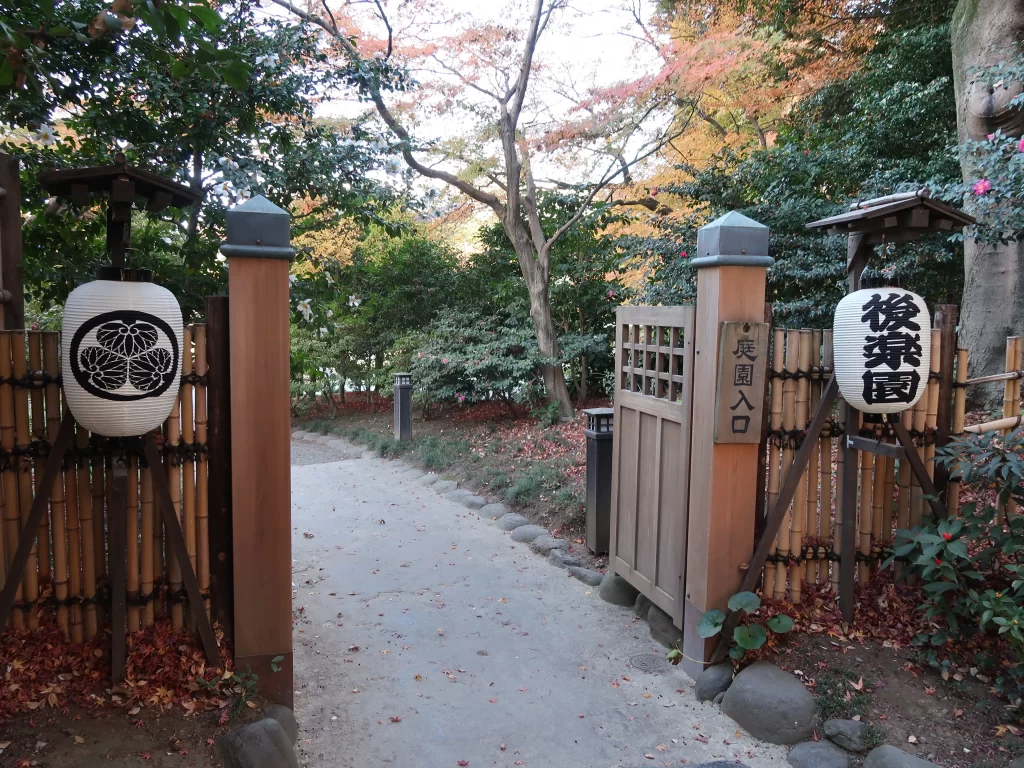
Hidden Detail Most Visitors Miss
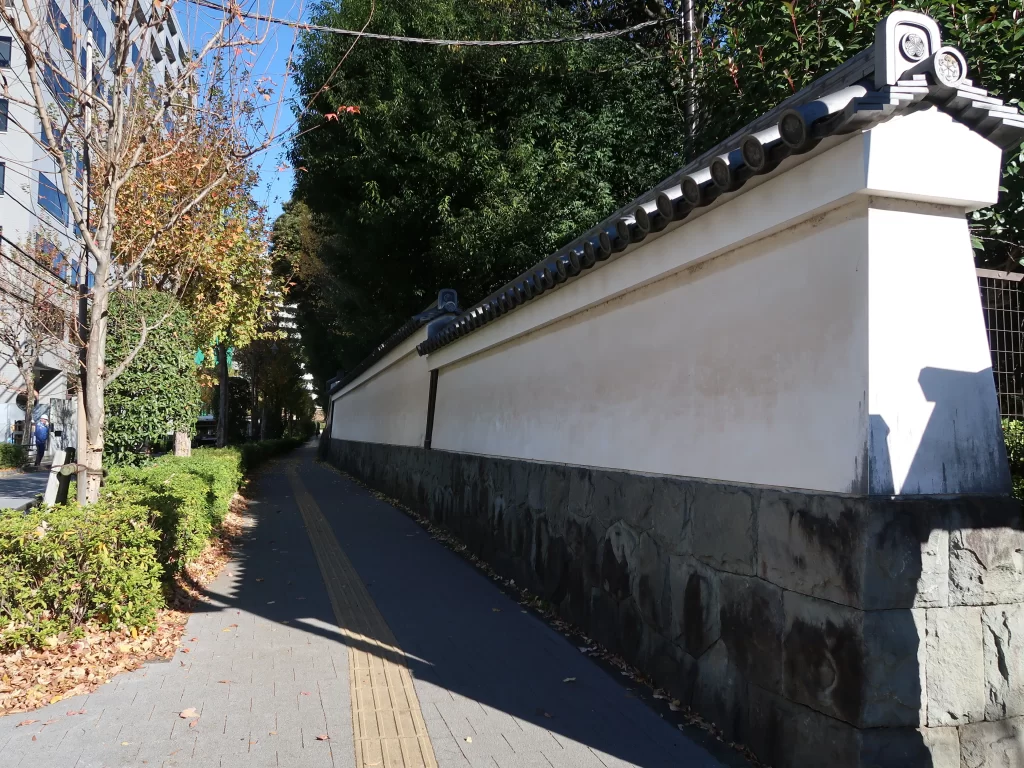
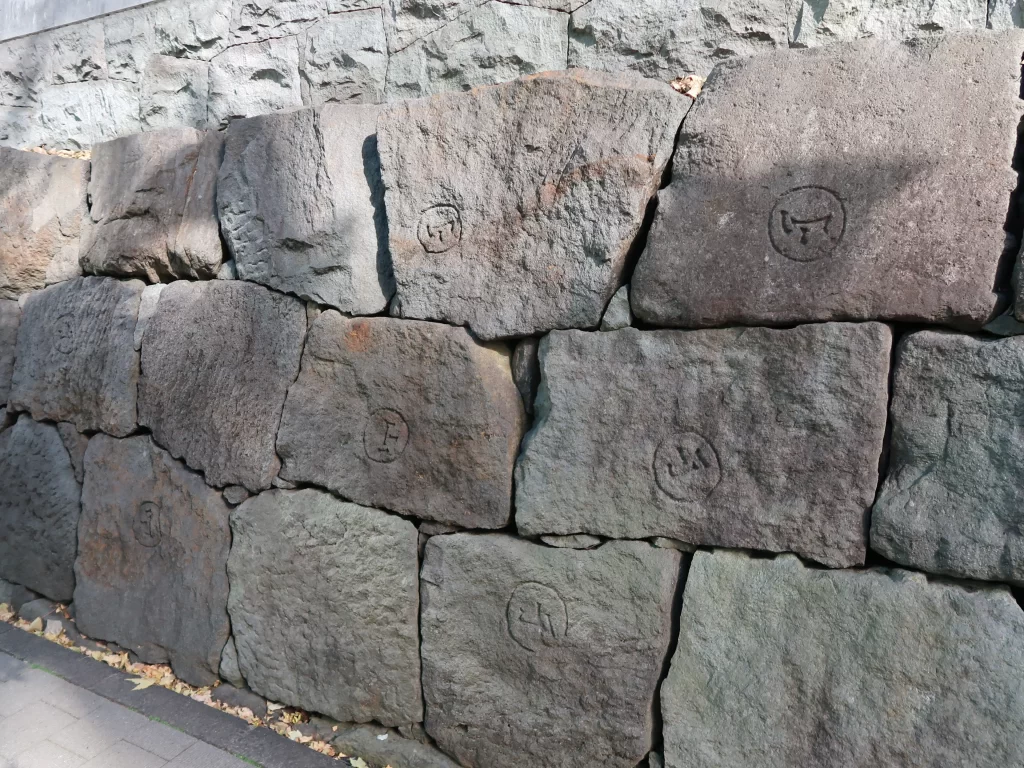
Part of the stone wall on the west side of the garden uses stones excavated from the remains of the northern outer wall of Edo Castle’s Kaji-bashi Gate. These stones were recreated using the technique known at the time as “hammered jointing.” The stones bear the character ‘山’ (mountain), the family crest of the Yamazaki family, lords of the Bitchū Naru domain who built the wall. If you have time, it might be interesting to look for the “mountain” character.
How to get this place
Address:
6 Chome-16-3 Honkomagome, Bunkyo City, Tokyo
Access:
From Ueno Station:

Take the Yamanote Line to Komagome Station. The ride takes about 10 minutes. From there, it’s another 8 minutes on foot.
Information
Opening Hours
9:00 AM to 5:00 PM (Last admission at 4:30 PM)
*Hours may be extended during event periods.
Closed Days
Year-end and New Year holidays (December 29 to January 1)
Admission Fees
General Admission: 300 yen
Ages 65 and over: 150 yen
(Free for elementary school students and younger, and junior high school students residing or attending school in Tokyo)
People also ask about Koishikawa Korakuen
Is Koishikawa Korakuen worth visiting?
Yes. It is considered one of Tokyo’s most beautiful historic gardens and offers a peaceful escape from the city.
How long do you need at Koishikawa Korakuen?
Most visitors spend about 60–90 minutes exploring the walking paths and scenic viewpoints.
Is it crowded?
It can be busy during peak seasons like autumn foliage, so early visits are recommended.




No comments yet.