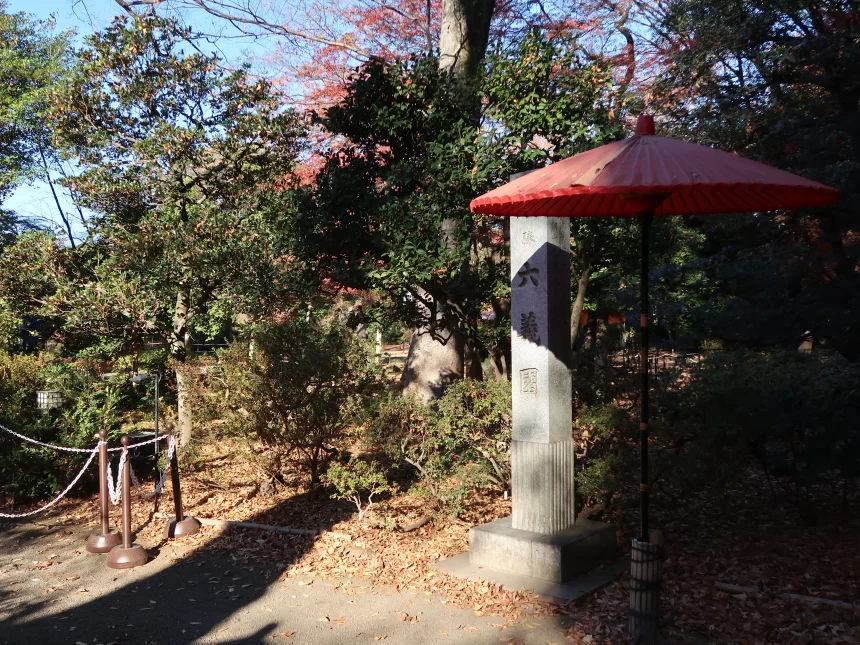
Rikugien Garden is one of the representative daimyo gardens of the Edo period, located in Bunkyo Ward, Tokyo. It was established in 1702 by Yoshiaki Yanagisawa, lord of the Kawagoe domain and a trusted retainer of the fifth shogun, Tsunayoshi Tokugawa. This daimyo garden is based on the aesthetic of waka poetry. At the time, it was one of Edo’s most representative daimyo gardens. Visitors can enjoy the changing scenery while walking along the paths surrounding the pond. The beauty of Japanese gardens is condensed throughout the grounds: the floating island in the pond, the gently sloping artificial hill, bridges, and tea houses. Scenes depicting classical literary landscapes, such as the scenic beauty of Wakanoura and famous places celebrated in waka poetry, are depicted throughout the garden as the Eighty-Eight Views.
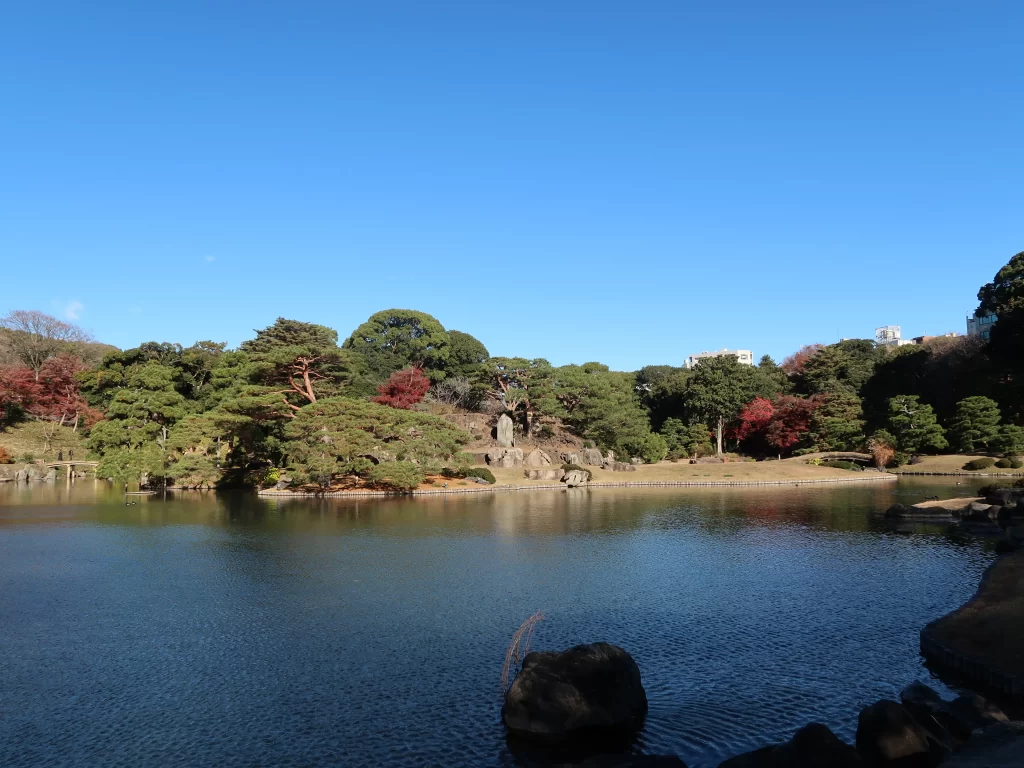
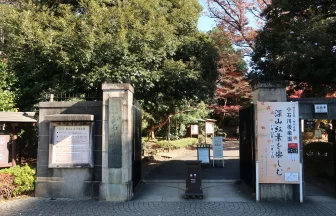
This time, I visited Rikugien Garden in early December. Upon entering the grounds, the first thing you feel is a profound sense of tranquility. Despite being in the heart of the city, you instantly feel transported to another world. At this time of year, the maple and ginkgo trees are ablaze with color. In Japan, this phenomenon is called “kōyō” (autumn leaves), and leaves throughout the city transform from green to a myriad of hues. While everyone knows about spring’s cherry blossoms, autumn’s red leaves also create a season of incredibly beautiful scenery. This garden, which changes with the seasons, has endured since the Edo period and remains a truly wonderful place that captivates our modern eyes with its natural beauty.
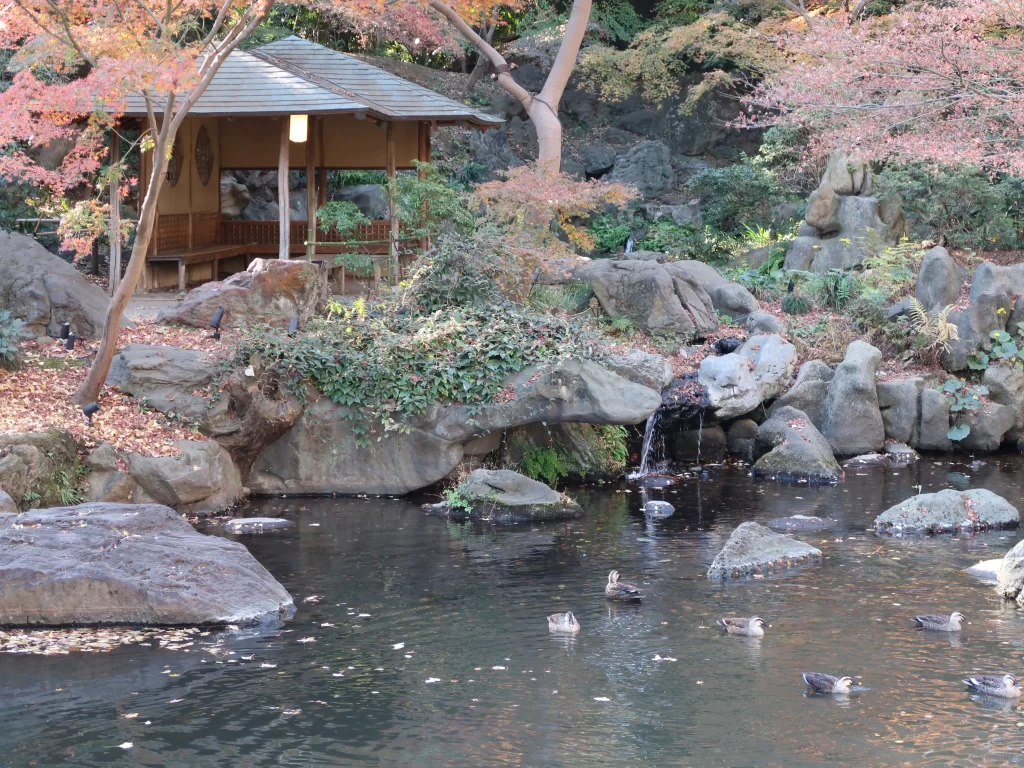
Ducks swim in the garden, allowing visitors to feel the richness of nature even more deeply. The structures within the garden also feature traditional architectural styles, blending naturally into the scenery and enabling one to imagine the atmosphere of the Edo period.
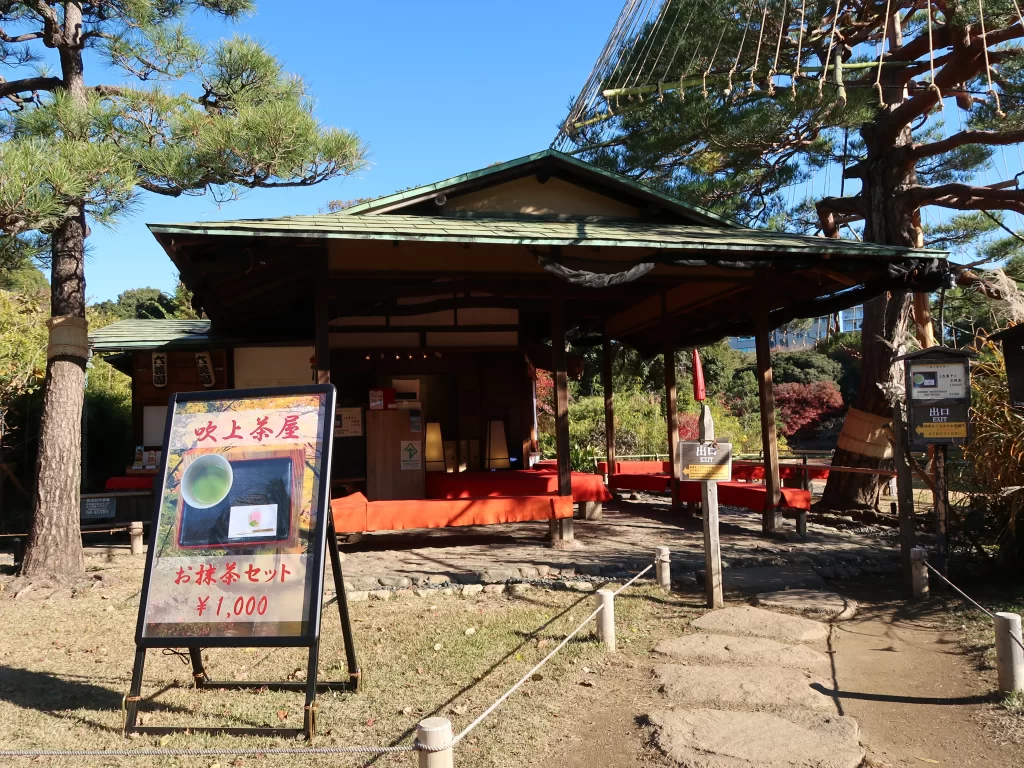
The garden features a tea house where you can enjoy matcha. I believe matcha is extremely popular among foreign visitors to Japan. While taking in the picturesque scenery, you can sip matcha and experience the slow passage of time.
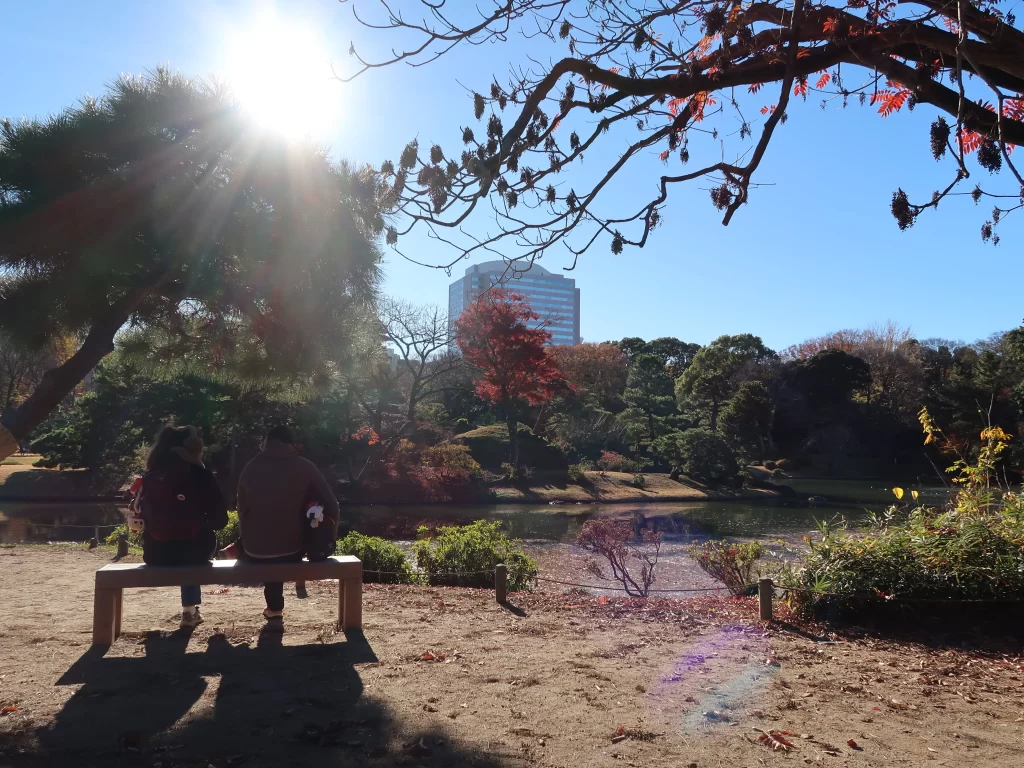
Today was a bit chilly, but with not a cloud in the sky, it was a perfect day for sunbathing. Travelers sat on benches, enjoying the scenery and relaxed conversation, looking thoroughly happy. Elsewhere, another traveler was proposing. Each person seemed to be creating their own memorable experience amidst the elegant scenery, filling me with a sense of happiness.
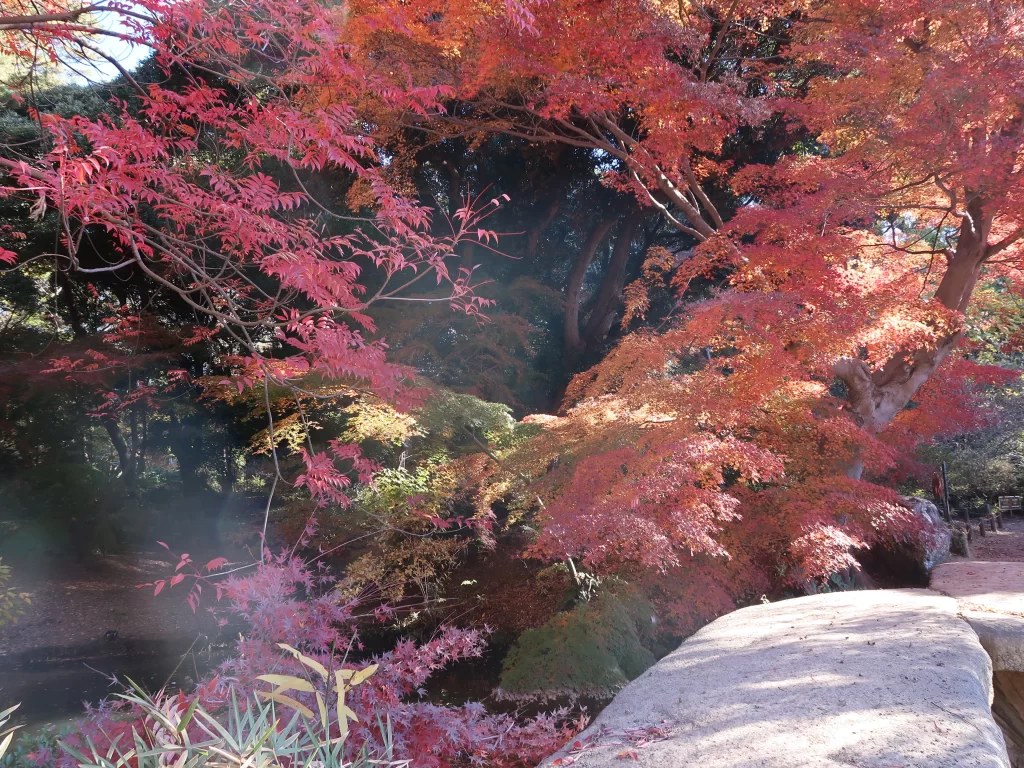
Many people were taking photos at this spot, where the autumn foliage displayed such fantastical colors that they captured it from various angles. The leaves were truly beautiful, and I tried photographing them from the stone path on the right. The contrast in the colors of the leaves allowed me to take a very beautiful photo.
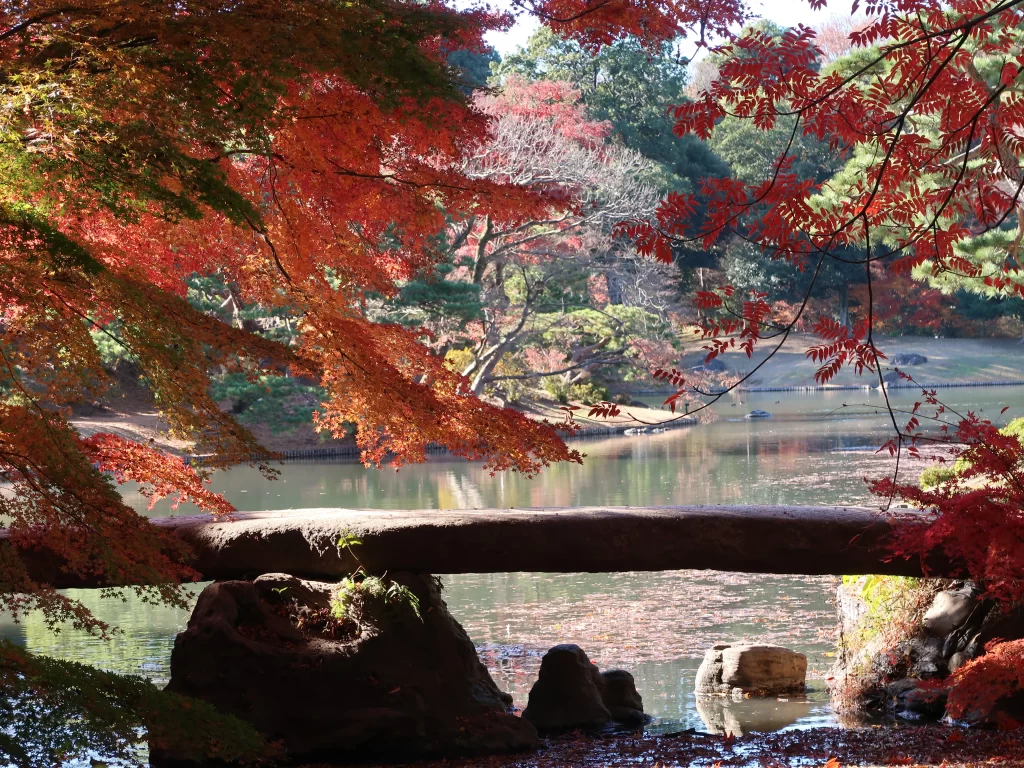
The contrast between the autumn season and the light is truly beautiful, making it a truly magical place. I think it’s truly wonderful that it has been preserved like this for hundreds of years.
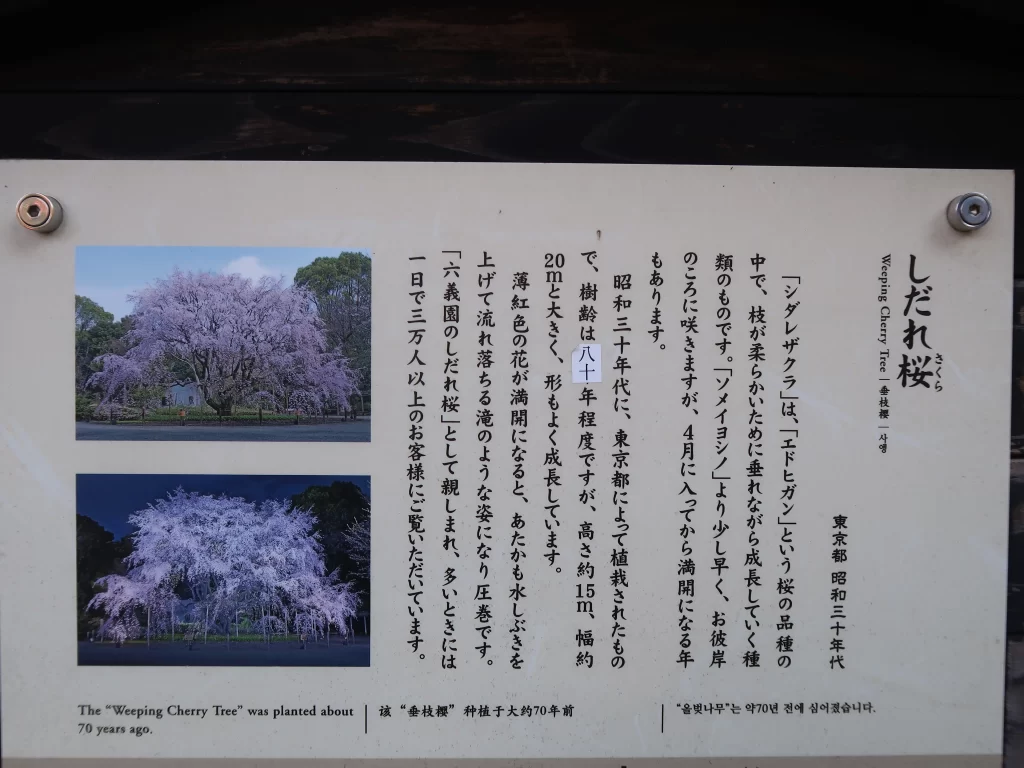
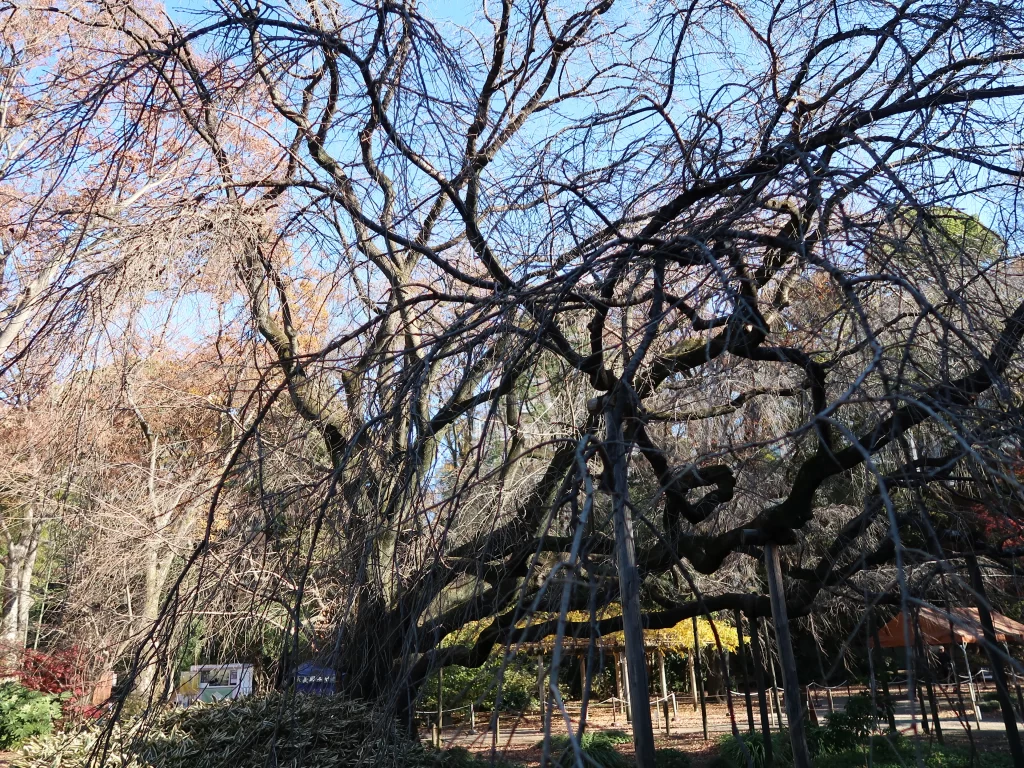
In spring, the 80-year-old weeping cherry tree blooms. At night, it’s illuminated, attracting over 30,000 visitors daily. I hope to visit next spring. Travelers, please do visit. As you stroll along the pond’s edge, taking in the various views, you’ll find yourself having walked all the way around the pond without noticing. That’s how many captivating sights there are.
How to get this place
Address:
6 Chome-16-3 Honkomagome, Bunkyo City, Tokyo
Access:
From Ueno Station:

Take the Yamanote Line to Komagome Station. The ride takes about 10 minutes. From there, it’s another 8 minutes on foot.
Information
Opening Hours
9:00 AM to 5:00 PM
(Last admission at 4:30 PM)
*Opening hours may be extended during event periods.
Closed Days
Year-end and New Year holidays
(December 29th to January 1st)
Admission Fees
General Admission: 300 yen
Ages 65 and over: 150 yen
Elementary school students and younger (must be accompanied) and junior high school students residing or attending school in Tokyo: Free

No comments yet.